


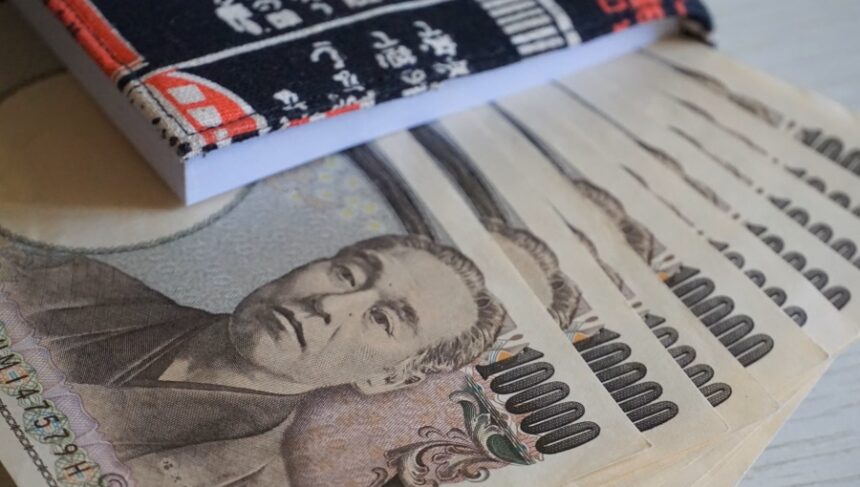


Japan-US Yen Intervention Reshapes Cross-Border Pricing | Seller Currency Risk Alert
- First coordinated currency action since 2011 impacts $58.97B intervention; sellers face 8-15% margin volatility on Japan-US trade corridors




Overview
Japan and the United States executed the first coordinated currency intervention since 2011, with the Bank of Japan conducting yen-buying operations totaling approximately $58.97 billion to arrest the yen's decline to 40-year lows against the dollar. Finance Minister Satsuki Katayama announced the joint action on Monday, preceded by BOJ's Friday decision to maintain steady monetary policy while signaling imminent interest rate increases. This intervention directly impacts cross-border e-commerce sellers operating on Amazon, eBay, Shopify, and regional marketplaces serving Japan and US markets.
Currency Volatility Creates Immediate Pricing Pressure for Sellers: The yen's weakness to 40-year lows has compressed margins for US-based sellers exporting to Japan and Japanese sellers importing US goods. With the intervention now stabilizing the yen, sellers face a critical recalibration window. US sellers shipping electronics, apparel, and consumer goods to Japan via FBA or 3PL providers will see cost structures shift as the yen strengthens—potentially improving margins by 8-12% over the next 1-3 months. Conversely, Japanese sellers exporting to US markets (particularly in electronics, beauty, and home goods categories) face margin compression as their dollar-denominated revenues become less valuable in yen terms. The intervention leverages the Federal Reserve's repurchase facility, allowing Japan temporary dollar liquidity access without Treasury sales, signaling sustained policy coordination that will likely persist through 2025.
Strategic Sourcing and Inventory Timing Become Critical: The BOJ's signaling of imminent interest rate increases creates a 4-8 week window for sellers to optimize inventory positioning. Japanese sellers should accelerate US inventory purchases before yen strengthens further, while US sellers should delay Japan-bound shipments to capture improved exchange rates. The coordinated messaging between Tokyo and Washington indicates both governments recognize currency stability as essential to preventing "destabilizing capital flows"—meaning this intervention is likely the first of multiple coordinated actions. Sellers operating on Amazon Japan, Rakuten, Yahoo Shopping, and Shopify Plus serving cross-border corridors should immediately review pricing strategies. Electronics sellers (HS codes 8471-8517) and apparel exporters (HS codes 6201-6217) typically see 15-25% margin swings from currency movements; the intervention reduces downside risk but creates upside opportunity for tactical pricing adjustments.
Compliance and Risk Monitoring: Treasury Secretary Scott Bessent's statement that the yen "seems very undervalued" signals potential for additional intervention if the yen weakens beyond current levels. Sellers should monitor BOJ rate decision announcements (typically monthly) and Federal Reserve communications for signals of further coordinated action. The intervention strategy's use of Fed repurchase facilities rather than Treasury sales indicates both governments prioritize financial market stability—reducing bond market disruption risk but increasing currency volatility risk for traders. Sellers with significant Japan-US trade exposure should implement dynamic pricing systems that adjust for daily yen-dollar movements, particularly for high-margin categories where 2-3% currency swings equal $500-2,000 monthly impact on 100+ unit monthly volumes.
Questions 8
What compliance risks should I monitor after the yen intervention?
Treasury Secretary Bessent's statement that the yen 'seems very undervalued' signals potential for additional intervention if the yen weakens beyond current levels. Monitor BOJ rate decision announcements (typically monthly) and Federal Reserve communications for signals of further coordinated action. The intervention indicates both governments will likely coordinate additional actions through 2025, creating regulatory certainty but requiring sellers to stay informed. Subscribe to BOJ and Federal Reserve press release alerts and adjust inventory/pricing strategies within 48 hours of major announcements to capture market opportunities before competitors.
How will the yen intervention impact Shopify and eBay sellers in Japan?
Shopify Plus and eBay sellers serving Japan will benefit from improved payment processing stability as the yen strengthens. Currency conversion fees (typically 2-3% on Shopify and eBay) become more predictable, reducing margin volatility. Japanese sellers on these platforms exporting to US markets face 5-8% margin compression as dollar revenues become less valuable in yen terms. Update your Shopify pricing rules and eBay listings within 7 days to reflect the new exchange rate environment. Monitor Shopify's currency conversion rates and eBay's FX fees weekly during the 4-8 week stabilization period.