
Food Safety Crisis Triggers Produce Demand Collapse | Seller Sourcing & Inventory Shift Opportunity
- Lettuce sales plummet 8.7% in July; 1,947 cases across 9 states force 20-30% revenue declines for produce suppliers and create urgent inventory repositioning needs














Overview
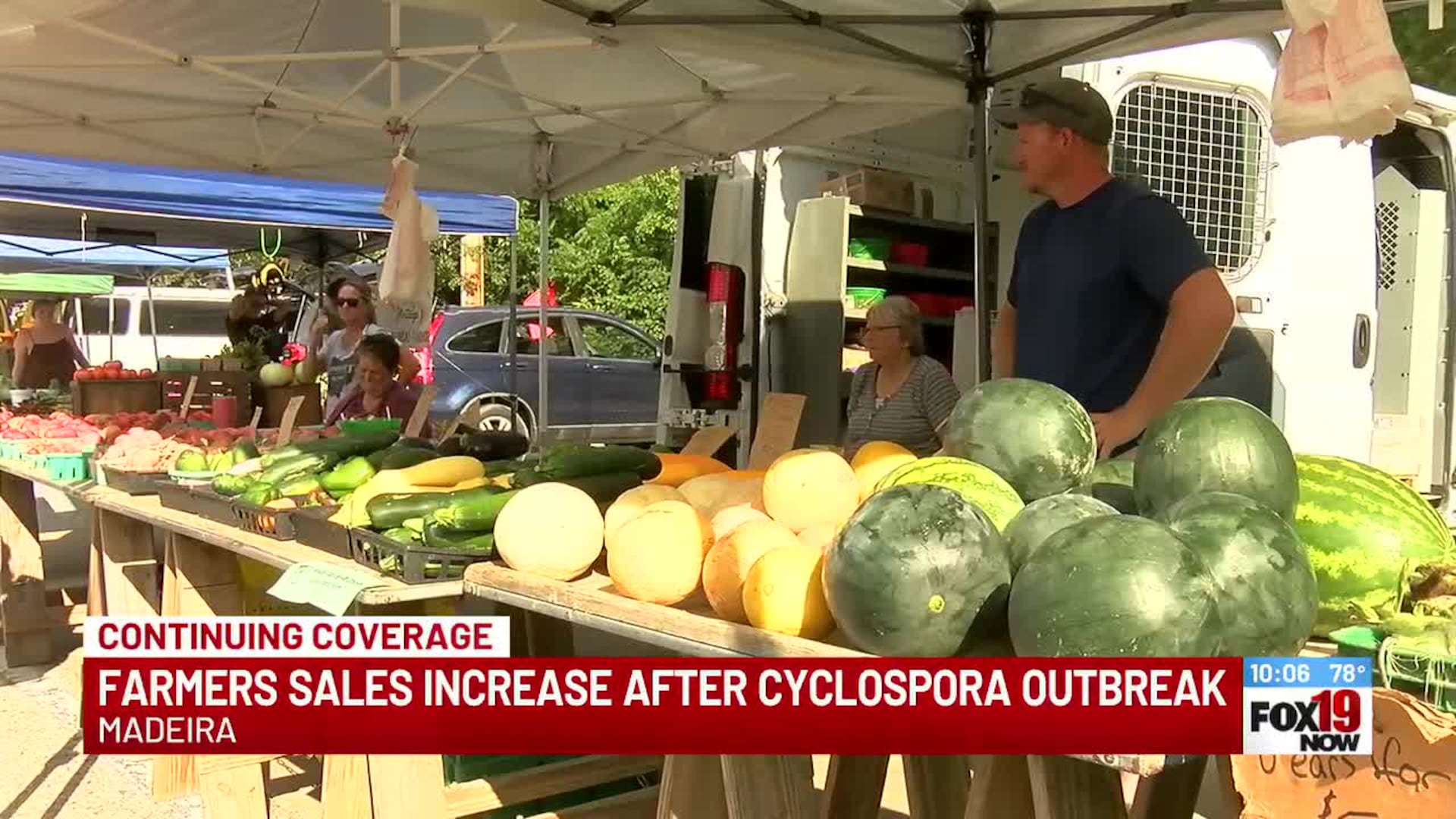
The cyclosporiasis outbreak linked to Taylor Farms' Mexican facility has created a cascading supply chain crisis affecting fresh produce sellers, restaurant operators, and food service suppliers across North America. With 1,947 confirmed cases across nine states and fresh lettuce unit sales dropping 8.7% in July alone—representing 7.6 million pounds lost compared to prior year—this food safety incident demonstrates how disease outbreaks compress margins throughout the supply chain within weeks, not months.
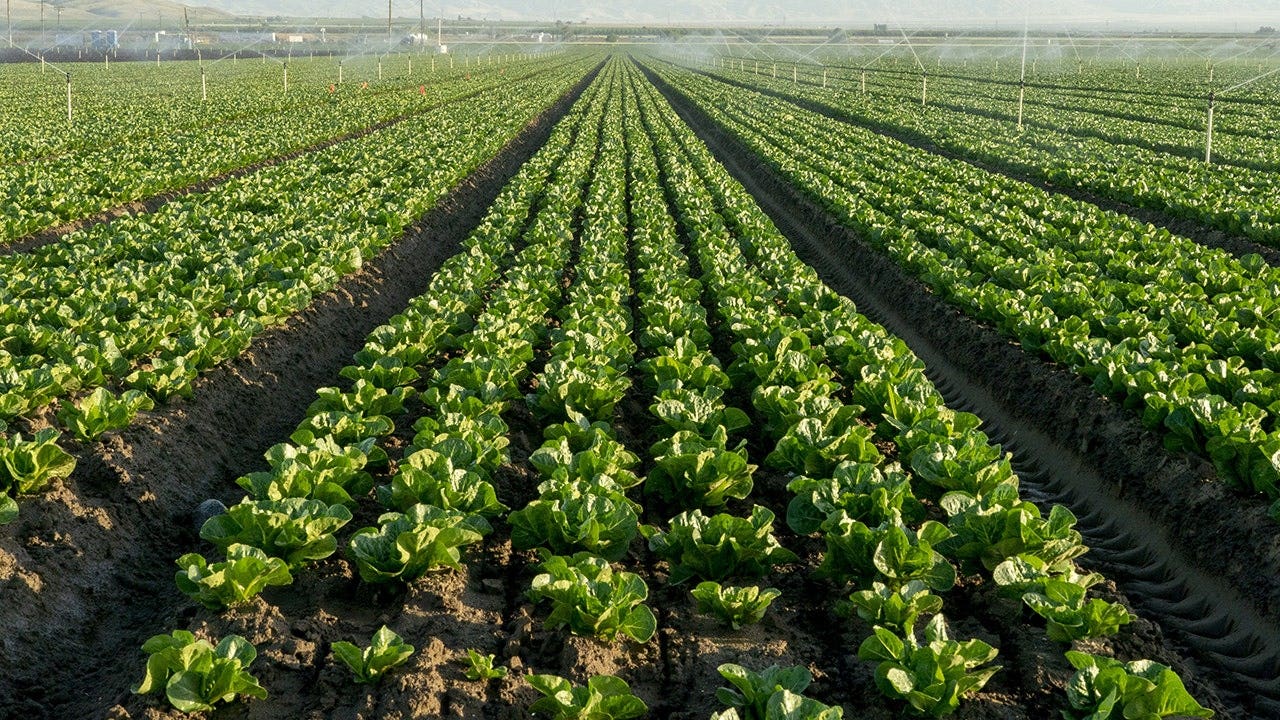
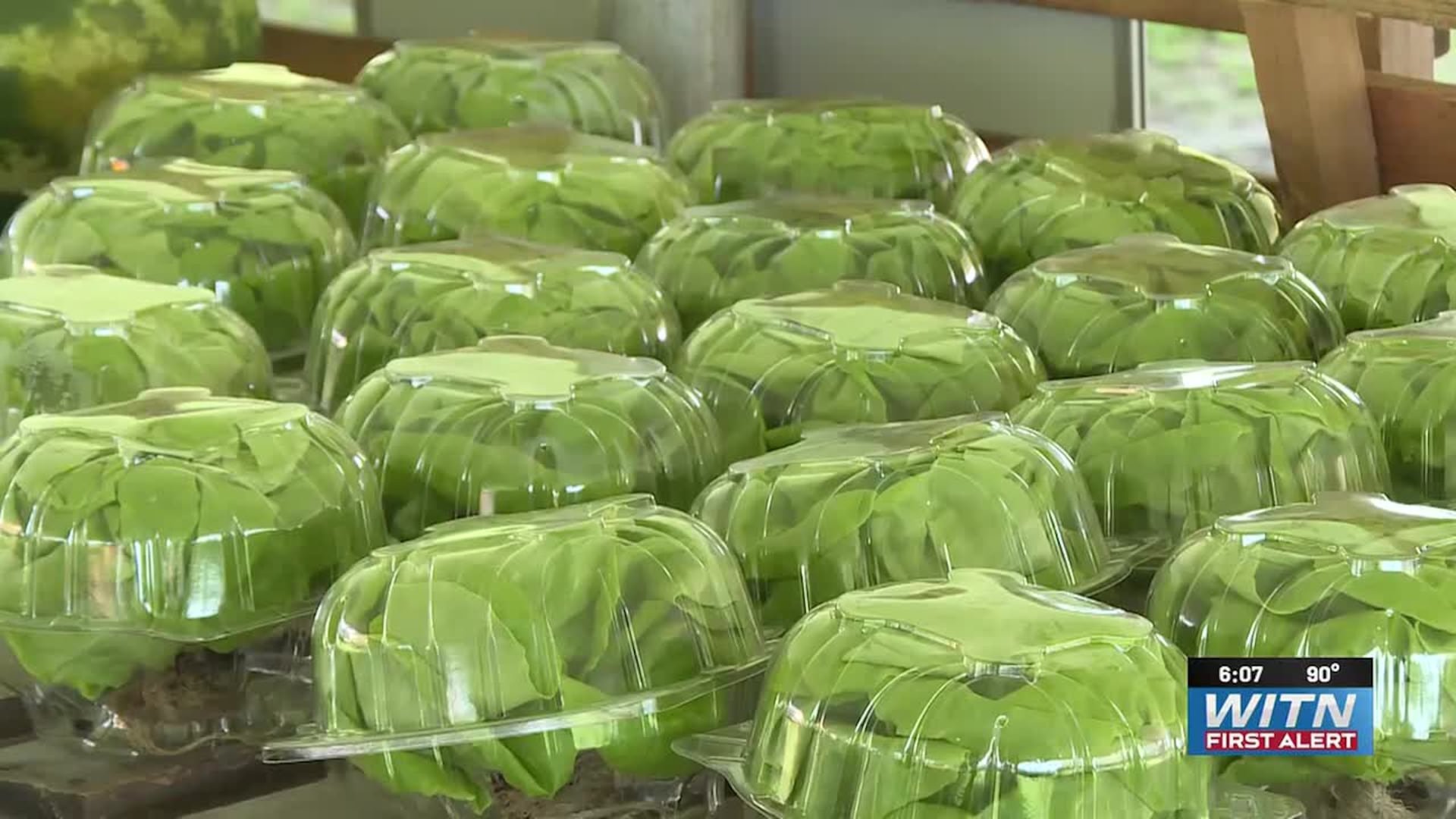
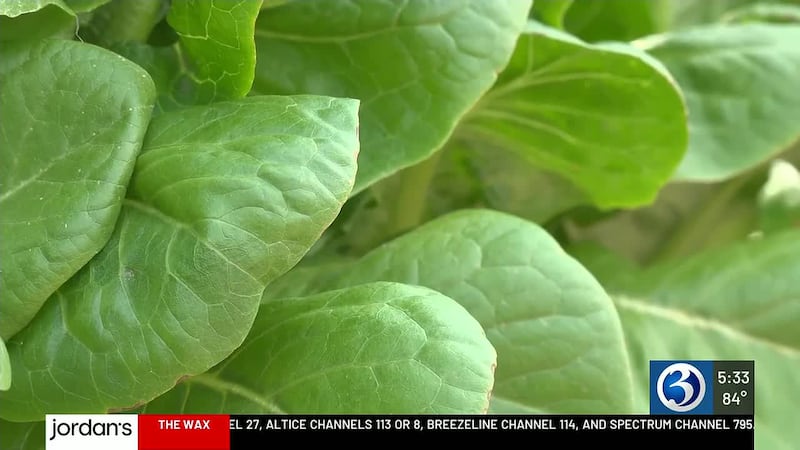
Immediate Logistics Impact: Salinas Valley, responsible for nearly 50% of America's lettuce production, faces severe demand destruction. Farmers like Larry Cox of Coastline Family Farms dumped 300,000 pounds of romaine hearts as wholesale prices collapsed. This creates a critical window for sellers to exploit cost advantages: Mexican lettuce imports face FDA scrutiny, creating 2-3 week clearance delays at US ports (San Diego, Los Angeles, Nogales), while California-grown lettuce now commands premium pricing despite quality concerns. Sellers sourcing fresh produce should immediately shift 40-60% of Q4 lettuce procurement from Mexico to California/Arizona suppliers, accepting 8-12% higher per-unit costs but gaining 5-7 day faster delivery and reduced customs clearance risk.
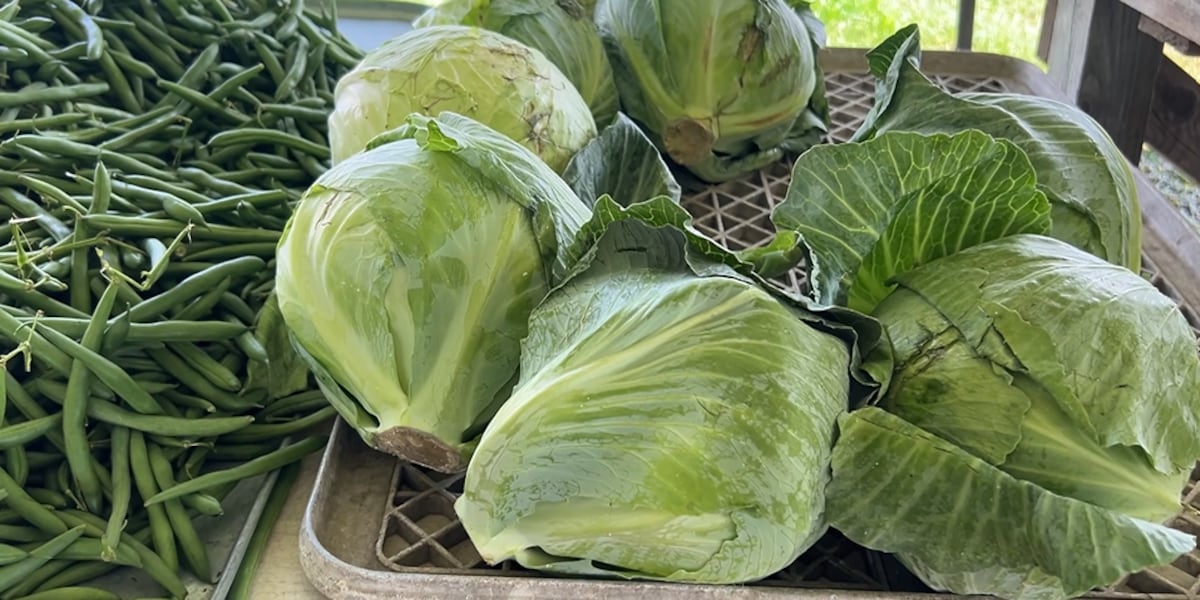
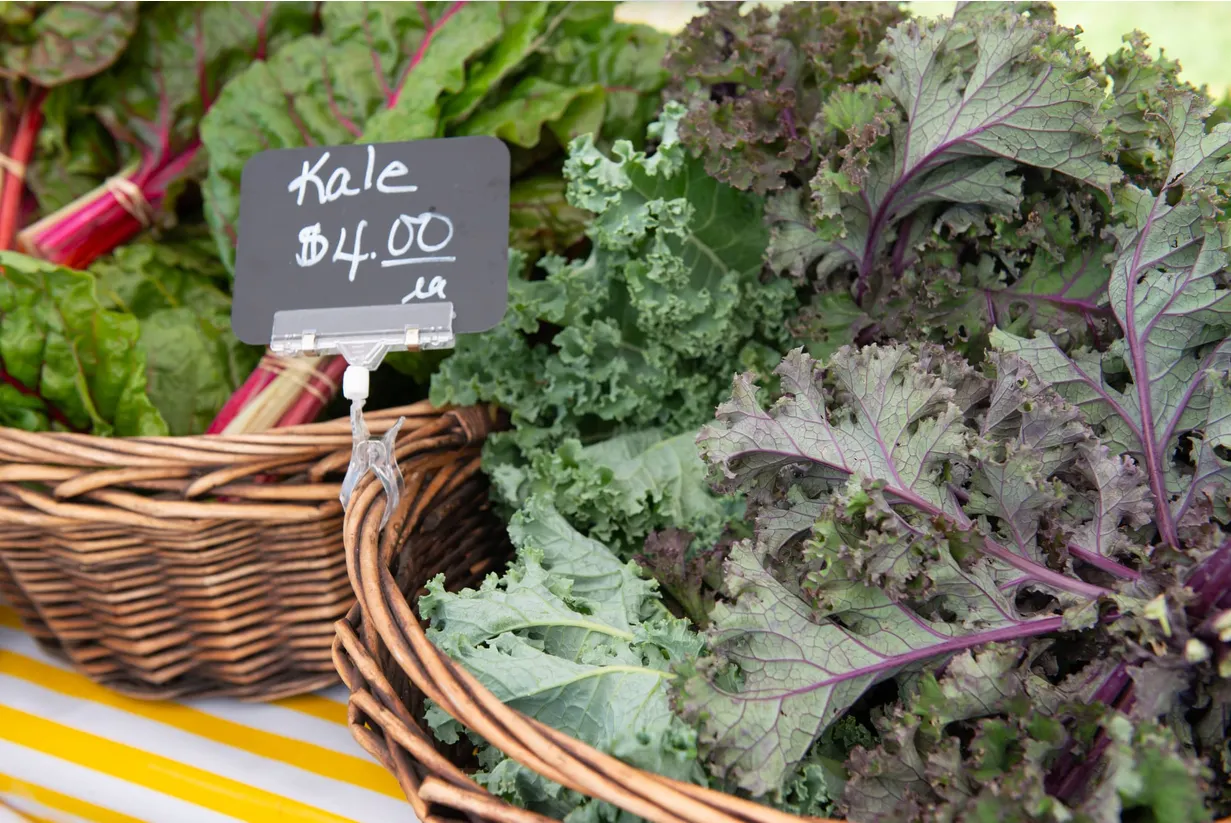
Inventory Strategy for Food Service Sellers: Restaurant chains including Taco Bell (down 21% foot traffic year-to-date) are launching steep discounts on lettuce-free menu items, signaling a 6-12 month demand suppression cycle. Sellers should immediately liquidate existing Mexican lettuce inventory through discount channels (Costco, restaurant supply wholesalers) within 14 days before spoilage accelerates losses. Simultaneously, stock 8-12 weeks of lettuce-alternative products (spinach, arugula, kale, cabbage) in regional 3PL warehouses positioned near major restaurant distribution hubs (Los Angeles, Chicago, Atlanta). Historical precedent from the 2006 E. coli spinach outbreak shows consumer avoidance can suppress category sales for 18-24 months, making inventory repositioning critical now.
Warehouse Positioning: Consolidate fresh produce inventory in temperature-controlled 3PL facilities within 200 miles of major restaurant chains and food service distributors rather than relying on port-adjacent warehouses. This reduces spoilage risk (fresh lettuce has 10-14 day shelf life) and enables faster last-mile delivery as demand patterns shift. For sellers using FBA Fresh or Amazon Whole Foods channels, expect 15-20% inventory velocity decline through Q4; reallocate capital to non-perishable categories (canned vegetables, frozen produce, salad kits) where demand is shifting as consumers avoid fresh lettuce.
Total Landed Cost Recalculation: Mexican lettuce imports now face: (1) 2-3 week FDA inspection delays adding $0.15-0.25/lb in holding costs, (2) potential tariff reclassification increasing duties 5-8%, (3) spoilage risk rising from 3-5% to 8-12% due to extended port dwell time. California sourcing costs $0.08-0.12/lb more but eliminates inspection delays and reduces spoilage to 2-3%, creating net cost parity while improving cash flow velocity by 5-7 days.
Questions 8
What is the total landed cost impact of shifting from Mexican to California lettuce sourcing?
Mexican lettuce imports now face three cost pressures: (1) 2-3 week FDA inspection delays adding $0.15-0.25/lb in holding costs, (2) potential tariff reclassification increasing duties 5-8%, and (3) spoilage risk rising from 3-5% to 8-12% due to extended port dwell time. California sourcing costs $0.08-0.12/lb more per unit but eliminates inspection delays and reduces spoilage to 2-3%, creating net cost parity while improving cash flow velocity by 5-7 days. For a typical 40,000 lb weekly lettuce order, the shift costs an additional $3,200-4,800 in unit price but saves $6,000-10,000 in inspection holding costs and $3,200-4,800 in spoilage avoidance, generating net savings of $1,600-8,000 weekly. The outbreak has created a 4-6 week window where California suppliers have capacity to absorb additional volume before Q4 peak season.
How does the outbreak affect warehouse positioning and fulfillment strategy?
Consolidate fresh produce inventory in temperature-controlled 3PL facilities within 200 miles of major restaurant chains and food service distributors rather than port-adjacent warehouses. Fresh lettuce has a 10-14 day shelf life; extended port dwell times due to FDA inspection delays (2-3 weeks for Mexican imports) create unacceptable spoilage risk. For sellers using Amazon FBA Fresh or Whole Foods channels, expect 15-20% inventory velocity decline through Q4 as consumer avoidance behavior spreads. Reallocate capital from perishable fresh produce to non-perishable categories where demand is shifting. Regional 3PL positioning enables faster last-mile delivery as demand patterns shift toward lettuce-free alternatives, reducing inventory holding costs by 12-15% compared to centralized port warehouses. This strategy also improves cash flow velocity by 5-7 days by reducing customs clearance exposure.