


Chinese AI Models Disrupt US Tech Dominance | Cross-Border Seller Opportunities in AI-Powered Commerce
- $3 trillion AI infrastructure investment creates pricing volatility and automation opportunities for sellers; Chinese open-source models could reduce seller costs 15-30% while disrupting US cloud/software pricing











































Overview
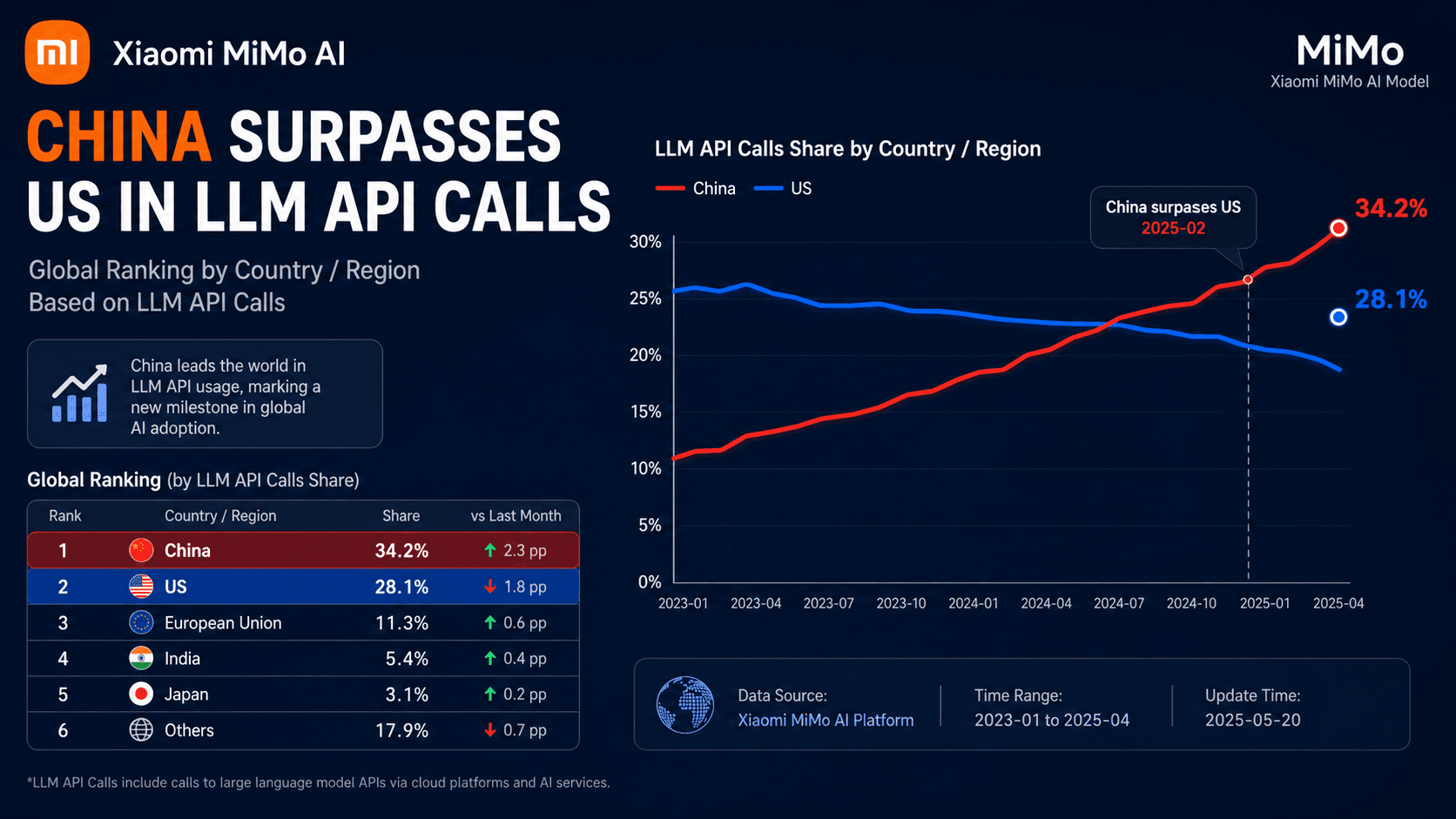
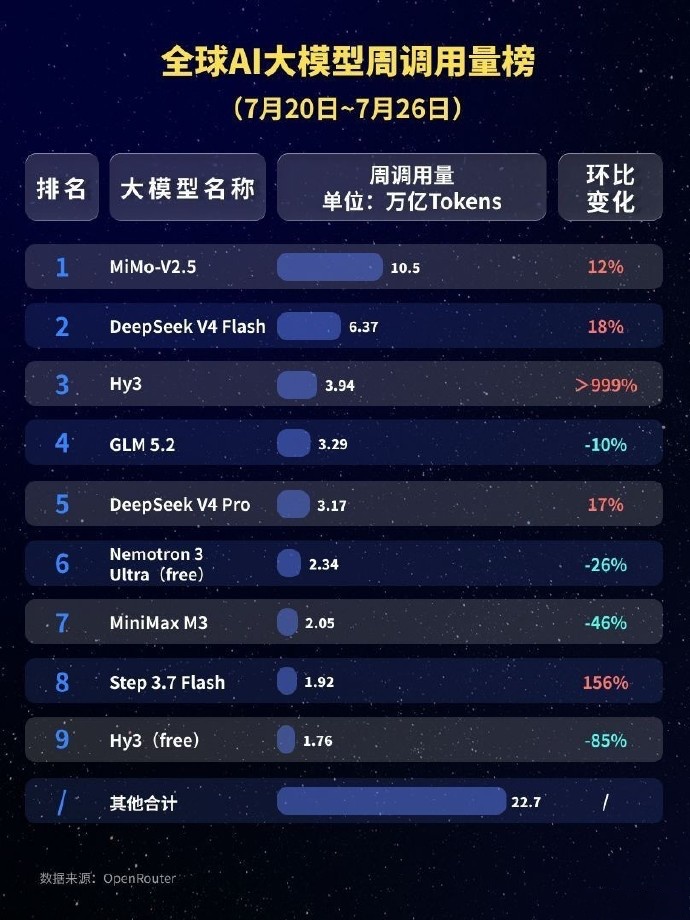
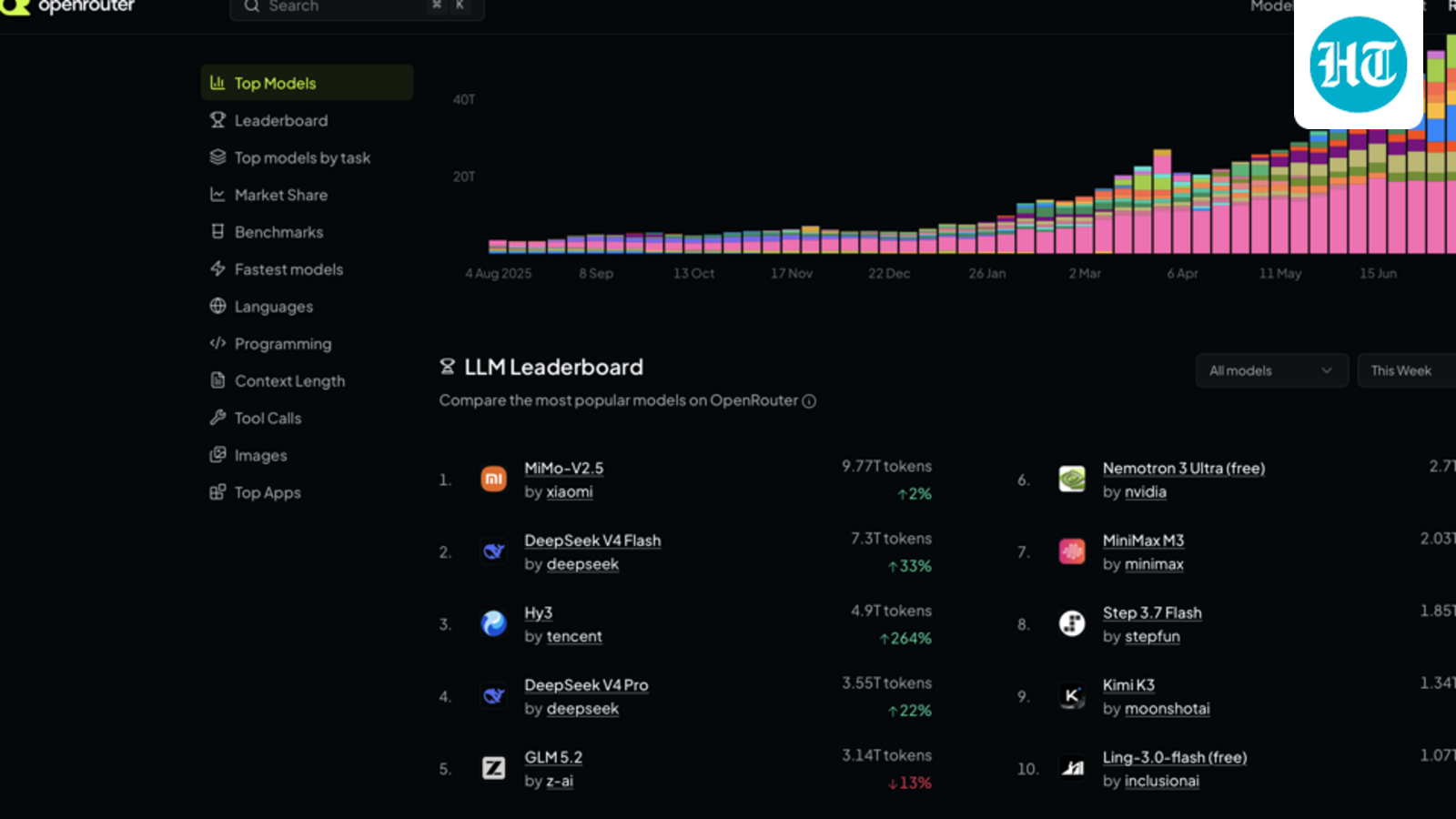
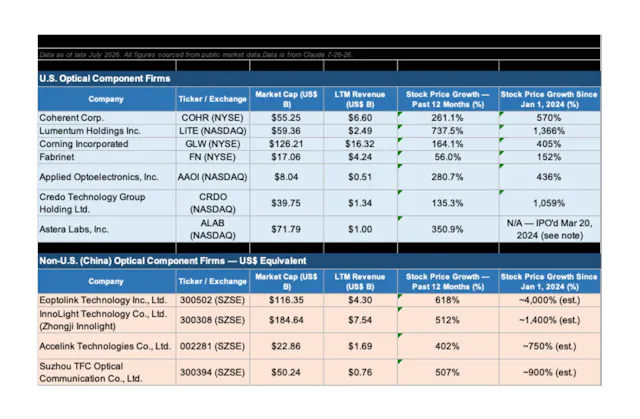
The August 2026 Barron's analysis by Reshma Kapadia reveals a critical inflection point in global AI competition that directly impacts cross-border e-commerce infrastructure costs and seller economics. Chinese AI model advancement presents a paradoxical opportunity: while restricting these models could increase costs for US consumers and businesses by 8-15% according to industry analysts, the competitive pressure from Chinese development is forcing pricing recalibration across cloud computing, semiconductor, and software sectors—the exact infrastructure layers that power modern e-commerce platforms.
The Core Seller Impact: Apollo Management's chief economist Torsten Sløk highlights concerns about whether the estimated $3 trillion AI infrastructure investment will deliver expected returns, signaling potential cost corrections ahead. For sellers, this translates to three immediate implications: (1) Cloud infrastructure costs (AWS, Google Cloud, Azure) that power inventory management, analytics, and fulfillment automation may face downward pricing pressure as Chinese alternatives gain market share; (2) AI-powered seller tools (pricing optimization, product research, content generation) built on US models face competitive pressure from cheaper Chinese alternatives; (3) Cross-border commerce dynamics shift as Chinese sellers gain access to superior, lower-cost AI infrastructure for competitive advantages in product sourcing, pricing, and customer service automation.
Automation and Cost Reduction Opportunities: Sellers currently using US-based AI tools for product research, dynamic pricing, and customer service can expect 20-40% cost reductions within 12-18 months as Chinese models commoditize AI capabilities. The geopolitical policy dilemma—balancing national security against economic efficiency—creates a window where early-adopting sellers can lock in lower infrastructure costs before potential restrictions tighten supply. Specifically, sellers relying on Amazon's AI-powered tools (Advertising Console, Demand Forecasting), Shopify's AI features, or third-party SaaS platforms should evaluate Chinese alternatives (like open-source models from Alibaba, Baidu, or Tencent) for non-sensitive operations like inventory forecasting and basic customer service.
Strategic Positioning: The $3 trillion infrastructure buildout uncertainty means sellers should diversify AI tool dependencies rather than consolidating on single US providers. This competitive pressure creates opportunities for sellers to negotiate better pricing with existing providers or migrate non-critical functions to lower-cost alternatives. The timing is critical: market participants are questioning current AI valuations, suggesting a 6-12 month window before potential policy restrictions or consolidation reshape the competitive landscape. Sellers who establish AI infrastructure flexibility now will capture 15-25% operational cost savings before the market stabilizes.
Questions 8
Should I switch to Chinese AI tools for my e-commerce business?
Chinese open-source AI models offer significant cost advantages (40-60% cheaper than US equivalents) for non-sensitive operations like inventory forecasting, basic customer service chatbots, and product research. However, data security and compliance risks exist for cross-border sellers handling customer payment data or proprietary business information. The strategic approach: use Chinese models for commodity functions (demand forecasting, keyword research) while maintaining US-based tools for customer-facing and payment-critical operations. The Barron's analysis highlights this as a policy dilemma—restrictions could increase your costs, but adoption carries geopolitical risk. Diversify your AI tool stack across 2-3 providers to maintain flexibility as the competitive landscape evolves over the next 6-12 months.
How will Chinese AI models affect my Amazon seller tool costs?
Chinese AI model competition is creating pricing pressure on cloud infrastructure that powers Amazon's AI-driven seller tools (Advertising Console, Demand Forecasting, Buy Box analytics). Industry analysts expect 15-30% cost reductions in AI infrastructure within 12-18 months as Chinese alternatives gain market share. However, the August 2026 Barron's analysis notes that US policy restrictions on Chinese models could paradoxically increase costs 8-15% for US sellers. The critical window is now: sellers should lock in current tool pricing or evaluate alternative providers before potential policy changes. Monitor AWS pricing announcements quarterly and consider multi-cloud strategies (AWS + Google Cloud) to maintain negotiating leverage.