






AI-Driven Memory Shortage Raises Gaming Hardware Costs | Seller Opportunity in Premium Electronics
- Memory chip prices surge as Samsung, Micron, SK Hynix prioritize AI datacenters; Nvidia/AMD graphics cards increase this week; sellers face 15-25% COGS inflation in electronics category






Overview
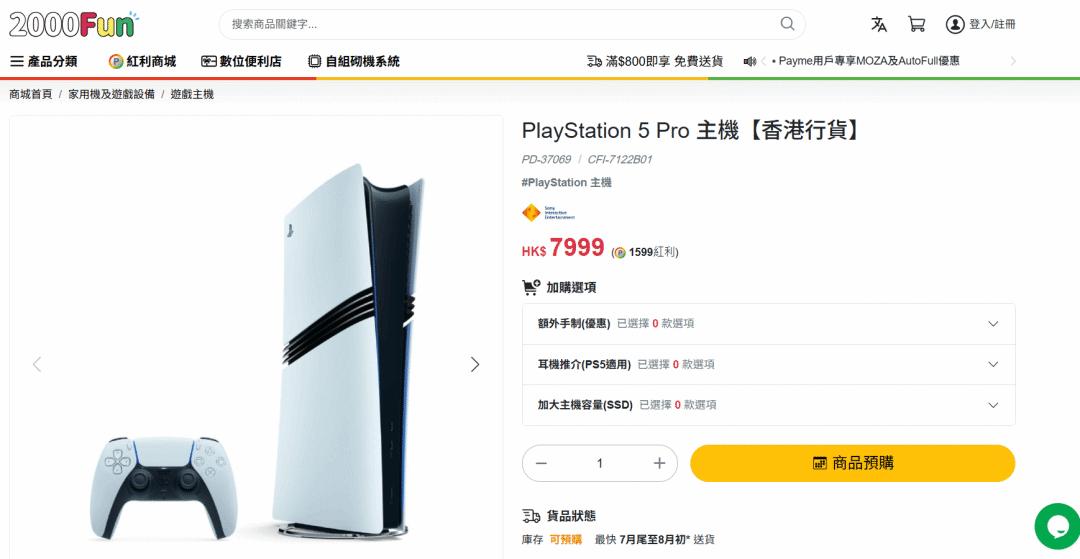
The AI-driven memory chip shortage is fundamentally restructuring the gaming hardware market, creating a permanent price floor increase that directly impacts e-commerce sellers in electronics, gaming peripherals, and consumer tech categories. Nvidia and AMD raised graphics card prices this week, while memory manufacturers Samsung, Micron, and SK Hynix have reallocated chip production from consumer gaming hardware to AI datacenters. Unlike previous supply crunches (cryptocurrency mining in 2017-2018), this crisis affects entire supply chains—impacting PlayStation 5 consoles, gaming laptops, automotive systems, and all memory-dependent devices. A class action lawsuit alleges price fixing among memory manufacturers, though resolution could take years.
For e-commerce sellers, this represents a critical margin compression event. Sellers in the electronics category (graphics cards, gaming laptops, memory modules) face 15-25% COGS increases, while competitors who locked in inventory at pre-shortage prices gain temporary Buy Box advantages. The news indicates this pricing may represent the "permanent new baseline" for gaming hardware—meaning sellers cannot expect price normalization. Nvidia's DLSS 5 (launched March 2024) and Microsoft's Gaming Copilot integration demonstrate that AI features are becoming mandatory in gaming products regardless of consumer demand, forcing sellers to stock AI-enabled products at premium price points. This creates a bifurcated market: budget-conscious buyers seeking older, non-AI hardware (opportunity for refurbished/second-hand sellers), and premium buyers forced to absorb AI-inclusive pricing.
The secondary opportunity lies in consumer sentiment analysis. News 2 emphasizes that media coverage has amplified AI concerns disproportionately to actual capabilities—suggesting marketing messaging around "AI-powered" gaming features may backfire with price-sensitive segments. Sellers should evaluate whether AI feature marketing justifies the 15-25% price premium, or if positioning products as "AI-optional" or "traditional performance-focused" creates competitive differentiation. For Amazon FBA sellers, this means inventory strategy must account for: (1) slower turnover on premium AI-enabled products due to price resistance, (2) higher storage costs due to extended holding periods, and (3) potential category-level margin compression that may trigger repricing algorithms. Sellers should monitor memory chip futures prices and consider hedging strategies through 3PL providers with bulk purchasing power.
Questions 8
Should sellers emphasize AI features in gaming product listings?
News 2 indicates media coverage has amplified AI concerns disproportionately to actual capabilities, and News 1 documents consumer backlash against AI gaming features (Nvidia DLSS 5 criticized for degraded visual quality, Microsoft Gaming Copilot providing outdated advice). Sellers should test messaging: premium buyers may justify 15-25% price premiums for AI-enabled products, while budget-conscious segments may resist 'AI-powered' positioning. Consider A/B testing listings that emphasize traditional performance metrics versus AI features to identify which messaging drives higher conversion rates and BSR improvement in your specific category.
How long will gaming hardware prices remain elevated?
Industry analysts suggest current pricing represents the permanent new baseline rather than a temporary shortage. A class action lawsuit alleges price fixing among memory manufacturers (Samsung, Micron, SK Hynix), though resolution could take years. Sellers should plan inventory and pricing strategies assuming elevated costs persist through 2025-2026. Monitor memory chip futures prices and consider hedging through 3PL providers with bulk purchasing power. Nvidia's DLSS 5 (launched March 2024) and Microsoft's Gaming Copilot integration indicate AI features will become mandatory in gaming products, forcing sellers to stock premium-priced inventory regardless of consumer preference.