


California Lettuce Supply Crisis | Fresh Produce Sellers Face 15-25% Cost Surge
- 70% of US lettuce supply disrupted; wholesale prices spike for Amazon Fresh, Instacart sellers; cross-border exporters to Canada/Mexico face margin compression








Overview
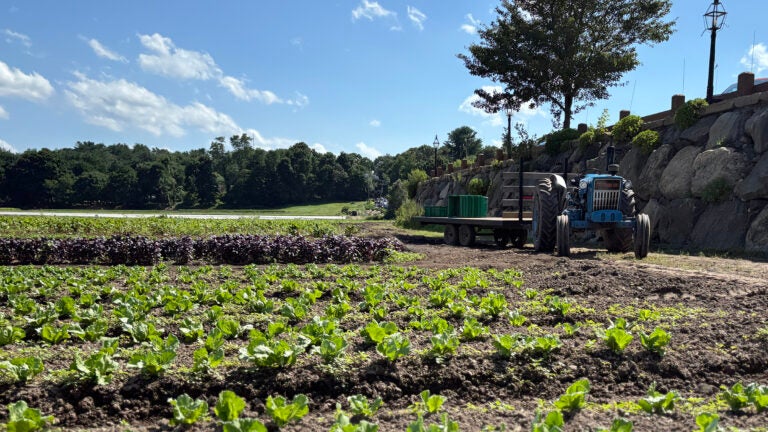
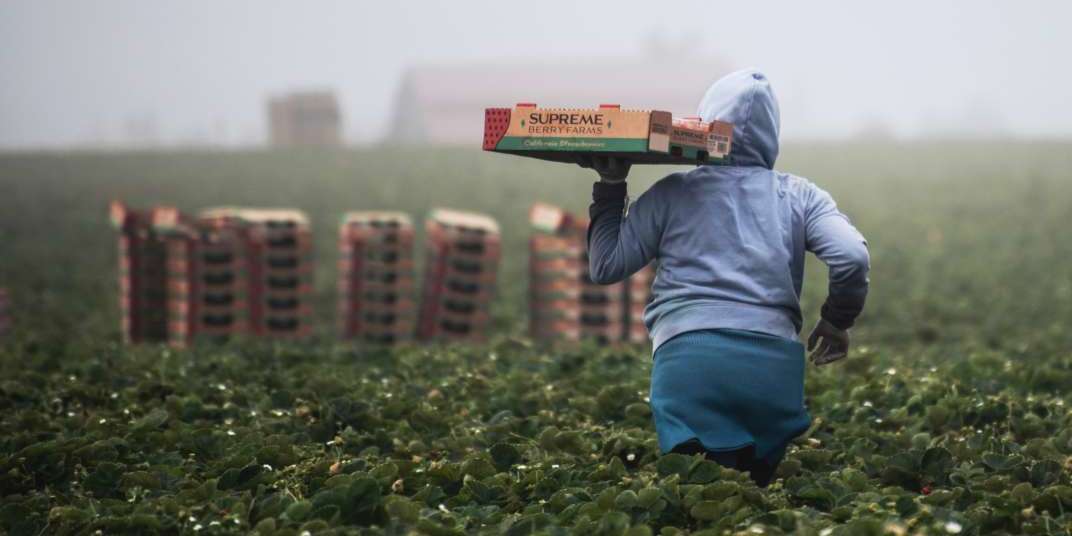
California's unprecedented decision to plow lettuce crops back into the ground represents a critical supply-chain shock for e-commerce sellers in the fresh produce sector. With California producing approximately 70% of America's lettuce supply, this regional agricultural crisis directly impacts sellers on Amazon Fresh, Instacart, and specialized agricultural marketplaces who depend on consistent California produce availability. The crisis stems from severe market oversupply, depressed commodity prices, excess production capacity, and weak consumer demand—creating a structural mismatch between supply and market absorption.
For direct produce sellers, the operational impact is immediate and severe. Sellers relying on California lettuce as a primary inventory face acute shortages and potential revenue losses. Wholesale prices for remaining lettuce inventory are expected to increase 15-25% as supply tightens, directly compressing profit margins for sellers operating on typical 20-35% gross margins in fresh produce. This is particularly acute for sellers using just-in-time inventory models who cannot quickly pivot to alternative suppliers. Amazon Fresh and Instacart sellers must immediately reassess inventory positions and supplier contracts, as reduced California supply will force them to source from secondary regions (Arizona, Florida, Mexico) at premium wholesale costs.
Cross-border agricultural exporters face significant margin erosion. Sellers exporting California lettuce to Canada, Mexico, and other trading partners will encounter increased wholesale acquisition costs, reduced product availability, and potential customs delays as supply chains reorganize. The vulnerability of just-in-time agricultural supply chains is now exposed—production decisions made 3-6 months in advance cannot adjust to demand fluctuations, forcing sellers to either diversify sourcing immediately or liquidate inventory at depressed prices. For sellers with 30-60 day inventory cycles, the window to pivot sourcing is closing rapidly.
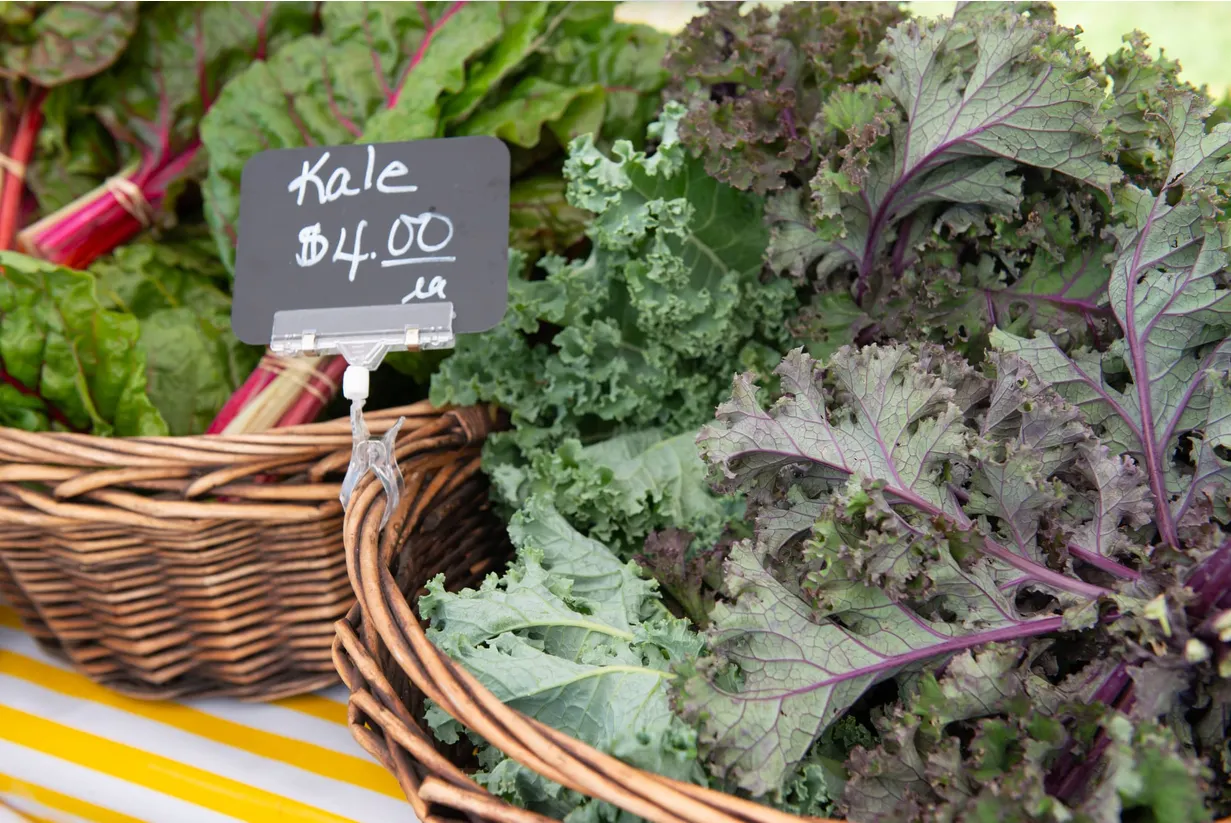
Strategic opportunities exist for sellers offering alternative produce products. The lettuce shortage creates demand pull for substitute vegetables (spinach, kale, arugula, mixed greens) and salad kits. Sellers with diversified sourcing from Arizona, Florida, Mexico, or international suppliers (Canada, Chile) can capture market share from competitors dependent on California supply. Additionally, sellers offering value-added products (pre-packaged salads, organic alternatives, specialty greens) may see demand acceleration as consumers seek alternatives to unavailable California lettuce. Warehouse positioning in distribution hubs serving major metro areas (Los Angeles, San Francisco, Chicago, New York) becomes critical for managing the supply transition.
Questions 8
What alternative produce products should sellers prioritize to capitalize on the lettuce shortage?
Sellers should immediately increase inventory of substitute vegetables and value-added products: (1) **Leafy greens**: Spinach, kale, arugula, and mixed greens face less supply pressure and command 20-30% price premiums over lettuce. (2) **Salad kits**: Pre-packaged salads with dressing and toppings generate 40-50% higher margins than raw lettuce and appeal to convenience-focused consumers. (3) **Organic alternatives**: Organic lettuce and greens face less commodity price pressure and command 50-100% price premiums. (4) **Specialty greens**: Microgreens, baby spinach, and heirloom varieties generate 60-80% margins. Sellers should shift 30-40% of fresh produce inventory allocation toward these categories within 2-4 weeks. Historical data shows substitute produce categories see 25-35% demand acceleration during supply disruptions of primary commodities.
How does this lettuce crisis expose vulnerabilities in just-in-time agricultural supply chains?
The California lettuce crisis reveals that just-in-time inventory models are fundamentally misaligned with agricultural production cycles. Production decisions for lettuce are made 3-6 months in advance based on demand forecasts, but actual market demand fluctuates weekly. When oversupply occurs, farmers cannot quickly reduce production—they must either harvest and accept depressed prices or plow crops under to reduce future supply. This creates a structural mismatch where supply adjusts with a 3-6 month lag to demand changes. For e-commerce sellers, this means: (1) Agricultural commodity sourcing requires 60-90 day demand forecasting vs. 14-30 days for manufactured goods. (2) Single-source dependency on California creates catastrophic risk during regional disruptions. (3) Sellers must maintain 20-30% safety stock in alternative sourcing relationships to buffer supply shocks. The crisis underscores that agricultural e-commerce requires fundamentally different supply chain strategies than traditional retail.