
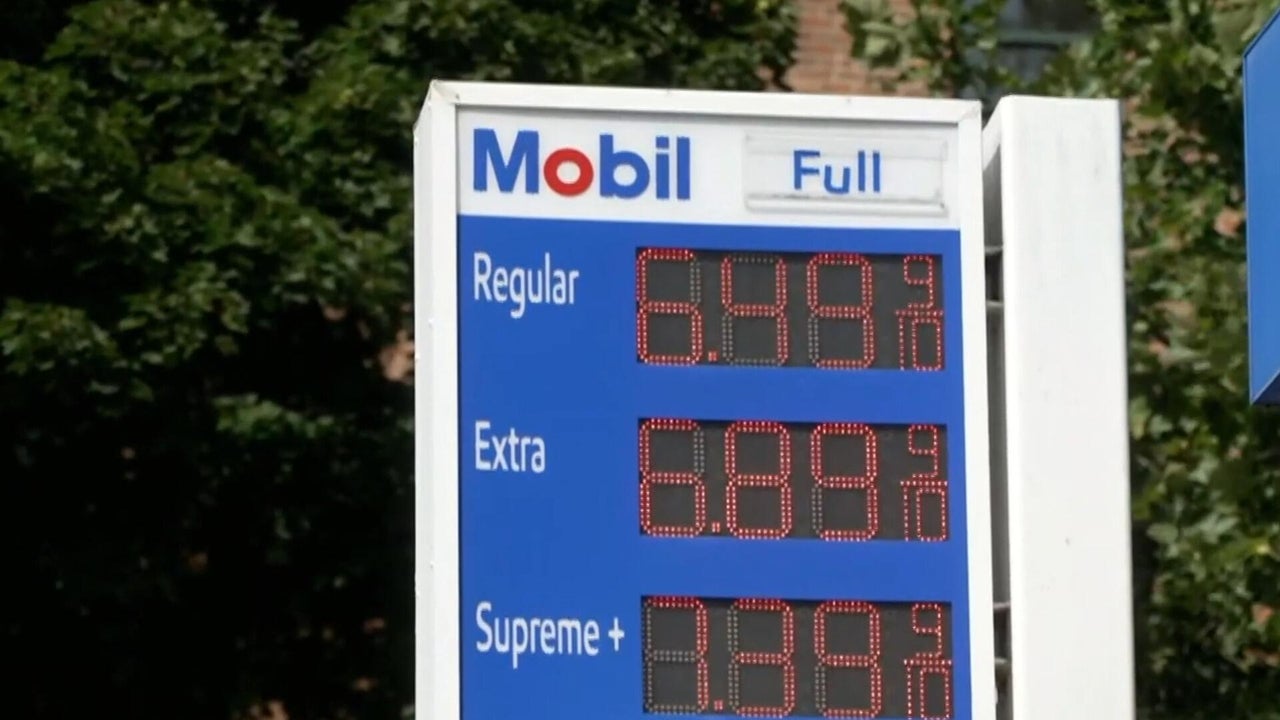


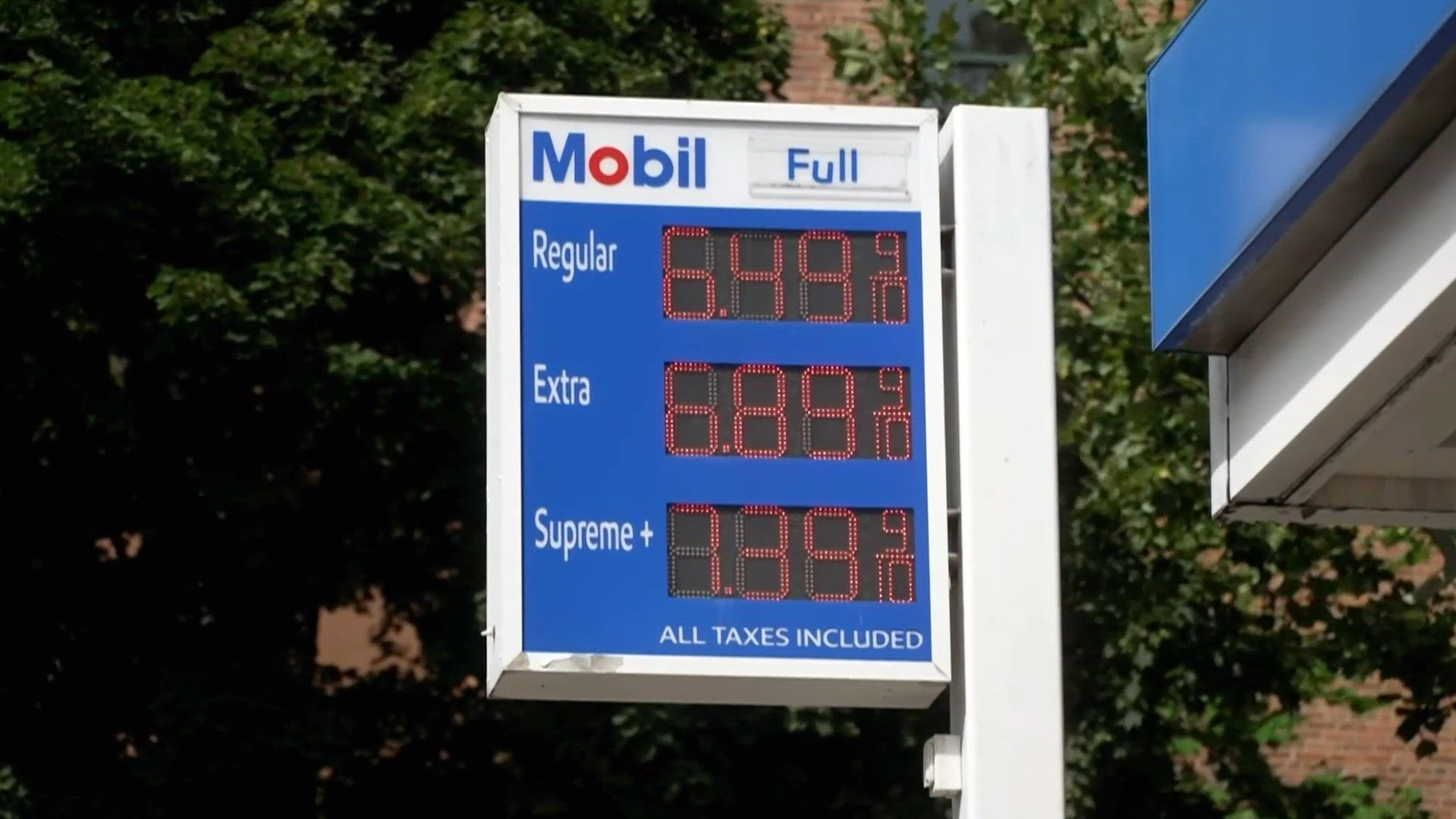
Strait of Hormuz Closure Drives 27% Oil Price Surge | Cross-Border Logistics Cost Crisis for E-Commerce Sellers
- Shipping costs spike 15-25% as crude averages $92/barrel; fulfillment networks face 5M barrel daily refining deficit; sellers must adjust pricing strategies immediately



Overview
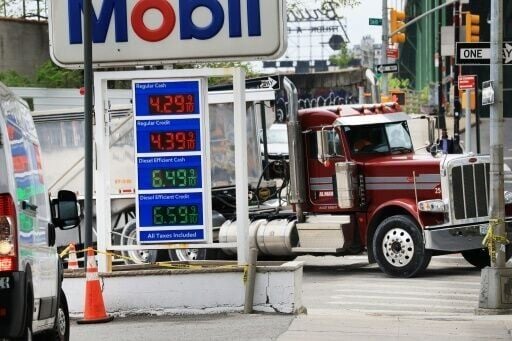
The Iran-U.S. geopolitical conflict has triggered a critical supply chain crisis for cross-border e-commerce sellers through unprecedented oil price volatility and logistics cost escalation. U.S. crude oil futures averaged $92/barrel from April-June 2026 (27% quarterly increase), peaking near $120 in early March before declining to $72 as peace negotiations advanced. This volatility directly impacts the three core cost drivers for e-commerce operations: international shipping, last-mile fulfillment, and inventory transportation. The Strait of Hormuz closure—a strategic chokepoint controlling 21% of global petroleum trade—has created a 5M barrel daily refining deficit with 100+ million barrel inventory shortage, fundamentally disrupting logistics networks that depend on fuel-efficient operations.
For cross-border sellers, the operational impact is immediate and quantifiable. FBA sellers shipping from China to US fulfillment centers face 15-25% increases in ocean freight costs, translating to $150-400 additional monthly expenses for mid-sized operations (500-1000 unit monthly volume). Air freight premiums have widened even more dramatically, making expedited shipping economically unviable for low-margin categories (apparel, home goods, accessories). Valero Energy's refining segment profits surged 500% while Chevron's refining earnings jumped 400%, indicating refiners are passing margin expansion directly to logistics providers and ultimately to sellers through carrier surcharges. The 3PL and fulfillment network sector faces acute pressure: with global refining capacity constrained, warehouse-to-customer delivery times have extended 3-5 days in peak regions (California, Texas, New Jersey), forcing sellers to either absorb delays or pay premium expedited fees.
Strategic sourcing and pricing adjustments are now critical survival mechanisms. Sellers relying on just-in-time inventory models from Asia face compounded risks: extended ocean transit times (now 35-42 days vs. historical 28-32 days) combined with higher fuel surcharges create working capital strain. Categories with thin margins (electronics under 15% gross margin, apparel under 20%) face margin compression of 3-8 percentage points. Conversely, sellers in higher-margin categories (beauty, supplements, specialty foods at 35-50% margins) have pricing flexibility to pass through 5-10% cost increases while maintaining competitiveness. The peace negotiation window—triggered by Trump's comments about Strait of Hormuz reopening—created a 5% price decline over one week, signaling that geopolitical resolution could reverse these cost pressures within 2-4 weeks. Sellers must monitor Strait of Hormuz status and OPEC production announcements as leading indicators for logistics cost trajectory.
Immediate competitive advantages emerge for sellers with diversified sourcing and regional fulfillment strategies. Sellers maintaining inventory in Vietnam, India, or Mexico-based suppliers face 20-30% lower fuel surcharge exposure compared to China-dependent operations, as alternative sourcing routes bypass the Strait of Hormuz entirely. Domestic US sellers with regional 3PL networks (avoiding long-haul trucking) see 8-12% cost advantages over centralized fulfillment models. The volatility window (current through Q4 2026) creates tactical opportunities: sellers who lock in long-term shipping contracts now at current rates (before potential peace-driven price declines) or shift to slower, cheaper ocean freight for non-urgent inventory can recover 10-15% logistics cost savings once geopolitical tensions ease.
Questions 8
Which product categories are most vulnerable to logistics cost compression?
Electronics (10-15% gross margins), apparel (15-20%), and home goods (12-18%) face the highest margin compression risk from 3-8 percentage point cost increases. Beauty, supplements, and specialty foods (35-50% margins) have pricing flexibility to absorb 5-10% cost increases while maintaining competitiveness. Sellers in low-margin categories must either reduce unit volume, shift to slower/cheaper ocean freight, or increase prices 5-8% to maintain profitability. The news reports that Chevron's refining segment profits surged 500%, indicating refiners are aggressively passing costs downstream. Consider category-specific strategies: apparel sellers might shift to slower 45-day ocean freight; electronics sellers should evaluate regional fulfillment to reduce long-haul trucking exposure.
Should I diversify sourcing away from China to reduce geopolitical risk?
Yes—Vietnam, India, and Mexico-based suppliers face 20-30% lower fuel surcharge exposure compared to China-dependent operations because alternative sourcing routes bypass the Strait of Hormuz entirely. The news indicates the Strait of Hormuz closure is creating a 100+ million barrel inventory deficit, making this chokepoint a persistent vulnerability. Sellers maintaining dual-sourcing strategies (70% China, 30% Vietnam) can reduce logistics cost volatility by 8-12% while maintaining supply flexibility. However, Vietnam sourcing typically adds 5-7% product cost premium and 2-3 week lead time extension. Evaluate this trade-off: if your category has 25%+ margins, the diversification premium is justified; if margins are under 20%, concentrate on China sourcing but lock in long-term shipping contracts now at current rates.