



Korean Won Surges 8.81% in July 2024 | Critical FX Arbitrage & Pricing Strategy for Cross-Border Sellers
- Won strengthens from 1,549.4 to 1,424 per USD (125.4 won drop); SK Hynix $26.5B ADR repatriation drives 7.5% monthly gain; sellers face margin compression and export competitiveness challenges












Overview
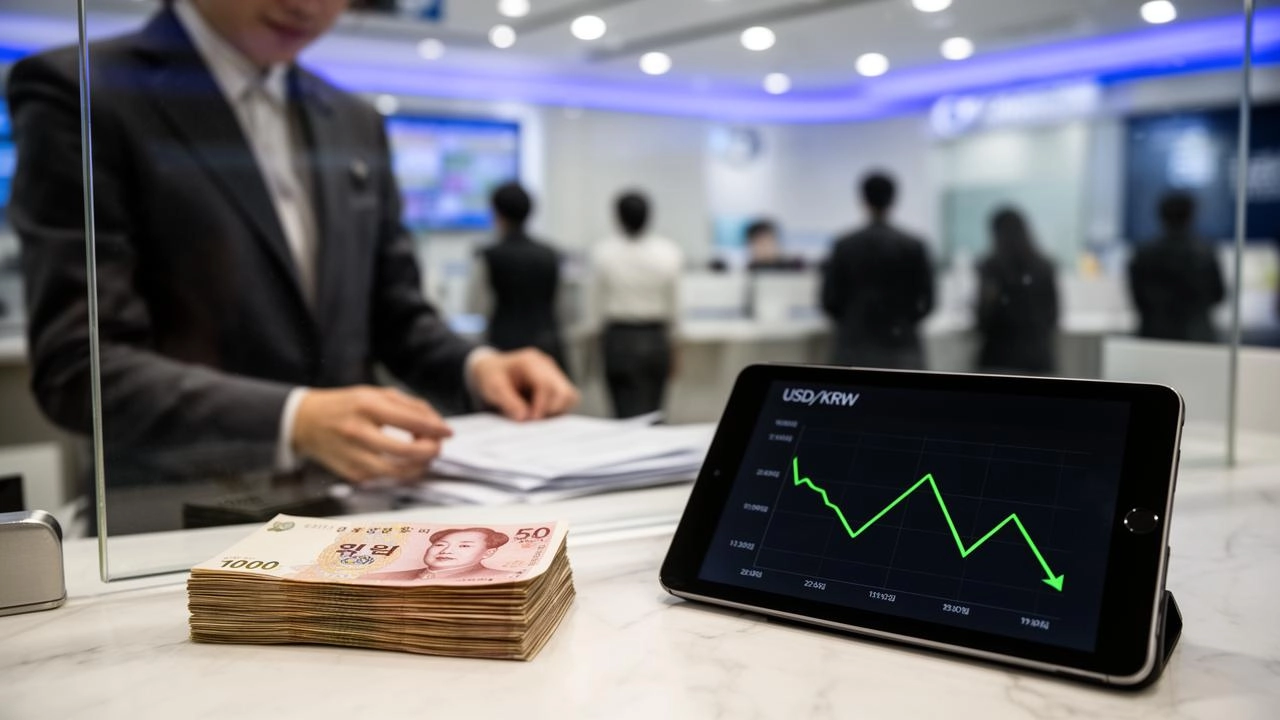
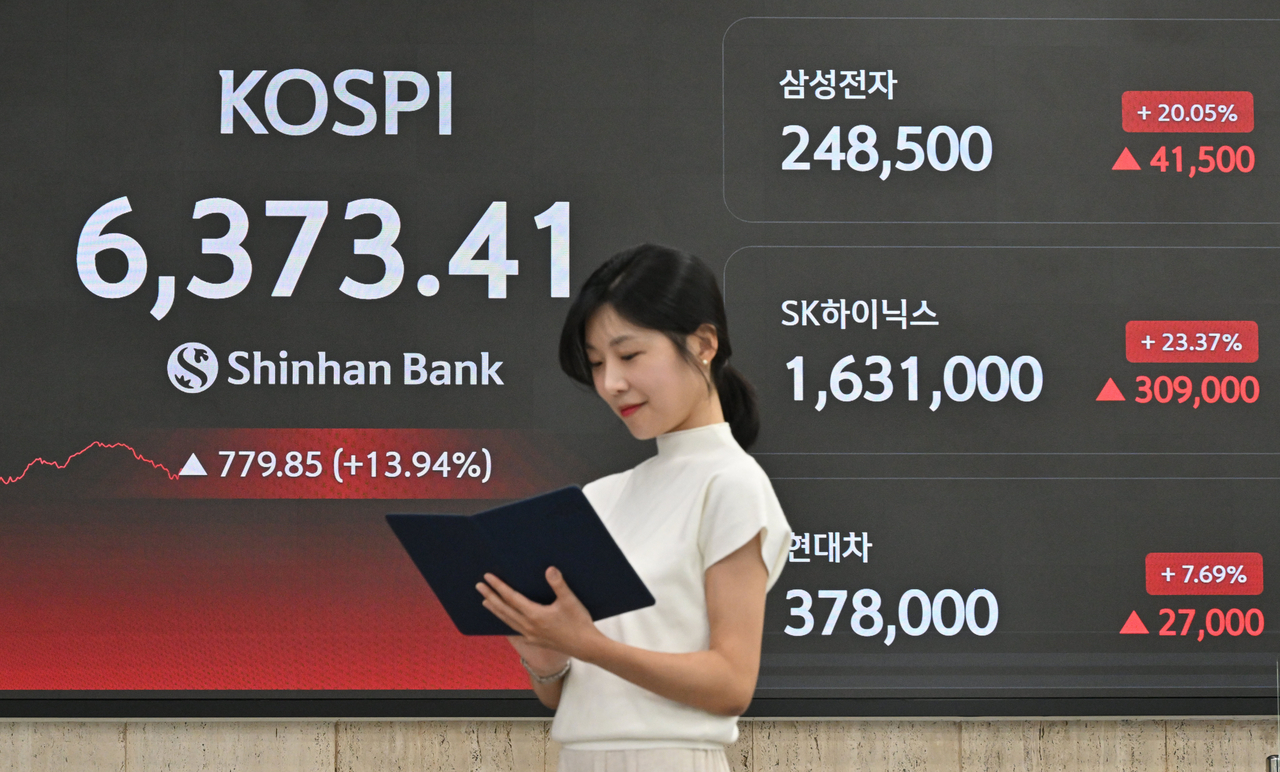
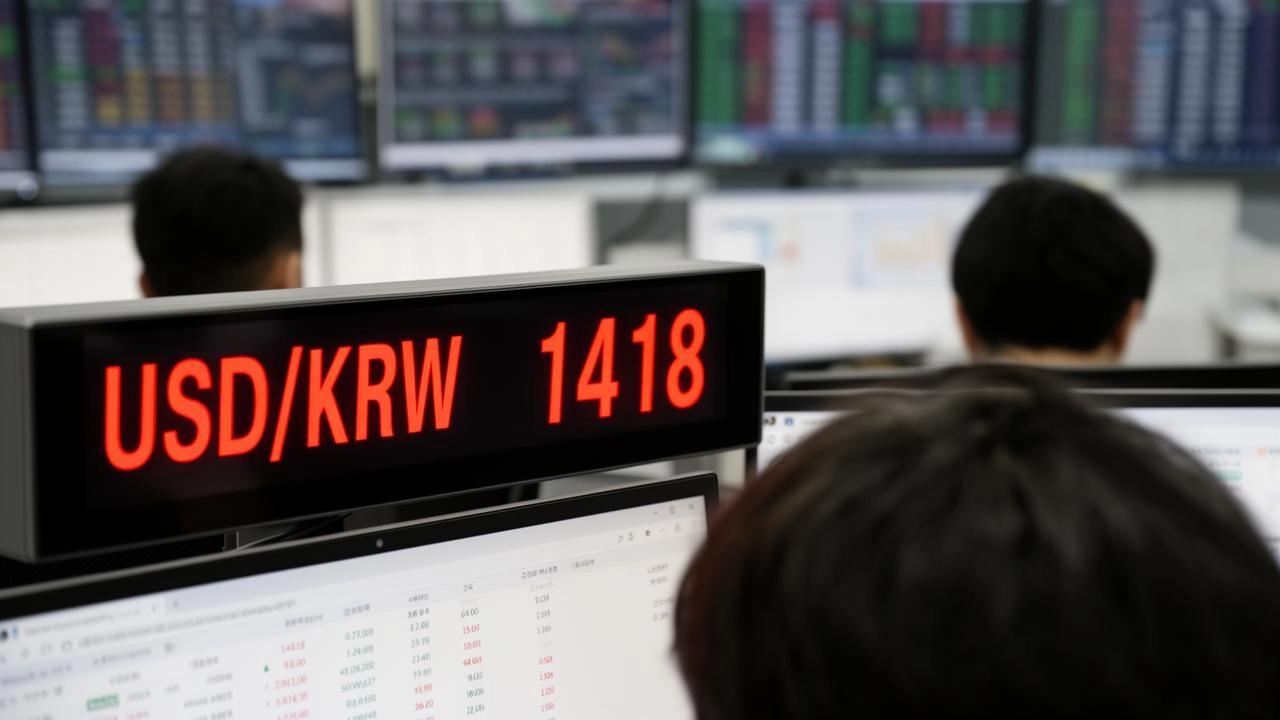
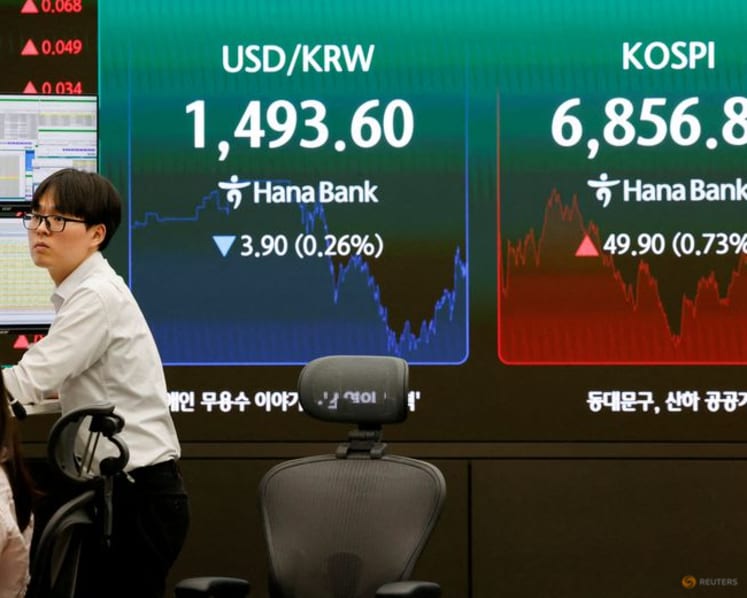
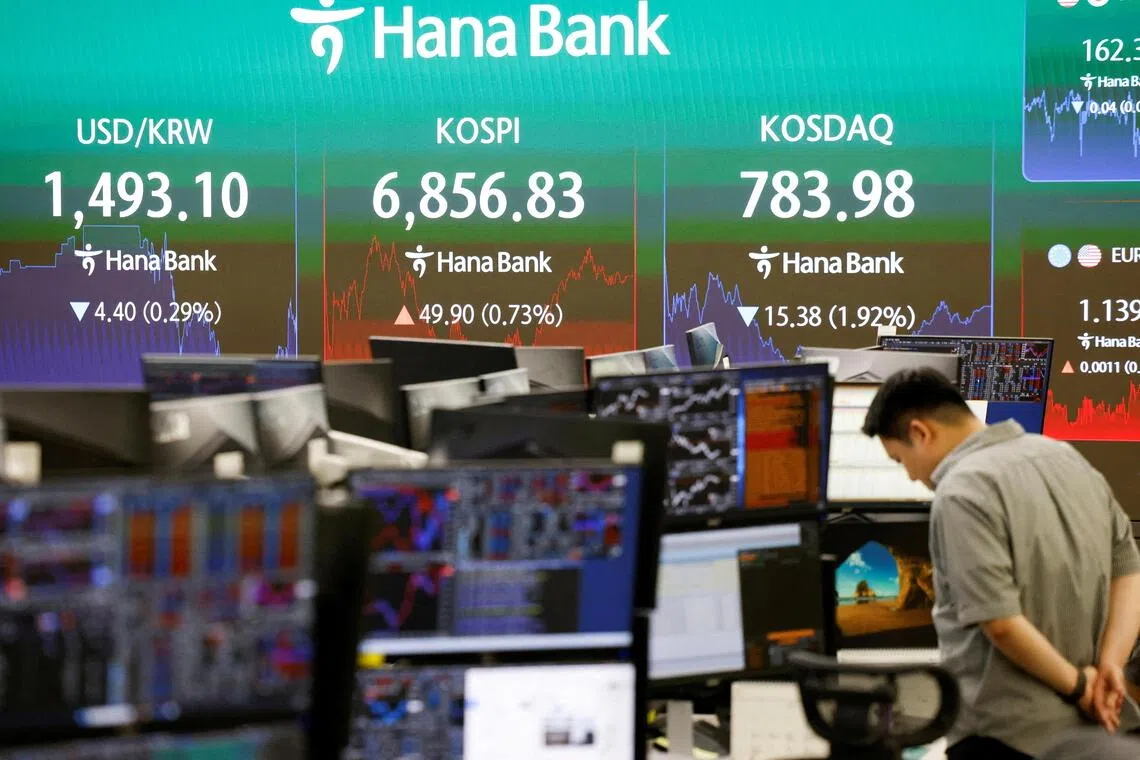
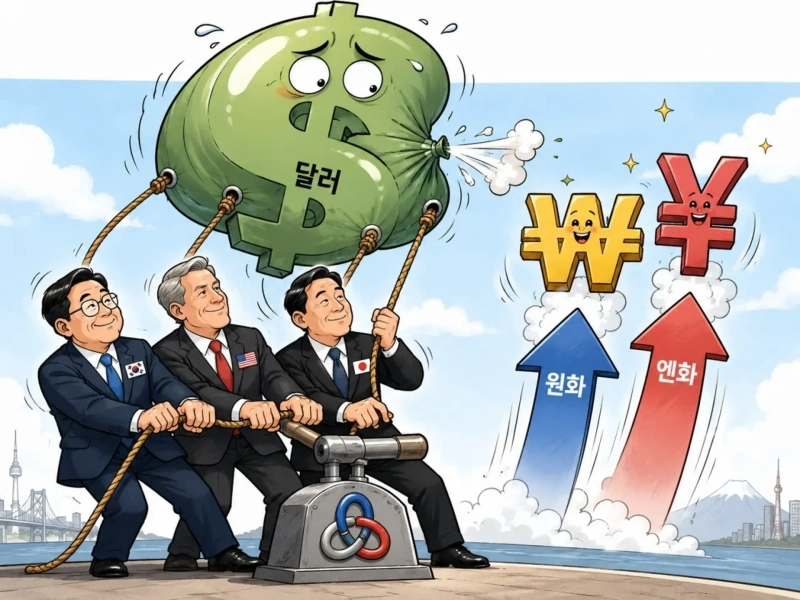
The Korean won experienced its strongest monthly appreciation since the 2008-2009 financial crisis in July 2024, surging 8.81% against the U.S. dollar as the exchange rate fell from 1,549.4 won per dollar (end of June) to 1,424 won per dollar (July 31). This represents a 125.4 won drop—the largest monthly decline since March 2009's 150.5 won decrease. The currency rebound was primarily driven by three interconnected financial flows: (1) SK Hynix's successful American Depositary Receipt (ADR) offering on Nasdaq in July, which raised approximately 40 trillion won ($26.5 billion), with the chipmaker converting portions of proceeds into won upon repatriation to Korea; (2) major Korean exporters accelerating dollar sales by converting overseas earnings into won, capitalizing on strong semiconductor export performance; and (3) rare coordinated currency intervention on July 31, 2024, where Japan and South Korea executed simultaneous market support, with Japan spending approximately $58.97 billion buying yen while South Korean authorities sold dollars to support the won.
For cross-border e-commerce sellers, this won appreciation creates a dual-edge financial impact with immediate pricing and cash flow implications. Sellers exporting FROM South Korea face margin compression: a stronger won increases the cost of Korean-origin products (electronics, semiconductors, beauty products, apparel) for international buyers, reducing competitiveness in USD-denominated markets. Specifically, a seller pricing Korean cosmetics at $50 USD equivalent now requires 71,200 won (at 1,424 rate) versus 77,470 won (at 1,549.4 rate)—a 7.9% reduction in won-denominated revenue per unit sold. Conversely, sellers importing INTO South Korea or holding won-denominated costs face increased expenses: dollar-denominated supplier payments, logistics fees, and platform fees now cost more in won terms. The Bank of Korea's July 16 rate increase of 25 basis points to 2.75% narrowed interest rate differentials with the United States, easing capital outflow concerns but signaling potential further rate hikes as early as September, which could sustain won strength through Q3 2024.
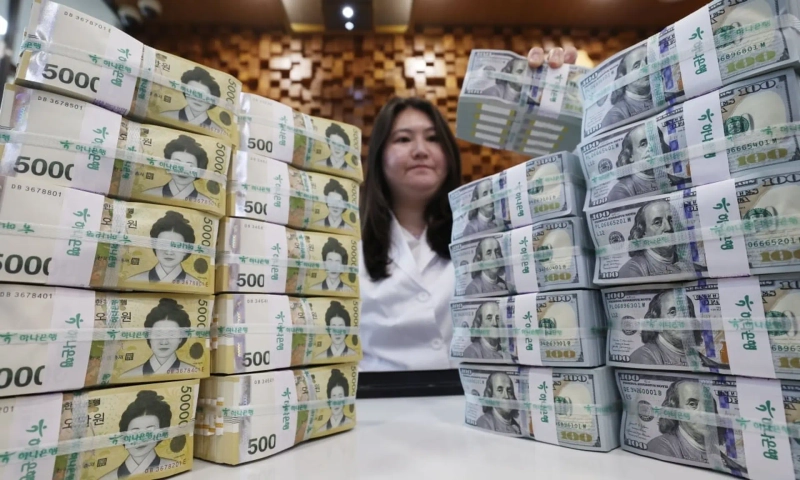
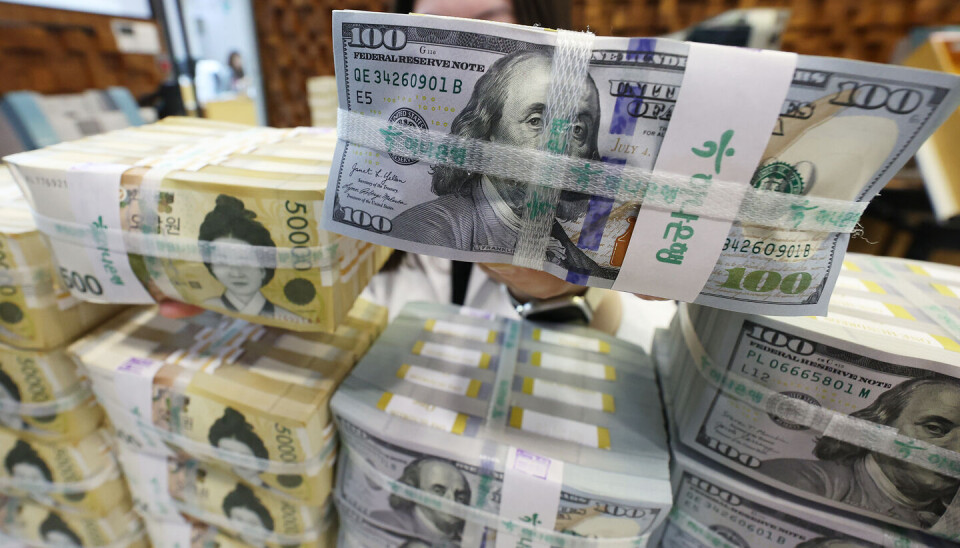
The currency movement reveals critical working capital and financing opportunities for sellers with dollar exposure. Individual Korean investors capitalized on favorable exchange rates, with dollar purchases through five major banks totaling 285 million dollars in July—a 74% increase from June's 164 million dollars. This signals retail-level recognition of won strength as a temporary peak, creating a 30-60 day window for sellers to execute FX hedging strategies. Dollar deposit balances at Korean banks reached 74.416 billion dollars by end-July, the highest level in three years and seven months, indicating institutional positioning for potential won weakness reversal. Analysts project continued won strength through August with fair-value estimates suggesting 1,410-1,560 won per dollar for the second half of 2024, but caution that strength may prove temporary if U.S. interest rate hikes resume or Korean retail investors increase overseas equity investments, potentially reviving dollar demand. The final week of July (27-31) saw the exchange rate fall 42.6 won—the largest weekly decline in approximately three years and eight months—suggesting volatility may persist as market participants reposition.
For payment optimization, sellers should immediately evaluate corridor-specific payment providers: Korean exporters can lock in favorable won conversion rates through forward contracts with Korean banks (typical 0.5-1.2% hedging costs) before potential rate reversal. Sellers importing to Korea should accelerate dollar purchases during this appreciation window, converting to won at favorable rates before the Bank of Korea's potential September rate hike reverses currency direction. Cash conversion cycle improvements are achievable through invoice financing and supply chain finance products targeting Korean exporters: Korean trade finance providers are actively offering PO financing and receivables factoring at 4-6% APR for exporters with strong dollar-denominated orders, capitalizing on the temporary won strength window to lock in favorable financing terms before potential rate changes.
Questions 8
How does the Korean won's 8.81% July appreciation affect sellers exporting Korean products internationally?
Won appreciation directly reduces export competitiveness by increasing product costs for foreign buyers. A seller exporting Korean electronics priced at $100 USD now requires 142,400 won in production costs (at 1,424 rate) versus 154,940 won (at 1,549.4 rate)—a 7.9% revenue reduction per unit in won terms. This margin compression is immediate and affects all Korean-origin product categories: semiconductors, beauty products, apparel, and consumer electronics. Sellers must either absorb margin losses, increase USD prices (risking sales volume), or accelerate inventory conversion before potential won weakness reversal. The Bank of Korea's July 16 rate hike to 2.75% signals potential further appreciation through September, creating urgency for pricing strategy adjustments within 2-4 weeks.
What FX arbitrage opportunities exist for sellers with dollar exposure during won strength?
The won's 8.81% monthly surge creates a 30-60 day arbitrage window before potential reversal. Sellers should execute forward contracts with Korean banks to lock in favorable won conversion rates (typical 0.5-1.2% hedging costs) on dollar-denominated revenues. Individual Korean investors purchased 285 million dollars in July (74% increase from June), signaling retail recognition of won strength as temporary. Fair-value estimates suggest 1,410-1,560 won per dollar for H2 2024, implying 1.2-4.4% downside from July 31's 1,424 rate. Sellers can profit by: (1) converting dollar revenues to won at 1,424 rate via forward contracts, (2) waiting for won weakness to 1,450-1,500 range, (3) converting back to dollars at favorable rates. This strategy unlocks 2-4% working capital gains on $1M+ dollar balances over 60-90 days.