



Trade Finance Fraud Crisis Signals Stricter Compliance for Cross-Border Commodity Sellers
- Document verification failures at $12B iron ore trader expose systemic risks affecting supply chain financing for all commodity-dependent e-commerce sellers

Overview
The Radiant World document falsification scandal represents a critical inflection point for cross-border e-commerce sellers reliant on commodity supply chains and trade financing. Radiant World, which handled approximately $12 billion in annual revenue and tripled its net worth over five years, faces allegations of providing falsified invoices and shipping documentation to secure bank financing. Major commodity traders Vitol Group, Cargill, and Glencore have suspended or severed business relationships following the July 31, 2026 discovery, while financial institutions including Intesa Sanpaolo (€200 million/$231 million exposure) and Jefferies' Point Bonita fund ($300 million exposure) are reassessing positions. As many as two dozen banks and creditors face potential exposure.
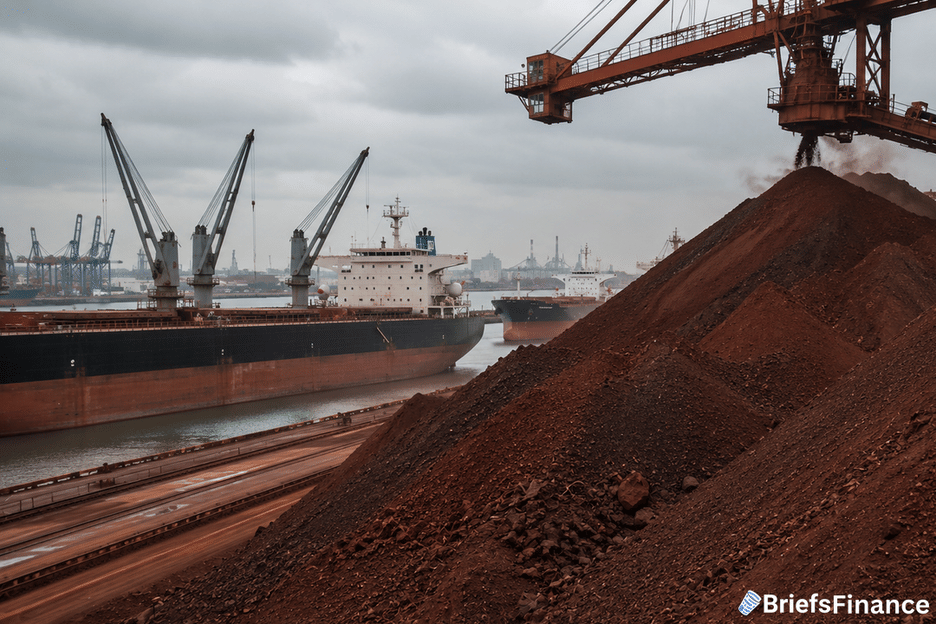
For e-commerce sellers, this crisis directly impacts supply chain financing and sourcing reliability. Sellers importing raw materials, steel products, construction supplies, industrial equipment, and any commodity-dependent goods face immediate consequences: (1) Tightened trade financing standards - Banks will now demand enhanced documentation verification, increasing compliance costs 15-25% for sellers using letters of credit or supply chain financing; (2) Supplier reliability risks - Commodity traders facing credit freezes may reduce inventory, creating supply shortages and price volatility for sellers sourcing iron ore-dependent products (steel tools, machinery, automotive parts); (3) Increased due diligence requirements - Sellers must now verify supplier documentation authenticity, adding 5-10 business days to procurement cycles.
The operational impact cascades through multiple seller segments. Small-to-medium sellers (SMEs) importing from Asia-Pacific suppliers will face the highest friction, as they typically rely on trade financing and have limited resources for enhanced compliance verification. Large sellers with established banking relationships and internal compliance teams can absorb costs more easily. The scandal specifically threatens sellers in industrial categories (HS codes 7208-7326 for steel products, 7401-7408 for copper, 2601-2617 for ores) where commodity traders are critical intermediaries. Immediate actions required: Sellers should audit supplier documentation standards, diversify sourcing away from single-trader dependencies, and establish direct relationships with primary producers or certified trading houses. The 30-60 day window before banking standards fully tighten represents the last opportunity to lock in favorable financing terms before compliance costs increase substantially.
Questions 7
What are the compliance risks if I continue using unverified commodity suppliers?
Continuing to source from commodity traders without enhanced documentation verification exposes sellers to multiple risks: (1) Trade financing denial—banks will reject letters of credit from suppliers with unverified documentation; (2) Customs delays—customs authorities are increasingly scrutinizing commodity imports following the Radiant World scandal; (3) Reputational damage—platforms like Amazon and eBay may flag sellers sourcing from high-risk suppliers. The scandal involved as many as two dozen banks and creditors with exposure, indicating widespread industry concern. Sellers should audit their current suppliers immediately and implement third-party verification protocols within 30 days to avoid financing complications and customs delays.
How can small sellers compete if compliance costs increase 15-25%?
Small sellers can mitigate increased compliance costs through three strategies: (1) **Supplier consolidation**—reduce the number of suppliers and negotiate volume discounts that offset compliance costs; (2) **Cooperative financing**—join seller networks or trade associations that negotiate group rates with banks for enhanced due diligence; (3) **Direct producer relationships**—establish direct relationships with primary producers in Vietnam, India, or Indonesia, which often have lower MOQs than commodity traders and better documentation transparency. The Radiant World scandal will accelerate consolidation among commodity traders, creating opportunities for sellers to negotiate better terms with surviving, well-capitalized traders like Vitol Group and Cargill.