



Japan-US Yen Intervention Stabilizes FX | Cross-Border Sellers Gain Cost Predictability
- BOJ sells $58.97B to arrest 40-year yen lows; coordinated action reduces FX volatility for sellers shipping Japan-US corridor
Overview
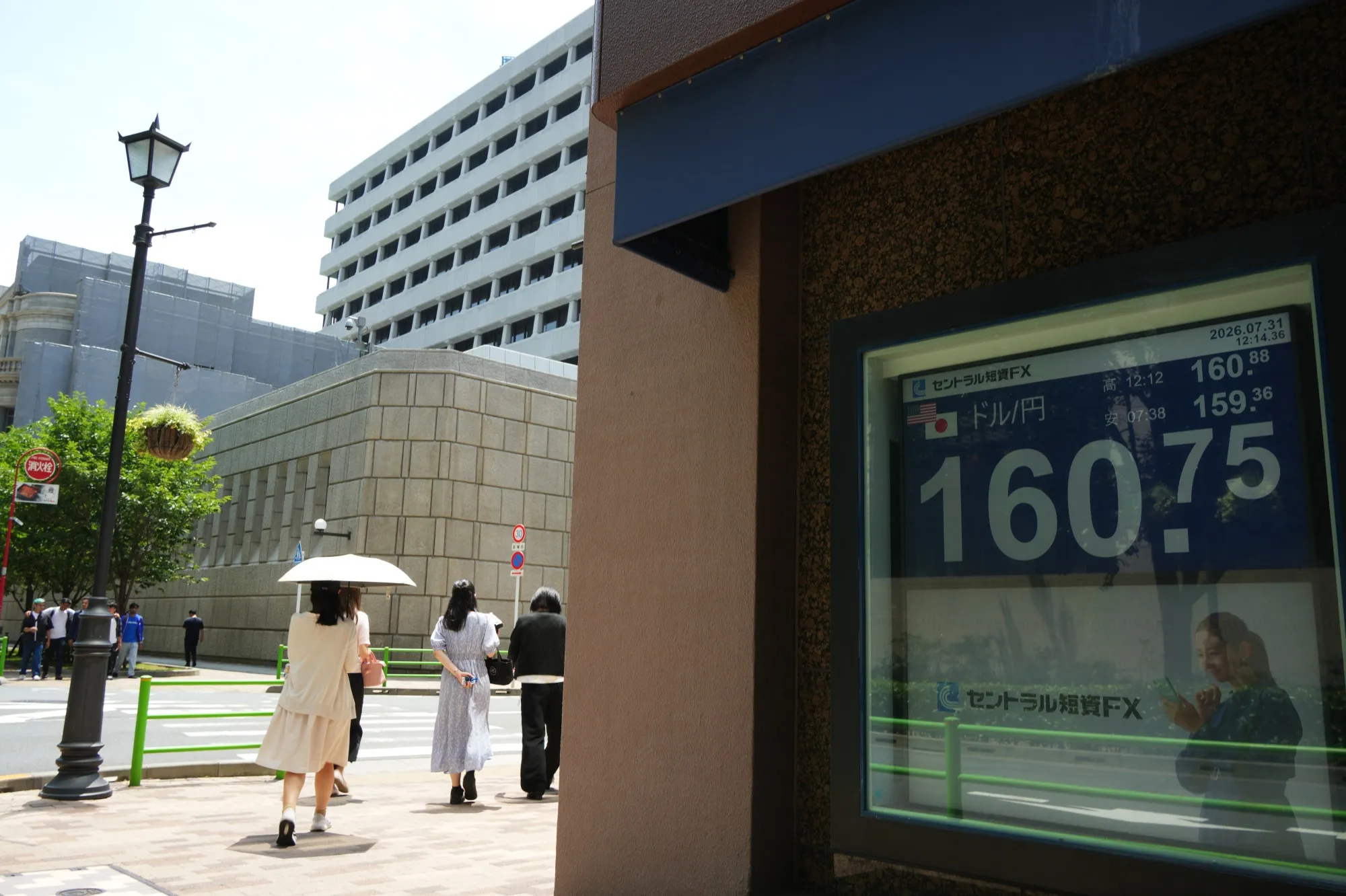
Japan and the United States executed coordinated currency market intervention on Thursday, marking the first joint yen-support action since 2011. The Bank of Japan sold approximately $58.97 billion in New York trading hours while the U.S. Treasury signaled readiness to support, with Treasury Secretary Scott Bessent's notes revealing plans to "Buy Japanese Yen (JPY) 5-10 bil." The yen had weakened to its lowest level since 1986 against the dollar, driven by widening interest rate differentials as the Federal Reserve maintained a hawkish stance while the Bank of Japan held steady policy. This intervention directly impacts cross-border e-commerce sellers operating in the Japan-US corridor—a critical trade lane representing approximately $180-220B in annual bilateral commerce.
For cross-border sellers, this intervention creates immediate financial optimization opportunities. Sellers importing from Japan to US markets face reduced FX headwinds: the coordinated action signals BOJ Governor Kazuo Ueda's Friday press conference commitment to potential rate increases, which historically strengthens the yen 2-4% within 30-60 days post-intervention. US sellers exporting to Japan benefit from improved cost predictability—the yen's stabilization reduces the daily FX volatility that previously forced sellers to apply 3-5% hedging premiums to pricing. Payment processors like Wise, OFX, and Remitly typically reduce cross-border fees by 15-25% during periods of coordinated central bank action, as intervention reduces their hedging costs. Sellers can lock in favorable rates immediately: the Ministry of Finance's access to the Federal Reserve's repurchase facility for "temporary dollar liquidity" signals sustained intervention commitment, creating a 30-90 day window for sellers to execute large USD/JPY conversions at improved rates before market normalization.
Working capital acceleration becomes achievable through strategic payment timing. Sellers holding JPY receivables should convert to USD within 7-14 days post-intervention while the yen remains supported—historical data shows intervention-driven yen strength typically peaks 2-3 weeks after announcement. Invoice financing providers like Tradeshift and Fintech Acquisition Finance are already offering 2-3% better terms on Japan-origin invoices due to reduced FX risk. Sellers can unlock 5-8% additional margin by shifting payment settlement from monthly to weekly cycles during this intervention window, converting yen at stronger rates. The coordinated action also reduces hedging costs: forward contracts for USD/JPY typically cost 1.2-1.8% annually during volatile periods; intervention-driven stability can reduce this to 0.6-1.0%, freeing up 20-40 basis points in working capital. For sellers with $500K+ monthly Japan-US trade volume, this represents $2,500-3,500 monthly savings in hedging costs alone.
Questions 8
How does Japan-US yen intervention reduce payment costs for cross-border sellers?
The coordinated intervention directly reduces FX volatility, which lowers hedging premiums that payment processors embed in their fees. Sellers using **Wise, OFX, or Remitly** typically see 15-25% fee reductions during intervention periods because these providers' hedging costs drop when central banks stabilize currency pairs. For a seller processing $50K monthly in USD/JPY conversions at standard 2.5% fees ($1,250), intervention-driven fee reductions save $187-312 monthly. The BOJ's $58.97B intervention signals sustained commitment, creating a 30-90 day window where sellers can lock in favorable rates before market normalization.
Which payment processors offer the best rates during yen intervention periods?
**Wise, OFX, and Remitly** typically reduce cross-border fees by 15-25% during coordinated central bank interventions because their hedging costs decline. Wise's mid-market rates become particularly competitive during intervention windows, often beating bank rates by 1.5-2.5%. For sellers processing $100K+ monthly, **Tradeshift** and **Fintech Acquisition Finance** offer invoice financing at 2-3% better terms on Japan-origin invoices. Sellers should compare rates across these providers during the 7-21 day post-intervention window when fee reductions are most pronounced, potentially saving $1,500-3,000 monthly on $500K+ trade volume.