


Humanoid Robotics Patent Wars | Supply Chain & Import Tariff Risks for Tech Sellers
- China controls 73% of morphology patents by 2025; Trump restrictions threaten $2B+ robotics component imports affecting electronics sellers



Overview
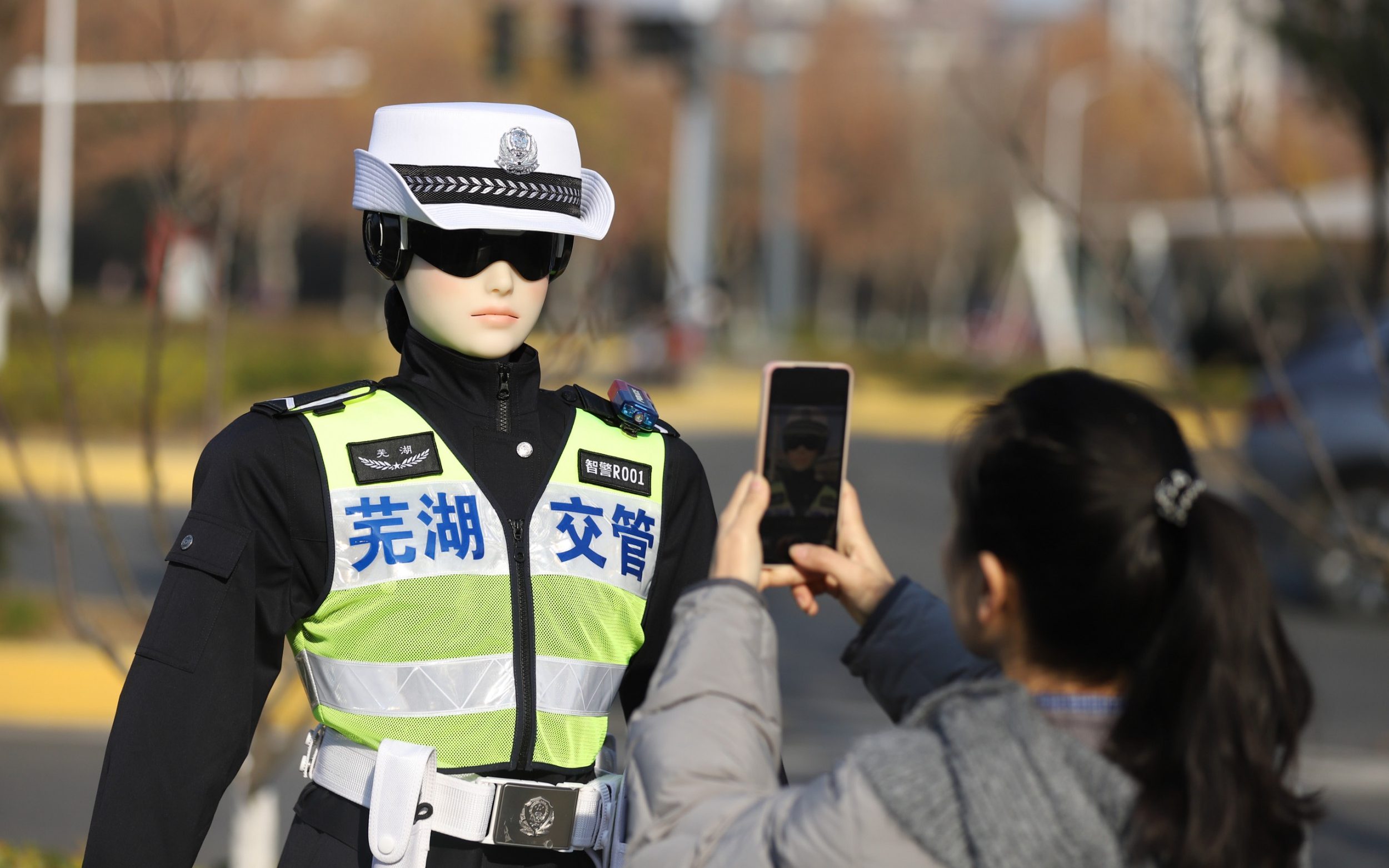
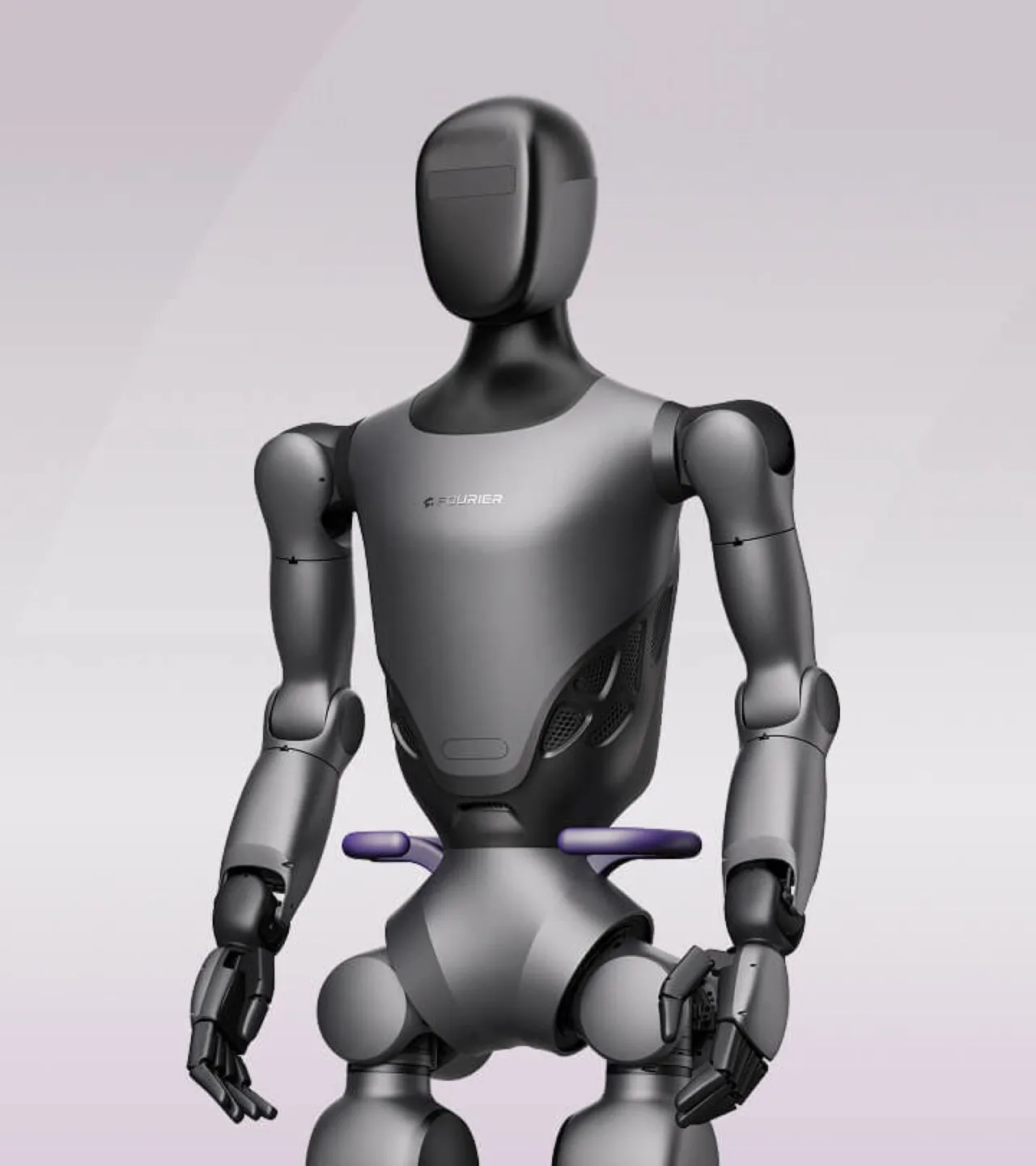
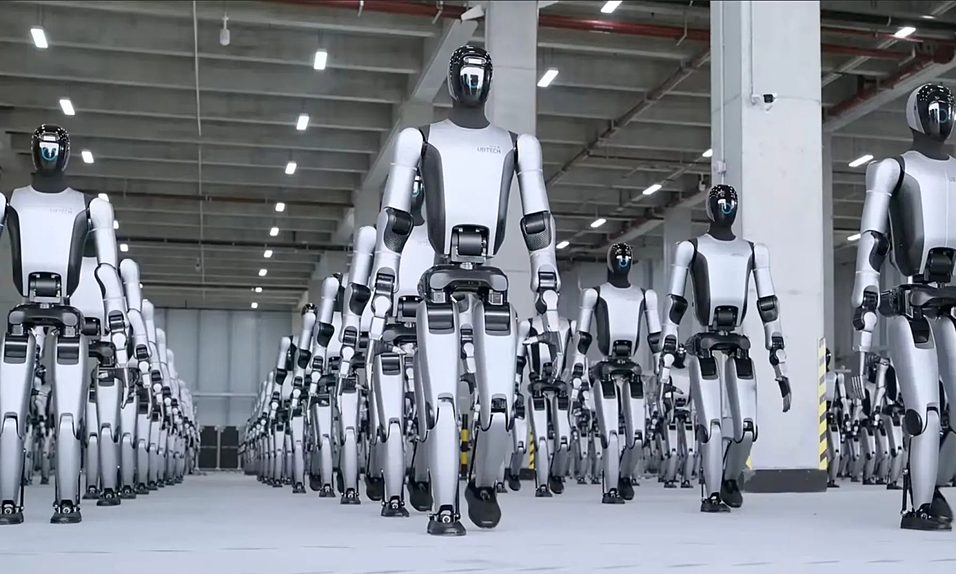
The humanoid robotics patent landscape reveals a critical bifurcation in global innovation: China dominates scale with 73% of active morphology-related patents and 63% of global portfolio strength, while US inventors maintain quality leadership with 11% portfolio strength from just 5% of patents. This geopolitical divide carries immediate implications for cross-border electronics sellers. The Trump administration's announced restrictions on robot and power inverter imports citing national security concerns, combined with US House legislation prohibiting Pentagon procurement of Chinese humanoid robots, signals escalating tariff risks for sellers sourcing robotics components, automation equipment, and related electronics from Chinese manufacturers like Fourier Intelligence, AgiBot, LimX Dynamics, Pudu Robotics, and Unitree Robotics.
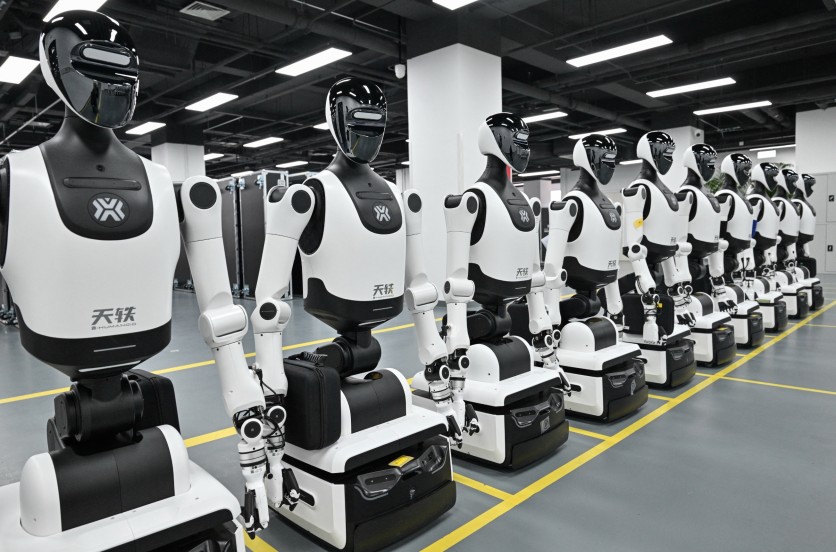
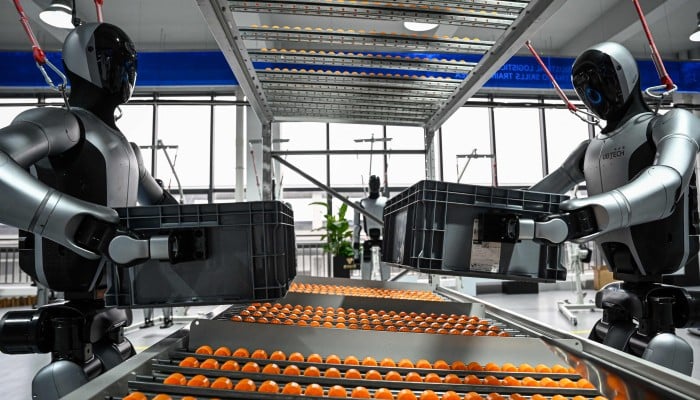
For e-commerce sellers, this patent concentration matters because humanoid robotics technology cascades into consumer product categories: warehouse automation equipment (affecting 3PL fulfillment costs), industrial robotics components (sold through B2B marketplaces), and consumer electronics accessories. Chinese companies' 2.5-fold increase in robot morphology patents and fivefold growth in control architecture patents over the past decade indicate accelerating commercialization timelines. Sellers importing power inverters, motor controllers, sensor systems, or automation software from Chinese robotics innovators face potential tariff escalation of 15-25% within 6-12 months as the Trump administration implements restrictions. The Patent Asset Index analysis of 26,000+ patent families shows Chinese entities are transitioning from R&D to commercialization—meaning supply chain disruption is imminent, not theoretical.
Immediate seller impact: Electronics and automation equipment sellers with Chinese supply chains should audit their tariff codes (HS 8501-8543 for electrical machinery) and identify alternative sourcing from US companies (Figure AI, Apptronik, Agility Robotics) or European suppliers (Agile Robots) before Q2 2025. The quality gap—US inventors' 11% portfolio strength vs. China's 73% patent volume—suggests US/European alternatives may command 20-35% price premiums but offer tariff-protected supply stability. Sellers should model two scenarios: (1) 15-25% tariff cost increase on Chinese robotics imports, or (2) 20-35% supplier switching costs to US/EU alternatives. The legislation prohibiting Pentagon procurement of Chinese humanoid robots may expand to commercial procurement restrictions, creating cascading supply chain pressure through 2025-2026.
Questions 8
What is the timeline for robotics import restrictions to impact seller costs?
The Trump administration has announced restrictions but implementation typically follows a 60-180 day notice period. Based on the US House legislation and national security review process, sellers should expect tariff implementation between Q2-Q3 2025. The Patent Asset Index analysis shows Chinese robotics companies are accelerating commercialization—with robot morphology patents increasing 2.5-fold and control architectures growing fivefold over the past decade—meaning supply chain disruption is imminent. Sellers should take action immediately: audit tariff codes, lock in pre-tariff pricing with suppliers by January 2025, and identify alternative sourcing from US companies (Figure AI, Apptronik) or European suppliers (Agile Robots) by March 2025.
Should sellers switch to US or European robotics suppliers to avoid tariffs?
US and European robotics suppliers offer tariff protection but at a cost premium. The LexisNexis patent analysis reveals US inventors account for only 5% of active morphology patents but contribute 11% of global portfolio strength—meaning US suppliers (Figure AI, Apptronik, Agility Robotics) maintain higher average patent quality but lower production volume. Switching costs typically include 20-35% price premiums, longer lead times (8-12 weeks vs. 4-6 weeks from China), and smaller supplier ecosystems. Sellers should model both scenarios: (1) absorb 15-25% tariff costs on Chinese imports, or (2) pay 20-35% premiums for US/EU alternatives. For high-volume sellers (1000+ units/month), tariff costs may exceed switching costs by Q3 2025, making diversification economically rational.