



GLP-1 Users Drive $50B+ Apparel Resizing Opportunity | Amazon, Walmart Compete for Recurring Pharma Revenue
- 11% of Americans (36M+ people) using GLP-1 medications create dual e-commerce opportunities: premium wardrobe replacement ($8-15B TAM) and pharmacy-driven customer acquisition funnels across Amazon, Walmart, Costco platforms








Overview
The GLP-1 weight-loss medication boom is fundamentally reshaping retail commerce and creating distinct e-commerce opportunities across two interconnected markets. With approximately 11% of Americans (36+ million people) currently using GLP-1 medications like Mounjaro and Ozempic, retailers are experiencing measurable behavioral shifts that directly impact seller strategy on Amazon, Walmart, and Shopify.
Market Opportunity #1: Premium Apparel Resizing (Immediate, High-Margin) According to ReturnPro's survey of 500 consumers, more than two-thirds of GLP-1 users report increased in-store shopping due to sizing changes from weight loss. David's Bridal reports customers trying on twice as many dresses (up to 10 styles per visit) over the past six months. Ross Stores posted a 17% increase in first-quarter comparable-store sales, directly attributed to increased foot traffic from GLP-1 users. Critically, 91% of high-value GLP-1 users prefer physical retail compared to 69% of all GLP-1 users, signaling a premium segment willing to pay for personalized styling services and higher-margin clothing. This creates immediate opportunities for sellers in: (1) extended size-range apparel (XS-XXL with premium fabrics), (2) personal styling services and virtual fitting room technology, (3) wardrobe rebuilding bundles targeting post-weight-loss consumers, and (4) specialty categories like shapewear, transitional sizing, and premium basics. The trend is expected to accelerate through 2025 as PwC indicates in-store investments will be implemented within the next year.
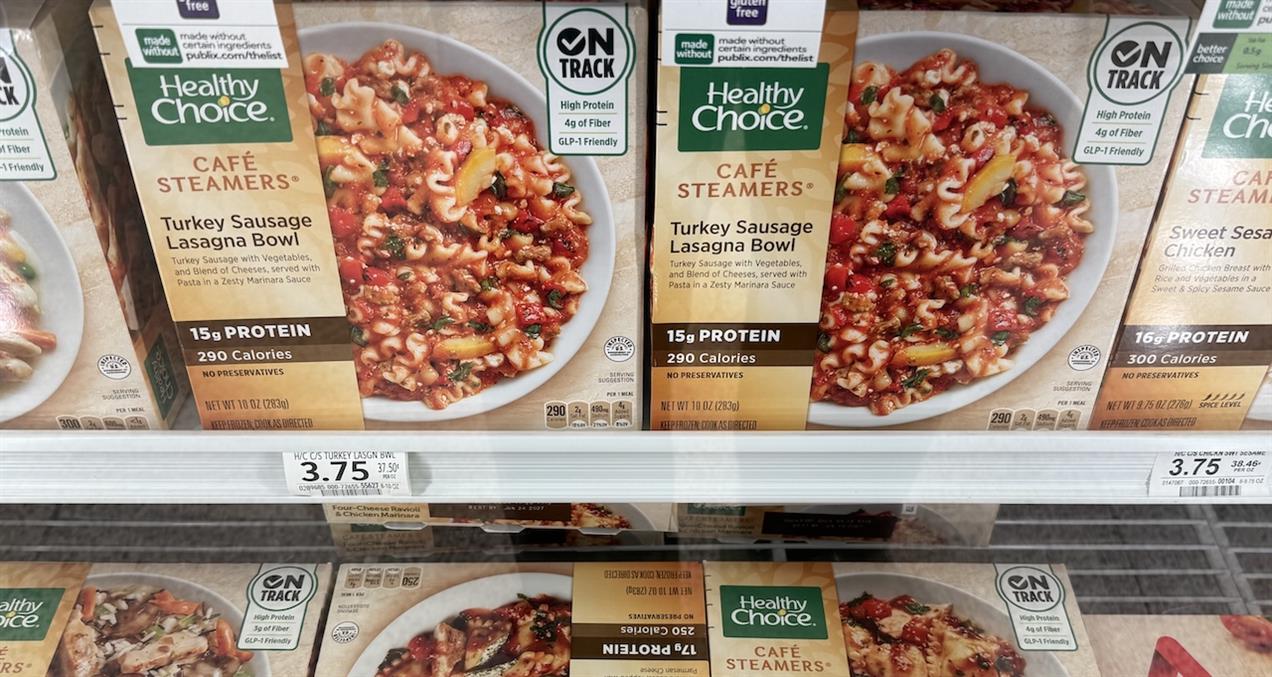
Market Opportunity #2: Pharmacy-Driven Customer Acquisition (Strategic, Recurring Revenue) Amazon, Walmart, and Costco are positioning GLP-1 prescriptions as customer acquisition tools rather than standalone revenue sources. Amazon launched its GLP-1 management program in April 2024, offering insured patients prices as low as $25 monthly with same-day delivery in nearly 3,000 cities (expanding to 4,500 by year-end). Walmart expanded its Better Care Services platform in April to bundle GLP-1 prescriptions with nutrition coaching, fitness apps, and AI-driven coaching tools. According to Gartner Consulting analysis, prescription refills create non-negotiable recurring customer relationships that drive foot traffic and cross-selling opportunities. A Mercer survey revealed 6% of large employers dropped GLP-1 coverage in 2024, with drug claims increasing from 6.9% to 11.4% of total claims—indicating accelerating adoption. This shift threatens independent pharmacies (particularly in rural areas) while creating opportunities for sellers to integrate with pharmacy platforms: (1) nutrition and fitness product bundles aligned with GLP-1 coaching programs, (2) meal replacement and protein products optimized for GLP-1 users, (3) wellness accessories (water bottles, fitness trackers, meal prep containers), and (4) premium supplement lines targeting the high-value GLP-1 demographic.
Platform-Specific Competitive Dynamics: Amazon's same-day pharmacy delivery in 3,000+ cities creates a logistics advantage for cross-selling complementary products. Walmart's bundled approach (prescriptions + coaching + apps) signals integration opportunities for sellers offering nutrition/fitness products. Costco's membership-based model ($349 Wegovy pricing) targets affluent consumers with higher purchasing power for premium apparel and wellness products. Sellers should prioritize Amazon for pharmacy-adjacent product categories (nutrition, fitness, wellness) and Shopify for premium apparel brands targeting the high-value GLP-1 demographic (91% prefer curated, personalized shopping experiences).
Questions 8
How does the GLP-1 trend connect to broader retail transformation?
The GLP-1 trend reveals a paradox: while 67% of GLP-1 users prefer in-store shopping for immediate sizing feedback, this drives massive online opportunities in complementary categories and services. Ross Stores' 17% Q1 sales increase demonstrates in-store traffic recovery, yet retailers are simultaneously implementing AI-powered fitting room technology and enhanced personal styling services—capabilities that translate directly to e-commerce. Walmart's expansion of Better Care Services (bundling GLP-1 prescriptions with nutrition coaching and fitness apps) and Amazon's GLP-1 management program (offering same-day delivery in 3,000+ cities) show major platforms treating GLP-1 as a customer acquisition tool driving cross-selling. For sellers, this means: (1) In-store and online are complementary, not competitive; (2) Bundled services (apparel + styling + fitness) command premium pricing; (3) Logistics infrastructure investments (Amazon's 4,500-city expansion) create fulfillment advantages; (4) Premium customers (91% in-store preference) are willing to pay for convenience and personalization. Sellers should position for omnichannel integration, offering online discovery with in-person styling options or virtual consultations, capturing the full customer journey.
How are Amazon, Walmart, and Costco competing for GLP-1 customer acquisition?
Amazon launched its GLP-1 management program in April 2024 with same-day delivery in 3,000 cities (expanding to 4,500 by year-end) at prices as low as $25/month for insured patients. Walmart expanded Better Care Services in April to bundle GLP-1 prescriptions with nutrition coaching, fitness apps, and AI-driven coaching tools. Costco partnered with Sesame to price Wegovy at $349 with membership requirements. All three view GLP-1 prescriptions as customer acquisition tools driving recurring relationships and cross-selling opportunities. According to Gartner Consulting, prescription refills create non-negotiable recurring customer relationships. Sellers should integrate with Amazon Pharmacy for nutrition/fitness products and Walmart's coaching platform for wellness bundles.