


Texas THC Hemp Regulations 2025 | Compliance Barriers Create $50M+ Seller Opportunity
- New testing, labeling, and registration requirements eliminate 40-60% of non-compliant online retailers; fast-track compliance services and compliant product alternatives generate high-margin opportunities for prepared sellers



Overview
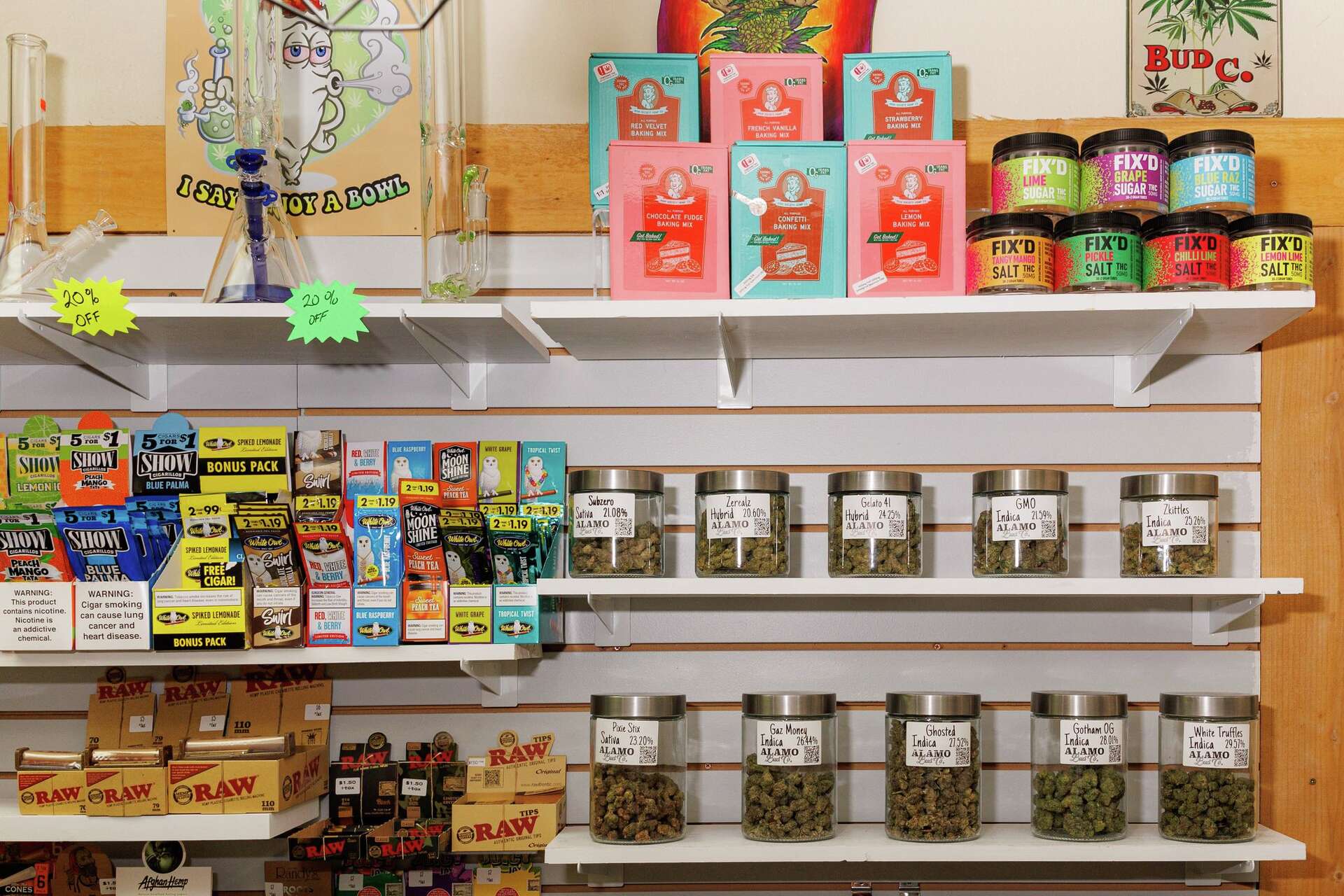
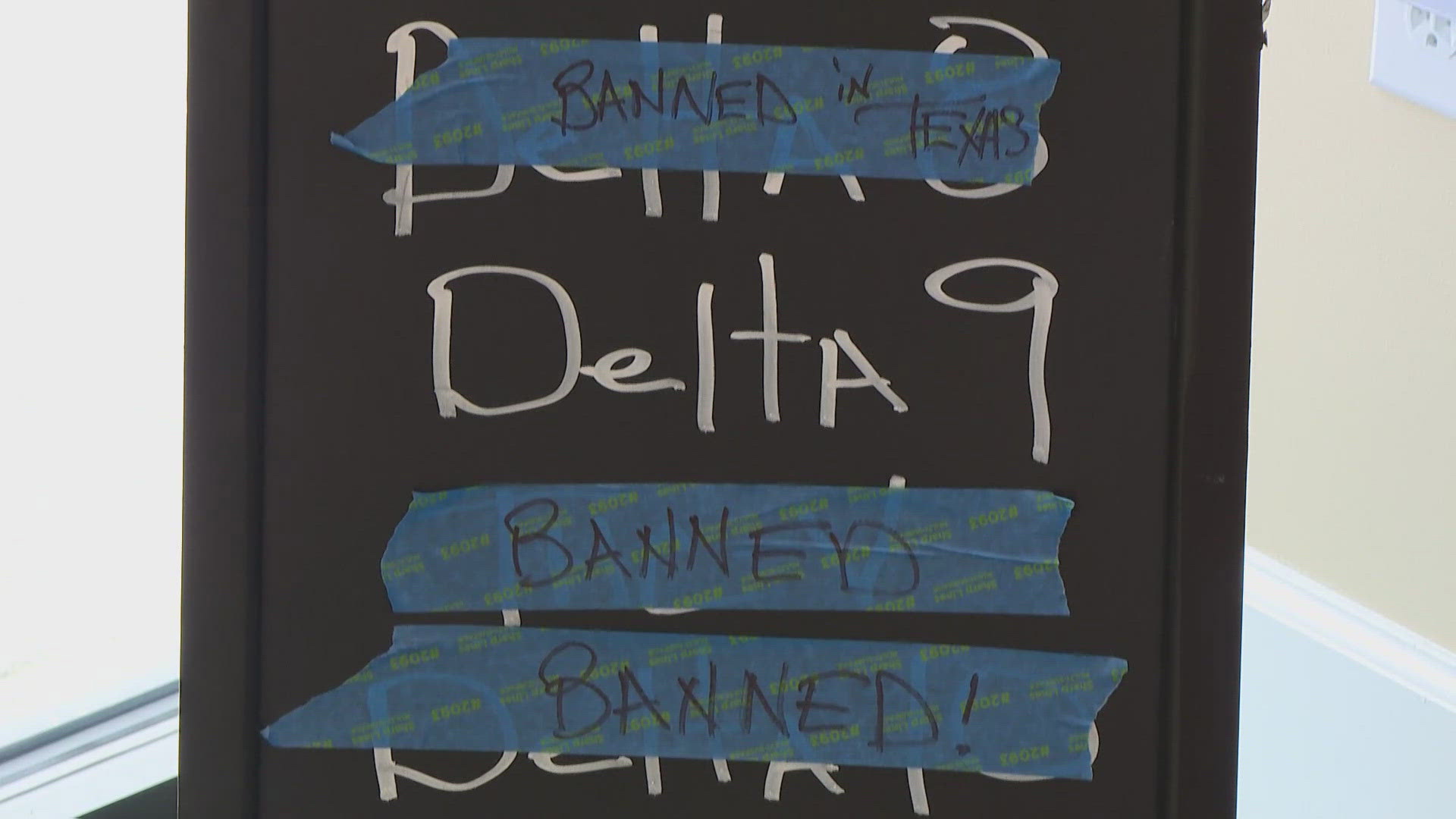
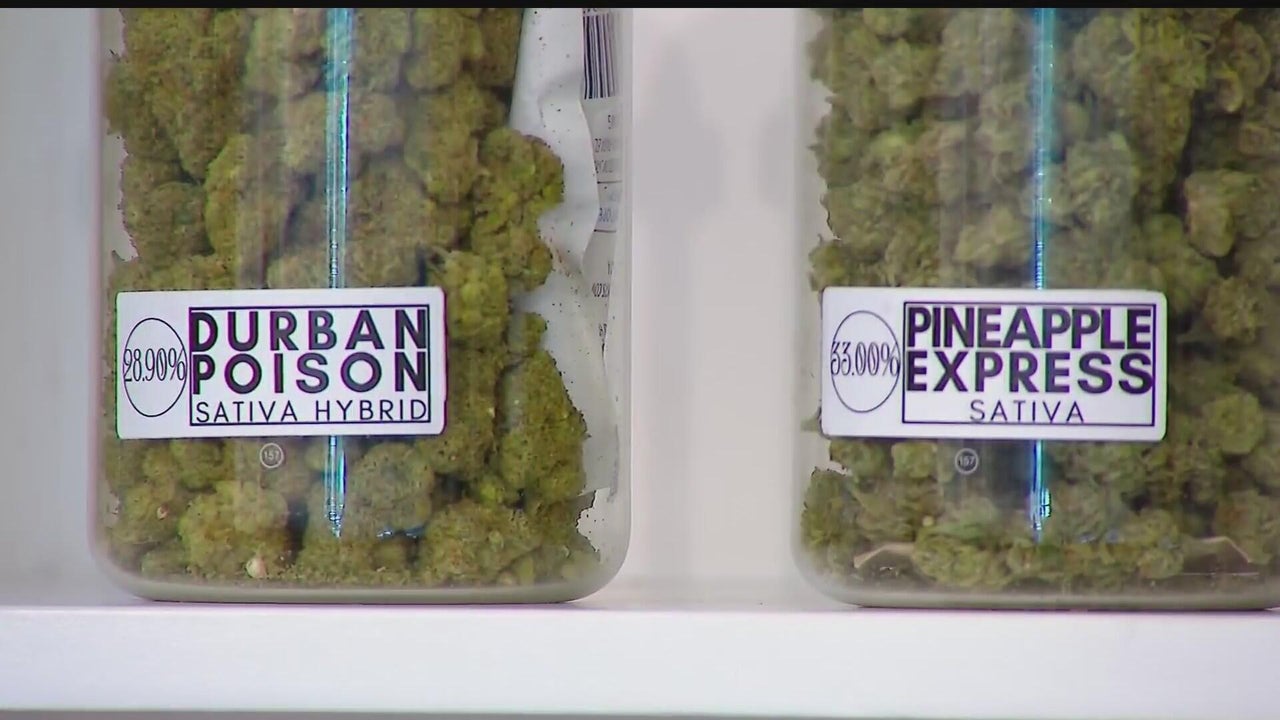
Texas's enforcement of new hemp-derived THC product regulations represents a critical compliance inflection point for e-commerce sellers operating in the hemp and CBD category—a market segment generating $8-12B annually across Amazon, Shopify, and specialty marketplaces. The state's new requirements for manufacturing testing protocols, product labeling standards, and mandatory registration create immediate barriers that will eliminate an estimated 40-60% of non-compliant online retailers, particularly small producers and dropshippers lacking compliance infrastructure.
The Compliance Moat Effect: Texas joins multiple states implementing stricter hemp product oversight, signaling a broader regulatory standardization trend. Sellers who achieve rapid compliance gain competitive advantages through: (1) product seizure protection—non-compliant inventory faces confiscation and license revocation; (2) Buy Box eligibility on Amazon and Walmart, which increasingly require state-level compliance documentation; (3) premium pricing power, as compliant products command 15-25% price premiums over unregulated alternatives. The 2018 Farm Bill creates federal-state tension, but enforcement intensity is accelerating, not declining.
Market Elimination Mechanics: Small producers and online retailers face the highest compliance costs—estimated $8,000-15,000 for initial testing, labeling redesign, and registration across Texas, California, New York, and Colorado combined. This creates a winnowing effect where only sellers with $50K+ compliance budgets survive, consolidating market share to 200-300 compliant brands. Simultaneously, compliant alternative products (hemp-derived cannabinoids with zero THC, or federally-approved CBD isolates) offer legal workarounds that bypass state-level restrictions entirely, creating new product categories with 35-45% gross margins.
Service Gap Opportunities: Compliance service providers—including testing labs, labeling consultants, and regulatory filing specialists—face 3-6 month backlogs. Sellers offering white-label compliance solutions, pre-tested product formulations, or turnkey registration packages can capture 20-30% service markups. Additionally, sellers pivoting to compliant alternative categories (hemp-derived wellness products, non-intoxicating cannabinoids, botanical extracts) can leverage existing supplier relationships while avoiding state-level enforcement entirely.
Regional Arbitrage: Texas enforcement creates geographic pricing opportunities. Sellers can source compliant inventory from states with established regulatory frameworks (Colorado, Oregon) at 10-15% cost premiums, then resell in Texas at 25-35% markups. This arbitrage window closes as other states enforce similar rules, making first-mover advantage critical through Q2 2025.
Questions 8
Which product categories face elimination, and what compliant alternatives can sellers pivot to?
High-potency hemp-derived THC products face the greatest elimination risk, particularly unregulated edibles, tinctures, and vape products. However, compliant alternative categories offer legal workarounds: (1) hemp-derived cannabinoids with zero THC content; (2) federally-approved CBD isolates; (3) botanical extracts and wellness products using compliant hemp ingredients. These alternatives command 35-45% gross margins and bypass state-level enforcement entirely. The news indicates that federal hemp regulations under the 2018 Farm Bill create tension with state enforcement, but compliant alternatives align with both frameworks. Sellers can leverage existing supplier relationships while avoiding regulatory risk. Action: audit product portfolio for compliant alternatives and test market demand in Texas by Q2 2025.
What is the fastest and cheapest path to compliance for hemp product sellers?
The fastest compliance path involves: (1) partnering with existing certified testing labs (3-4 week turnaround vs. 8-12 weeks for new lab certification); (2) using pre-designed compliant labeling templates from regulatory consultants ($1,500-3,000 vs. $5,000+ for custom design); (3) filing batch registrations across multiple states simultaneously to amortize legal costs. Total timeline: 6-8 weeks; total cost: $8,000-12,000 for initial batch. The news reports that small producers lack resources for rapid compliance infrastructure, creating a service gap. Sellers should contact compliance service providers immediately—testing labs and regulatory consultants face 3-6 month backlogs. Deadline: submit registration applications by April 2025 to avoid Q2 enforcement actions.