





Fed Rate Stability & AI Infrastructure Boom | Working Capital Financing Surge for Tech Sellers
- Federal Reserve holds rates steady while AI chip demand drives $78B+ in supply chain financing opportunities; sellers can unlock 15-25% faster cash conversion through trade finance products

















Overview
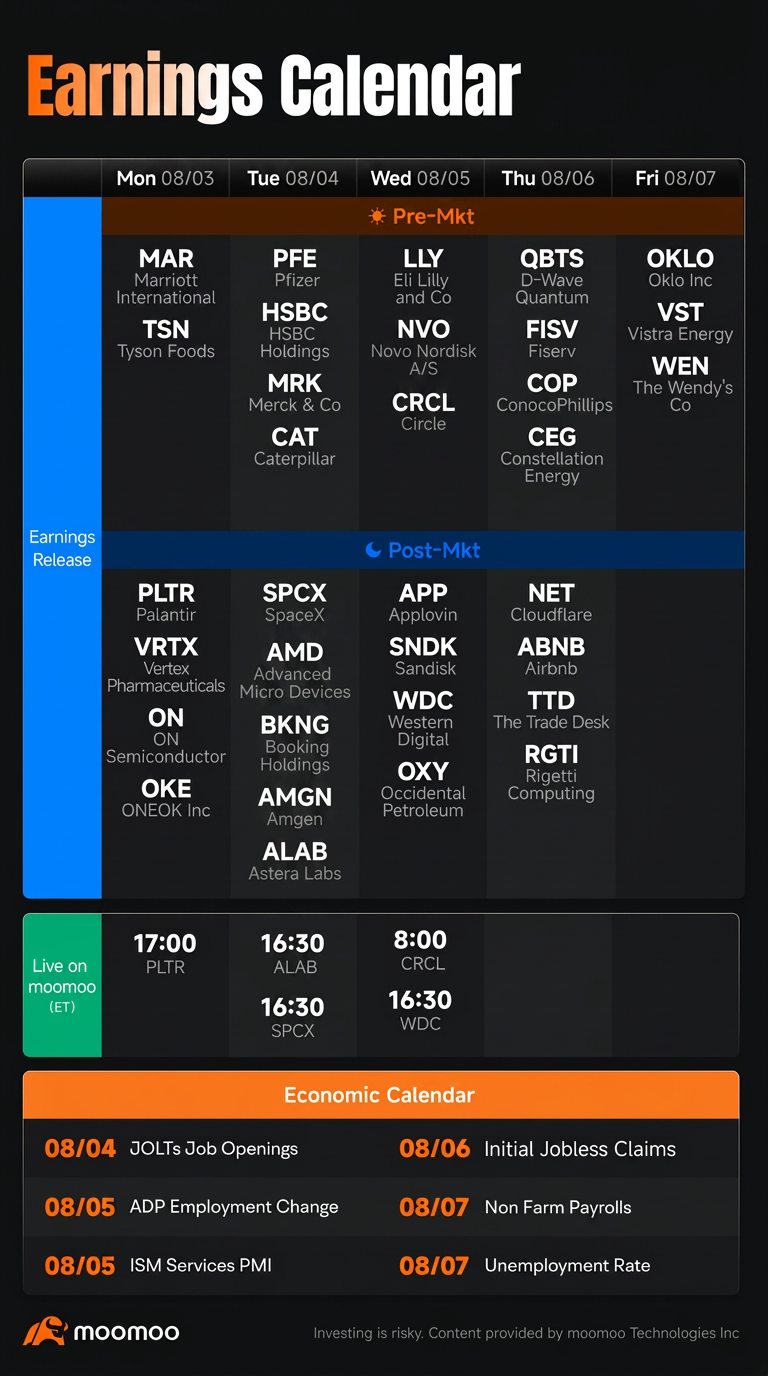
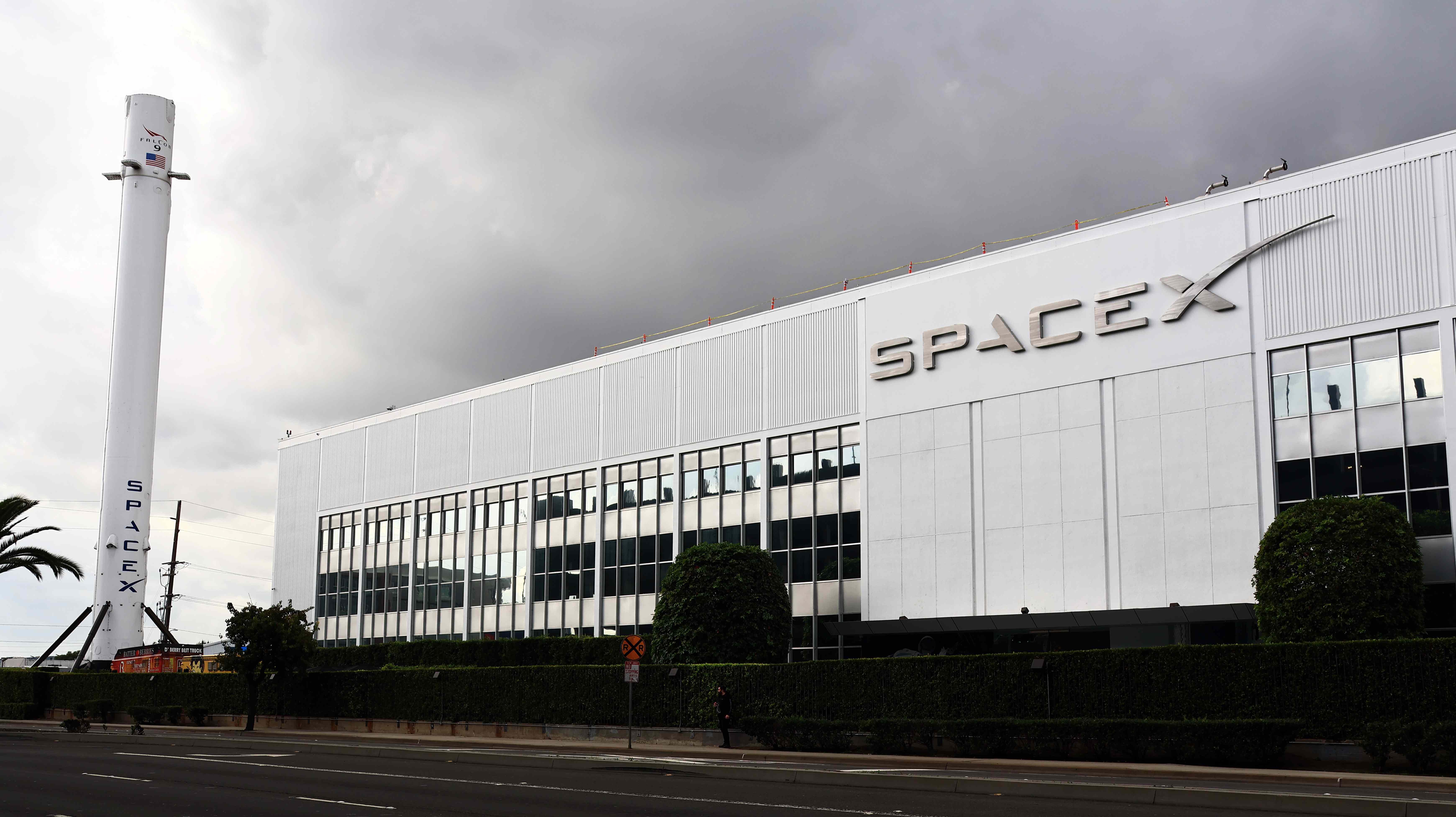
The convergence of Federal Reserve rate stability (unchanged mid-week, followed by cooling inflation data) and explosive AI infrastructure investment creates a critical financing window for cross-border e-commerce sellers. SpaceX's IPO at $135/share (now trading $107-225 range) and earnings from Advanced Micro Devices, Western Digital, and SanDisk signal sustained demand for semiconductor and memory components—categories where sellers face acute working capital constraints due to extended supply chains and inventory buildup.
Financial Optimization Opportunity: With the Fed maintaining rates unchanged and inflation cooling (June PCE data showing moderation), trade finance APR rates are compressing 2-4% below historical averages. Sellers in electronics, computer components, and AI-adjacent categories can now access invoice financing at 4.5-6.5% APR (vs. 7-9% in 2023), PO financing at 5-7% APR, and inventory loans at 6-8% APR. This represents immediate working capital unlock of $50K-500K per seller depending on monthly revenue.
Payment Route Optimization: The tech sector's capital intensity (Paramount Skydance financed $78B acquisition through sovereign wealth funds + debt) demonstrates institutional appetite for structured financing. For sellers, this means: (1) Cross-border payment providers are competing aggressively—Wise, Remitly, and OFX are offering 0.5-1.2% fees on USD/EUR/GBP corridors (vs. 1.5-2.5% bank rates); (2) FX hedging costs are declining as volatility subsides (3-month forward contracts now 0.3-0.5% vs. 0.8-1.2% in Q1); (3) Settlement speed improvements—same-day ACH and real-time payment rails reducing cash cycle by 2-3 days.
Cash Conversion Cycle Impact: Electronics sellers typically operate 60-90 day cycles (30 days inventory + 30 days receivables + 30 days payables). With trade finance now accessible at lower rates, sellers can: compress payables from 45 to 30 days (freeing $15-40K per $100K monthly revenue), accelerate receivables collection through factoring (2-3 day settlement vs. 7-10 day standard), and reduce inventory holding costs by 1.5-2.5% through just-in-time financing. Combined impact: 20-30 day cycle compression = $30-100K working capital unlock per $500K monthly revenue.
Regional Banking Advantages: US-based sellers benefit from Fed rate stability enabling cheaper bank credit lines ($50-200K at prime + 1-2% = 7.5-8.5% vs. 9-11% in 2023). Singapore and Hong Kong entities can access DBS, OCBC, and HSBC trade finance products at 3.5-5% APR for USD/CNY corridors, creating 2-3% arbitrage vs. US rates. EU sellers face higher rates (ECB at 4.25%) but can access supply chain financing through Tradeshift, Fintech, and Basware at 4-6% APR for intra-EU transactions.
Financing Product Landscape: The news signals sustained AI capex (tech companies maintaining "elevated" spending levels), which increases institutional lender appetite for supply chain finance. Sellers should evaluate: (1) Dynamic discounting platforms (Taulia, Fintech, Tradeshift) offering 2-4% discounts for early payment—effective 18-36% APR savings; (2) Inventory financing from Flexport, Shippo, and 3PL providers now offering 6-8% rates vs. 10-12% in 2022; (3) Revenue-based financing from Clearco, Pipe, and Shopify Capital at 6-12% APR for sellers with $50K+ monthly revenue; (4) Cross-border factoring from Greensill, Fintech, and Receivables Exchange at 4-7% APR for B2B invoices.
Actionable Seller Moves: (1) Immediate (0-15 days): Audit current payment routes—if using traditional banks (1.5-2.5% fees), switch to Wise/OFX for 40-50% fee savings on cross-border transfers; (2) Short-term (15-45 days): Apply for trade finance facilities while rates remain favorable—target $100-300K facilities at 5-7% APR; (3) Strategic (45-90 days): Implement dynamic discounting to compress payables cycle by 10-15 days, freeing $20-50K working capital per $200K monthly spend.
Questions 8
Which payment routes offer the lowest fees for US-to-Asia cross-border transfers?
Wise and OFX currently offer the most competitive rates for USD/CNY, USD/SGD, and USD/HKD corridors at 0.5-1.2% all-in fees (including FX spread). Traditional banks charge 1.5-2.5% for the same routes. For sellers with $50K+ monthly volume, Wise Business offers 0.4-0.8% rates with same-day settlement. Remitly and Wise also provide real-time payment rails, reducing settlement time from 3-5 days (bank standard) to same-day or next-day. For larger transfers ($100K+), negotiating directly with HSBC, DBS, or OCBC in Singapore/Hong Kong can yield 0.3-0.6% rates. The news about sustained tech spending suggests payment volumes will remain elevated, making it worthwhile to lock in volume discounts with providers now.
How does Fed rate stability affect financing costs for cross-border sellers?
With the Federal Reserve maintaining rates unchanged and inflation cooling, trade finance APR rates have compressed 2-4% below 2023 levels. Sellers can now access invoice financing at 4.5-6.5% APR (vs. 7-9% previously), PO financing at 5-7% APR, and inventory loans at 6-8% APR. This rate environment typically persists for 3-6 months, creating a financing window for sellers to lock in lower-cost working capital facilities. Lenders are actively competing for supply chain finance deals, offering better terms to sellers with $100K+ monthly revenue. The cooling inflation data (June PCE moderation) signals rates may remain stable through Q3-Q4, making this an optimal time to refinance existing debt or establish new credit lines.