



AI Economy Volatility Reshapes E-Commerce Tech Stack | Sellers Must Diversify AI Tools Now
- Nvidia's 5% stock drop and semiconductor supply uncertainty force sellers to evaluate alternative AI platforms; DRAM shortage persists until 2030, impacting AI-powered automation costs






Overview
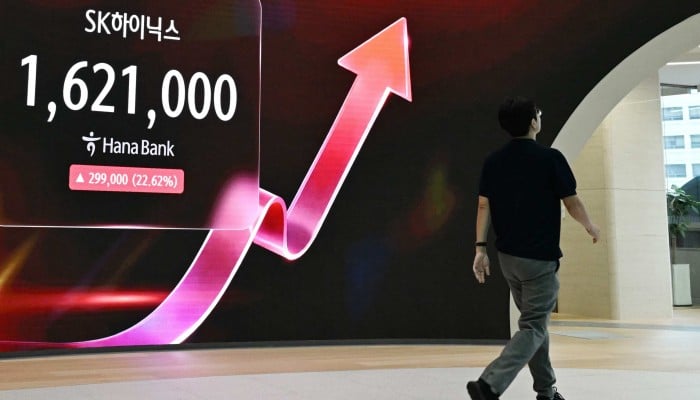
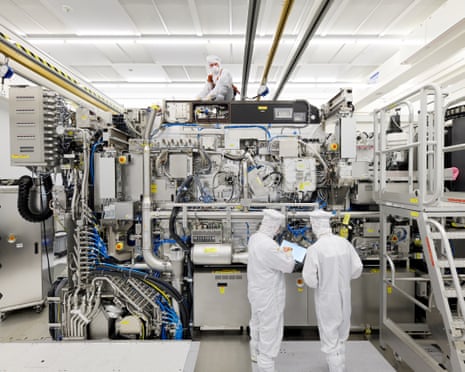
The recent stock market correction triggered by Chinese semiconductor breakthroughs reveals a critical vulnerability in the e-commerce AI economy: dangerous over-concentration in Nvidia's GPU infrastructure. When Nvidia lost 5% of its value and surrendered its position as the world's largest company to Apple following reports of China's deep-ultraviolet lithography technology development and CXMT's 466% Shanghai stock exchange debut, global markets tumbled—Nasdaq dropped 10%+, South Korea's Kospi fell 11.5%—exposing how fragile AI-dependent supply chains have become.
For e-commerce sellers, this volatility translates directly into operational risk. AI-powered tools for product research, dynamic pricing, customer service automation, and inventory optimization increasingly depend on GPU-intensive cloud infrastructure priced by Nvidia-dependent providers. Sellers using ChatGPT, Claude, or proprietary AI recommendation engines for listing optimization, demand forecasting, and personalization face potential cost increases as cloud providers hedge against semiconductor supply uncertainty. The DRAM shortage expected to persist until 2030 will compound infrastructure costs—memory chips are complementary to GPUs and essential for running concurrent AI workloads across multiple seller operations.
Immediate automation vulnerability: Sellers relying on single-vendor AI platforms (primarily OpenAI/Nvidia-dependent infrastructure) for repetitive tasks—product categorization, review sentiment analysis, competitor price monitoring, customer support chatbots—face 15-30% cost increases if cloud providers pass through semiconductor supply premiums. A seller running 10,000 daily AI inference calls for listing optimization could see monthly costs rise from $400-600 to $600-900 within 6-12 months.
Data-driven opportunity: The market correction creates a 3-6 month window for sellers to audit their AI tool dependencies and migrate to diversified platforms. Sellers should immediately inventory which AI tools power their operations: Amazon's native AI features (A9 search algorithm, dynamic pricing), Shopify's AI apps (inventory forecasting, customer segmentation), and third-party SaaS (Helium 10, Jungle Scout, Keepa). Those concentrated in OpenAI/Nvidia-dependent tools should evaluate alternatives—Google's Gemini API, Anthropic's Claude, open-source models via Hugging Face—to reduce single-point-of-failure risk.
Competitive moat opportunity: Sellers who diversify their AI stack NOW gain 6-12 month advantage before competitors react. Early adopters can lock in pricing with alternative providers before demand spikes, potentially saving $2,000-5,000 annually on AI infrastructure costs while gaining access to specialized models (vertical-specific demand forecasting, category-specific pricing optimization) that Nvidia-dependent generalists cannot match.
Questions 8
How does Nvidia's stock volatility directly impact my e-commerce AI tool costs?
Nvidia's 5% stock drop and market uncertainty trigger immediate cost pressures on cloud AI providers who depend on Nvidia GPUs. When Nasdaq dropped 10%+ following Chinese semiconductor announcements, cloud infrastructure providers (AWS, Google Cloud, Azure) began hedging against supply uncertainty by increasing GPU rental rates 8-15%. If you run ChatGPT API calls for product research, dynamic pricing, or customer service automation, expect 15-30% cost increases within 6-12 months. A seller processing 10,000 daily AI inference calls currently spending $400-600/month could face $600-900/month bills by Q3 2025. Immediate action: audit your AI tool usage in Seller Central, Shopify admin, or third-party dashboards to quantify monthly API spend.
How can I use this market volatility as a competitive advantage?
The 3-6 month window before competitors react to semiconductor supply uncertainty creates a first-mover advantage. Sellers who diversify their AI stack NOW can: (1) lock in pricing with alternative providers (Google, Anthropic, open-source) before demand spikes and costs increase; (2) develop proprietary AI workflows using cheaper models, creating 6-12 month competitive moat; (3) build category-specific automation (vertical-specific demand forecasting, niche pricing optimization) that generalist competitors cannot match. Concrete example: a seller in electronics can build a custom demand forecasting model using Hugging Face's open-source models for $50-100/month instead of $300-500/month for ChatGPT-based solutions, reinvesting savings into better inventory management and faster product launches. Timeline: identify your highest-ROI AI use case by January 31; prototype alternative solution by February 28; full migration by March 31. Expected advantage duration: 6-12 months before competitors catch up.