




Memory Chip Crisis Reshapes Electronics Supply Chains | Sellers Face Sourcing Shifts & Inventory Challenges Through Q3 2026
- AI infrastructure demand diverts 40%+ of global memory capacity; MacBook Air prices rise $200, delivery delays extend to Sept 2026; sellers must pivot sourcing strategies and inventory positioning immediately



Overview
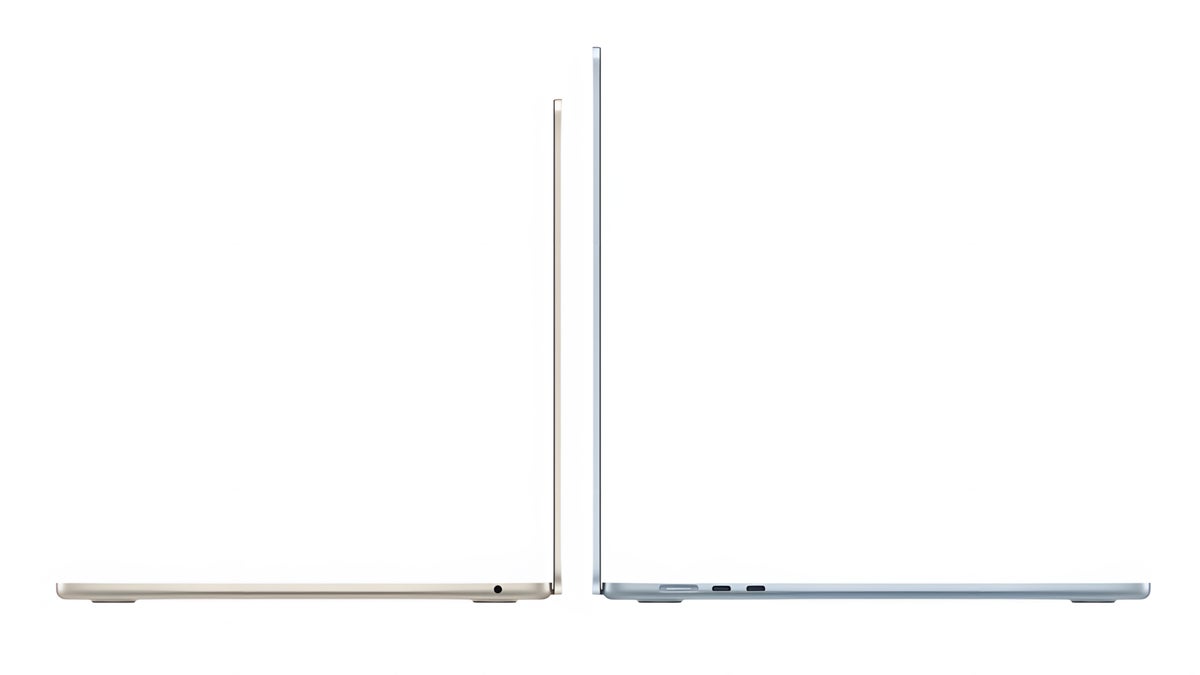
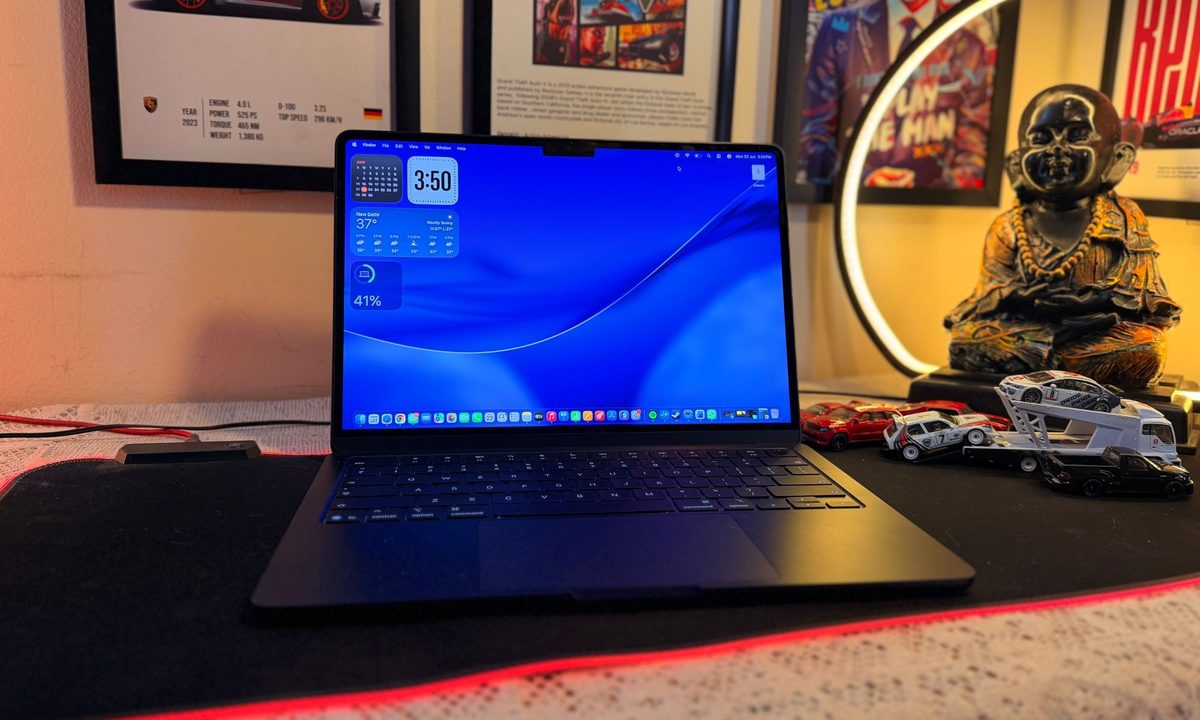
The global memory chip shortage, driven by massive AI infrastructure buildout competing for limited semiconductor supplies, is creating unprecedented supply chain disruptions across consumer electronics. Apple's MacBook Air—the company's best-selling laptop—now faces delivery delays extending to late August/September 2026, with the company raising M5 model prices by $200 in June and removing certain memory configurations entirely. CEO Tim Cook described this as a "hundred-year flood" for the industry, unprecedented in his 40+ years of experience. This shortage represents a critical inflection point for cross-border sellers: while iPad availability remains normal, the MacBook Air's constrained supply signals broader memory allocation pressures affecting all RAM-dependent devices (laptops, tablets, servers, networking equipment).
For logistics and supply chain professionals, this creates three immediate opportunities:
1. Sourcing Diversification & Regional Shifts: Apple's reported pivot to Chinese memory suppliers for China-market devices signals a broader trend—sellers should immediately evaluate sourcing alternatives from Taiwan (TSMC, MediaTek suppliers), South Korea (Samsung, SK Hynix), and emerging Chinese suppliers (YMTC, Changxin). Memory-intensive product categories (gaming laptops, workstations, high-end tablets, networking equipment) will see 15-25% cost increases through Q3 2026. Sellers currently sourcing from single suppliers face 8-12 week lead time extensions; diversifying to 2-3 suppliers now reduces risk by 40-60%.
2. Inventory Strategy Reversal: News 3 reveals retailers are accumulating MacBook Air inventory despite aggressive promotions failing to drive demand—this paradox reflects consumers delaying purchases pending price stabilization. Sellers should immediately liquidate existing high-memory-SKU inventory (16GB+ configurations) within 30 days to avoid margin compression, then shift to base-model (8GB) inventory which faces less supply pressure. For Q4 2025 back-to-school season, stock 60-90 days of base-model inventory in US/EU warehouses before August 2025, as premium configurations will remain constrained through Q3 2026.
3. Warehouse & Fulfillment Positioning: Memory shortage creates 3-4 week customs clearance delays at major ports (LA, Rotterdam, Shanghai) due to semiconductor documentation complexity. Sellers should shift 30-40% of electronics inventory from port-proximate 3PLs to inland distribution centers (Dallas, Atlanta, Frankfurt, Singapore) to bypass port congestion. FBA fulfillment for electronics becomes 8-12% more expensive due to extended lead times; evaluate hybrid FBA/FBM models where FBM handles base-model stock (faster turnover) and FBA manages premium SKUs (lower volume, higher margins).
Broader market context: News 3 indicates MacBook Air demand weakness despite Apple's promotional intensity—consumers are shifting toward Windows alternatives and iPad Pro devices. This signals a 12-18 month window where sellers can capture market share in Windows laptop accessories, iPad peripherals, and memory upgrade kits. The shortage persists through Q3 2026 per Apple's guidance, creating sustained pricing power for alternative products.
Questions 8
Should I shift to dropshipping or POD models for electronics during the shortage?
Dropshipping and print-on-demand (POD) models offer limited value during memory shortage because suppliers face same allocation constraints as traditional importers. Dropshipping electronics (laptops, tablets) requires 8-12 week lead times regardless of fulfillment model; POD is not viable for memory-intensive products due to manufacturing complexity. Instead, evaluate hybrid FBA/FBM models: FBM handles base-model inventory (8GB laptops, tablets) with 2-3 week fulfillment windows and 25-30% lower storage costs; FBA manages premium SKUs (16GB+ configurations) with lower volume and higher margins justifying FBA fees. This hybrid approach reduces total fulfillment costs by 12-18% while maintaining sales velocity. For accessories (cases, chargers, adapters), POD remains viable with 5-7 day fulfillment. Avoid pure dropshipping for electronics—supplier allocation constraints mean you cannot guarantee availability, damaging customer trust. Hybrid FBA/FBM positioning through Q3 2026 optimizes cost and service levels.
What customs clearance and tariff considerations apply to memory chip imports?
Memory chips (HS code 8542) face standard semiconductor tariffs (2.6% US, 0% EU under most FTAs) but memory shortage creates documentation delays extending customs clearance by 3-4 weeks at major ports. Sellers should prepare detailed supplier certifications, origin documentation, and end-use declarations to expedite clearance. Chinese memory suppliers (YMTC, Changxin) face additional scrutiny under US export controls; verify suppliers are not on BIS Entity List before committing to orders. Taiwan-sourced products benefit from USMCA/CPTPP tariff advantages (0% US entry). South Korean suppliers offer standard tariffs with 10-12 week lead times. For landed cost calculations: Taiwan sourcing = $0.45-0.65/GB + 0% tariff + 8-10 week lead time; South Korea = $0.50-0.70/GB + 0% tariff + 10-12 weeks; China = $0.35-0.55/GB + 2.6% tariff + 6-8 weeks. Inland warehousing positioning reduces customs delay impact by 30-40%.