


AI Data Center Grid Inflexibility | Critical Infrastructure Costs for E-Commerce Sellers
- Geographic concentration of AI infrastructure in 5 US clusters creates 4-8 year transmission delays, affecting 20% of planned projects and driving up cloud computing costs for Amazon, Shopify, and marketplace sellers by 8-15% through 2030




















Overview
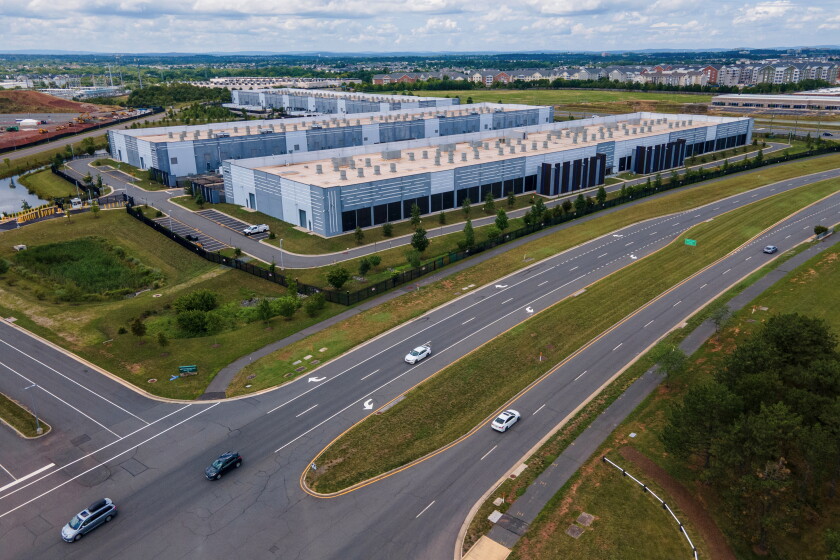
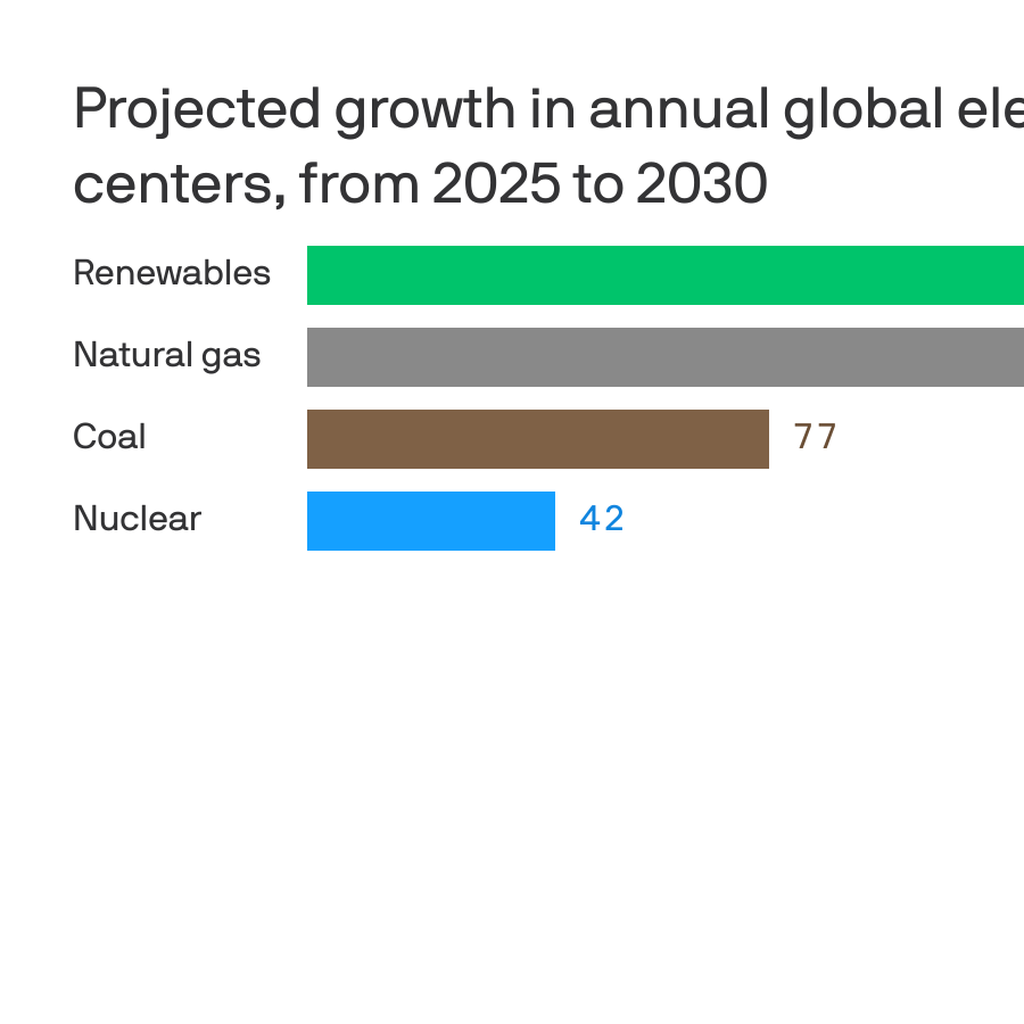
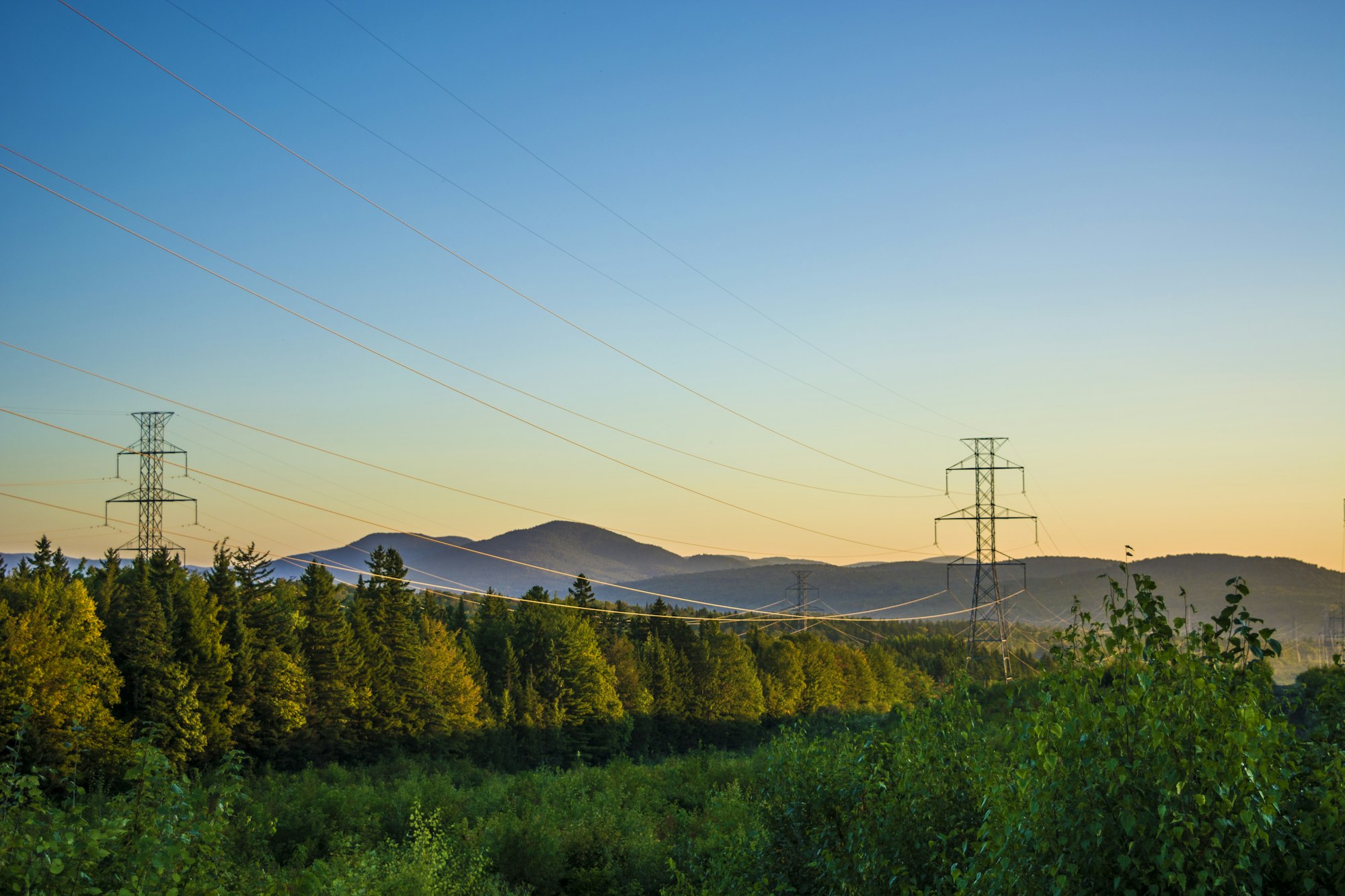
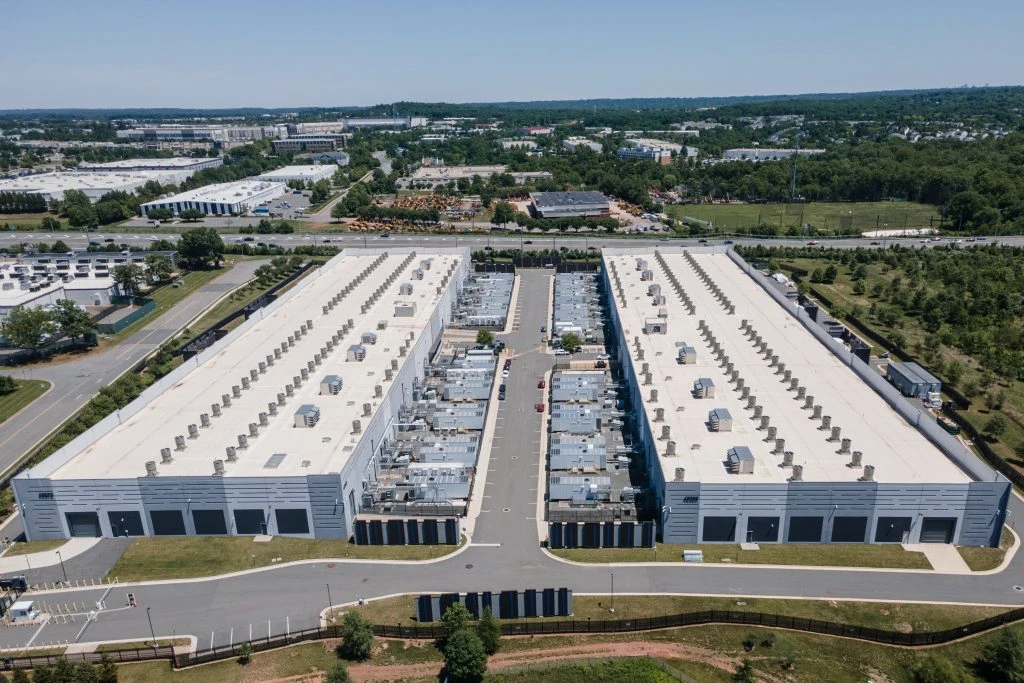
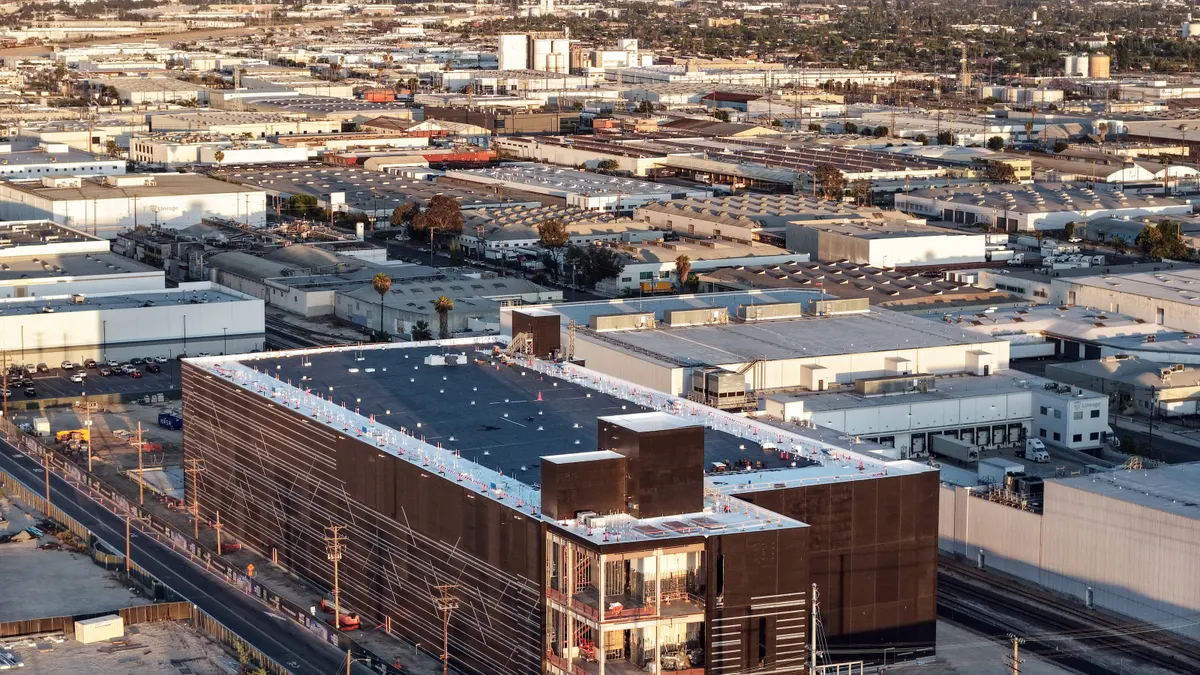
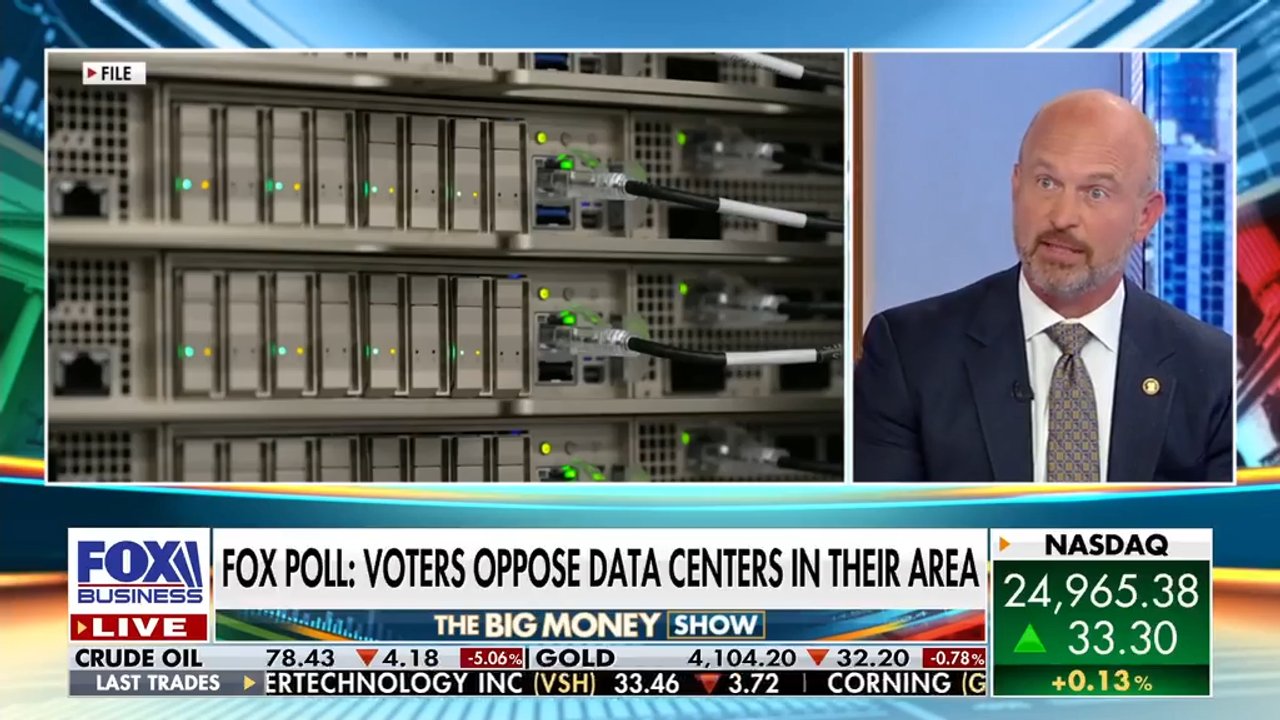
The electricity challenge facing AI infrastructure is fundamentally about inflexibility and geographic concentration, not total demand volume. While data centers will consume 950 terawatt-hours globally by 2030—tripling from AI-focused facilities—they represent only 3% of worldwide electricity demand. The real constraint stems from AI infrastructure arriving in massive blocks at specific locations on timelines incompatible with grid expansion. Almost half of U.S. data-center capacity concentrates in five regional clusters, with 50% of new projects clustering similarly. Technology companies can construct billion-dollar facilities in 2-3 years, yet required transmission infrastructure takes 4-8 years, creating bottlenecks affecting approximately 20% of planned projects.
For e-commerce sellers, this infrastructure bottleneck directly impacts cloud computing costs and AI tool availability. Amazon Web Services (AWS), Google Cloud, and Microsoft Azure—the backbone of modern e-commerce operations—face transmission constraints that will drive up pricing for AI-powered services like product recommendation engines, dynamic pricing algorithms, and customer service automation. Sellers relying on AI tools for inventory optimization, demand forecasting, and personalized marketing will experience 8-15% cost increases through 2030 as data centers pay premium rates for scarce transmission capacity. Small and mid-sized sellers using Shopify's AI features, Amazon's advertising algorithms, and third-party AI SaaS tools will absorb these costs through higher platform fees or reduced AI feature availability.
The solution involves demand flexibility—recognizing that not all computing tasks require continuous availability. While search queries, financial transactions, and AI inference services demand immediate response, training workloads, video processing, and batch operations can shift temporally or geographically. Google demonstrated this approach in March 2026, incorporating 11 GW of demand-response capacity into utility agreements, temporarily reducing machine-learning workloads during grid stress. This transforms data centers from passive consumers into controllable industrial loads. For sellers, this means AI tools may experience periodic performance degradation during peak grid demand periods, particularly in concentrated regions like Northern California, Texas, and Virginia. Sellers should expect variable latency in AI-powered features during 4-8 PM peak hours in these regions.
Strategic implications for sellers include geographic diversification of operations and AI tool selection. Sellers should prioritize cloud providers investing in distributed data centers outside the five concentrated clusters—AWS regions in Ohio, Oregon, and Canada offer better transmission access. Sellers should also evaluate AI tools with flexible scheduling capabilities, allowing batch processing of non-urgent tasks during off-peak hours. Companies implementing demand-response agreements with utilities gain faster connections and potentially lower costs, creating competitive advantages for large sellers who can negotiate directly with cloud providers. The strategy must begin before construction, with siting decisions considering proximity to available generation, waste-heat recovery opportunities, and backup generation integration. Data centers producing substantial low-temperature heat create value only near district-heating networks or customers, affecting long-term cost structures for cloud computing.
Questions 8
What is the competitive advantage for sellers who act on this infrastructure trend now?
Sellers who develop solutions addressing AI infrastructure bottlenecks gain 18-24 month competitive advantage because: (1) infrastructure operators are making siting decisions NOW (2026), (2) the 4-8 year transmission timeline creates urgency for demand-response and waste-heat recovery solutions, (3) early movers can establish partnerships with major data center operators before competitors enter the market, and (4) solutions developed now will become industry standards as infrastructure constraints intensify. Specific advantages include: capturing recurring revenue from demand-response software (10-15% of data center operator savings), establishing geographic arbitrage platforms before regional cloud markets mature, and building location-intelligence tools that become essential for infrastructure planning. The window for competitive advantage is 12-24 months, after which the market will become crowded. Sellers should begin product development and operator outreach immediately.
Are there AI tools that can help me optimize for rising electricity costs?
Yes, AI-powered cost optimization tools can identify which workloads to shift to off-peak hours and which regions offer cheaper computing. Tools like AWS Cost Explorer, Google Cloud's cost management, and third-party platforms like CloudHealth analyze your usage patterns and recommend geographic and temporal optimization. Machine learning workload scheduling tools can automatically defer non-urgent training and batch processing to low-cost periods. Implement these tools immediately to establish baseline costs before price increases accelerate in 2026-2027.