

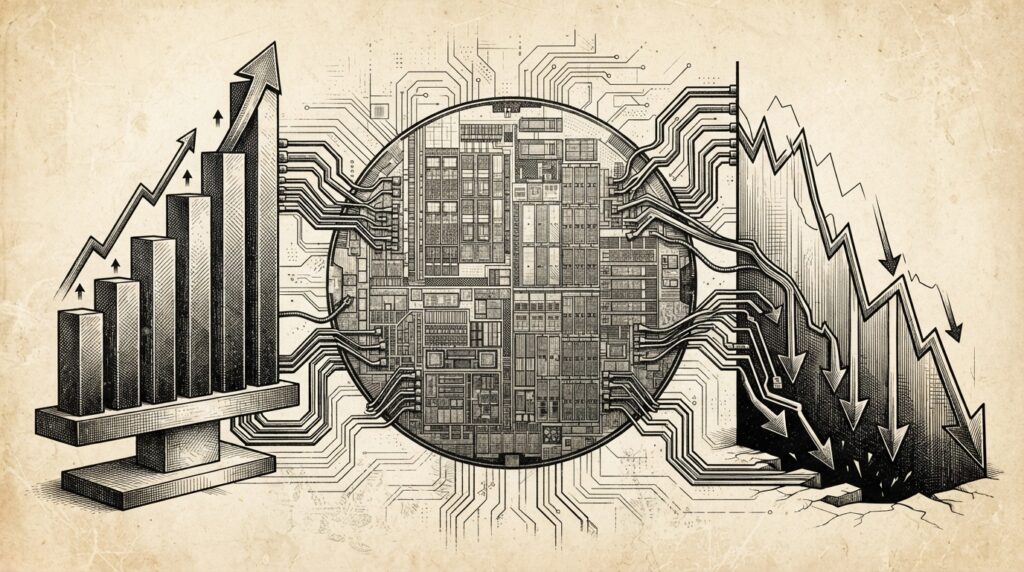


AI-Driven Memory Shortage Through 2028 | Critical Cost & Availability Impact for Electronics Sellers
- Samsung warns memory chip shortage intensifies through 2027-2028; $90B semiconductor cash flow signals sustained AI demand; electronics sellers face 8-15% cost increases and inventory constraints







Overview
The Global Memory Chip Crisis: A Dual-Edge Opportunity for E-Commerce Sellers
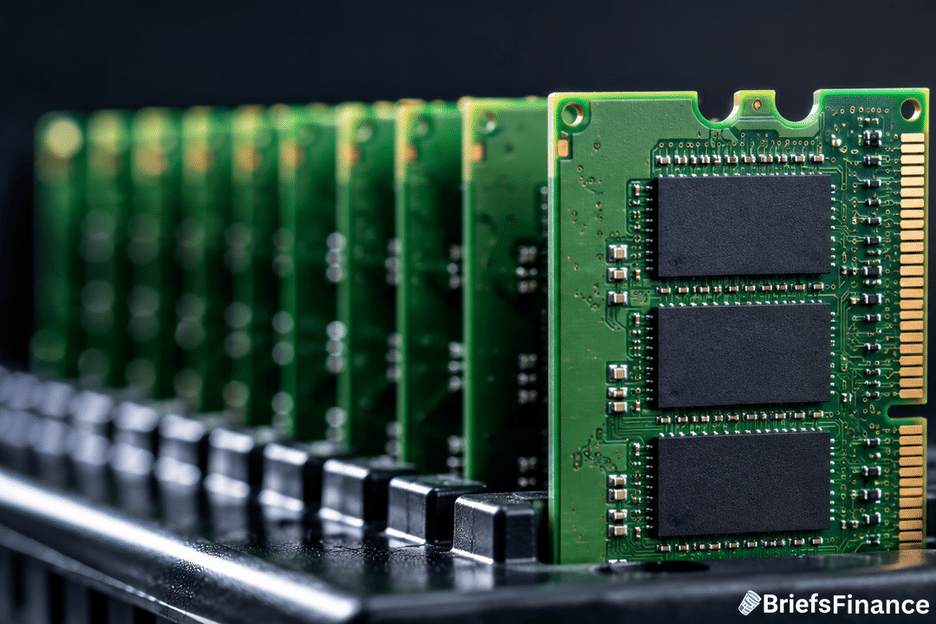
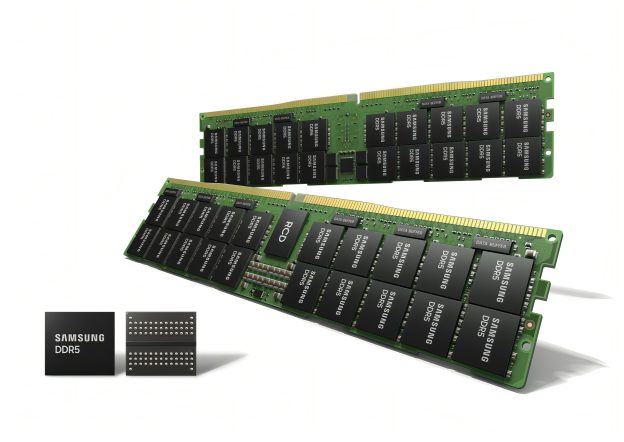
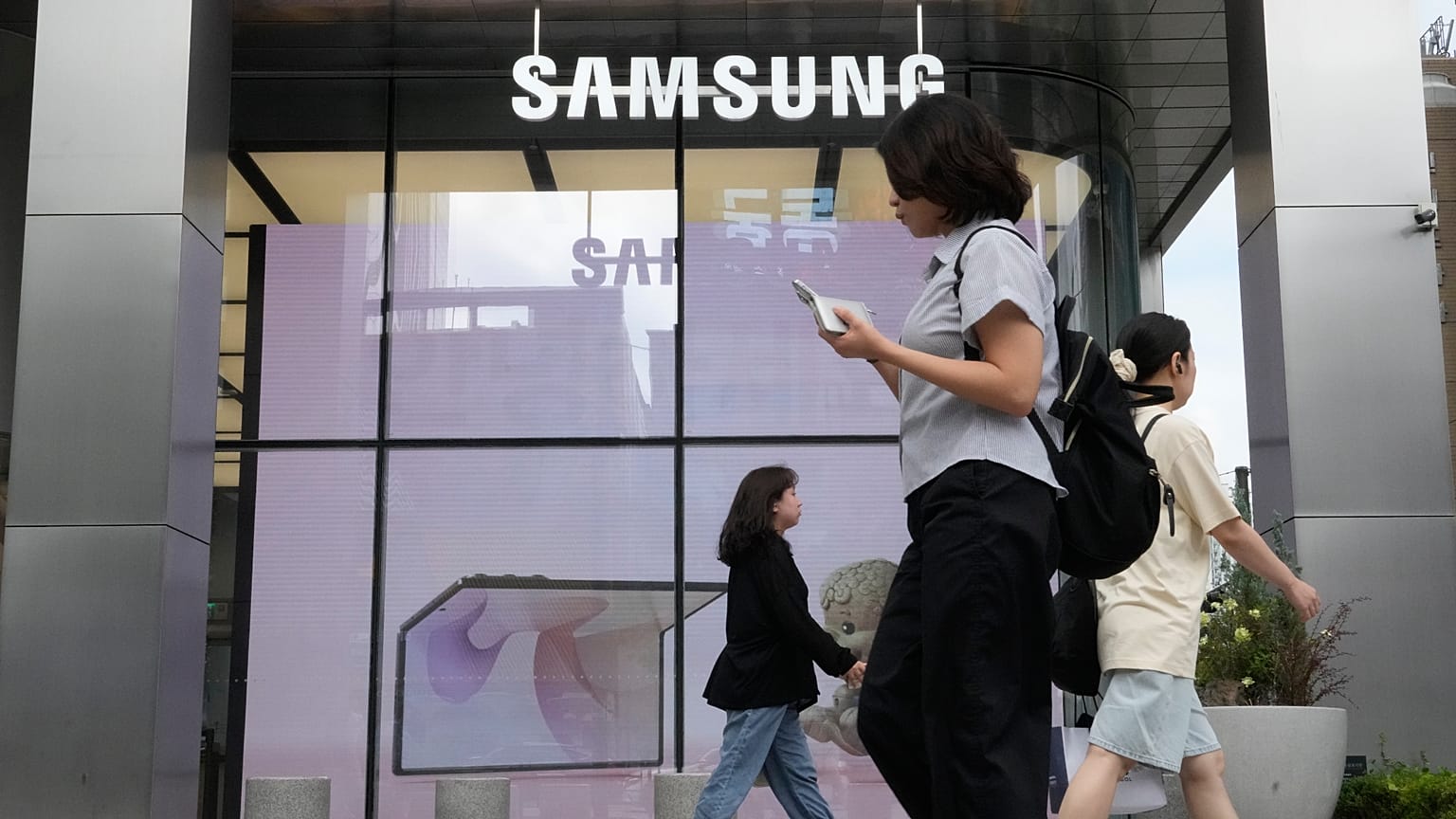
Samsung's Executive Vice President of Memory, Jaejune Kim, delivered a stark warning during the company's latest earnings call: the worldwide memory shortage will intensify significantly through 2027 and 2028, with no immediate relief expected. As a producer of nearly one-third of the world's memory chips, Samsung possesses unparalleled visibility into global supply dynamics. This shortage stems directly from explosive demand for RAM in data centers supporting artificial intelligence infrastructure, which has overwhelmed manufacturing capacity worldwide. The memory chip market is simultaneously experiencing unprecedented profitability—manufacturers generated approximately $90 billion in cash flow as companies like Samsung, SK Hynix, and Micron Technology report record revenues and operating margins. This paradox creates a complex landscape for cross-border e-commerce sellers.
Immediate Seller Impact: Cost Escalation & Inventory Constraints (2025-2028)
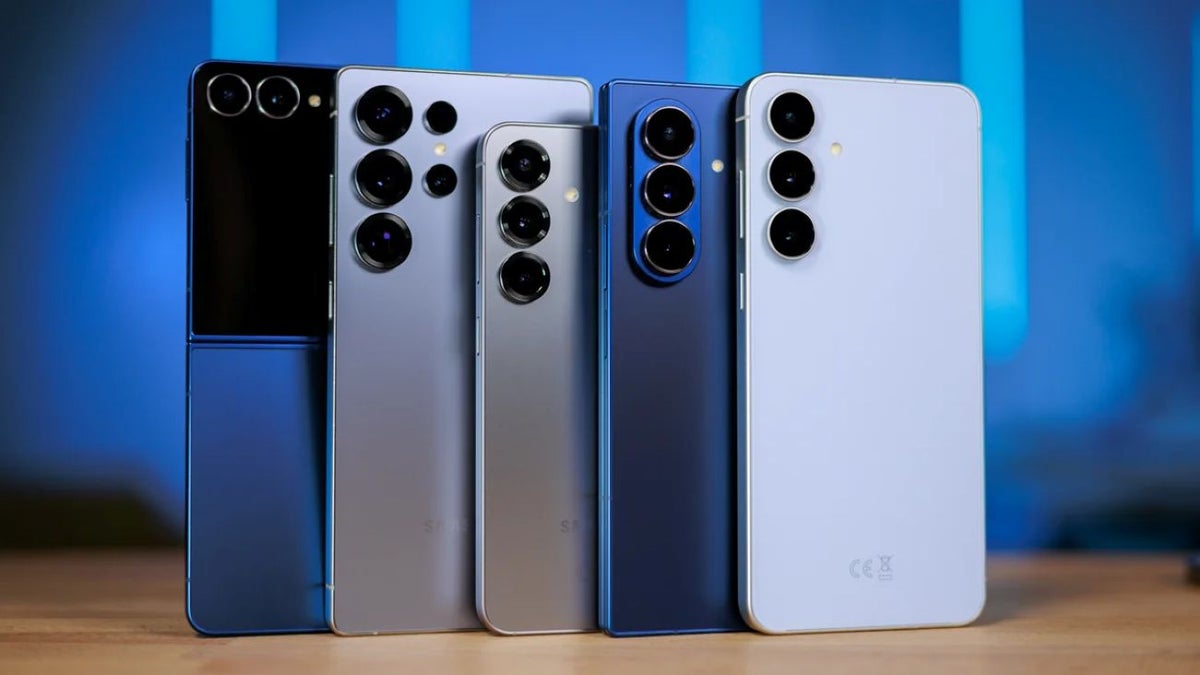
For electronics sellers, this dual dynamic presents urgent operational challenges. Memory shortage-driven cost increases will directly impact product categories including gaming consoles, laptops, tablets, smart home devices, and computer accessories—all high-velocity categories on Amazon, eBay, and Shopify. Samsung's projection indicates continued elevated pricing through 2028, suggesting sellers should expect 8-15% cost increases on memory-dependent products over the next 24 months. Gaming console manufacturers planning next-generation releases face particular challenges in managing production costs and pricing strategies. Sellers currently holding inventory of electronics with embedded memory chips should accelerate sales velocity before Q2 2025, as manufacturing costs will likely rise further. The $90 billion cash flow concentration among three major manufacturers (Samsung, SK Hynix, Micron) means limited negotiating power for mid-market sellers—price increases will be industry-wide, not supplier-specific.
AI-Powered Competitive Advantage: Automation & Predictive Pricing
However, the same semiconductor profitability driving memory costs is accelerating innovation in AI-powered logistics, inventory management, and customer service tools that sellers increasingly rely upon. Improved semiconductor profitability signals accelerated development of edge computing and IoT devices used in supply chain optimization. Sellers should immediately implement AI-driven dynamic pricing tools to adjust margins in real-time as memory costs fluctuate—tools like Keepa, Jungle Scout, and Helium 10 now integrate predictive cost modeling. Automated inventory forecasting using AI can help sellers reduce dead stock of high-cost electronics before prices spike further. Additionally, sellers should leverage AI-powered supplier relationship management to secure long-term pricing agreements with manufacturers before Q2 2025, when memory costs are projected to accelerate. The competitive moat belongs to sellers who automate cost tracking and implement dynamic pricing 60-90 days ahead of competitors.
Strategic Positioning: Category Rotation & Margin Protection
Sellers should immediately audit their electronics inventory mix and consider rotating 20-30% of capital toward lower-memory-dependent categories (apparel, home goods, beauty) where margins remain stable. For sellers committed to electronics, implementing AI-powered margin protection strategies—such as automated price floor adjustments and dynamic bundling—becomes critical. Monitor Samsung's quarterly earnings calls (typically Q1, Q2, Q3, Q4) for updated supply forecasts; each announcement will signal 30-60 day pricing shifts. The window for securing favorable pricing on memory-intensive products closes by end of Q1 2025.
Questions 8
Which product categories will be most affected by memory chip shortages and cost increases?
Gaming consoles, laptops, tablets, smart home devices, computer accessories, and IoT devices face the most direct impact from memory shortages. These categories depend heavily on DRAM and NAND flash memory, which are experiencing unprecedented demand from data centers supporting AI infrastructure. Gaming console manufacturers planning next-generation releases face particular challenges in managing production costs. Sellers in these categories should consider rotating 20-30% of inventory capital toward lower-memory-dependent categories like apparel, home goods, and beauty where margins remain stable. Electronics sellers should prioritize securing long-term pricing agreements with manufacturers before Q2 2025.
What is the connection between the $90 billion memory chip cash flow and e-commerce seller costs?
The $90 billion cash flow concentration among Samsung, SK Hynix, and Micron Technology indicates these three manufacturers control pricing power through 2028. This oligopoly structure means sellers have limited negotiating leverage—price increases will be industry-wide rather than supplier-specific. However, this profitability also accelerates innovation in AI-powered logistics and inventory management tools that sellers rely upon. The cash flow signals sustained demand for memory chips through 2025, meaning prices will remain elevated. Sellers should view this as a signal to implement dynamic pricing tools immediately to protect margins.