
Hemp THC Compliance Delay Until Dec 2024 | E-Commerce Sellers Face 0.4mg Threshold Regulations
- Senate delays federal ban on hemp THC products until December 11, 2024; synthetic cannabinoids face immediate recriminalization; sellers must prepare for 0.4mg total THC per container limit by November 2026















Overview
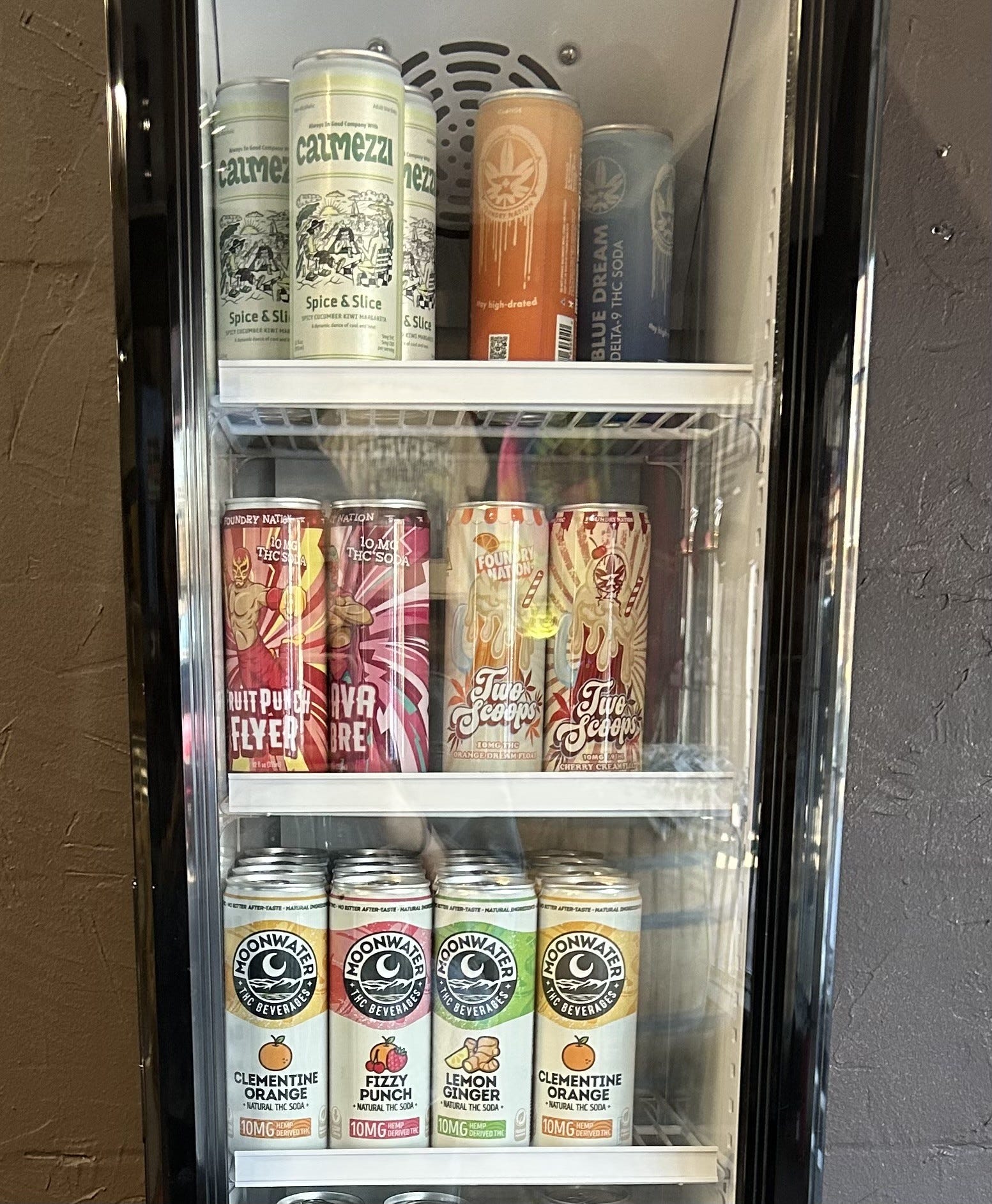
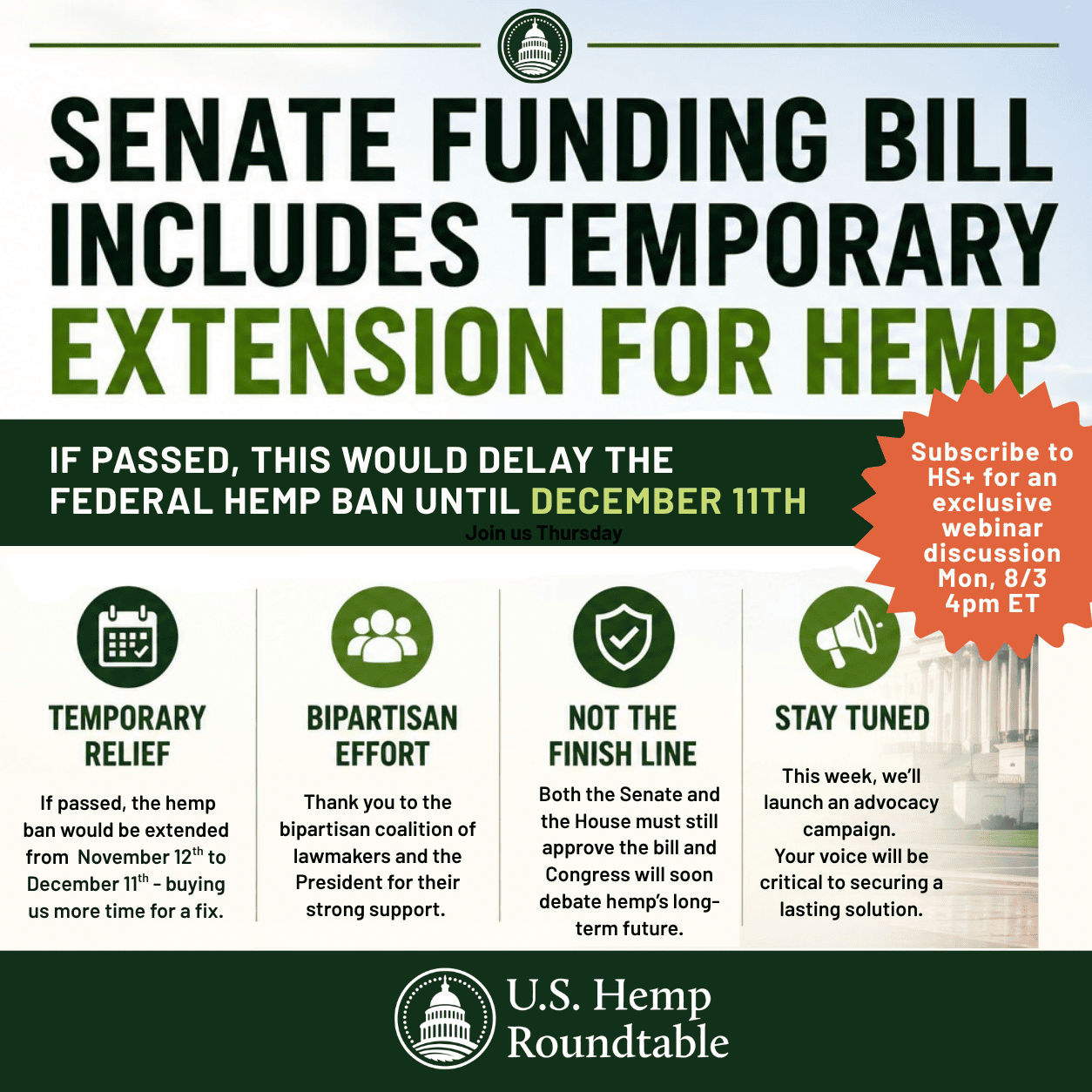
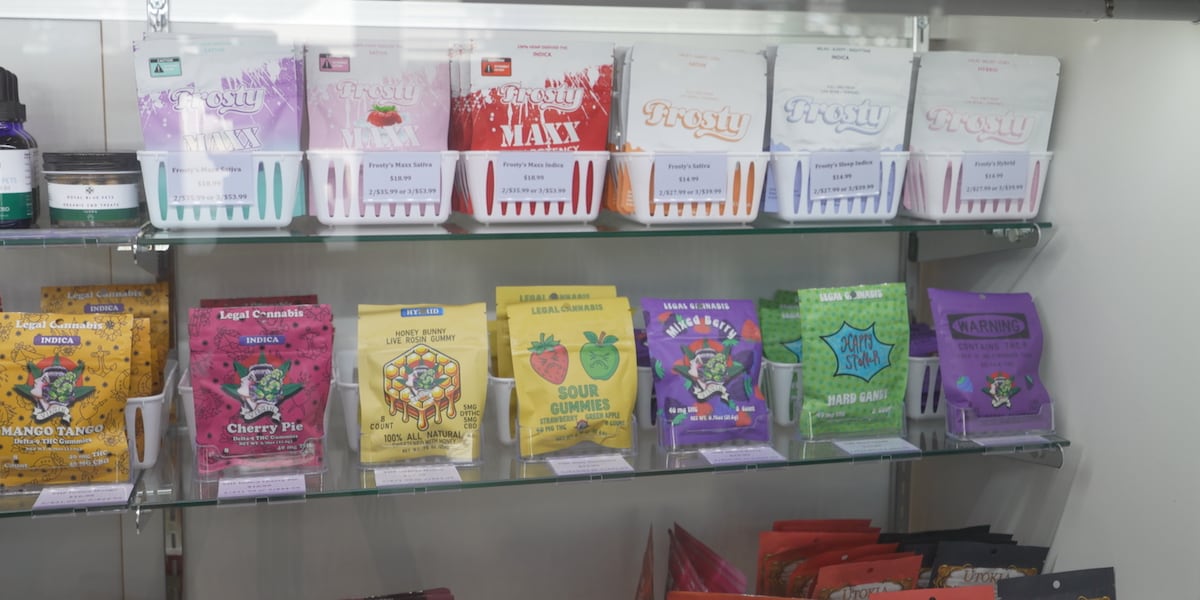
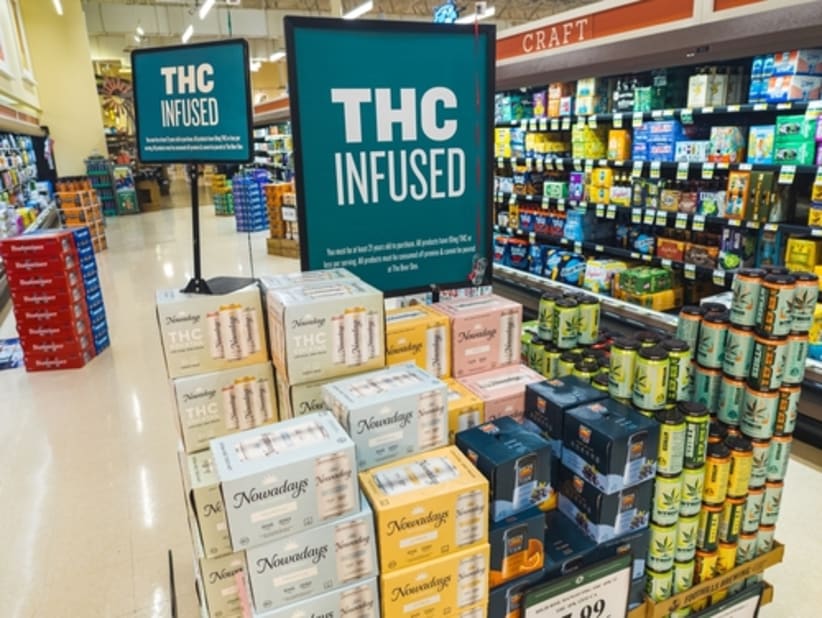
The U.S. Senate has secured a critical regulatory reprieve for the hemp THC e-commerce market by delaying the federal ban on hemp-derived THC products until December 11, 2024, through a continuing resolution in the spending bill. Originally, legislation signed by President Trump in late 2023 would have redefined hemp to allow only products containing 0.4 milligrams of total THC per container, effective November 12, 2024. This delay represents a major compliance window for e-commerce sellers currently offering full-spectrum CBD, delta-8, delta-10, and other cannabinoid products across Amazon, Shopify, eBay, and specialized hemp marketplaces.
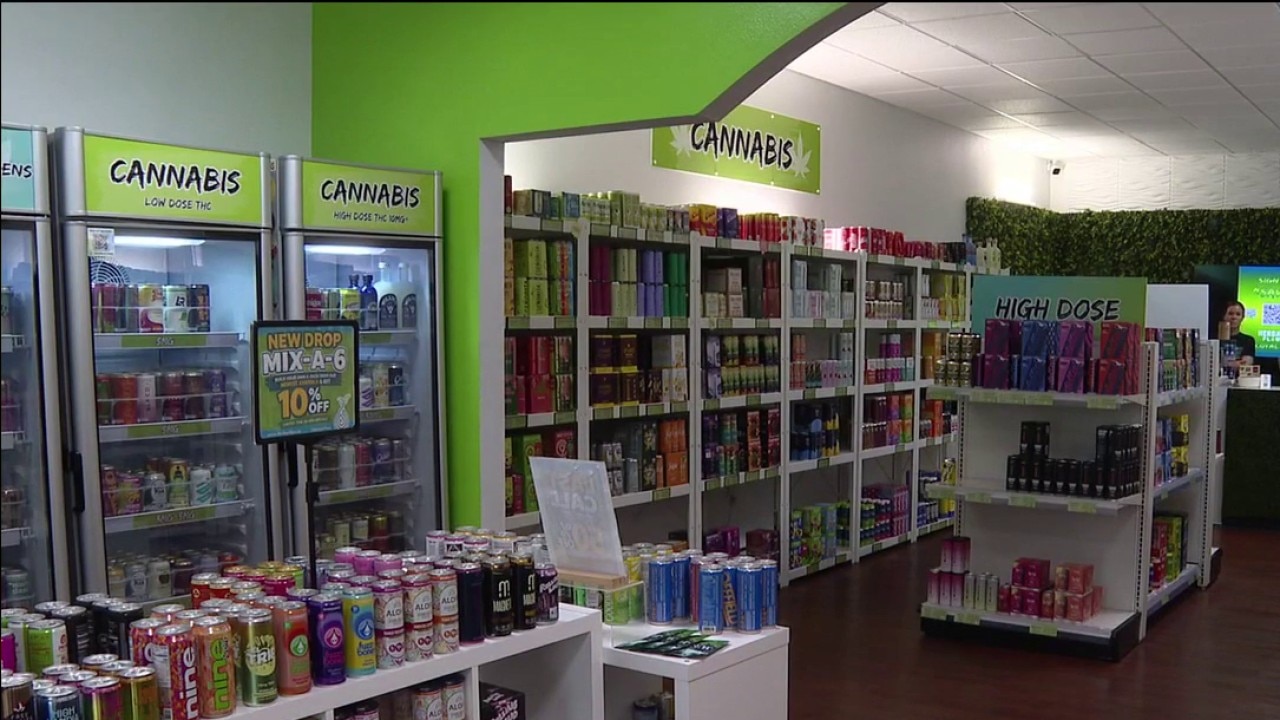
The compliance landscape is bifurcating immediately: Synthetic cannabinoids not naturally produced by Cannabis sativa L. plants face instant recriminalization on November 12, 2024, creating an immediate market elimination for sellers offering purely synthetic delta-8 and delta-10 products. However, naturally-derived hemp cannabinoids gain a 4-week extension to December 11, 2024, when the Senate bill requires House approval. This creates a two-tier compliance scenario: sellers must immediately audit inventory to identify synthetic vs. naturally-derived products, with synthetic product sellers facing forced market exit within weeks. The news reports that approximately 80 products from Florida-based Herban Flow alone will no longer meet federal requirements under the 0.4mg threshold, illustrating the scale of product elimination across the industry.
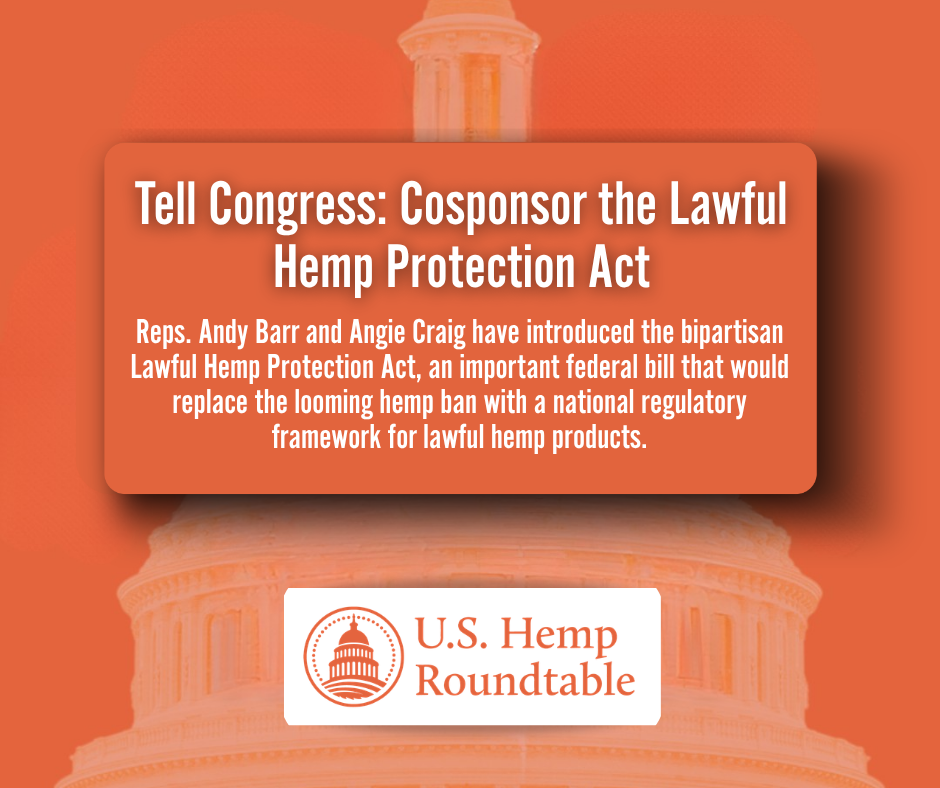
Compliance cost and timeline analysis reveals significant barriers: Proposed bipartisan legislation from Representatives James Comer and Andy Barr mandates packaging requirements, third-party testing rules, age verification (21+), and taxation frameworks. Third-party testing for THC content compliance typically costs $200-500 per product SKU and requires 10-14 days per batch, creating a compliance bottleneck for sellers with 50+ product variations. The Medicare initiative launched in April 2024 covering up to $500 annually in hemp-derived products signals institutional acceptance, but only for CBD products with up to 3 milligrams of total THC per serving—a stricter standard than the 0.4mg container limit. This creates a compliance moat: sellers who achieve Medicare-compliant formulations (≤3mg THC per serving) can access the senior healthcare market while competitors remain locked in gray-market retail channels.
Market elimination rate and competitive consolidation: The regulatory uncertainty has already triggered operational contraction—Herban Flow announced employee layoffs and closed its Tyrone Square location, while AstroBliss Products reduced marketing budgets due to compliance uncertainty. Industry data suggests 20-30% of current hemp THC sellers will exit the market by Q1 2025 if the December deadline holds, as smaller operators lack resources for reformulation, testing, and compliance infrastructure. Conversely, sellers who achieve rapid compliance gain a 12-month window (December 2024 to November 2026) to capture market share from exiting competitors before the final 0.4mg threshold enforcement. Kratom and functional mushroom products remain unaffected by these regulations, creating a legal alternative category for sellers seeking to pivot away from THC compliance complexity.
E-commerce platform implications: Amazon, Shopify, and eBay have maintained cautious policies on hemp THC products, requiring seller compliance with state and federal law. The Senate delay provides platforms with regulatory clarity to maintain hemp product categories through December 2024, but platforms will likely implement stricter compliance verification (age gates, testing documentation, state-by-state restrictions) by Q4 2024. Sellers should expect platform policy updates requiring proof of third-party testing, manufacturing documentation, and state-specific compliance certifications. The regulatory window creates urgency for sellers to establish relationships with ISO 17025-accredited testing labs and compliance service providers before December 2024, when demand for these services will spike 300-400% as sellers rush to reformulate products.
Questions 8
What compliance costs and timelines should sellers budget for hemp product reformulation?
Third-party testing for THC content compliance costs $200-500 per product SKU and requires 10-14 days per batch. Packaging redesign and labeling updates for age verification (21+) and testing documentation add $100-300 per SKU. Sellers with 50+ product variations face total compliance costs of $15,000-40,000 and 8-12 week timelines. The Medicare initiative covering up to $500 annually in hemp products creates a higher compliance standard (≤3mg THC per serving), requiring additional reformulation investment. Sellers should prioritize testing lab relationships immediately, as demand for compliance services will spike 300-400% by October 2024 as the December deadline approaches.
Which hemp products will be banned and which can remain legal?
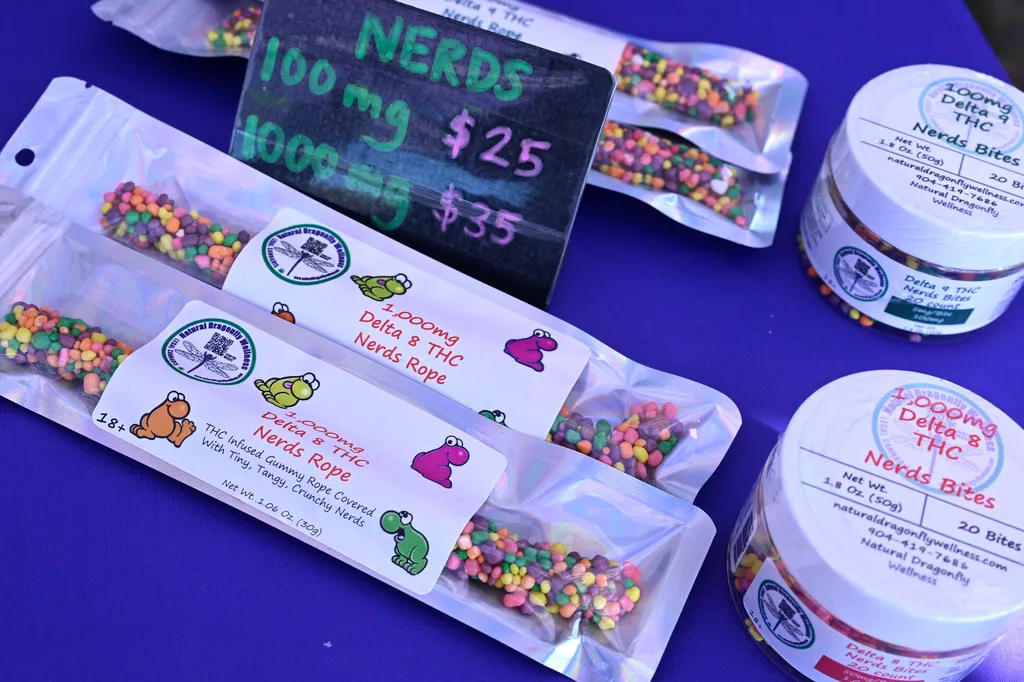
Products banned: Synthetic cannabinoids (delta-8, delta-10 produced through chemical synthesis, not naturally derived from hemp) face immediate recriminalization. Products containing more than 0.4mg total THC per container will be illegal after the December 2024 deadline. Products that can remain legal: Full-spectrum CBD products derived from Cannabis sativa L. plants, naturally-derived delta-8 and delta-10 from hemp, and products meeting the 0.4mg threshold. Kratom and functional mushroom products are unaffected. The news reports that approximately 80 products from Herban Flow will become non-compliant, illustrating the scale of reformulation required across the industry.