

Iran Nuclear Deal & Yen Intervention Drive 4-7% Oil Decline | Cross-Border Logistics Cost Relief for E-Commerce Sellers
- Oil prices fall from $88+ to $79-84/barrel; shipping costs drop 5-8% for international sellers; yen stabilizes at 155-157 range benefiting Japan-US trade corridor















Overview
Geopolitical De-Escalation Creates Immediate Logistics Cost Relief for Cross-Border Sellers
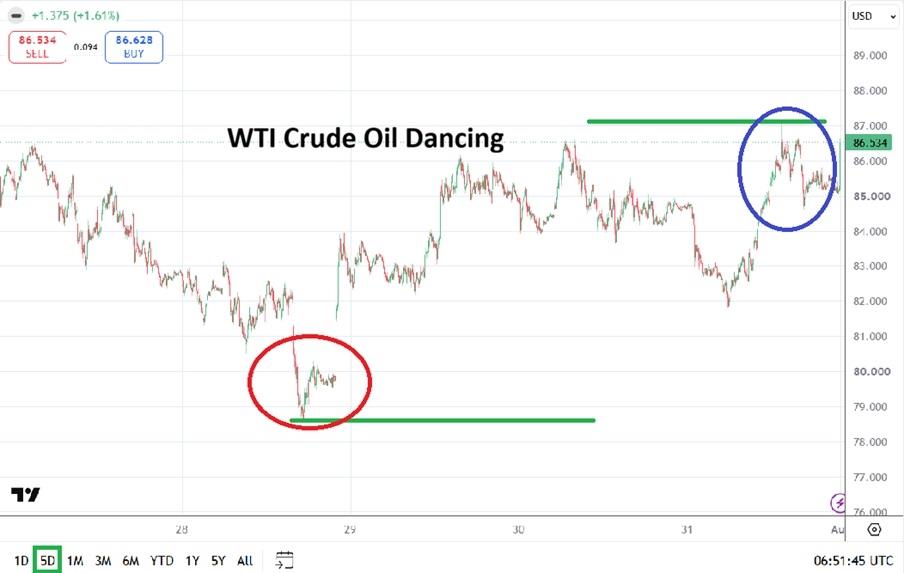
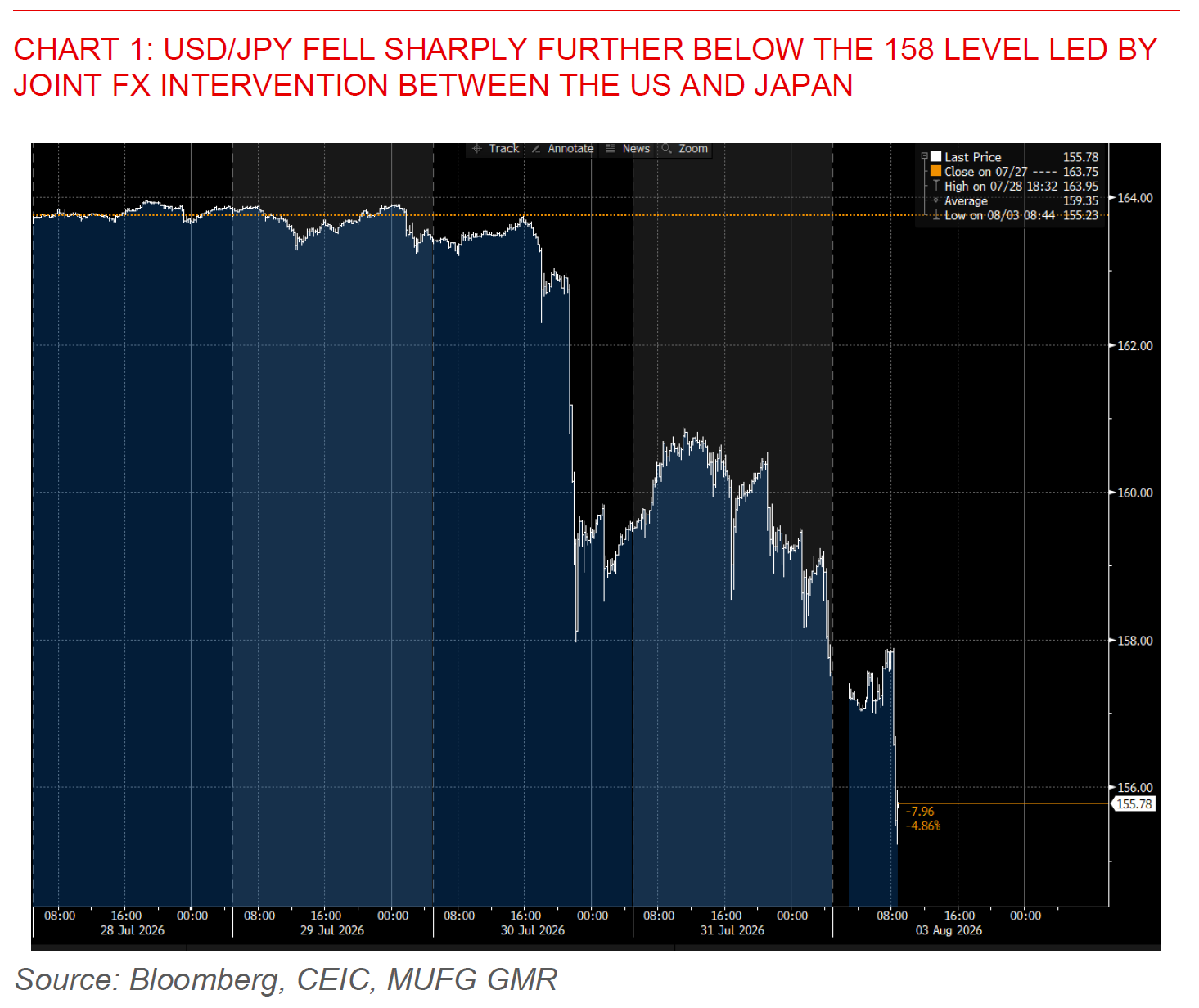
On August 3, 2026, President Trump announced cancellation of planned military action against Iran to pursue nuclear negotiations, triggering a sharp 4-7% decline in crude oil prices. Brent crude fell from $88+ to $83-84/barrel, while West Texas Intermediate dropped to $79-80/barrel, representing the largest single-day decline in months. Simultaneously, the U.S. and Japan executed coordinated currency intervention—the first bilateral action since 2011—supporting the weakening yen from 163.99 to 155-157 per dollar. OPEC+ approved a 188,000 barrel-per-day production increase effective September, completing a phased rollback of 2023 cuts. These dual developments directly impact cross-border e-commerce sellers through reduced shipping costs and currency stabilization.
Immediate Logistics Cost Compression for Freight-Dependent Categories
For sellers shipping internationally via ocean freight, the 4-7% oil price decline translates to 5-8% reduction in fuel surcharges on containerized shipments. A typical 40-foot container from Shanghai to Los Angeles carrying electronics or apparel (approximately 15-20 tons) saw fuel surcharges drop from $800-1,200 to $750-1,100 per container. This benefits high-volume sellers in electronics, home goods, and apparel categories most heavily dependent on fuel-indexed pricing. Sellers managing inventory across multiple regions—particularly those with significant exposure to freight-dependent products—can expect margin improvements of 2-4% on international orders. However, the news explicitly cautions that volatility remains high: if Iran negotiations collapse or Strait of Hormuz traffic disruptions resume, oil could spike back above $90/barrel within weeks. Sellers relying on fuel surcharge pass-through pricing models face uncertainty; those with fixed-price contracts locked in before August 3 gain immediate competitive advantages.
Currency Stabilization Benefits Japan-US Trade Corridor & Yen-Denominated Sourcing
The coordinated yen intervention represents a critical shift for sellers importing from Japan or operating in Japanese marketplaces. The yen's rebound from 163.99 to 155.2 per dollar—described by StoneX analyst Matt Simpson as likely having "bottomed for the year"—reduces hedging costs and improves predictability for sellers sourcing Japanese electronics, automotive parts, and consumer goods. Sellers with yen-denominated supplier contracts saw immediate relief: a ¥10 million purchase that cost $61,000 at 164 yen/dollar now costs $64,500 at 155 yen/dollar, representing a 5.7% cost reduction. The Federal Reserve's commitment to expand repurchase facilities signals sustained dollar liquidity support, reducing currency volatility risk through Q4 2026. For sellers operating on Amazon Japan, Rakuten, or Yahoo Shopping, the yen stabilization improves consumer purchasing power and reduces currency translation losses on repatriated profits. The 2-year Japanese Government Bond yield reaching 1.545% (highest since 1995) signals market expectations for Bank of Japan rate hikes, which could further strengthen the yen—a positive signal for sellers with yen-denominated revenue.
Supply Chain Risk Reduction & Strait of Hormuz Reopening Potential
The diplomatic de-escalation directly addresses the Strait of Hormuz bottleneck, through which approximately one-third of seaborne traded oil passes. July 2026 saw oil prices surge over 20% due to U.S.-Iran military exchanges and tanker attacks near Oman, creating shipping delays and security premiums. The news reports that two Saudi oil tankers successfully crossed the Bab el-Mandeb Strait over the weekend, signaling potential traffic normalization. If negotiations succeed in achieving "Immediate, Complete and Total" Strait reopening, sellers can expect: (1) elimination of $500-1,500 per-container security surcharges currently applied to Middle East-routed shipments, (2) 3-5 day reduction in transit times for goods transiting the Suez Canal corridor, and (3) reduced insurance premiums on shipments through high-risk zones. However, analyst Tony Sycamore warns negotiations could "rinse and repeat" if Iran leverages Strait control through further attacks, creating a 6-12 month window of uncertainty. Sellers should avoid long-term fixed-price contracts assuming sustained low oil prices; instead, negotiate quarterly price adjustments with 3PL providers through Q1 2027.
Questions 8
How much will my international shipping costs drop from the oil price decline?
Ocean freight fuel surcharges typically represent 8-15% of total shipping costs and are indexed to crude oil prices. With Brent crude falling 4-7% (from $88+ to $83-84/barrel), sellers can expect fuel surcharge reductions of 5-8% on containerized shipments. A typical 40-foot container from Asia to North America carrying 15-20 tons of goods will see fuel surcharges drop approximately $50-150 per container. However, this benefit applies primarily to ocean freight; air freight and parcel carriers (FedEx, UPS, DHL) adjust fuel surcharges monthly with a 30-45 day lag, so savings may not appear until September-October 2026. Lock in current quotes from 3PL providers immediately if planning Q3-Q4 shipments.
What are the risks if Iran negotiations fail?
If Iran negotiations collapse or Strait of Hormuz disruptions resume, oil prices could spike back above $90/barrel within weeks—erasing all current gains and potentially exceeding July 2026 highs of $108+/barrel. This would trigger: (1) fuel surcharge increases of 8-12% on ocean freight, (2) security surcharges of $500-1,500 per container on Middle East-routed shipments, (3) 5-10 day transit time increases due to rerouting around the Cape of Good Hope, and (4) insurance premium increases of 15-25% on high-risk zone shipments. Sellers should monitor Iran nuclear negotiations weekly through official U.S. State Department and IAEA announcements. Avoid locking in long-term fixed-price logistics contracts; instead, negotiate quarterly adjustments with 30-day termination clauses. Consider building 2-3 weeks of additional inventory buffer for Q4 2026 to hedge against potential supply chain disruptions.