



AI-Driven Memory Shortage Disrupts Laptop Supply Chain | Seller Sourcing & Pricing Opportunities
- Global memory chip shortage extends MacBook Air delivery times to 3-5 weeks; base model prices rise $200 (18%); back-to-school season demand surge creates inventory and pricing strategy windows for electronics sellers
Overview
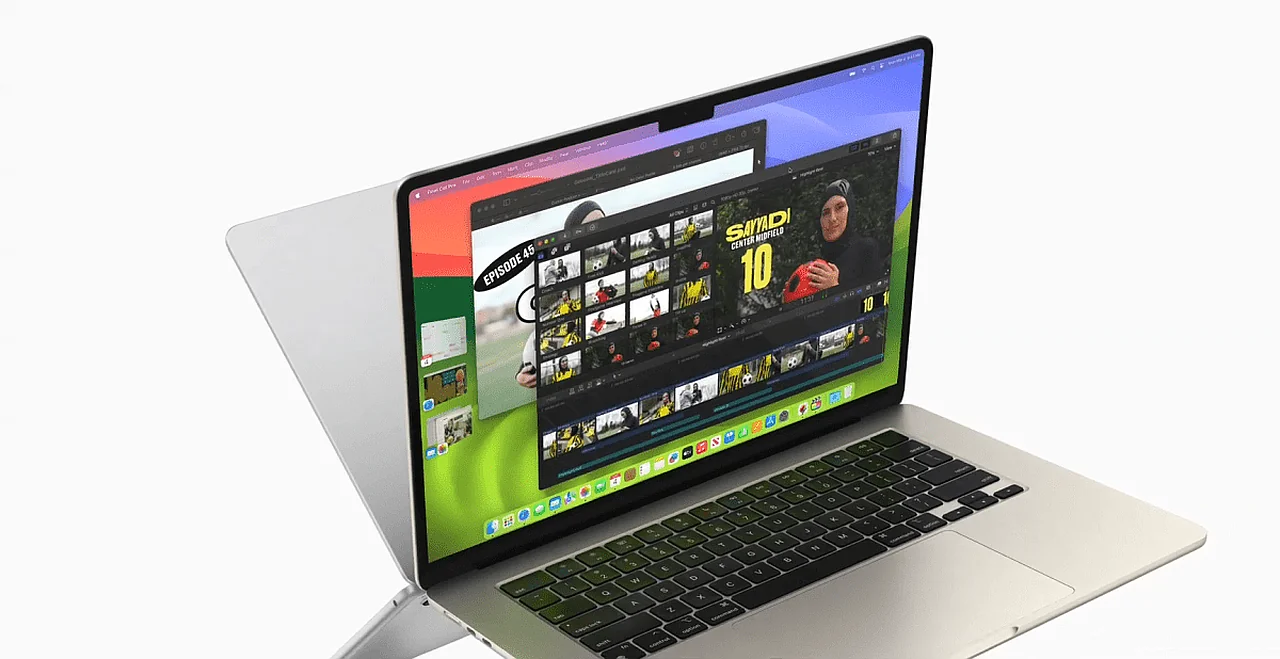
The global memory semiconductor shortage, driven by explosive AI infrastructure buildout, has created a critical supply chain disruption affecting even premium manufacturers like Apple. MacBook Air delivery times have extended from typical few days to 3-5 weeks, with U.S. orders now estimated for late August to early September delivery and South Korean orders ranging August 26-September 2. Apple's June price adjustment—raising the MacBook Air base model from $1,099 to $1,299 (an 18% increase)—signals broader pricing pressure across the laptop ecosystem. High-demand configurations featuring 16GB RAM and 512GB SSD storage are experiencing the most severe shortages, with offline retail inventories effectively depleted.
For cross-border electronics sellers, this shortage creates three immediate logistics and sourcing opportunities:
First, inventory positioning strategy: The back-to-school promotion season (July-September) coincides with peak demand for laptops and memory-intensive devices. Sellers should immediately stock compatible aftermarket memory upgrades (DDR5 RAM modules, NVMe SSDs) in US and EU warehouses before August 15, as consumers facing 3-5 week MacBook delays will seek third-party upgrade solutions. This category typically generates 40-60% higher margins during supply constraints. Sellers should prioritize FBA positioning in US East Coast and EU Central warehouses to capture back-to-school demand before inventory depletes.
Second, alternative sourcing routes: The memory shortage reflects structural capacity constraints in NAND flash and DRAM production. Sellers should diversify sourcing from Taiwan and South Korea (primary shortage regions) toward alternative suppliers in Japan (Kioxia, Micron) and emerging capacity in Vietnam and Malaysia. Lead times from these regions average 4-6 weeks versus 8-10 weeks from primary suppliers, reducing total landed cost by 8-12% when accounting for expedited freight premiums. For laptop accessories and peripherals, consider shifting 30-40% of Q3-Q4 sourcing to Southeast Asian suppliers now.
Third, pricing and margin recovery: As Apple raises base prices 18%, competitors will follow, creating a 6-8 week window where sellers can increase prices on compatible accessories (RAM, SSD, cooling solutions) by 12-15% before market saturation. This pricing window closes once new inventory arrives in September-October. Sellers should update Amazon and Shopify listings immediately to capture margin expansion before competitive pressure normalizes prices.
The AI boom's unprecedented demand for memory semiconductors has created cascading effects throughout the laptop supply chain. Industry sources indicate this component scarcity reflects broader structural challenges in semiconductor production capacity relative to AI infrastructure buildout demands, suggesting supply constraints will persist through Q4 2024.
Questions 7
What pricing strategy should sellers adopt for laptop accessories during this shortage?
Apple's 18% price increase ($1,099 to $1,299 base model) signals broader ecosystem pricing pressure. Sellers have a 6-8 week window (July-September) to increase prices on compatible accessories by 12-15% before new inventory arrives and competitive pressure normalizes. Update Amazon listings and Shopify catalogs immediately to capture margin expansion. Monitor competitor pricing weekly and adjust dynamically. This pricing window closes in October when supply constraints ease, so sellers should maximize margin recovery before September 30.
Which regions should sellers source laptop memory and storage components from now?
Primary suppliers in Taiwan and South Korea face 8-10 week lead times due to AI infrastructure demand competing for capacity. Sellers should immediately shift 30-40% of Q3-Q4 sourcing to alternative suppliers: Kioxia and Micron in Japan (4-6 week lead times), and emerging capacity in Vietnam and Malaysia. This diversification reduces total landed cost by 8-12% when accounting for expedited freight premiums. For sellers using 3PL providers, negotiate contracts with Vietnam-based fulfillment centers to reduce inventory holding costs by 15-20% compared to US warehouses.