




NFL Performance Dynamics Reveal Organizational Transformation Strategies
- Strategic Pivots and Performance Management in Professional Sports Ecosystems












Overview
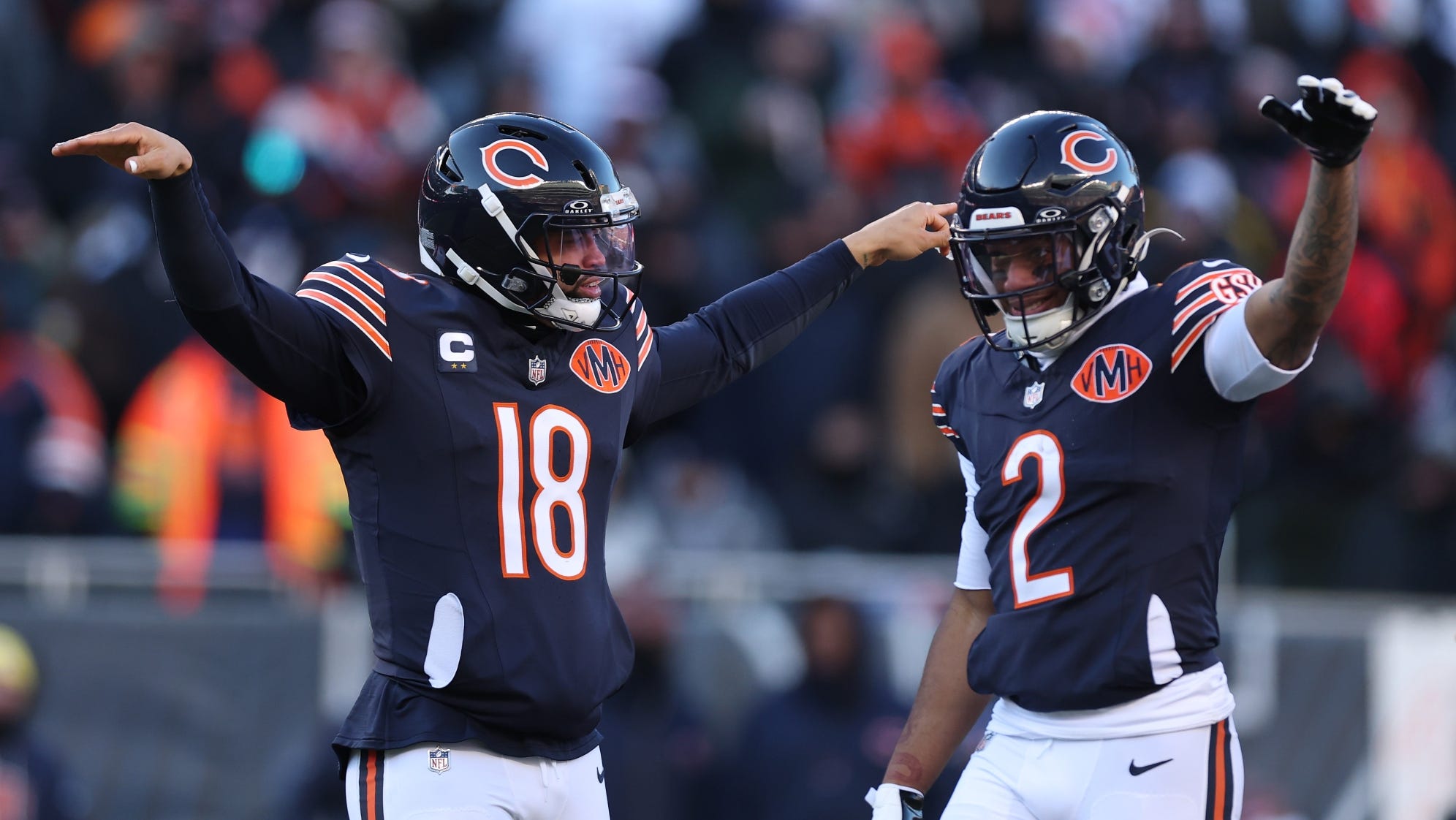
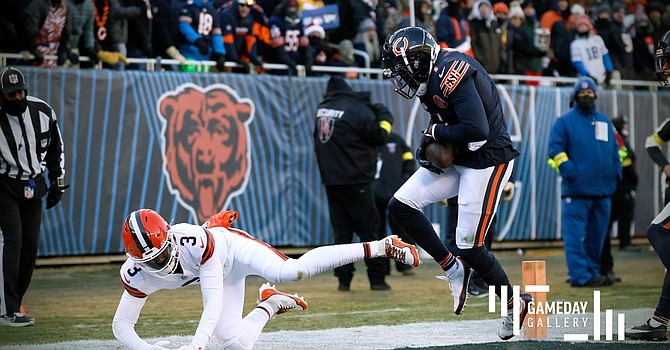
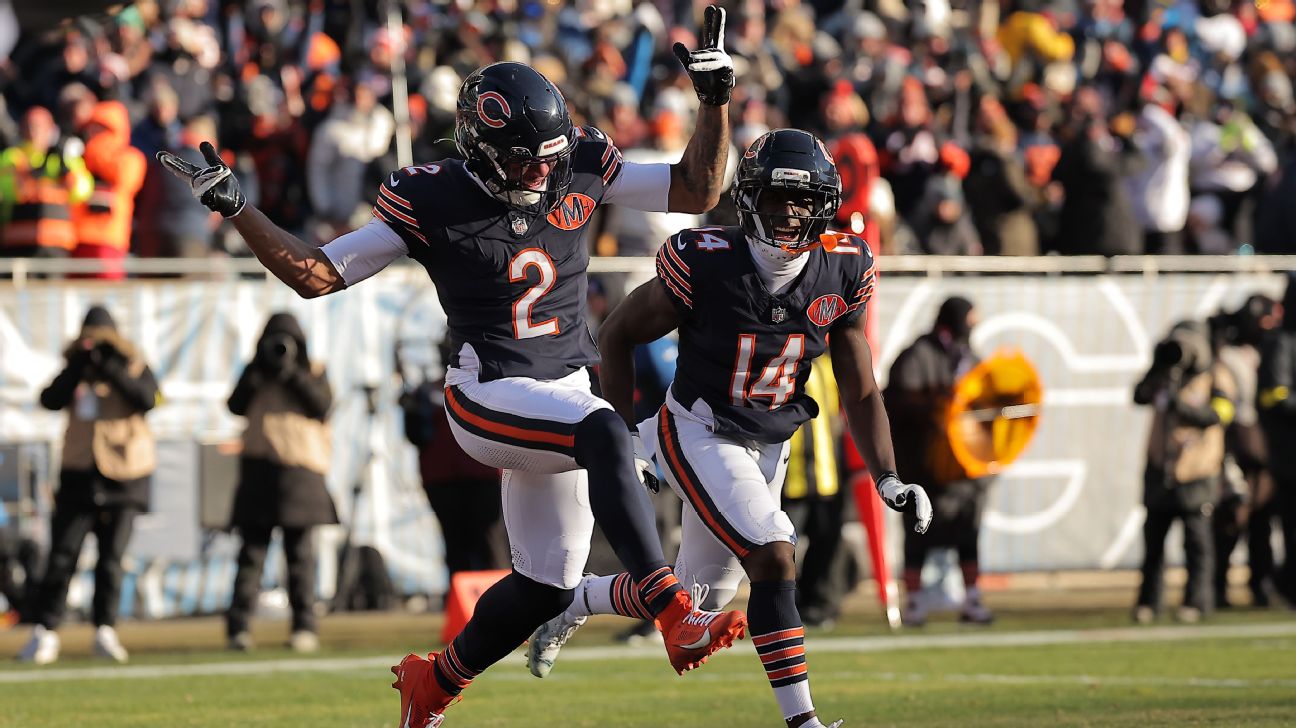
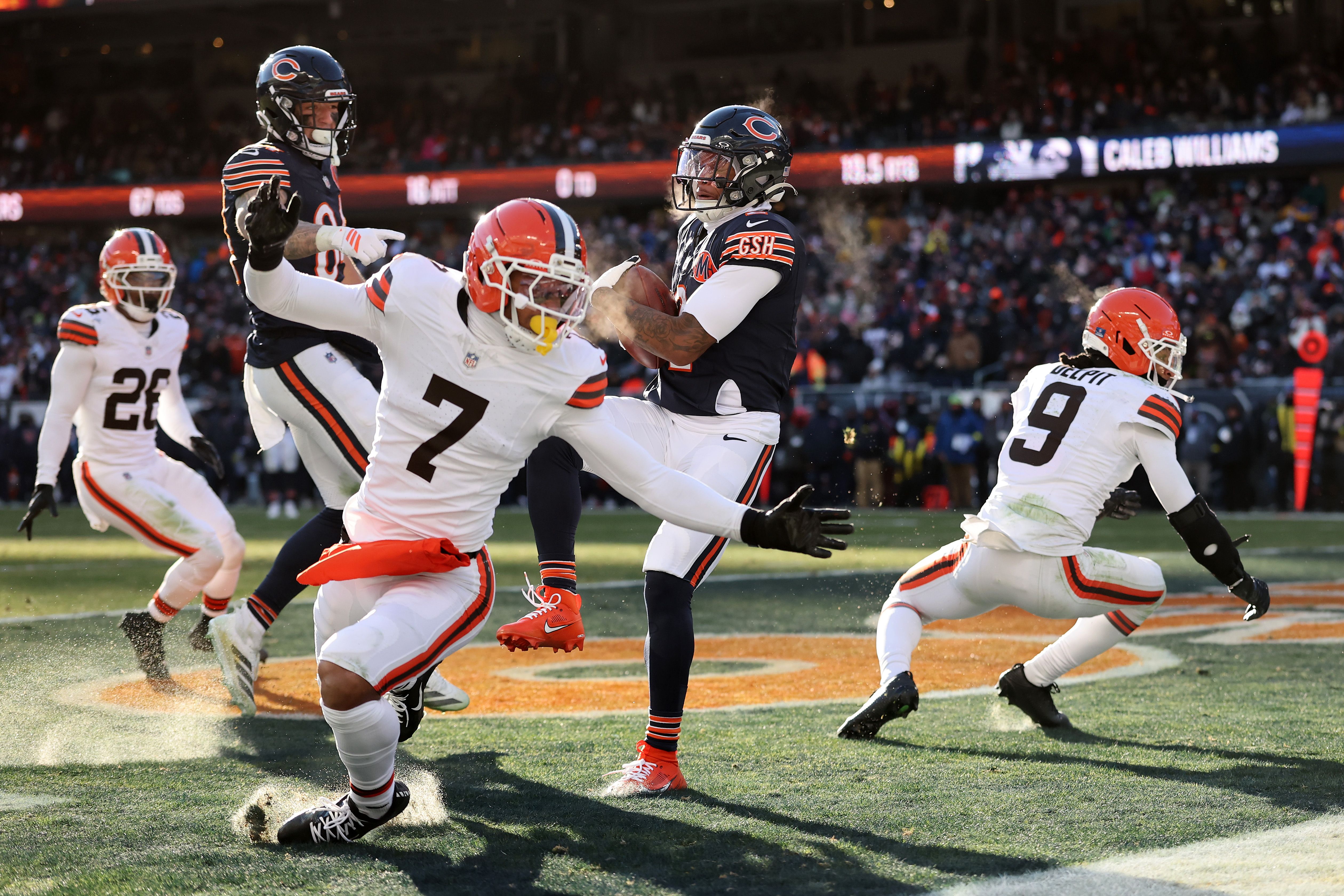
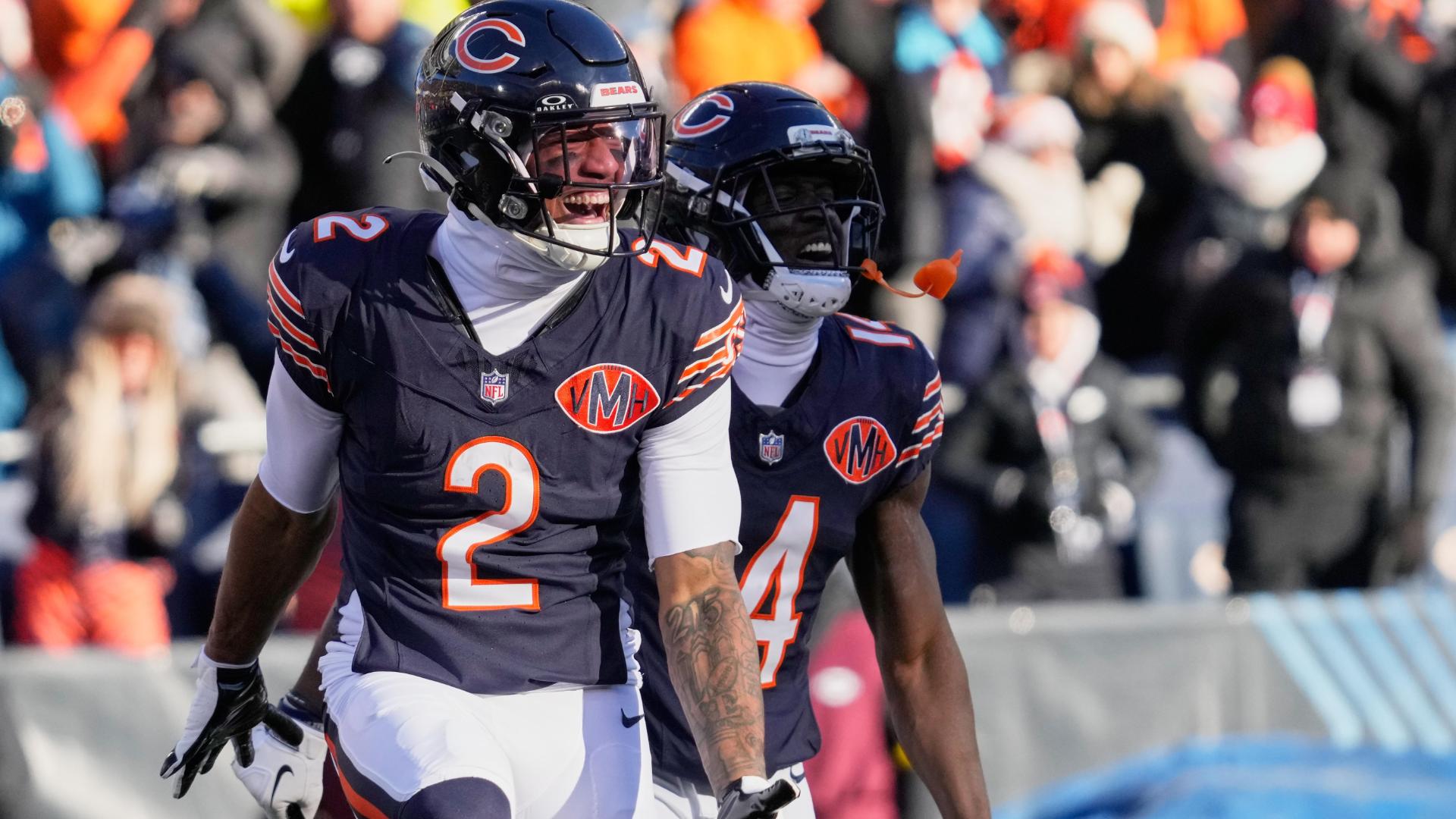
In the high-stakes arena of professional football, the recent Chicago Bears versus Cleveland Browns matchup unveils a critical narrative of organizational resilience and strategic recalibration. The game's most compelling subplot centers on DJ Moore's breakthrough performance, which transcends mere athletic achievement to symbolize deeper organizational dynamics.
Moore's two-touchdown game represents more than individual athletic success—it's a microcosm of strategic adaptation. After a disappointing Week 14 with minimal impact, Moore's explosive performance signals a profound organizational learning mechanism. Head coach Ben Johnson's deliberate strategy to more actively involve Moore demonstrates the critical importance of flexible player utilization and responsive management.
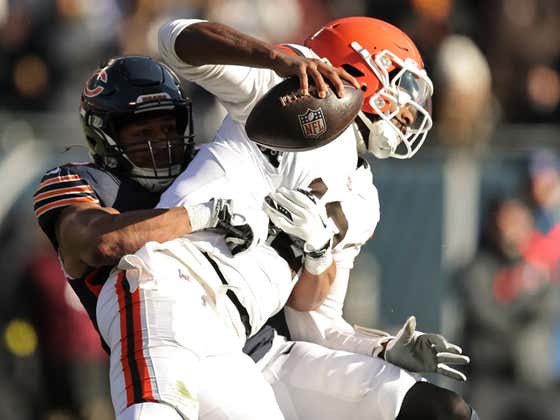
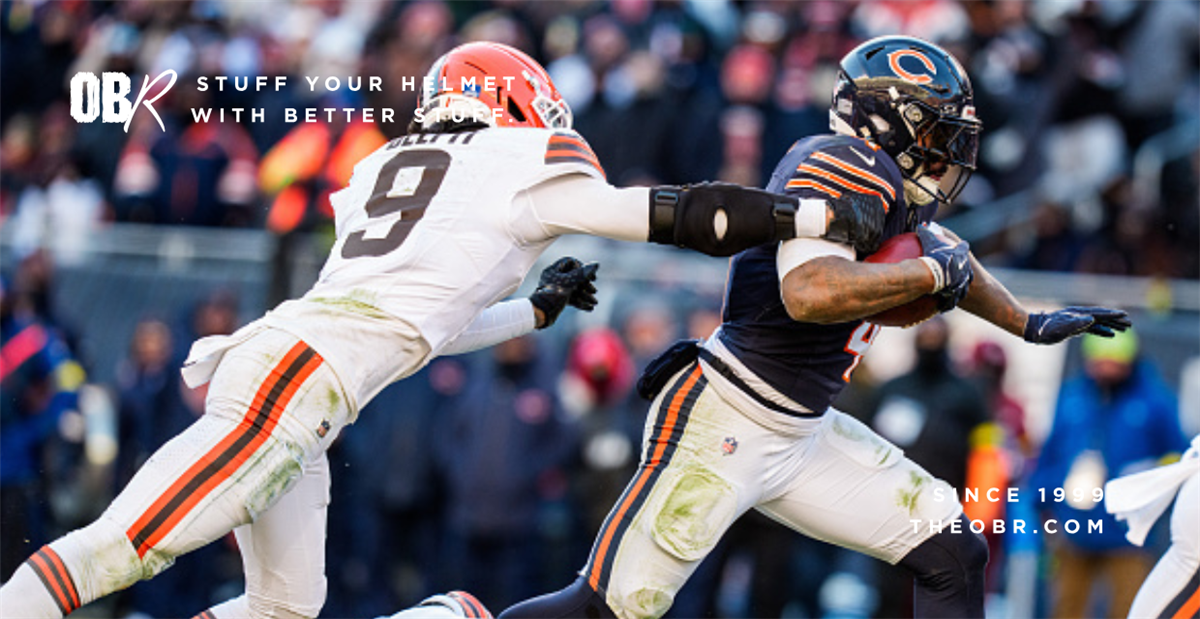
The Browns' comprehensive 31-3 defeat reveals systemic challenges that extend far beyond a single game's outcome. With only four games scoring above 17 points and three failing to reach double digits, the organization faces a fundamental performance crisis. Rookie quarterback Shedeur Sanders' struggle—throwing three interceptions and managing just 192 total yards—highlights the intricate challenges of talent development and strategic alignment.
The most significant insight emerges in the potential organizational transformation suggested by these events. The Browns' situation implies that 2024 is not merely a transitional year but a potential inflection point requiring holistic reimagination of team building, player development, and strategic planning. The makeshift offensive line, ineffective wide receiver corps, and subpar special teams performance underscore the need for comprehensive structural changes.
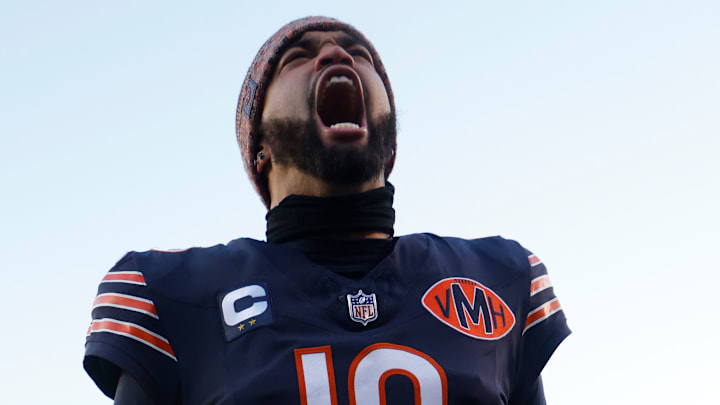
Critically, these dynamics mirror broader organizational challenges: the ability to recognize underutilized potential, create adaptive strategies, and rapidly recalibrate when existing approaches prove ineffective. Moore's "about damn time" quote encapsulates a universal organizational truth—breakthrough often comes from recognizing and unleashing latent capabilities.
Questions 3
What are the key indicators of potential organizational transformation?
Key indicators include recognizing underutilized talent, creating adaptive strategies, rapidly recalibrating existing approaches, and maintaining a flexible approach to player development and team management.
How do the Browns' challenges reflect broader organizational issues?
The Browns' systemic performance problems—including ineffective offensive lines, underperforming wide receivers, and special teams struggles—indicate a comprehensive need for strategic restructuring, talent development, and holistic organizational reimagination.