

Theme Park Closure Signals O2O Opportunity | Experiential Retail & Merchandise Licensing
- Atlanta market exit reveals $6M+ asset liquidation; sellers can capitalize on theme park merchandise, collectibles, and experiential retail partnerships in high-traffic entertainment venues

Overview
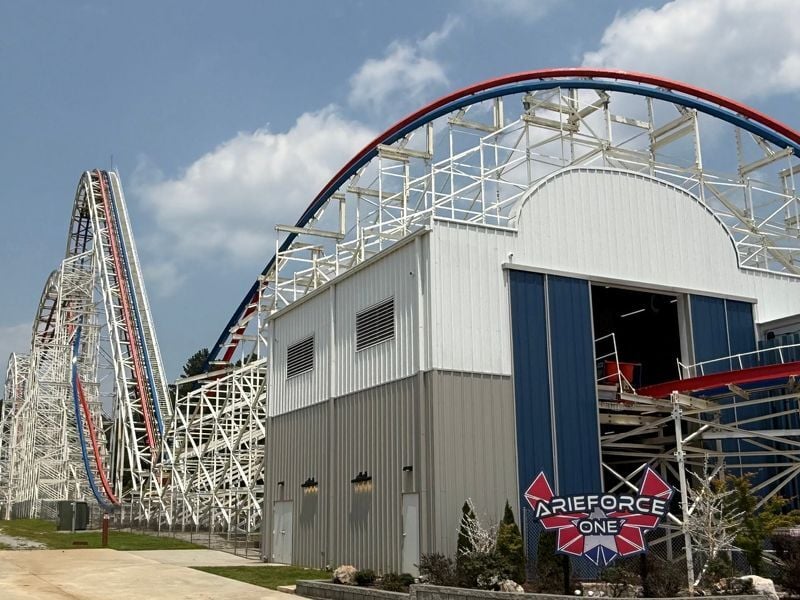
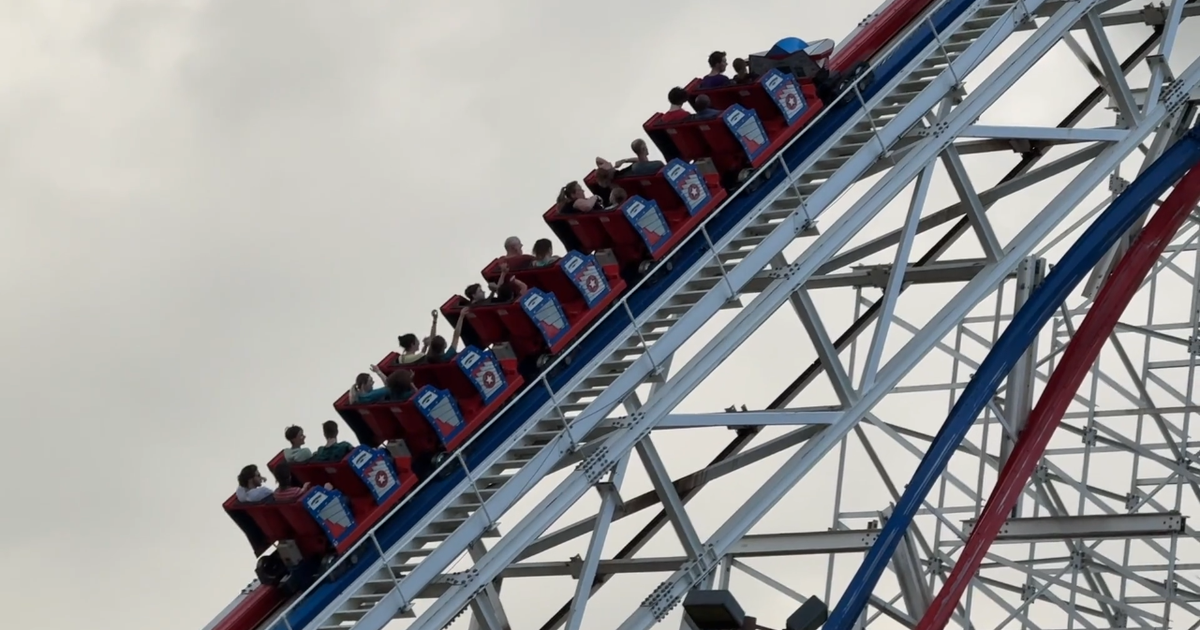
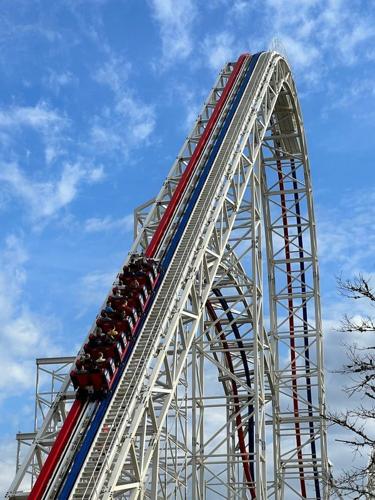
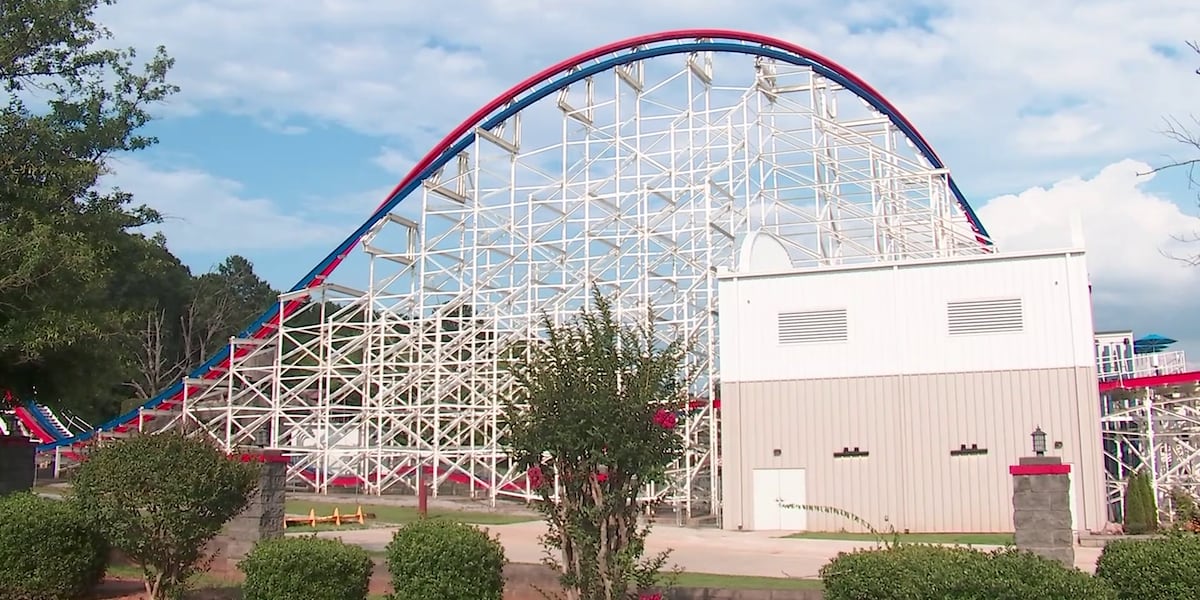
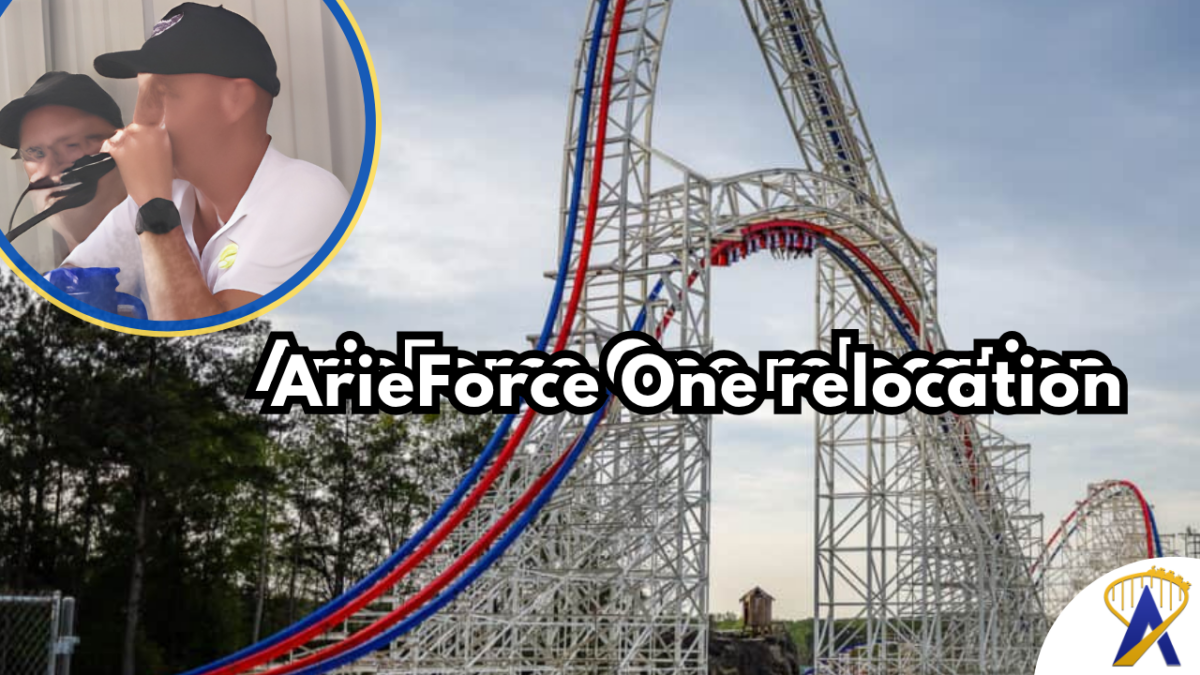
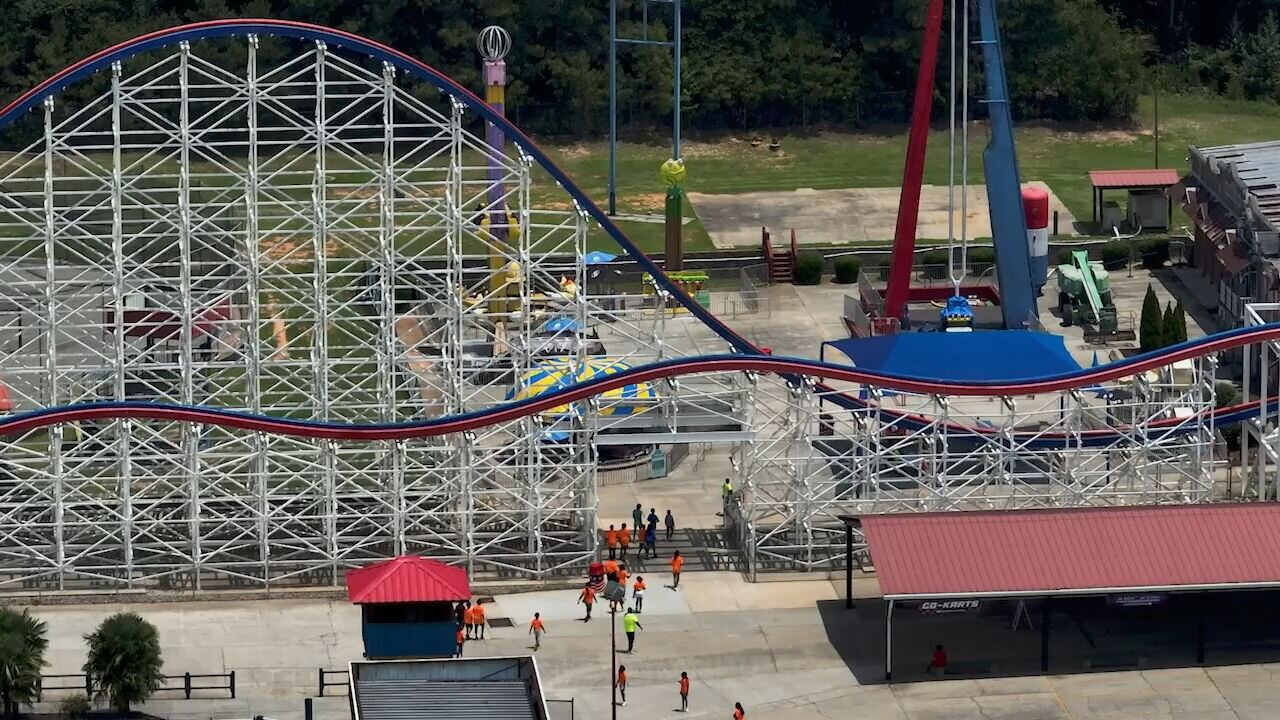
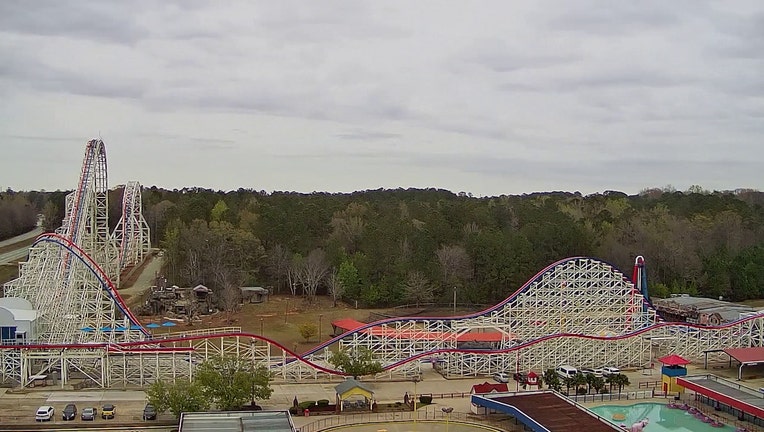
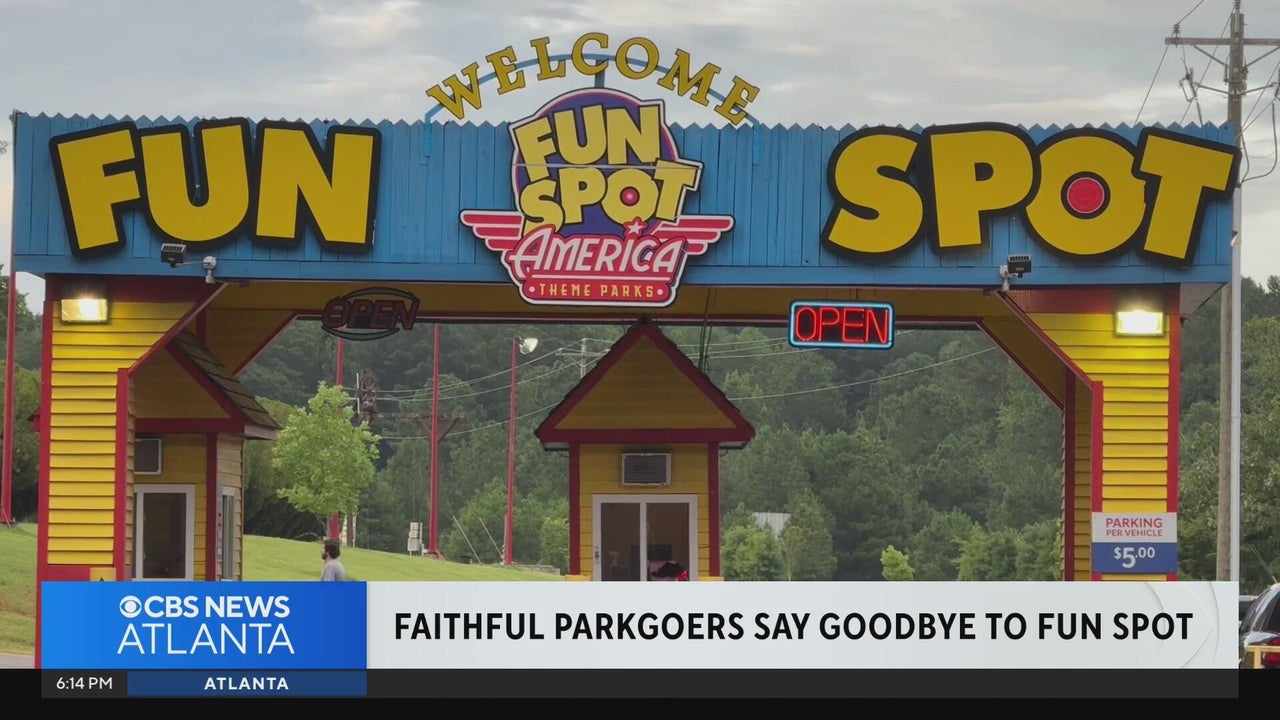
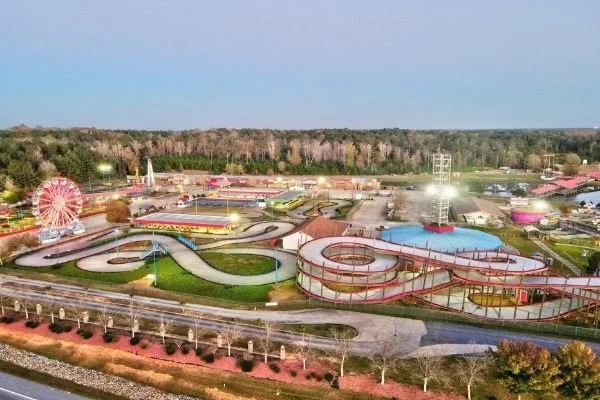
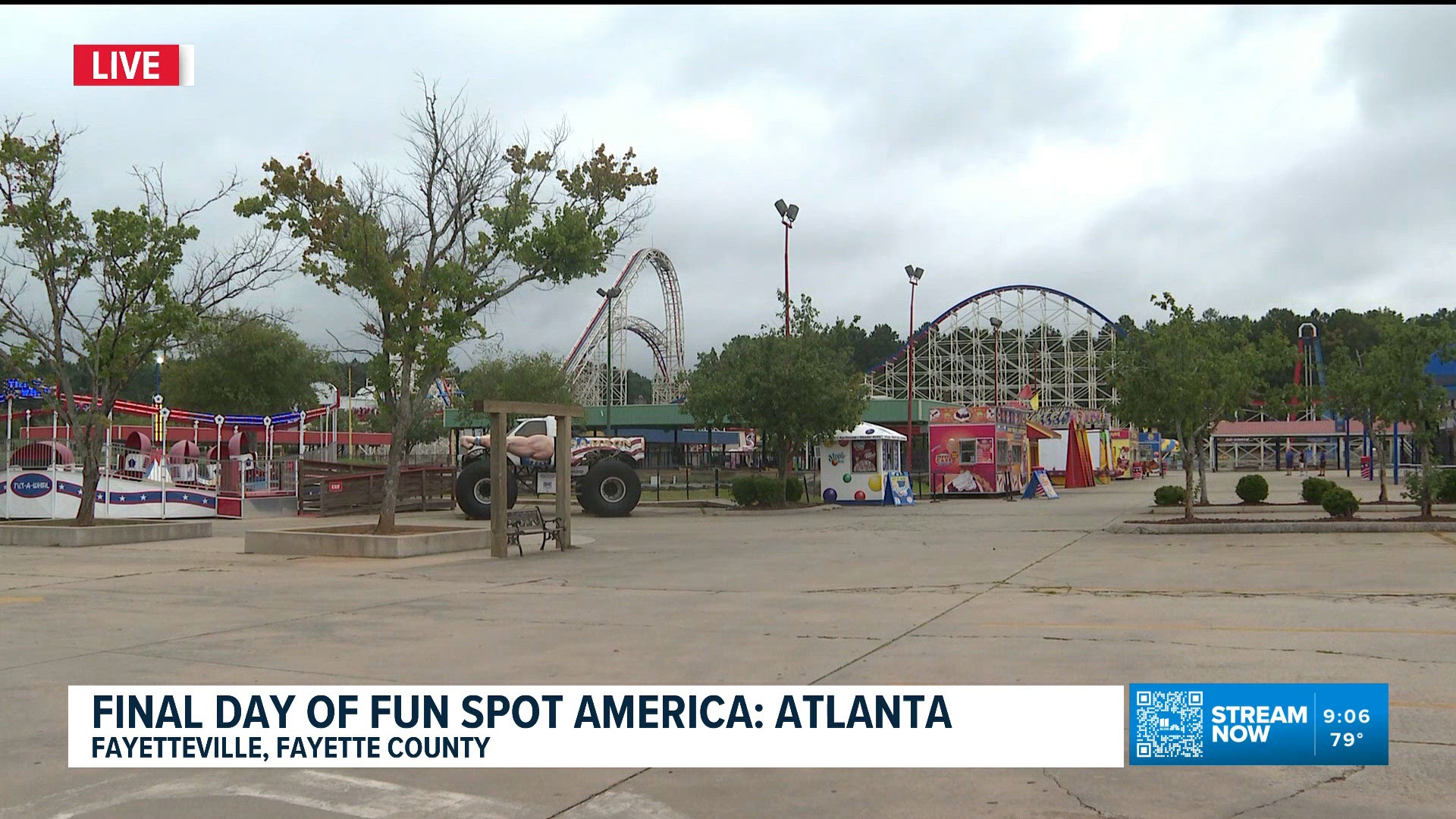
Fun Spot America Atlanta's August 2, 2026 closure represents a critical inflection point for sellers in the experiential retail and entertainment merchandise space. The 36-year-old theme park's failure—despite investing $6M+ in ArieForce One, America's largest zero-g stall coaster and a Golden Ticket Award winner—reveals fundamental challenges in location-dependent entertainment venues that directly impact merchandise sales strategies. The park's inability to achieve the typical 30% attendance lift following major attractions demonstrates that critical acclaim and world-class infrastructure alone cannot overcome geographic positioning challenges, particularly when competing for tourist traffic in secondary markets like Fayetteville, Georgia.
For cross-border sellers, this closure creates three immediate O2O opportunities. First, the August-September 2026 asset auction presents a direct procurement window for theme park merchandise inventory, collectibles, and branded products that can be resold through Amazon, eBay, and specialty collectibles platforms. Historical theme park closures (Six Flags New Orleans 2005, Wonderland Sydney 2004) generated 15-25% margin opportunities for liquidation resellers who acquired inventory at 40-60% discounts. Second, the relocation of ArieForce One—confirmed to move to a new venue—signals upcoming merchandise refresh cycles and licensing opportunities for coaster-themed apparel, collectibles, and memorabilia across multiple entertainment properties. Third, the closure validates a critical O2O insight: location centrality drives foot traffic and brand awareness more than product quality alone, suggesting sellers should prioritize pop-up locations near major transportation hubs (airports, transit centers) over secondary retail zones.
The operational failure also reveals supply chain vulnerabilities in attraction-based pricing models. Fun Spot's inability to convert proximity to Hartsfield-Jackson Atlanta International Airport (world's busiest airport with 110M+ annual passengers) into consistent tourist traffic indicates that geographic proximity without integrated O2O strategies (digital marketing, mobile ticketing, cross-platform partnerships) fails to drive conversion. For sellers, this underscores the importance of omnichannel integration: online presence must drive offline foot traffic through targeted campaigns, location-based advertising, and experiential touchpoints. The park's 36-year operational history (1990-2026) also demonstrates that legacy retail models struggle against modern consumer expectations for integrated digital-physical experiences. Sellers should view this as validation for investing in pop-up showrooms, experiential kiosks, and retail partnerships in high-traffic venues rather than relying on standalone online channels.
Questions 8
What merchandise opportunities exist from Fun Spot Atlanta's August 2026 closure?
The park's asset auction (post-Labor Day 2026) will liquidate theme park merchandise inventory, ArieForce One collectibles, and branded apparel at 40-60% discounts. Historical theme park closures (Six Flags New Orleans, Wonderland Sydney) generated 15-25% resale margins for sellers acquiring inventory through liquidation channels. Sellers should monitor auction listings for bulk merchandise lots, vintage park memorabilia, and branded collectibles that command 2-4x markups on eBay, Amazon Collectibles, and specialty platforms. The Golden Ticket Award-winning ArieForce One coaster will generate sustained collectibles demand as it relocates to a new venue, creating licensing and merchandise refresh opportunities.
What is the timeline for sellers to capitalize on Fun Spot's asset liquidation?
The critical window is August 2-September 15, 2026: park closure (Aug 2), asset auction announcement (post-Labor Day), and inventory liquidation (Sept-Oct 2026). Sellers should begin monitoring liquidation channels immediately and establish relationships with Georgia-based logistics providers by mid-August. Bulk merchandise acquisitions typically require 2-4 weeks for logistics coordination and 4-8 weeks for inventory processing and listing across Amazon/eBay. The optimal resale window is September-December 2026 (holiday season) when collectibles and themed merchandise demand peaks. Sellers who acquire inventory by September 30 can capitalize on Q4 holiday shopping, while late acquisitions (November+) face compressed selling windows and lower margins.