





Corporate Profit Surge Signals Platform Fee Increases & Margin Pressure for E-Commerce Sellers
- Major US corporations maintain 'rock solid' profits amid consumer cost pressures, triggering anticipated fee hikes and stricter seller requirements on Amazon, eBay, and Shopify platforms














Overview
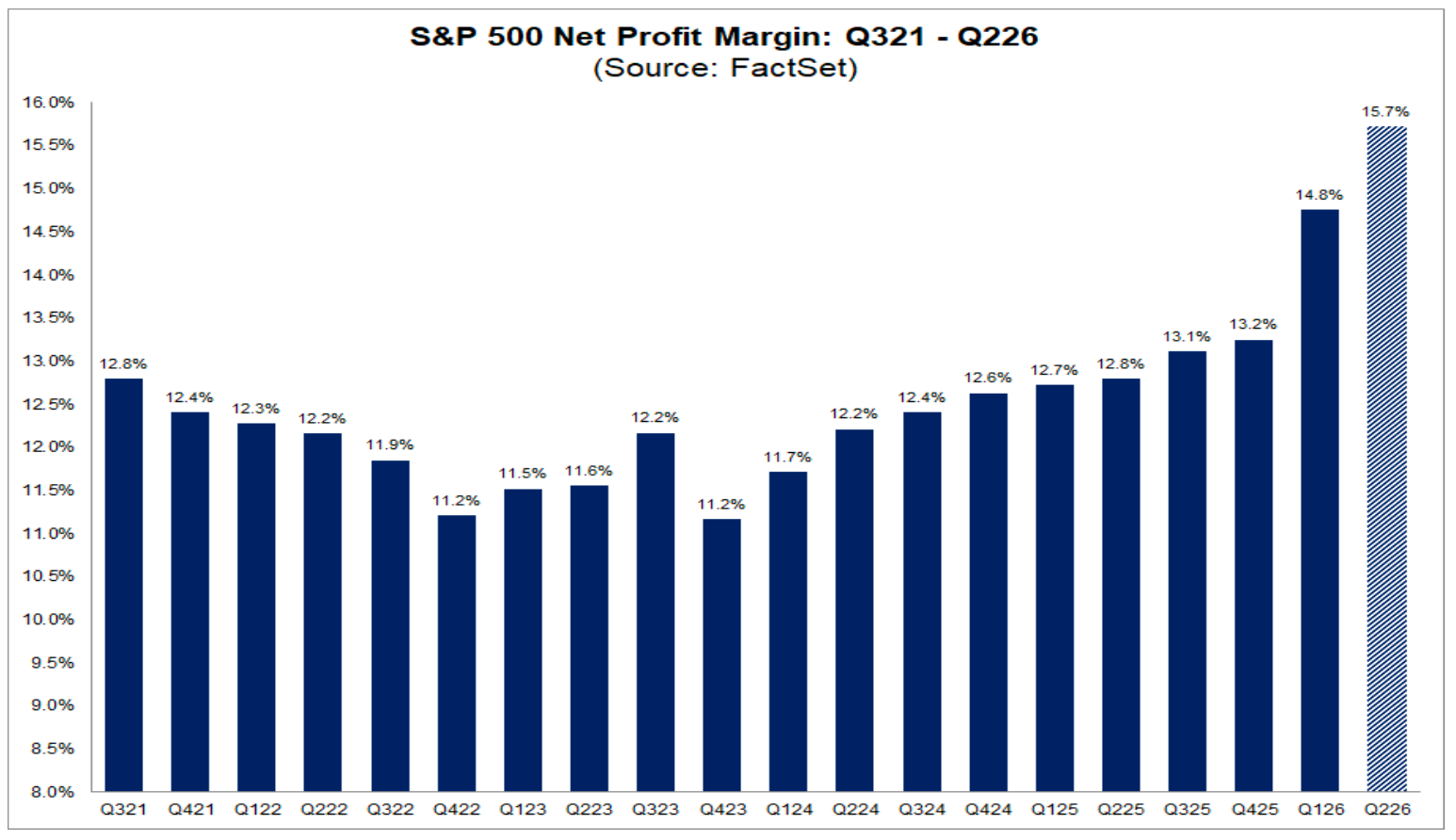
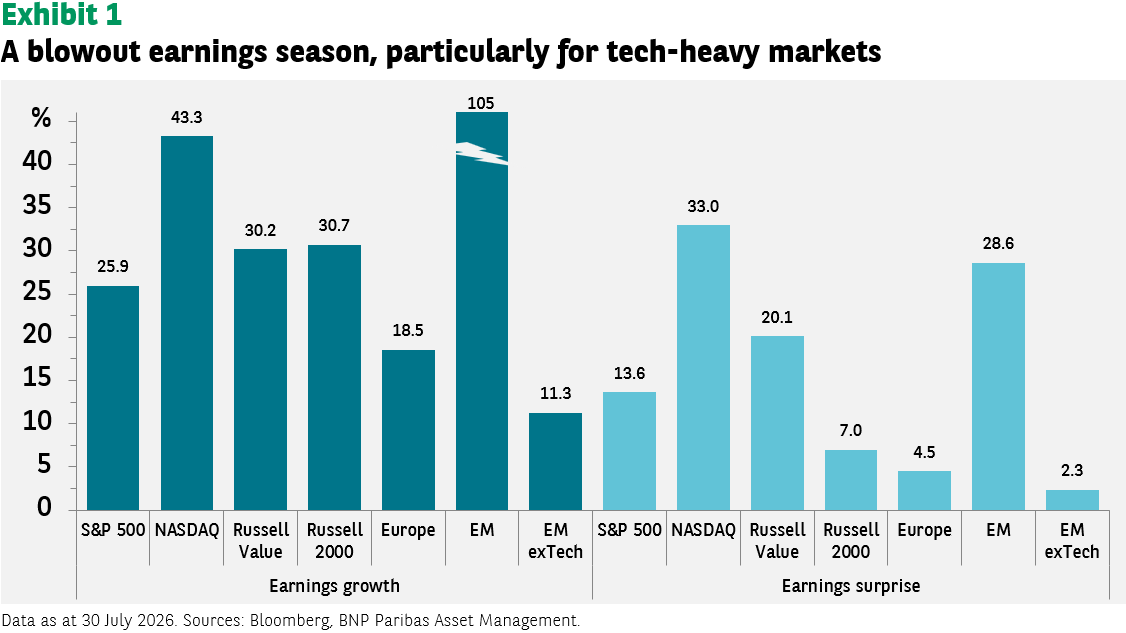
America's largest corporations are reporting strong quarterly profits despite inflationary pressures, according to Financial Times analysis, creating a critical inflection point for e-commerce sellers. While tech, retail, and financial giants maintain pricing power and operational margins, middle and lower-income consumers face elevated costs for essentials—a divergence that directly impacts marketplace dynamics. This earnings season reveals that large marketplace operators (Amazon, eBay, Walmart) and logistics providers are leveraging scale advantages to sustain profitability, positioning them to optimize returns through higher platform fees and stricter seller requirements.
For independent sellers, this corporate strength presents a dual-edge risk. Rising corporate profits typically translate to increased FBA fees, referral rate adjustments, and stricter seller performance metrics within 60-90 days of earnings announcements. Amazon's historical pattern shows fee increases follow strong quarterly results—sellers should anticipate 5-8% increases in fulfillment costs and potential referral rate hikes in discretionary categories (electronics, home goods, apparel). Simultaneously, consumer purchasing power constraints reduce overall marketplace volume, particularly in non-essential categories. Sellers reliant on volume-based growth face margin compression from both directions: higher platform costs and lower transaction volumes.
However, strong corporate earnings signal continued infrastructure investment. Amazon, Shopify, and eBay are expanding logistics networks, AI-powered seller tools, and fulfillment capacity—creating opportunities for sellers who optimize operations now. The divergence between corporate profits and consumer spending power indicates that premium, value-oriented, and essential product categories will outperform discretionary items through 2025. Sellers in electronics, home essentials, beauty, and apparel should prepare for fee increases while shifting inventory toward higher-margin, lower-volume products. The Financial Times reporting emphasizes structural advantages held by large corporations in maintaining profitability during inflationary periods—a dynamic that directly affects marketplace competitiveness and seller survival rates.
Questions 8
What long-term opportunities exist despite corporate profit pressures?
Strong corporate earnings signal continued infrastructure investment in logistics, AI tools, and fulfillment capacity. Sellers who optimize operations now will benefit from improved platform tools and expanded fulfillment networks. Opportunities include: (1) Investing in seller tools (inventory management, pricing optimization, advertising automation) to improve efficiency; (2) Building direct-to-consumer channels via Shopify to reduce platform fee dependency; (3) Targeting emerging consumer segments (value-conscious, essential-focused buyers) with optimized product assortments; (4) Expanding into international markets where consumer purchasing power remains stronger. The divergence between corporate profits and consumer spending power indicates that sellers offering value and essentials will outperform discretionary-focused competitors through 2025.
How can sellers offset margin compression from higher platform fees?
Sellers can offset margin compression through four strategies: (1) Optimize pricing using dynamic pricing tools to capture consumer willingness-to-pay without losing volume; (2) Reduce per-unit fulfillment costs by consolidating inventory at fewer fulfillment centers and using 3PL providers for overflow; (3) Shift product mix toward higher-margin, lower-volume items and reduce SKU count by 20-30%; (4) Diversify across platforms—allocate 20-30% of inventory to Shopify, eBay, or niche marketplaces to reduce Amazon fee dependency. Calculate break-even points for each strategy using current margin data from your Seller Central dashboard.