

MacBook Air Supply Crisis Reshapes Laptop Market | Sellers Face Sourcing Shifts
- Delivery delays extend to August 2026; price increases $1,099→$1,299 create refurbished/accessory opportunities for cross-border sellers












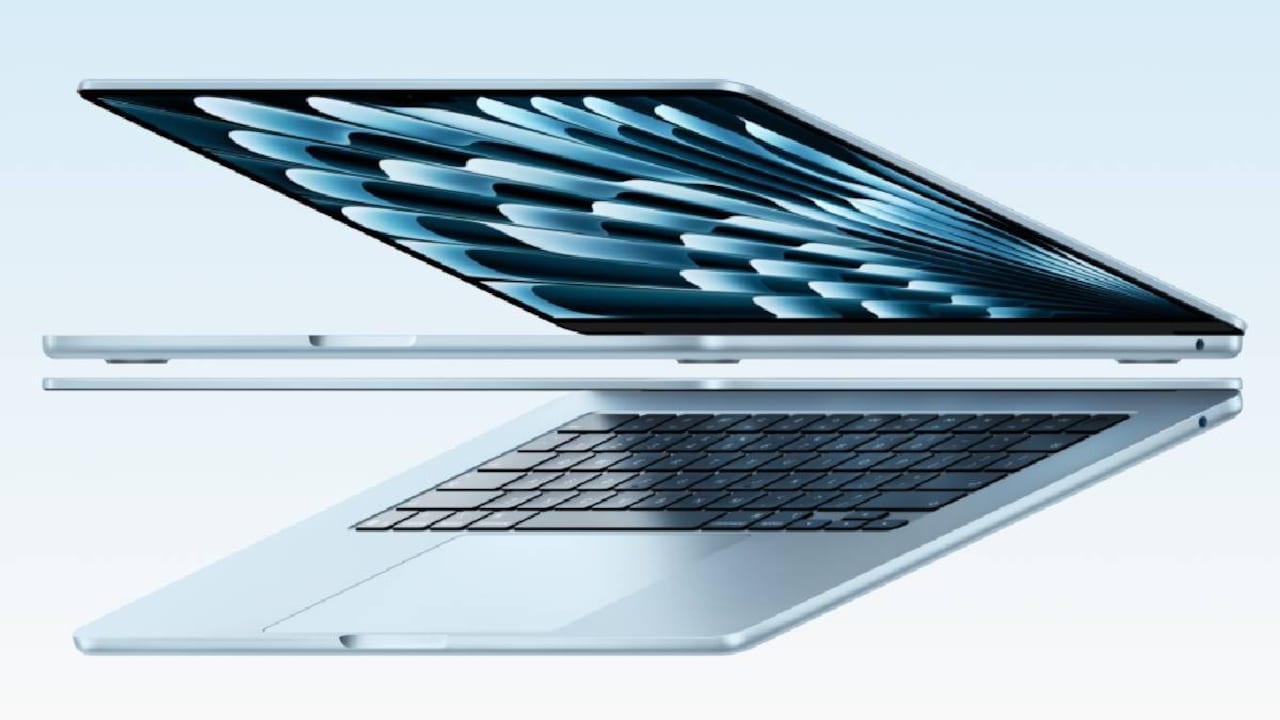


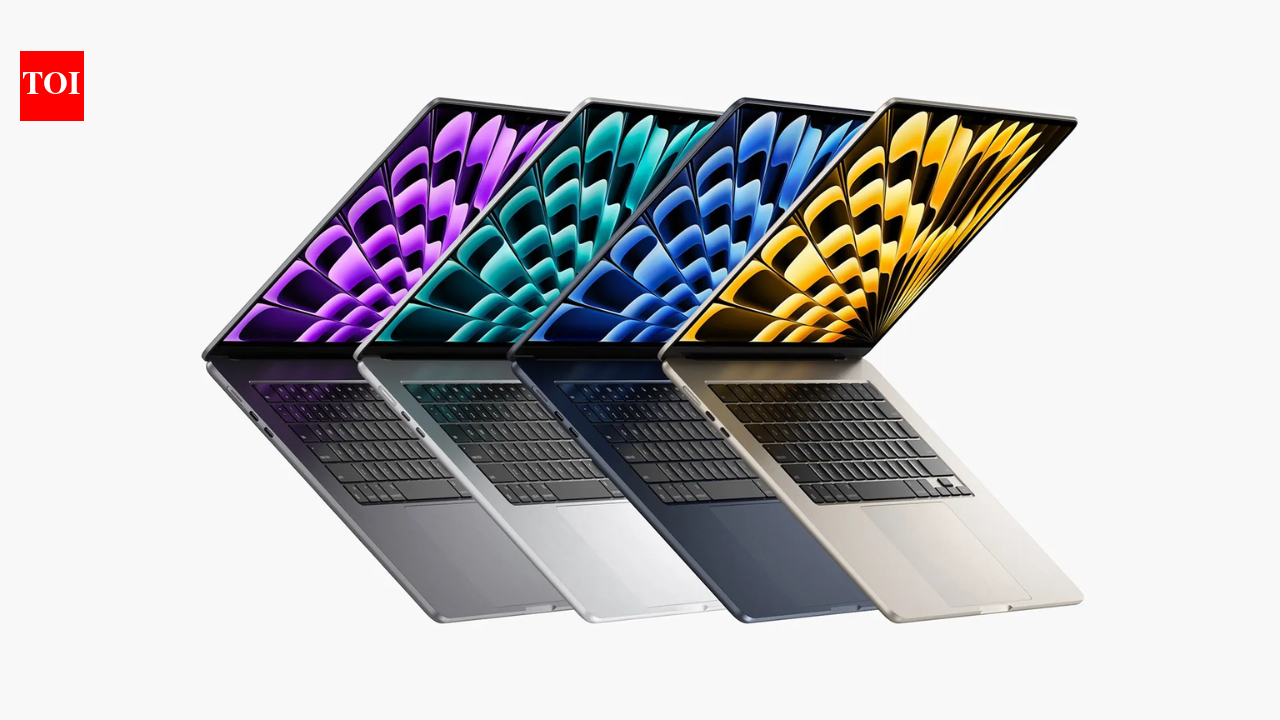






Overview
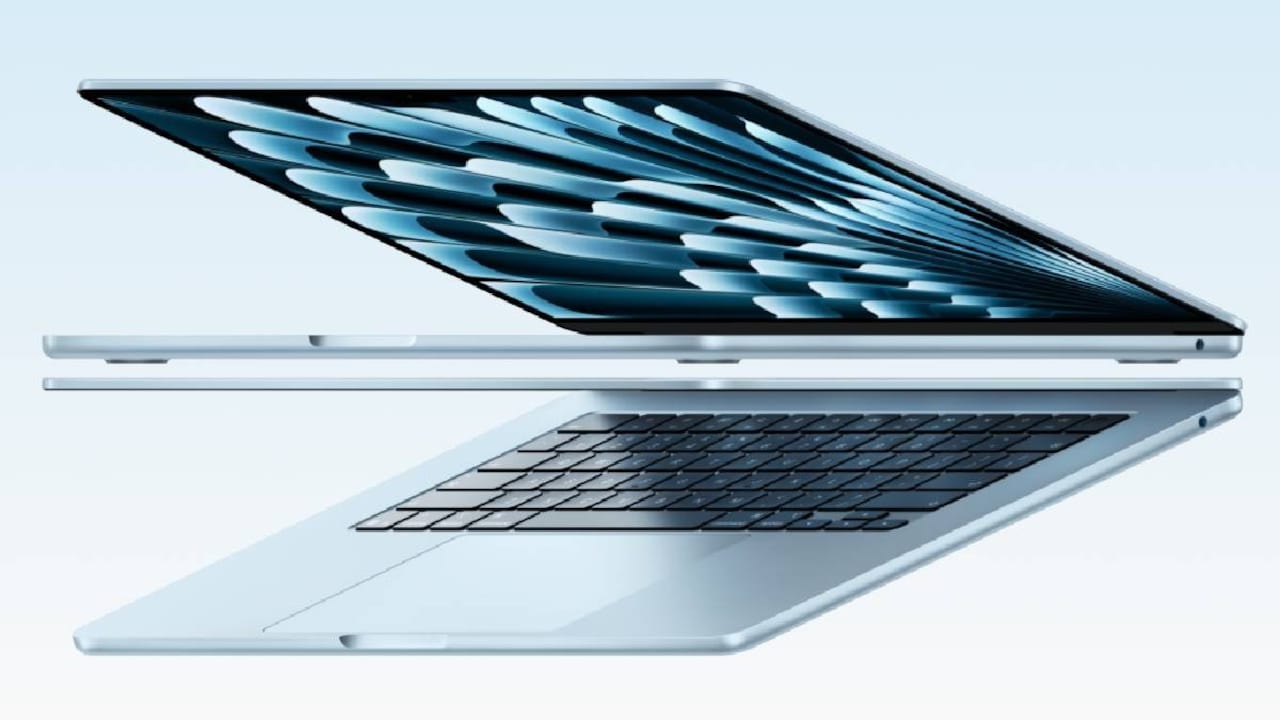
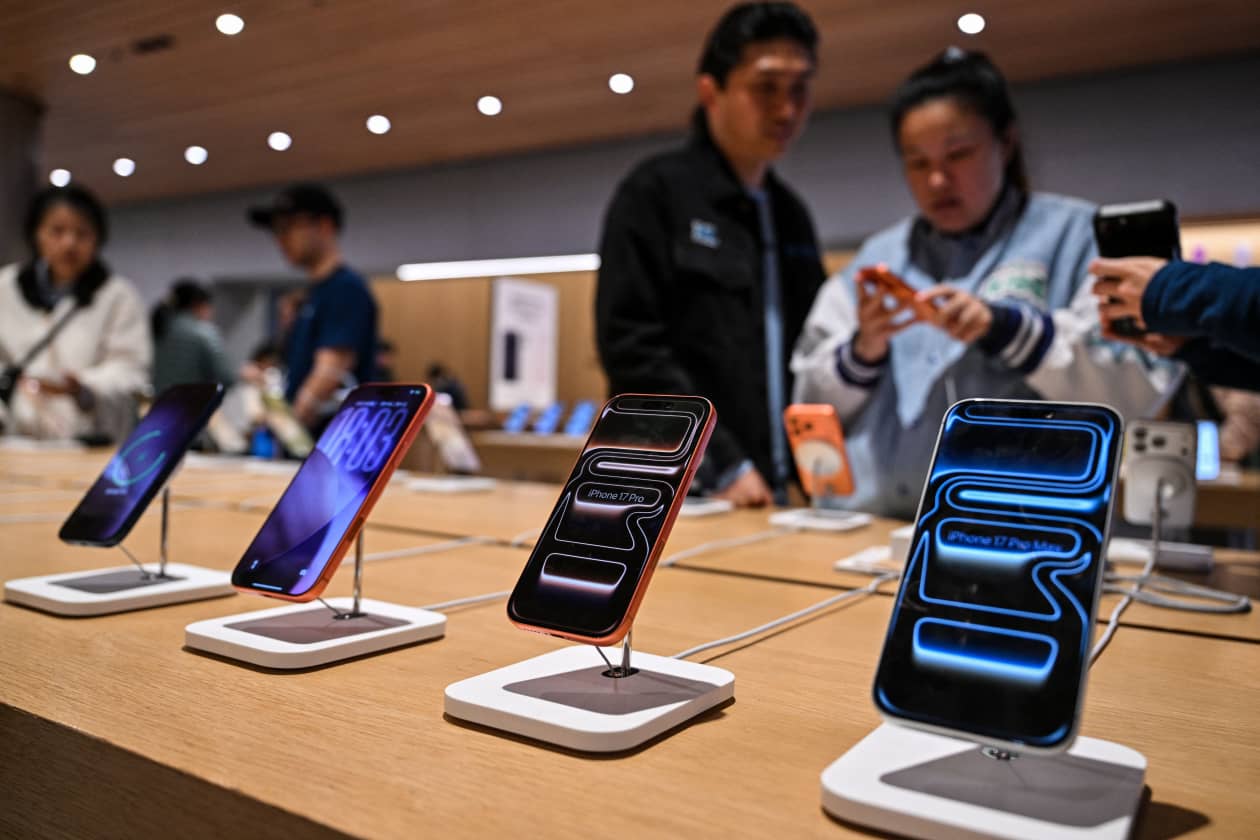
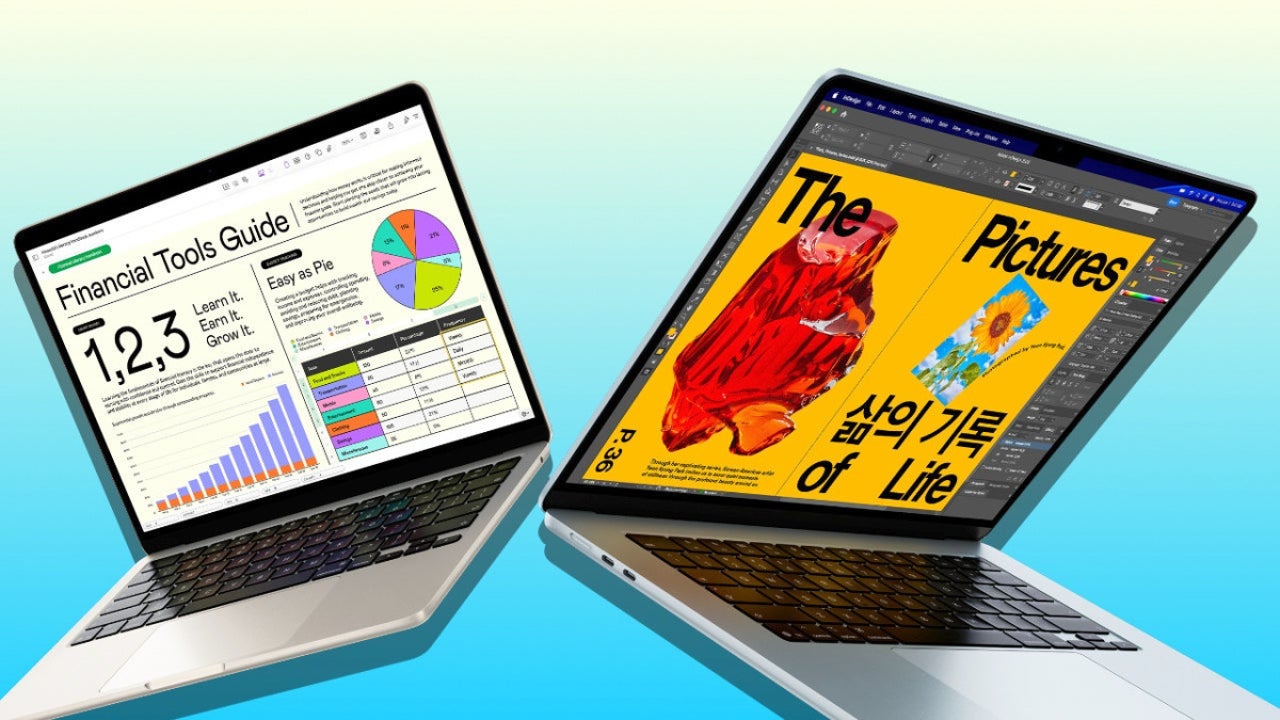
Apple's MacBook Air supply collapse presents a critical logistics and sourcing opportunity for cross-border e-commerce sellers. With delivery times extending to late August 2026 and prices rising from $1,099 to $1,299, the "Ramaggedon" memory crisis—driven by AI data center demand consuming 60-70% of global RAM production—has created a structural shortage affecting the entire premium laptop ecosystem. This is not merely a consumer news story; it signals a fundamental shift in semiconductor allocation that impacts sourcing strategies, inventory positioning, and fulfillment models for sellers across multiple categories.
Immediate Logistics Implications: The shortage stems from AI infrastructure expansion consuming unprecedented RAM quantities, leaving consumer electronics manufacturers competing for limited memory supplies. For sellers, this means: (1) Sourcing Shift Opportunity: Non-Apple laptop brands (Dell XPS, Lenovo ThinkPad, ASUS) are gaining market share as consumers seek alternatives. Sellers should immediately increase inventory of Windows-based premium laptops from Asian manufacturers—particularly from Taiwan (ASUS, MSI) and China (Lenovo, Huawei) where supply chains remain less constrained. Lead times from these suppliers are currently 6-8 weeks vs. Apple's 12+ month delays. (2) Refurbished/Trade-In Market Expansion: Apple's new Upgrade program will flood secondary markets with used MacBook Air units. Sellers should establish partnerships with certified refurbishment centers in US (Texas, California) and EU (Germany, Poland) to capture this inventory at 30-40% discounts, then resell through Amazon Renewed, eBay, and Shopify at 15-20% margins. (3) Accessory Category Boom: Keyboard protectors, thermal management solutions, and RAM upgrade kits for competing laptops will see 40-60% demand increases as users seek performance alternatives.
Warehouse Positioning Strategy: Position inventory in US East Coast (Newark, Virginia) and EU Central (Frankfurt, Poland) fulfillment centers to capture demand from frustrated Apple customers seeking immediate alternatives. Avoid West Coast warehouses where Apple's supply chain creates congestion. For sellers using 3PL providers, negotiate 90-day storage waivers for laptop inventory given the extended sales cycle. Total Landed Cost Analysis: A Dell XPS 13 sourced from Taiwan costs $650-700 landed in US (vs. $1,299 for MacBook Air), offering 45-50% margin opportunity. Shipping via air freight (5-7 days, $80-120/unit) is justified given the price premium and consumer urgency. Inventory Action: Stock 2-3 months of alternative premium laptops NOW before Q4 2025 demand surge, as competing manufacturers will face their own supply constraints within 60-90 days.
Questions 8
What is the Ramaggedon memory crisis and how does it affect laptop production?
Ramaggedon refers to explosive demand from AI data centers consuming 60-70% of global RAM production, leaving consumer electronics manufacturers competing for limited memory supplies. This structural shortage means RAM costs have increased 25-35% and lead times extended from 4-6 weeks to 12-16 weeks. For sellers, this signals that laptop shortages will persist across ALL brands through Q3 2025, not just Apple. Manufacturers are prioritizing high-margin products (servers, workstations) over consumer laptops. Sellers should expect sustained price increases of 8-12% across the laptop category and adjust pricing strategies accordingly. Monitor semiconductor futures prices on commodity exchanges to predict margin compression.
Should sellers invest in refurbished MacBook Air inventory given Apple's Upgrade program?
Yes—Apple's new Upgrade program will flood secondary markets with certified used MacBook Air units at 30-40% discounts starting Q2 2025. Sellers can establish partnerships with Apple-certified refurbishment centers in US (Texas, California) and EU (Germany, Poland) to acquire inventory at wholesale prices. Refurbished MacBook Air units typically resell at 15-20% margins through Amazon Renewed and eBay. Industry benchmarks show refurbished electronics achieve 2-3x inventory turnover vs. new products. Action: Contact Apple refurbishment partners by February 2025 to secure allocation agreements before competing sellers recognize this opportunity. Expect 500-1,000 unit monthly availability per partner.