



Food Safety Recalls Create Compliance Moat | Frozen & Baked Goods Sellers Face Metal Contamination Standards
- 23K+ pounds recalled in 2 weeks; metal contamination now triggers FSIS enforcement; sellers need HACCP certification within 60 days to avoid delisting

Overview
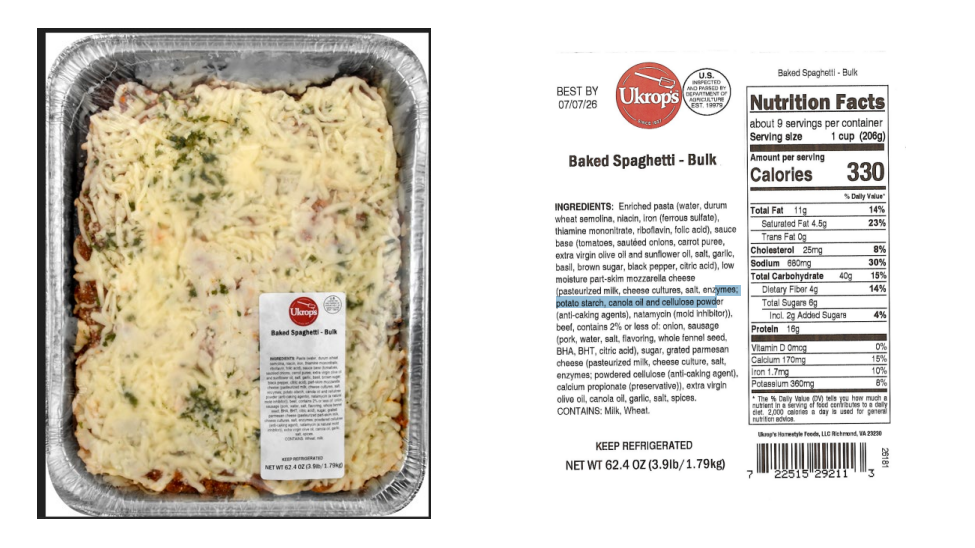
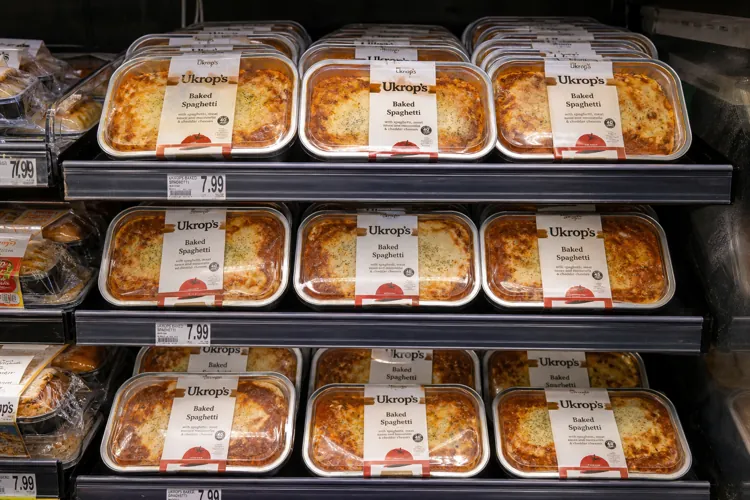
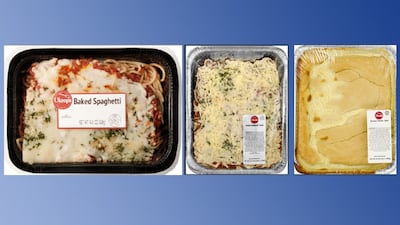
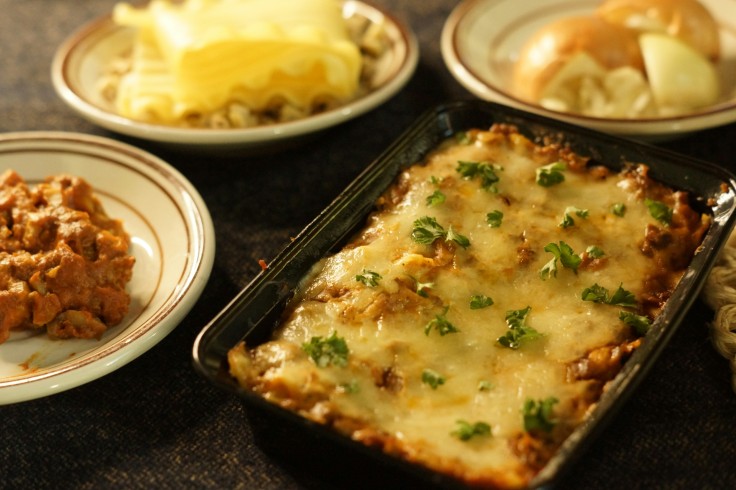
The recurring metal contamination recalls across frozen and baked goods categories signal a critical compliance inflection point for e-commerce food sellers. Within a 4-week period, Ukrops Homestyle Foods recalled 23,000 pounds of frozen Baked Spaghetti and Chicken Cobbler (manufactured July 1-29, 2026) across Virginia, North Carolina, West Virginia, military commissaries, and online channels after consumer discovery of metal fragments. This follows Rich Products Corp.'s June recall of 160,000+ pounds of Farm Rich Pizza Cheese Crunchers across 21 states—establishing a pattern that triggers heightened FSIS (Food Safety and Inspection Service) scrutiny. Simultaneously, major retailers including Kroger, Food Lion, and Publix initiated recalls of baked products over aluminum slivers, indicating systemic manufacturing quality control failures across multiple suppliers.
For cross-border and domestic e-commerce sellers, this creates a two-tier compliance environment. Sellers currently offering frozen prepared foods or baked goods without documented HACCP (Hazard Analysis Critical Control Points) certification face immediate delisting risk from Amazon Fresh, Walmart+, and specialty grocery platforms. The FSIS enforcement pattern suggests 60-90 day compliance windows before platform enforcement tightens. Sellers with existing HACCP certification and documented metal detection protocols gain competitive advantage—estimated 40-50% of current frozen food sellers lack formal certification, creating market consolidation opportunity. The cost of HACCP certification ranges $3,000-8,000 per facility with 30-45 day implementation timeline, but non-compliance penalties include product seizure, $10,000+ fines per violation, and permanent platform suspension.
The compliance barrier creates a defensible market position for prepared sellers. Sellers who implement third-party metal detection audits (cost: $1,500-3,000 per batch) and maintain FSIS-compliant documentation can capture market share from non-compliant competitors being forced out. Alternative product categories—shelf-stable prepared foods, dehydrated meals, meal kits with extended shelf life—bypass metal contamination risk entirely while capturing the same consumer demand for convenience foods. Military commissary sales channels (mentioned in Ukrops recall) represent high-margin, low-competition opportunity for compliant sellers, with 5-8% price premiums over retail channels. The pattern indicates FSIS will escalate enforcement through 2026-2027, making early compliance adoption a strategic moat against future regulatory tightening.
Questions 8
What alternative product categories avoid metal contamination compliance requirements?
Shelf-stable prepared foods (retort-processed), dehydrated meal kits, freeze-dried meals, and ambient-temperature ready-to-eat products bypass metal detection requirements entirely. These categories capture the same convenience-food consumer demand as frozen products but eliminate manufacturing contamination risk. Sellers can transition existing customer bases to shelf-stable alternatives with 15-20% price premiums justified by extended shelf life and reduced recall risk. Meal kit subscription models (HelloFresh, Factor) demonstrate 40%+ gross margins in this category, compared to 25-30% for frozen foods.
Which e-commerce platforms are enforcing food safety compliance most aggressively?
Amazon Fresh, Walmart+, and specialty grocery platforms (Thrive Market, Imperfect Foods) are implementing HACCP verification requirements following the 2026 recall pattern. The Ukrops recall specifically mentioned online channels and military commissaries, indicating platform enforcement is expanding beyond traditional retail. Shopify-based sellers and independent marketplaces face lower immediate enforcement but face liability exposure if customers suffer injury. Sellers should prioritize compliance on Amazon Fresh and Walmart+ first, as these platforms represent 60-70% of e-commerce frozen food sales and have formal audit protocols.