

GPU & Console Price Surge 2025-2026 | Critical Supply Shock Reshapes Gaming Hardware Seller Strategy
- AMD raises GPU prices 10% effective August 2025; Nvidia increases 20-30%; next-gen consoles approach $1,000 for first time; AI datacenter demand creates unprecedented consumer hardware supply constraints affecting electronics sellers globally


Overview
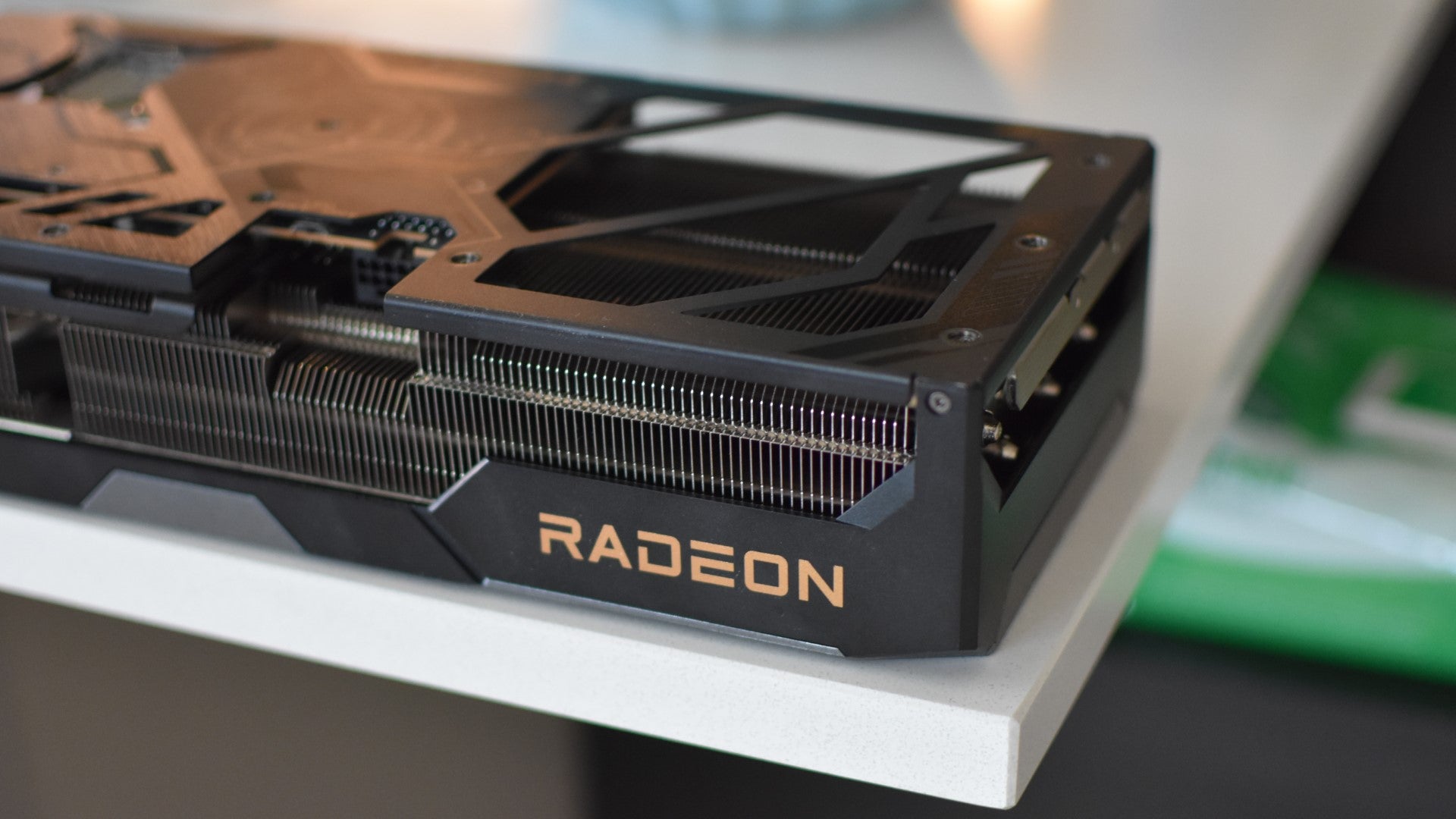
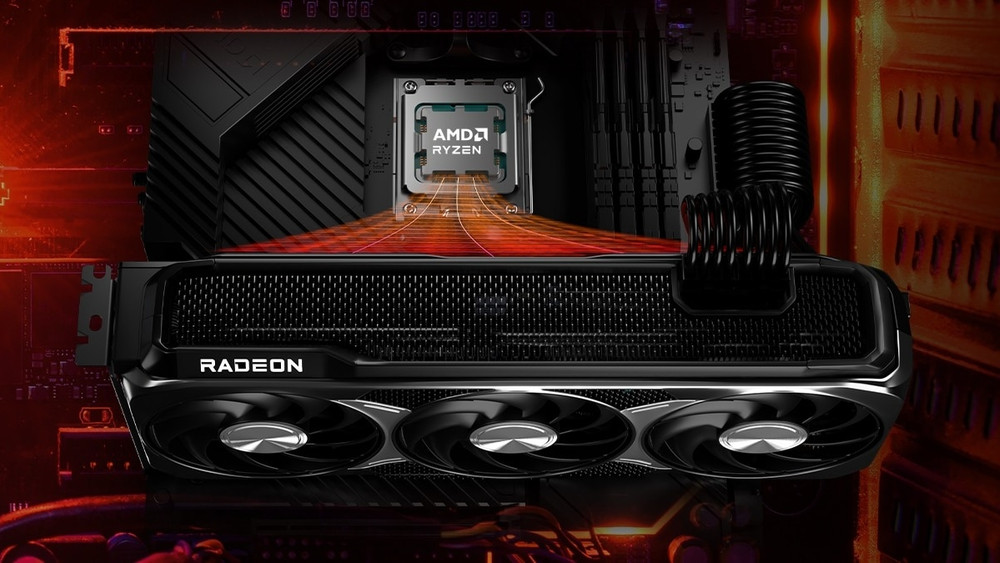
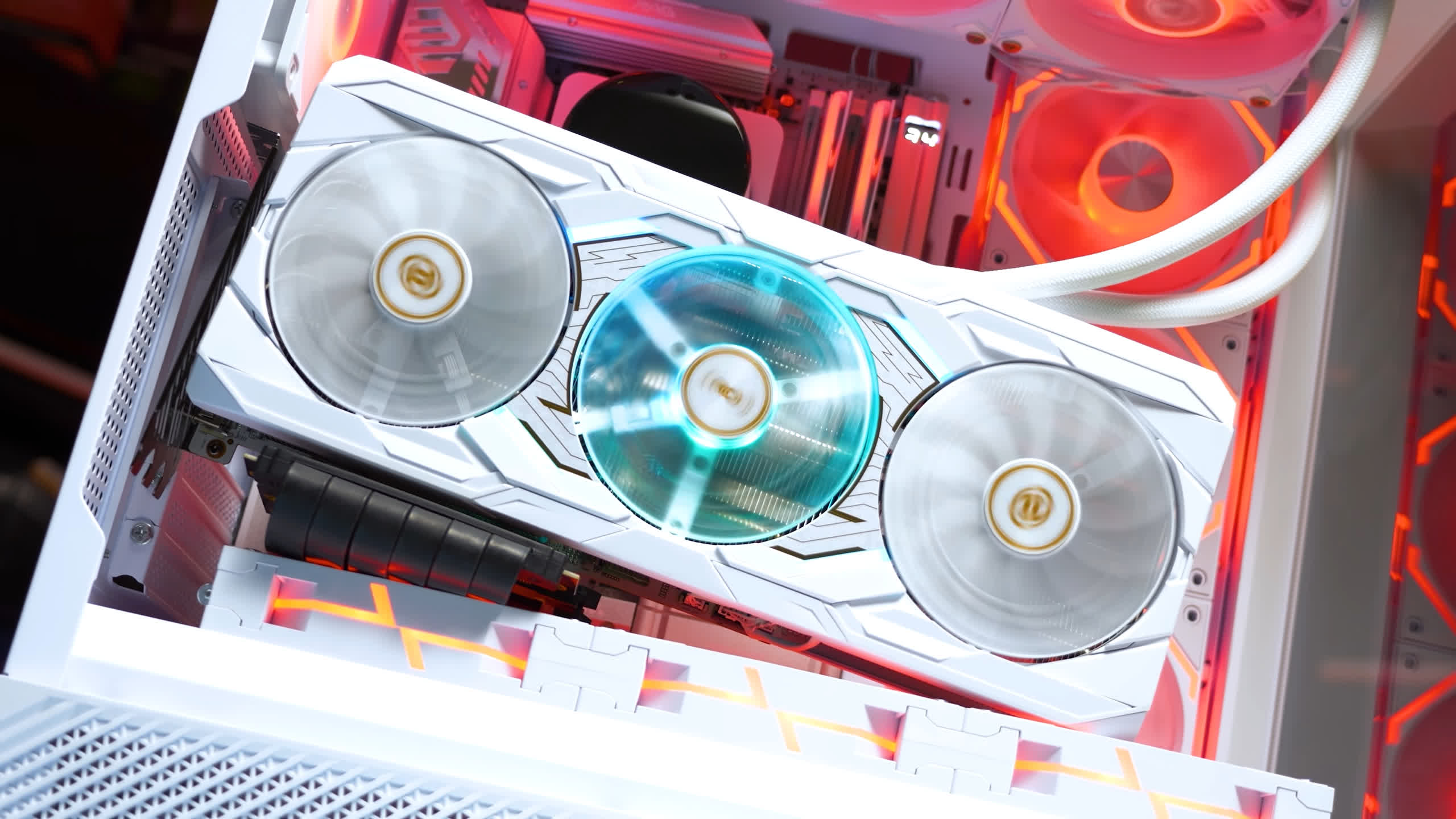
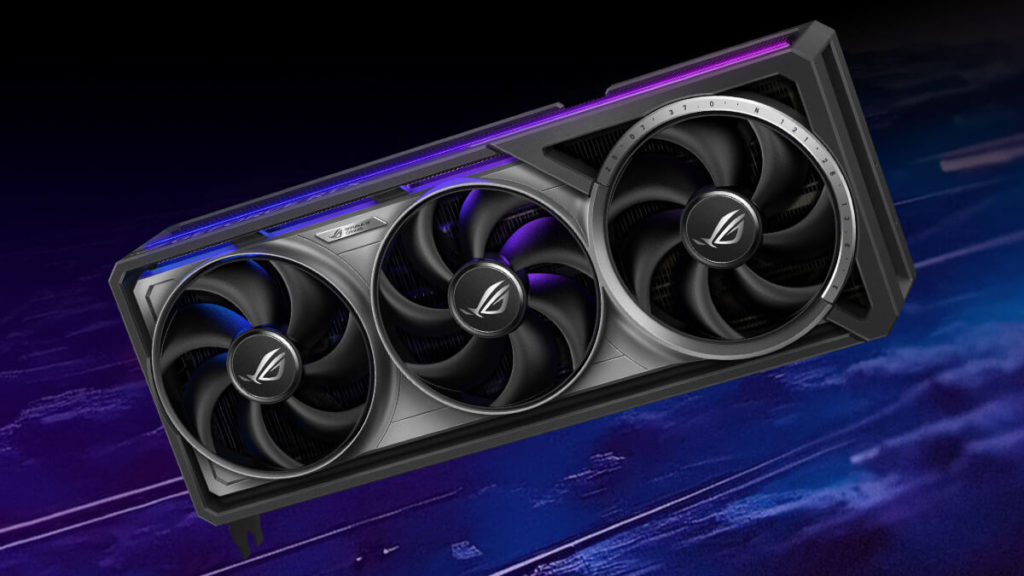
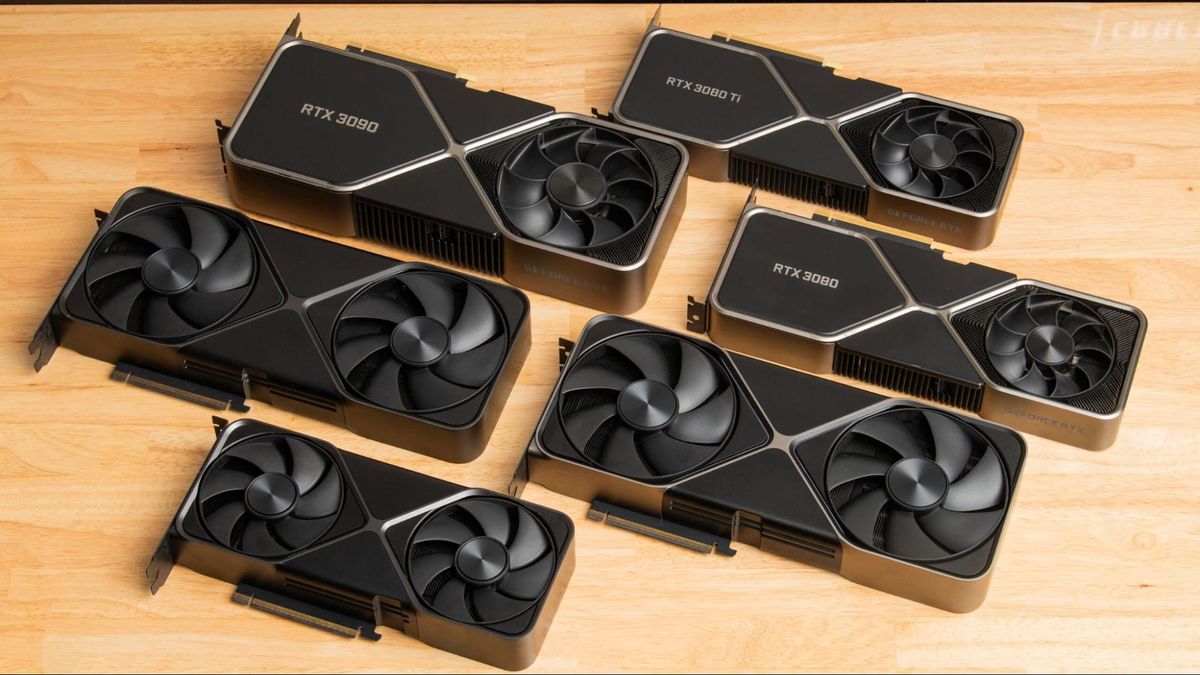
The gaming hardware market faces an unprecedented pricing crisis driven by enterprise AI infrastructure investments outcompeting consumer demand. AMD is raising graphics card and memory prices by at least 10% effective August 2025, following Nvidia's 20-30% price increase announced earlier. This represents a fundamental shift in hardware economics: for the first time in decades, component costs are rising rather than declining over product lifecycles. The root cause is sustained datacenter demand for AI chips creating supply bottlenecks that cascade through consumer markets.
For e-commerce sellers, this creates a critical three-part challenge: First, sourcing costs for gaming hardware inventory are rising sharply while consumer price sensitivity remains high—creating margin compression of 8-15% for electronics sellers. Second, the pricing pressure extends beyond PC components into console gaming, where Nintendo, Sony, and Microsoft have raised prices multiple times since launch. Industry analysts project next-generation consoles could approach $1,000 for the first time, fundamentally altering the addressable market for gaming merchandise. Third, weak consumer graphics card market recovery means inventory turnover will slow, increasing carrying costs and storage fees on platforms like Amazon FBA.
The strategic implication for sellers is clear: AI-driven demand is permanently reshaping hardware supply chains. Sellers in the gaming electronics category must immediately implement dynamic pricing strategies using AI tools to optimize margins as costs fluctuate. Those holding inventory purchased at pre-August 2025 prices face margin expansion opportunities, while new inventory sourced post-August faces cost headwinds. The console price escalation ($200-300 increases per generation) signals a market bifurcation—premium gaming will become a luxury category, creating opportunities in budget gaming accessories, refurbished hardware, and alternative gaming platforms (mobile, cloud gaming services). Sellers should monitor component availability through Q4 2025 and Q1 2026, as supply constraints may create flash scarcity events that reward sellers with optimized inventory positioning and rapid repricing capabilities powered by AI analytics.
Questions 8
How should electronics sellers adjust pricing strategy given 10-30% component cost increases?
Implement AI-powered dynamic pricing tools that automatically adjust margins based on real-time cost data and competitor pricing. Sellers holding pre-August 2025 inventory can expand margins 8-12% before costs rise, while new inventory sourced post-August faces 10-30% cost headwinds. Use predictive analytics to identify which gaming categories (GPUs, consoles, accessories) will see demand shifts, and reallocate inventory accordingly. Monitor Amazon FBA storage fees closely—slower turnover from higher prices increases carrying costs by 15-25% annually, making inventory optimization critical for profitability.
Why are GPU and console prices rising when they historically decline over product lifecycles?
Enterprise AI datacenter demand is creating unprecedented supply constraints that prioritize high-margin infrastructure over consumer hardware. AMD's 10% price increase effective August 2025 and Nvidia's 20-30% increase reflect sustained datacenter inventory acquisition that diverts component supplies from consumer markets. This represents a structural shift: for the first time, component costs are rising rather than declining during a product generation. Sellers must recognize this is not a temporary shortage but a permanent reallocation of supply toward AI infrastructure, requiring long-term pricing and inventory strategy adjustments.