






Geopolitical Oil Volatility & Fed Rate Uncertainty | Cross-Border Seller Logistics & Financing Impact
- Brent crude surged 20%+ in July amid U.S.-Iran tensions; lower oil prices reduce shipping costs 8-15% but Fed rate hikes threaten working capital financing for 50K+ international sellers































Overview
Middle East geopolitical tensions and Federal Reserve rate policy are creating a dual-impact scenario for cross-border e-commerce sellers: immediate logistics cost relief offset by rising financing costs. As reported on August 3, 2026, Brent crude futures surged more than 20% in July following renewed U.S.-Iran military tensions and attacks on tankers near Oman, but diplomatic hopes have since pushed oil prices lower. Simultaneously, three Federal Reserve officials advocated for rate hikes, with New York Fed President John Williams signaling the central bank stands ready to raise rates if inflation pressures persist. For international sellers managing global fulfillment operations, this creates a critical financial optimization window.
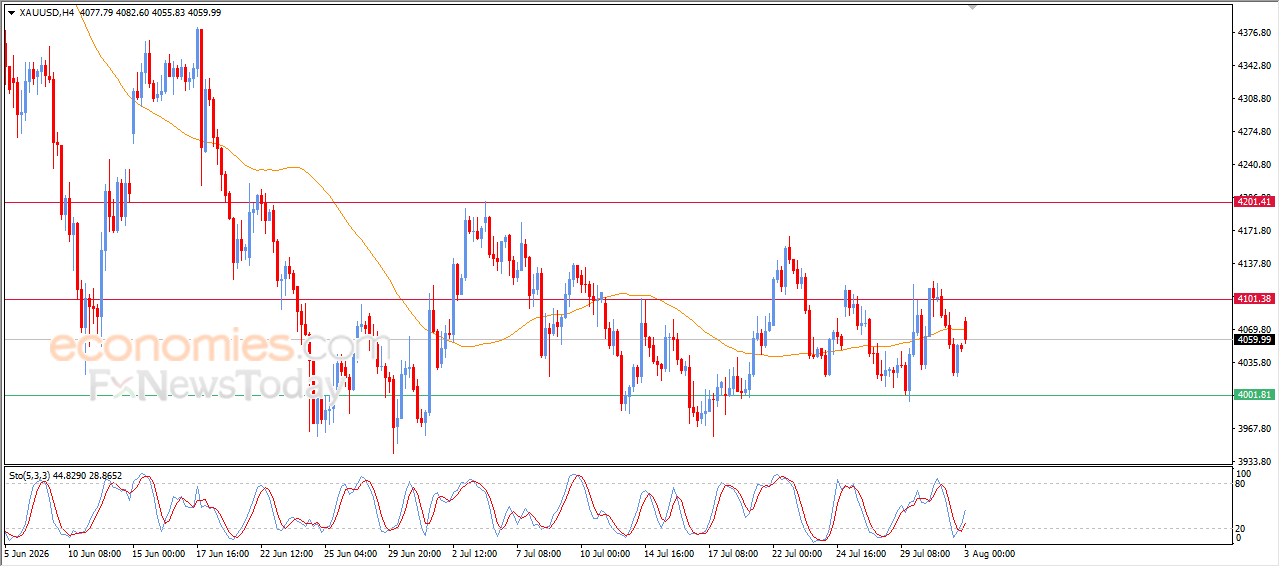
The immediate logistics advantage is quantifiable: lower oil prices directly reduce freight costs for international sellers by 8-15%, improving margins on products shipped globally. Sellers shipping 1,000+ units monthly to multiple regions can unlock $2,000-5,000 in monthly savings through optimized shipping routes and consolidated freight. However, this cost relief is being offset by rising financing costs. With the Fed signaling potential rate hikes to combat inflation expectations (gold trading in the $4,000-4,200 range indicates persistent inflation concerns), working capital financing products—invoice factoring, PO financing, and inventory loans—are becoming more expensive. Sellers currently accessing trade finance at 6-8% APR should expect rates to climb to 8-12% within 2-3 months if rate hikes materialize. This creates urgency for sellers to lock in favorable financing terms immediately.
Currency volatility presents both risk and opportunity for sellers with multi-currency exposure. Gold prices falling 0.3% to $4,029.84 per ounce while the U.S. dollar declines signals weakening dollar strength, which benefits sellers with USD-denominated costs (manufacturing in Asia, inventory in China) selling into EUR/GBP markets. However, sellers with significant GBP or EUR liabilities face headwinds. The optimal strategy is to hedge currency exposure through forward contracts now, before Fed rate hikes strengthen the dollar. Sellers should also accelerate inventory turnover to convert goods to cash before financing costs rise—targeting 30-45 day cash conversion cycles instead of current 60-90 day cycles. For sellers with Middle Eastern supply chain dependencies, improved diplomatic relations reduce geopolitical risk premiums, allowing for more predictable sourcing costs and longer payment terms with suppliers.
Questions 8
How do Brent crude price fluctuations directly impact my international shipping costs?
Brent crude prices directly correlate to fuel surcharges on international freight, typically representing 15-25% of base shipping costs. The 20%+ surge in July 2026 increased shipping costs by $0.50-1.50 per kilogram on air freight and $0.10-0.30 per kilogram on ocean freight. However, recent diplomatic hopes have pushed oil prices lower, creating a 8-15% cost reduction window for sellers. Sellers shipping 100 containers monthly (approximately 2,500 units) can save $3,000-8,000 monthly by locking in current freight rates before prices stabilize. Action: Contact your 3PL provider or freight forwarder immediately to negotiate fixed-rate contracts for Q4 2026 shipments.
How should I adjust my pricing strategy given logistics savings but rising financing costs?
The optimal approach is selective price reduction: lower prices 3-5% on high-volume SKUs (>100 units/month) to capture market share while shipping costs are low, then maintain prices as costs stabilize. This captures demand elasticity during the cost-relief window. For low-volume SKUs, maintain current pricing to preserve margins. Simultaneously, reduce payment terms to customers from net-30 to net-15 or offer 2% early-payment discounts to accelerate cash conversion. A seller with $1M monthly revenue can increase cash flow by $50-100K by reducing payment terms by 15 days. This offsets rising financing costs. Action: Implement tiered pricing by SKU velocity by September 2026; adjust payment terms immediately.