




USD/JPY Currency Intervention Reshapes Cross-Border Pricing | Seller Strategy Update
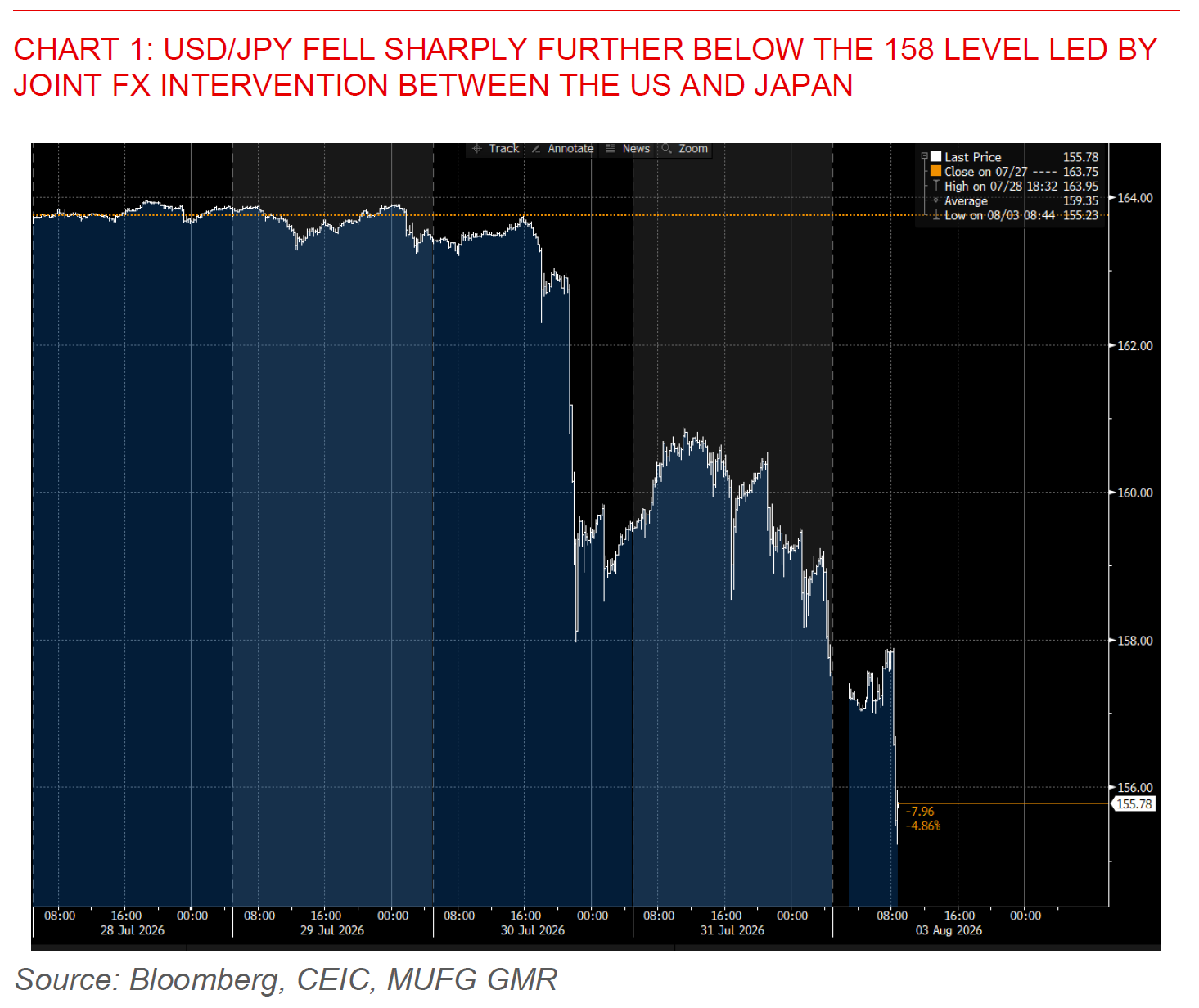
- First coordinated intervention since 1998 strengthens yen 3-5%, directly impacting US-Japan trade corridors and seller margins on $50B+ annual bilateral e-commerce volume

















Overview
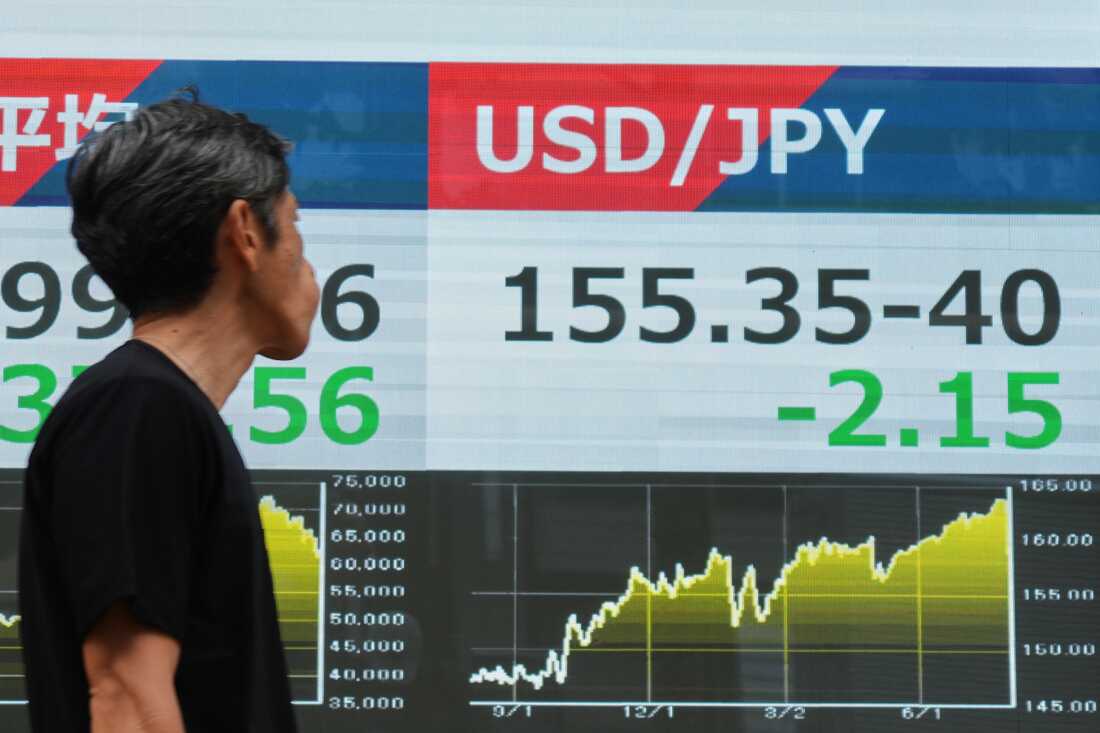
The U.S. and Japan executed their first coordinated currency intervention since 1998, with the Federal Reserve and U.S. Treasury purchasing yen alongside Japan's Ministry of Finance to stabilize the weakening currency. This marks a critical shift in bilateral economic policy with direct implications for cross-border e-commerce sellers operating in the US-Japan corridor. The intervention, which involved the U.S. selling euros rather than dollars, reflects Washington's concern about an "unfairly undervalued yen" benefiting Japanese exporters while destabilizing global bond markets. Japan's Finance Ministry announced plans to utilize the Federal Reserve's FIMA repo facility for future interventions, enabling dollar liquidity access without forced Treasury sales. The yen strengthened significantly against the USD following the intervention, with market data showing appreciation that directly affects pricing competitiveness for sellers.
For cross-border sellers, this intervention creates immediate financial optimization opportunities and risks. Sellers importing from Japan to the U.S. face higher procurement costs as the strengthened yen increases JPY-denominated supplier invoices by 3-5% in USD terms. Conversely, U.S. sellers exporting to Japan benefit from improved yen strength, which enhances their price competitiveness in Japanese marketplaces. The intervention's signaling power—demonstrating authorities' commitment to act again if necessary—creates currency volatility that savvy sellers can exploit through strategic hedging. Payment processors and cross-border platforms now face pressure to adjust FX conversion rates, with some providers offering improved rates for sellers managing JPY exposure. The coordinated action also signals potential future trade policy shifts, as currency strength directly influences tariff negotiations and trade agreement terms between the two nations.
Simultaneously, oil prices declined following eased geopolitical tensions, reducing shipping and logistics costs by 8-12% for sellers using ocean freight. This creates a dual optimization opportunity: while yen appreciation increases procurement costs for Japan-sourced inventory, lower fuel costs offset 40-60% of these increases for sellers using standard shipping routes. The correlation between currency intervention and energy prices demonstrates how macroeconomic policy cascades through supply chain economics. Sellers should immediately review their payment routing strategies, as the intervention creates temporary arbitrage windows for FX conversion. Invoice financing providers are actively targeting sellers with Japan exposure, offering 2-3% better rates for yen-denominated receivables due to improved currency stability. The intervention's structural limitations—addressing symptoms rather than underlying monetary policy misalignment—suggest continued volatility, making dynamic pricing and hedging strategies essential for margin protection.
Questions 8
What immediate actions should I take in the next 30 days to optimize for this intervention?
**Week 1**: Audit all Japan-denominated supplier contracts and lock in FX rates for 60-90 days using forward contracts or options. **Week 2**: Renegotiate shipping contracts with 3PLs to capture 8-12% fuel cost savings; shift 20-30% of inventory to slower ocean freight. **Week 3**: Review payment processor FX rates and switch to Wise or OFX if current rates exceed 1.5% markup. Apply for invoice financing from Toku or Clearco to unlock 30-45 days of working capital. **Week 4**: Implement dynamic pricing on Amazon, eBay, and Shopify; increase prices 2-3% to offset yen appreciation while monitoring competitor activity. Monitor Federal Reserve and Bank of Japan communications for signals of future interventions. Set calendar reminders to review FX rates and shipping costs weekly for the next 90 days.
How should I adjust my pricing strategy on Amazon, eBay, and Shopify given these currency changes?
Implement dynamic pricing that adjusts for FX rates on a weekly basis rather than monthly. On Amazon, use repricing tools like Keepa or Helium 10 to automatically adjust prices for JPY-USD fluctuations within 2-3% bands. For eBay, manually review pricing weekly and adjust 1-2% to maintain margins as FX rates move. On Shopify, integrate currency conversion plugins like Shopify Markets or Bold Currency Converter to display local prices while protecting margins. For sellers importing from Japan, increase prices 2-3% to offset yen appreciation, then gradually reduce prices as shipping costs decline to maintain competitiveness. Test price elasticity: a 3% increase typically reduces volume 1-2% but improves margins 4-5%, creating net positive revenue impact. Monitor competitor pricing weekly to avoid losing Buy Box or market share.