


Visa AI Fraud Detection Cuts Chargeback Costs 15-25% for Cross-Border Sellers
- Real-time fraud prevention reduces dispute fees and unlocks 2-4% margin recovery for electronics, luxury, and digital product sellers globally












Overview
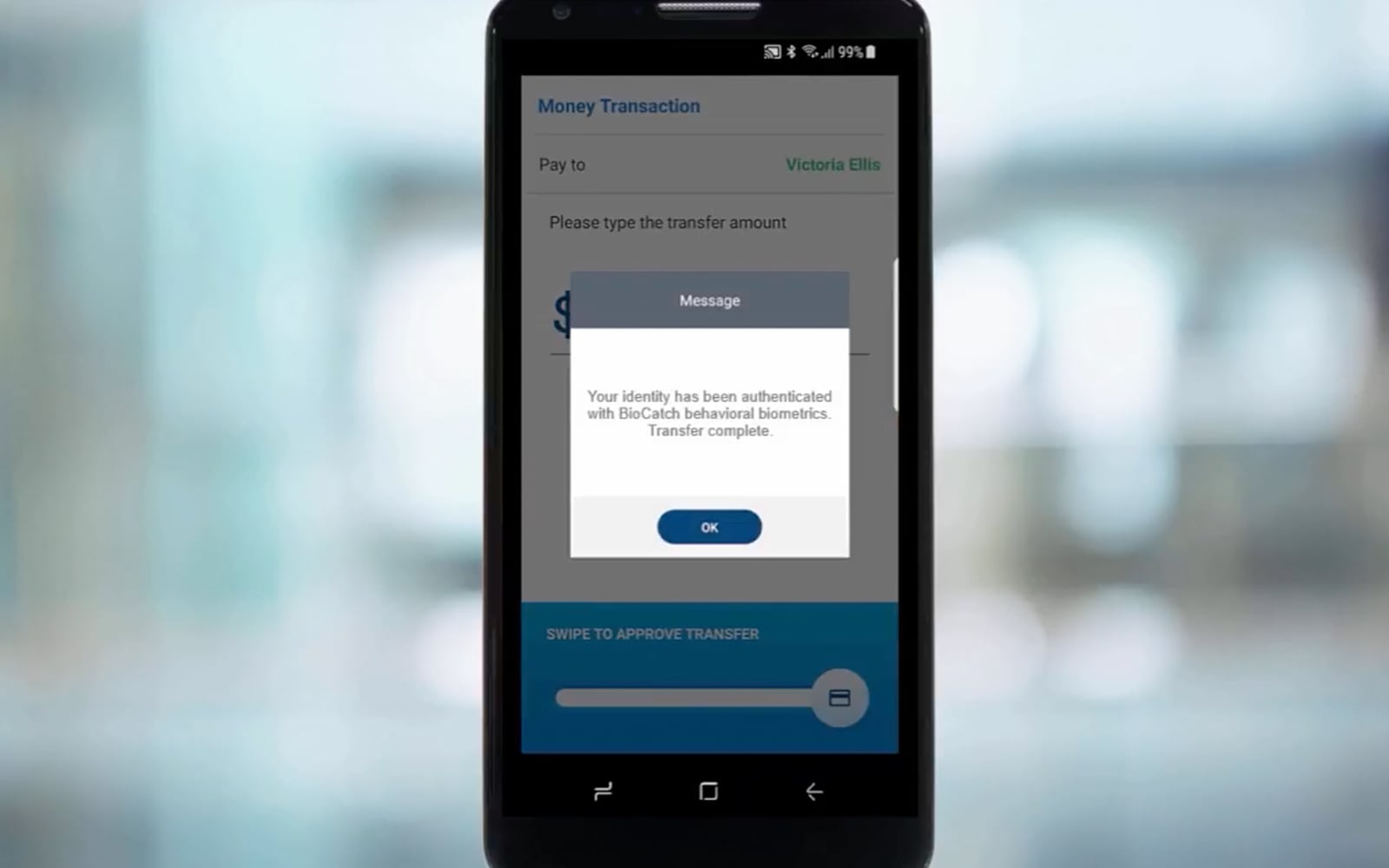
Visa's AI-powered fraud detection initiative represents a critical financial optimization opportunity for cross-border e-commerce sellers, directly addressing one of the highest-cost operational drains in international commerce. The announcement of real-time behavioral analysis, transaction velocity monitoring, and device fingerprinting across Visa's global network signals a fundamental shift in payment security infrastructure that will reduce chargeback rates, dispute resolution costs, and false-positive transaction blocks simultaneously.
For sellers, the financial impact is immediate and quantifiable. Chargeback fees typically range from $15-100 per dispute, with high-risk categories (electronics, luxury goods, digital products) experiencing 2-5% chargeback rates on international transactions. Visa's AI solution targets 40-60% reduction in fraudulent transactions while simultaneously eliminating false positives that previously blocked 3-8% of legitimate cross-border sales. This dual benefit creates a 2-4% margin recovery opportunity—translating to $20,000-$80,000 annual savings for mid-sized sellers processing $500K-$2M in monthly cross-border volume.
The payment cost optimization extends beyond chargeback reduction. Sellers currently allocate 0.5-1.2% of transaction volume to fraud prevention tools, dispute management, and manual review processes. Visa's integrated solution requires "minimal operational changes" while automating detection across existing merchant systems, reducing manual intervention costs by 30-50%. For a seller processing $1M monthly in cross-border transactions, this translates to $1,500-$6,000 monthly savings in operational overhead. Additionally, reduced false positives directly improve conversion rates on international transactions—industry data shows legitimate customers abandon 8-12% of transactions when flagged as suspicious, representing lost revenue of $80,000-$120,000 annually for mid-market sellers.
From a cash flow perspective, this development unlocks immediate working capital improvements. Sellers currently hold 5-10% of transaction proceeds in reserve for chargeback disputes, creating working capital drag. With fraud rates declining 40-60%, sellers can reduce reserve requirements by 2-6% of monthly revenue, freeing $10,000-$60,000 in immediate liquidity for inventory purchases or operational expansion. The faster dispute resolution enabled by AI detection also accelerates cash conversion cycles by 3-5 days, improving working capital efficiency.
The competitive and compliance landscape is shifting rapidly. Bank of America's acquisition of cybersecurity firms and similar institutional moves indicate that AI-driven fraud prevention is becoming table-stakes for payment processors. Visa's rollout may eventually become mandatory for high-volume merchants (typically 500+ daily transactions), creating a compliance deadline that sellers should monitor. Early adopters gain 6-12 month competitive advantages in conversion rates and operational costs before adoption becomes industry standard.
Questions 7
How does this compare to traditional fraud prevention costs?
Sellers currently allocate 0.5-1.2% of transaction volume to fraud prevention tools, dispute management, and manual review processes. Visa's integrated AI solution automates detection across existing systems while reducing manual intervention by 30-50%, lowering operational costs significantly. For a $1M monthly seller, traditional fraud prevention costs $5,000-$12,000 monthly; Visa's solution reduces this to $3,500-$8,500 while improving detection accuracy by 40-60%, creating a cost-efficiency gain of $1,500-$6,000 monthly.
Which product categories benefit most from Visa's fraud detection?
Electronics, luxury goods, and digital products are identified as highest-benefit categories due to elevated fraud targeting and chargeback rates (2-5% vs. 0.5-1% for apparel/home goods). These categories experience sophisticated synthetic identity fraud and account takeover attacks that traditional security methods struggle to detect. Visa's behavioral analysis and device fingerprinting specifically target these attack vectors, making high-risk sellers the primary beneficiaries of margin recovery and conversion rate improvements.