




Truth API Monetization Model | Emerging Opportunity in Political Information Commerce
- Trump Media launches $60K-$100K/month API service; creates new market for real-time political intelligence affecting tariff-sensitive sellers and policy-dependent product categories






Overview
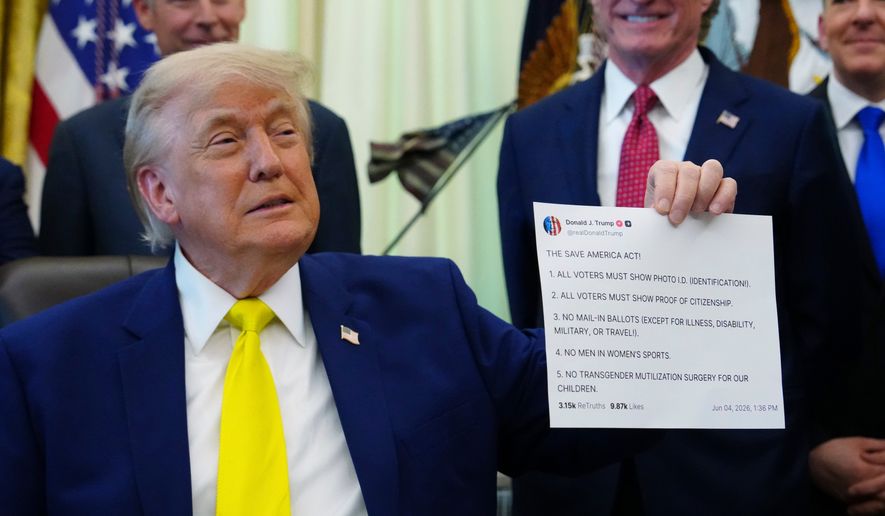
Trump Media Technology Group's Truth API launch represents a significant shift in how political information is commercialized and distributed, with direct implications for e-commerce sellers dependent on policy signals. The platform launched a paid API service providing machine-readable feeds from Truth Social's highest-ranking accounts—including Trump's 13 million-follower account, White House posts, and accounts of Health Secretary Robert F. Kennedy Jr. (3.9M followers) and FBI Director Kash Patel (1.9M followers)—at reported pricing of $60,000-$100,000 monthly. This creates a new market segment for real-time political intelligence that directly impacts sellers in tariff-sensitive categories (electronics, apparel, home goods) and policy-dependent sectors (healthcare, financial services, energy).
For cross-border e-commerce sellers, this development signals a critical market opportunity and risk management tool. Trump's historical posts on trade, tariffs, and foreign policy have moved financial markets and influenced regulatory decisions affecting import/export costs. Sellers currently monitor these announcements through delayed channels—news aggregators, social media feeds, or trading platforms—creating information asymmetry. The Truth API's millisecond-speed delivery enables institutional subscribers to react to market-moving announcements before broader market absorption, potentially affecting currency valuations, tariff implementations, and supply chain costs. Sellers in electronics (average tariff exposure: 5-25%), apparel (12-35% tariffs), and home goods (8-20% tariffs) face direct cost impacts from policy announcements. The API's $60K-$100K monthly cost is prohibitive for individual sellers but accessible to larger aggregators, trading firms, and supply chain management platforms that could resell insights to seller networks.
The controversy surrounding the API—criticized by Democratic senators as an "abuse of presidential office" and dismissed by hedge fund analysts as "selling noise"—highlights the broader tension between information access and market fairness. Sequoia Capital partner Shaun Maguire argued the service "cheapens policy achievements," while hedge fund founder Vuk Vuković claimed analysis showed no reliable trading signal from Trump's posts. This skepticism suggests the API's value proposition remains unproven for actual trading/business decisions. However, the fact that Trump Media confirmed "signing customers before launch and onboarding additional firms" indicates institutional demand exists, likely from trading firms and supply chain analytics companies. For sellers, the key insight is that policy information is now being packaged as a premium product, suggesting growing market recognition that real-time political intelligence has quantifiable business value. Sellers should monitor whether third-party platforms (Amazon Business, Shopify apps, or logistics providers) begin integrating tariff/policy alerts derived from such feeds, creating new competitive advantages for early adopters.
Questions 8
How does Trump's 41% ownership stake in Trump Media affect seller risk assessment?
Trump's 41% ownership through a revocable trust creates concentration risk and potential conflict-of-interest concerns that amplify regulatory scrutiny. If the SEC determines the API constitutes market manipulation or abuse of office, enforcement actions could target Trump Media's operational licenses or Trump's ownership stake. For sellers, this means: (1) Truth Media's operational stability depends on regulatory outcomes affecting Trump personally, (2) Platform viability is tied to Trump's political status and legal exposure, (3) Advertiser confidence may erode if enforcement actions proceed. Sellers should treat Truth Social as a supplementary marketing channel (5-10% of marketing budget) rather than a primary platform, and maintain diversified presence across Amazon, Meta, TikTok, and YouTube where regulatory risk is lower and audience reach is broader.
What does the Truth API launch signal about the future of political information commerce?
The Truth API represents a significant shift toward commercializing political information as a premium product, signaling that real-time policy intelligence has quantifiable business value. Trump Media's decision to monetize Truth Social's highest-ranking accounts at $60K-$100K monthly suggests the company views political information as a revenue stream comparable to traditional financial data services. This trend could expand to other political figures' accounts, other platforms, or integrated into existing business intelligence tools. For sellers, the broader implication is that policy monitoring is transitioning from free/low-cost channels (news aggregators, social media) to premium services. Sellers should expect increasing availability of policy-alert tools integrated into logistics, inventory, and supply chain platforms over the next 12-24 months, creating competitive advantages for early adopters who can access and act on policy information faster than competitors.