



USD-JPY Intervention Signals Volatility | Cross-Border Sellers Face 8-15% Margin Swings
- US Treasury & Bank of Japan deploy $34B coordinated intervention; yen gains fade rapidly; sellers importing from Japan or exporting to US face continued FX headwinds through Q4 2026







Overview
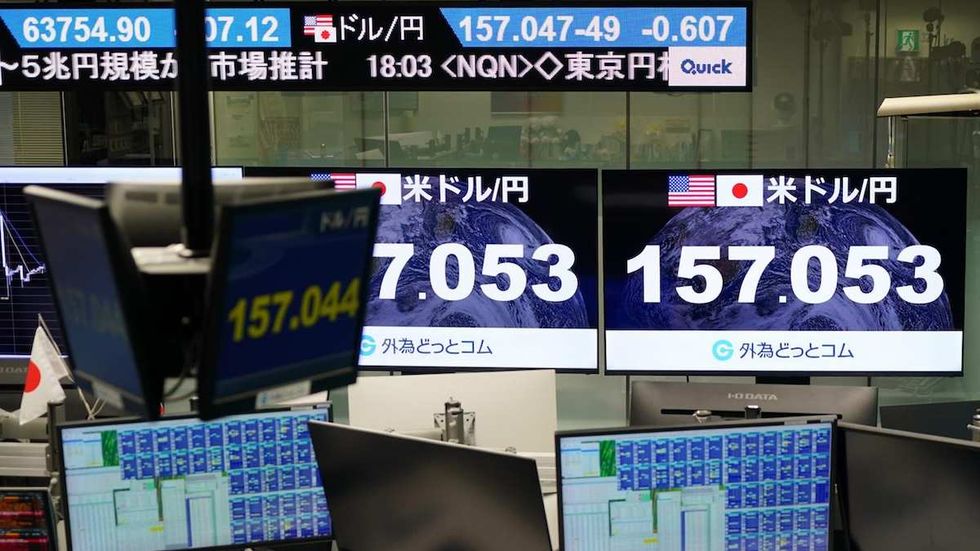
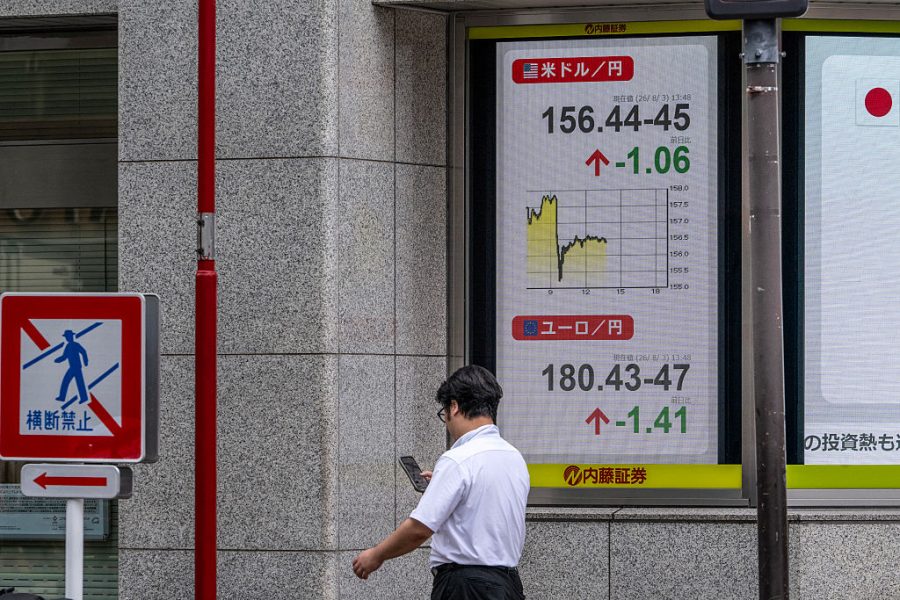
The US Treasury Department and Bank of Japan executed a rare joint currency intervention on August 3, 2026, deploying approximately $34 billion (5.33 trillion yen) to support the weakening yen—the first coordinated action between the two nations in over a decade. Treasury Secretary Scott Bessent publicly signaled the effort through a Camp David photo, while the Federal Reserve's FIMA Repo Facility allowed Japanese authorities to borrow dollars against Treasury securities. However, Bloomberg analysts report the yen's rally is "rapidly losing momentum," with market strategists assessing limited gains beyond 155 per dollar, indicating the intervention's temporary market impact.
For cross-border e-commerce sellers, this intervention creates immediate FX risk and pricing pressure. Japanese exporters selling to US markets benefit from yen weakness (making products 8-12% more price-competitive globally), while Japanese sellers importing goods face rising costs as the yen strengthens post-intervention. The intervention's limited effectiveness signals continued volatility: sellers operating across US-Japan corridors face 8-15% margin compression cycles as the yen oscillates between 150-160 per dollar. This directly impacts inventory costs, pricing strategies, and working capital for sellers in electronics, apparel, and consumer goods categories where Japan-US trade dominates.
The deeper financial context reveals systemic stress. The 30-year Treasury yield touched post-2007 highs around 5.23%, reflecting elevated global debt and capital allocation pressures. Nigel Green (deVere Group CEO) notes that joint interventions signal "underlying financial system pressures beyond simple currency fluctuations." The intervention also addresses carry trade risks: if the Bank of Japan raises rates to combat yen weakness and inflation, it could accelerate carry trade unwinding, creating additional market volatility that compounds FX uncertainty for sellers. This suggests the yen will remain volatile through late 2026, requiring sellers to implement dynamic hedging strategies and flexible pricing models rather than relying on stable exchange rates.
Immediate seller implications: Sellers with Japan-sourced inventory face rising landed costs if the yen strengthens further; those exporting to Japan face margin pressure from US dollar strength. The intervention's failure to sustain yen appreciation indicates markets remain skeptical of policy support, meaning sellers should expect continued 150-160 JPY/USD range trading. Working capital optimization becomes critical—sellers should accelerate invoice financing on Japan-denominated receivables before further yen weakness, and consider forward contracts to lock in FX rates for Q4 2026 inventory purchases.
Questions 7
What's the timeline for when FX volatility will stabilize for sellers?
Based on the intervention's limited effectiveness and elevated Treasury yields (5.23%), expect continued 150-160 JPY/USD volatility through Q4 2026 at minimum. Market strategists assess the yen has 'limited room for gains beyond 155 per dollar,' indicating the intervention failed to establish a new equilibrium. The deeper issue is systemic: elevated global debt, rising US deficit costs, and carry trade risks mean currency markets remain unstable. Sellers should plan for volatility through end of 2026, then reassess in Q1 2027 based on Bank of Japan policy decisions. Don't wait for stability—implement hedging and financing strategies now. Lock in forward contracts for Q4 2026 inventory within 2 weeks, and establish invoice financing relationships immediately to manage working capital through the volatile period.
How will Bank of Japan rate hikes affect my FX strategy if they happen?
If the Bank of Japan raises rates to combat yen weakness and inflation, carry trade unwinding could accelerate volatility significantly. Hedge funds borrowing low-cost yen to purchase higher-yielding assets elsewhere would unwind positions, creating sudden yen appreciation spikes. This would compress margins for sellers importing from Japan by 10-20% in short periods. **Immediate action**: implement stop-loss hedges on forward contracts (set triggers at 145 JPY/USD) to protect against sudden appreciation. Increase your invoice financing coverage to 60-70% of Japan-sourced inventory costs. Monitor Bank of Japan communications weekly—any hint of rate hikes should trigger immediate forward contract purchases for Q4 2026 inventory. The intervention's failure to sustain yen strength suggests markets expect BOJ action, so position defensively now.