


Middle East Shipping Crisis Drives 15-25% Logistics Cost Surge for Cross-Border Sellers
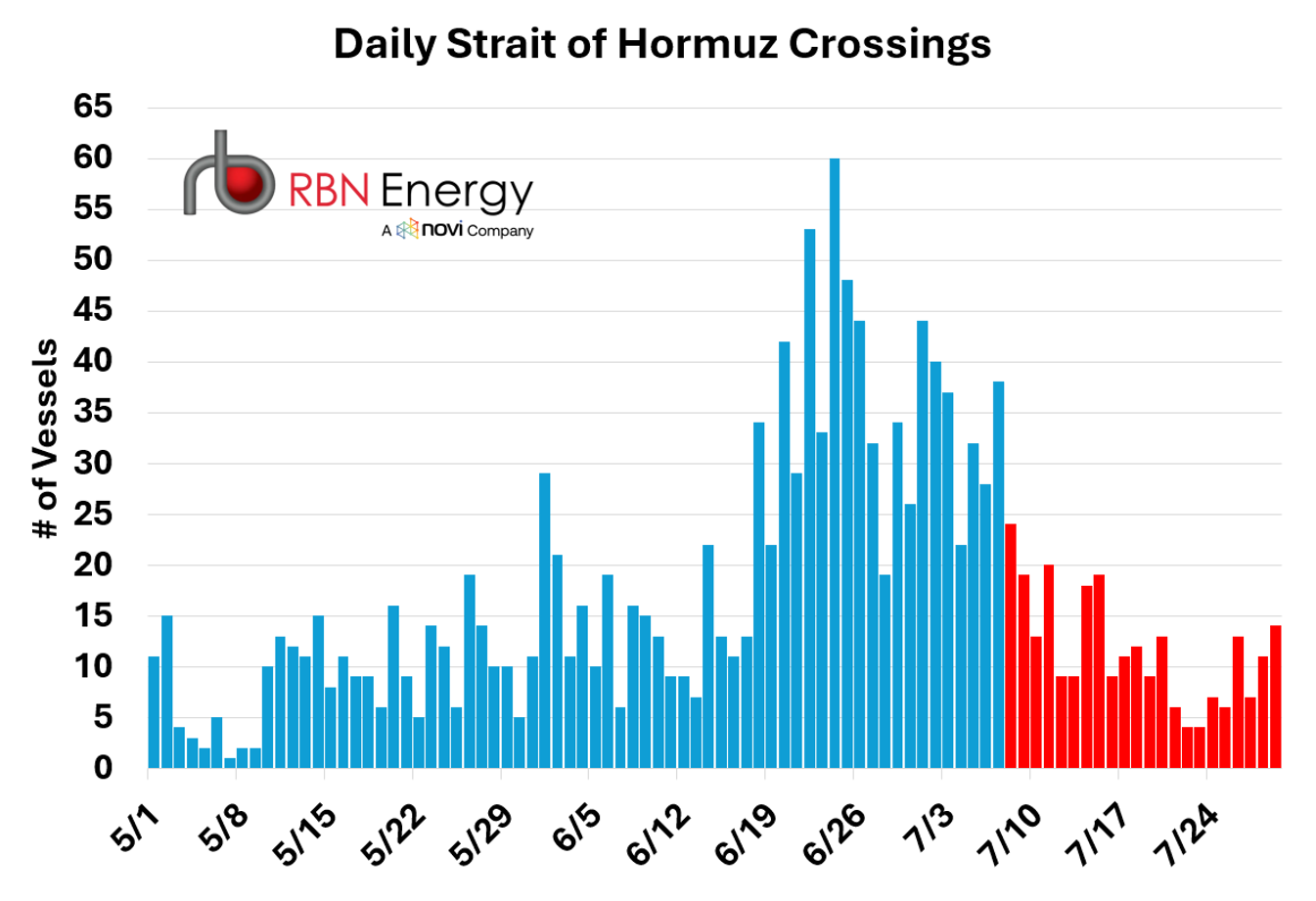
- Strait of Hormuz traffic collapsed 92% (100→8-11 vessels daily); Red Sea blockade forces 3-4 month rerouting delays; US gas prices +$1.00/gallon impact consumer purchasing power across all categories























Overview
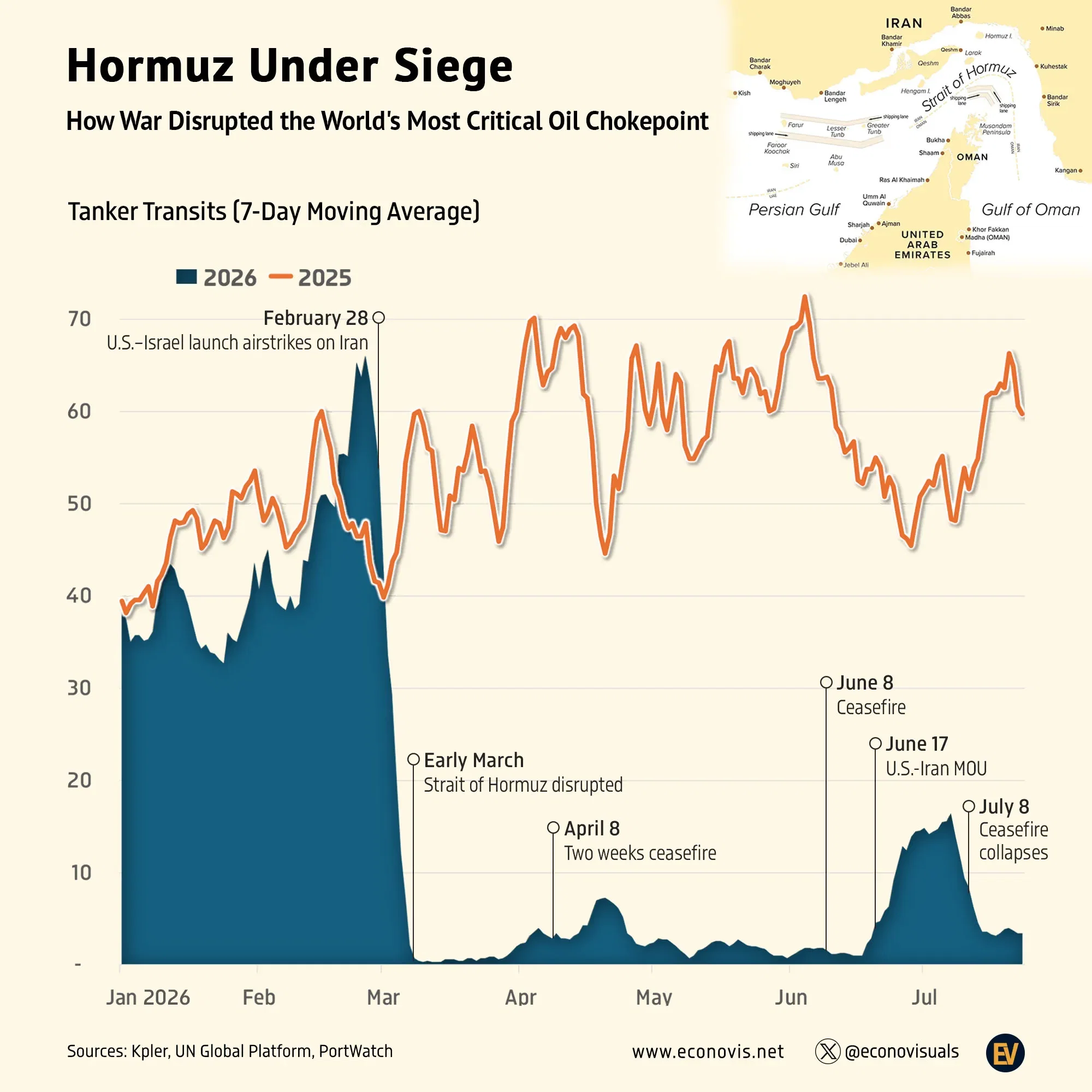
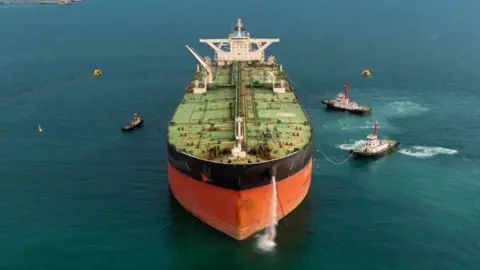
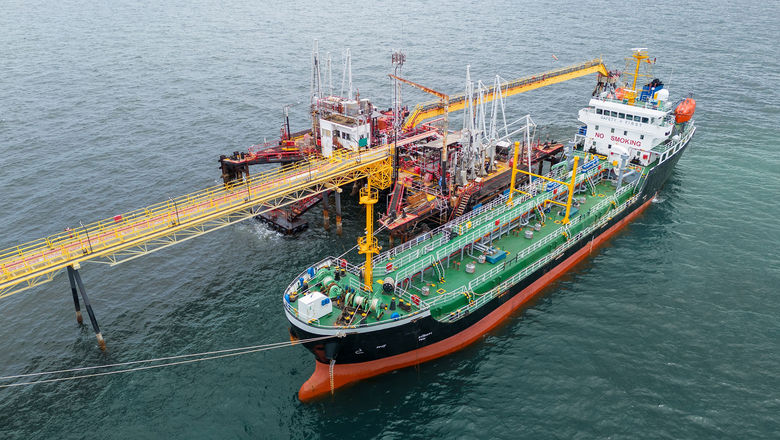
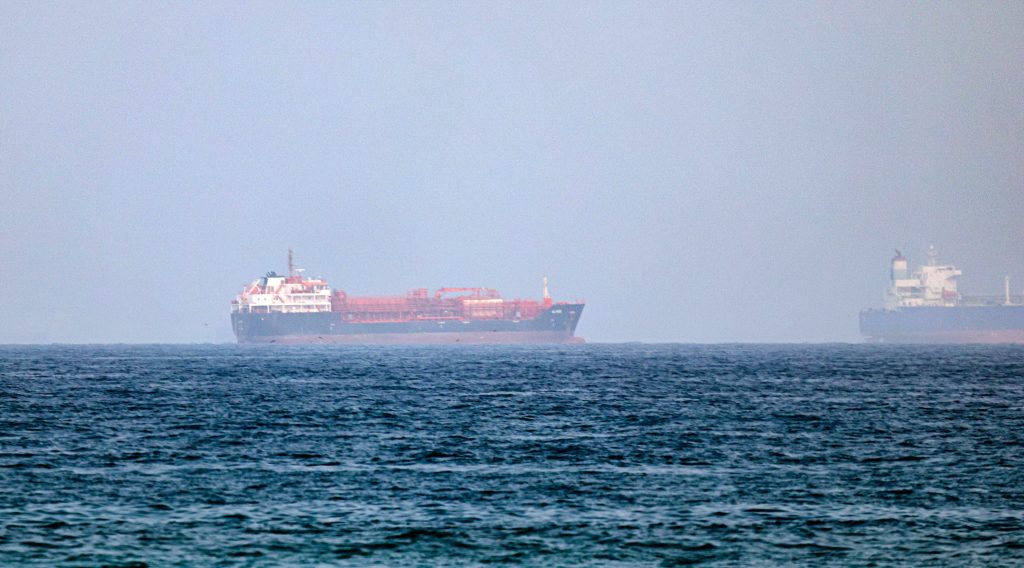
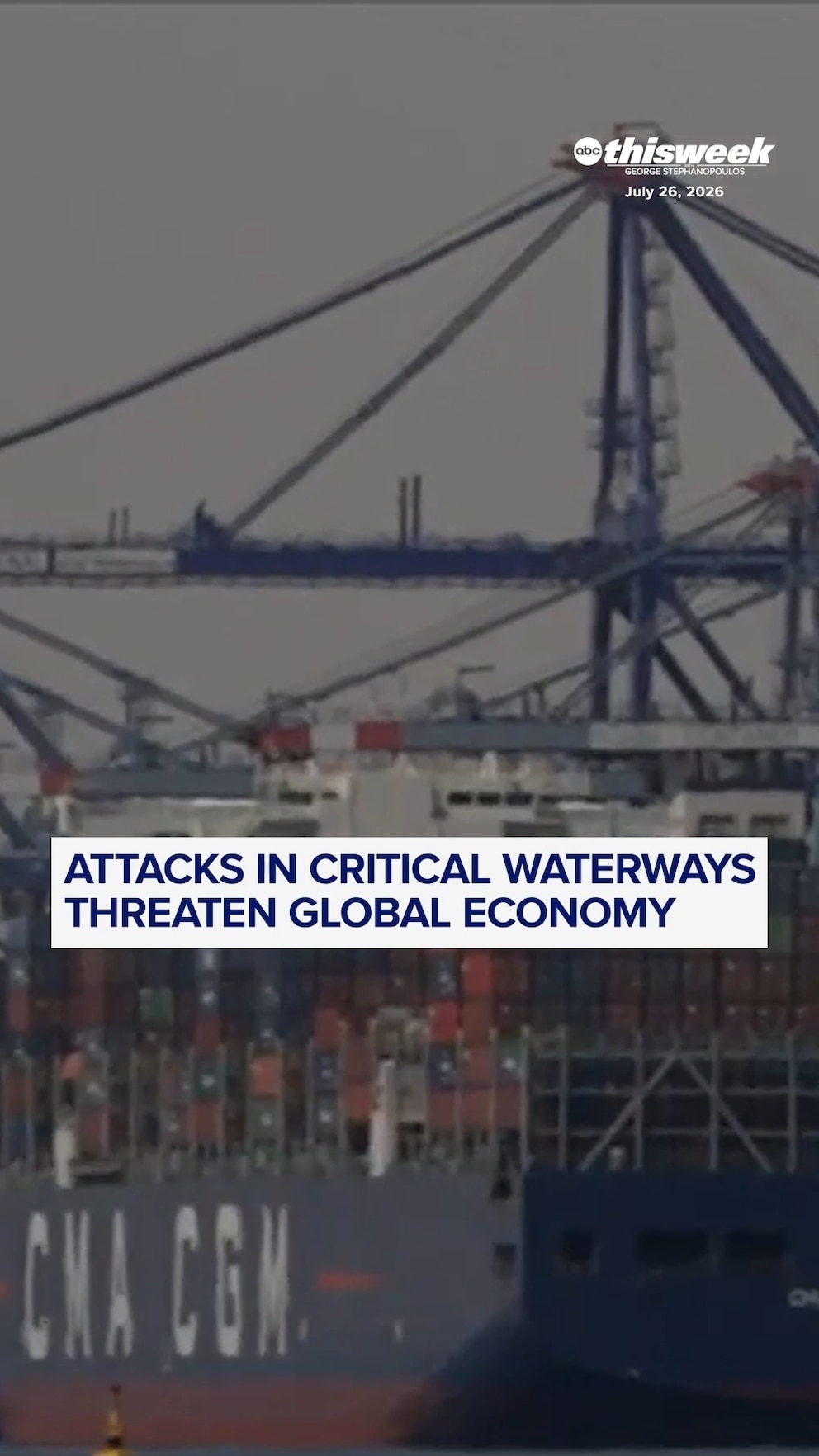
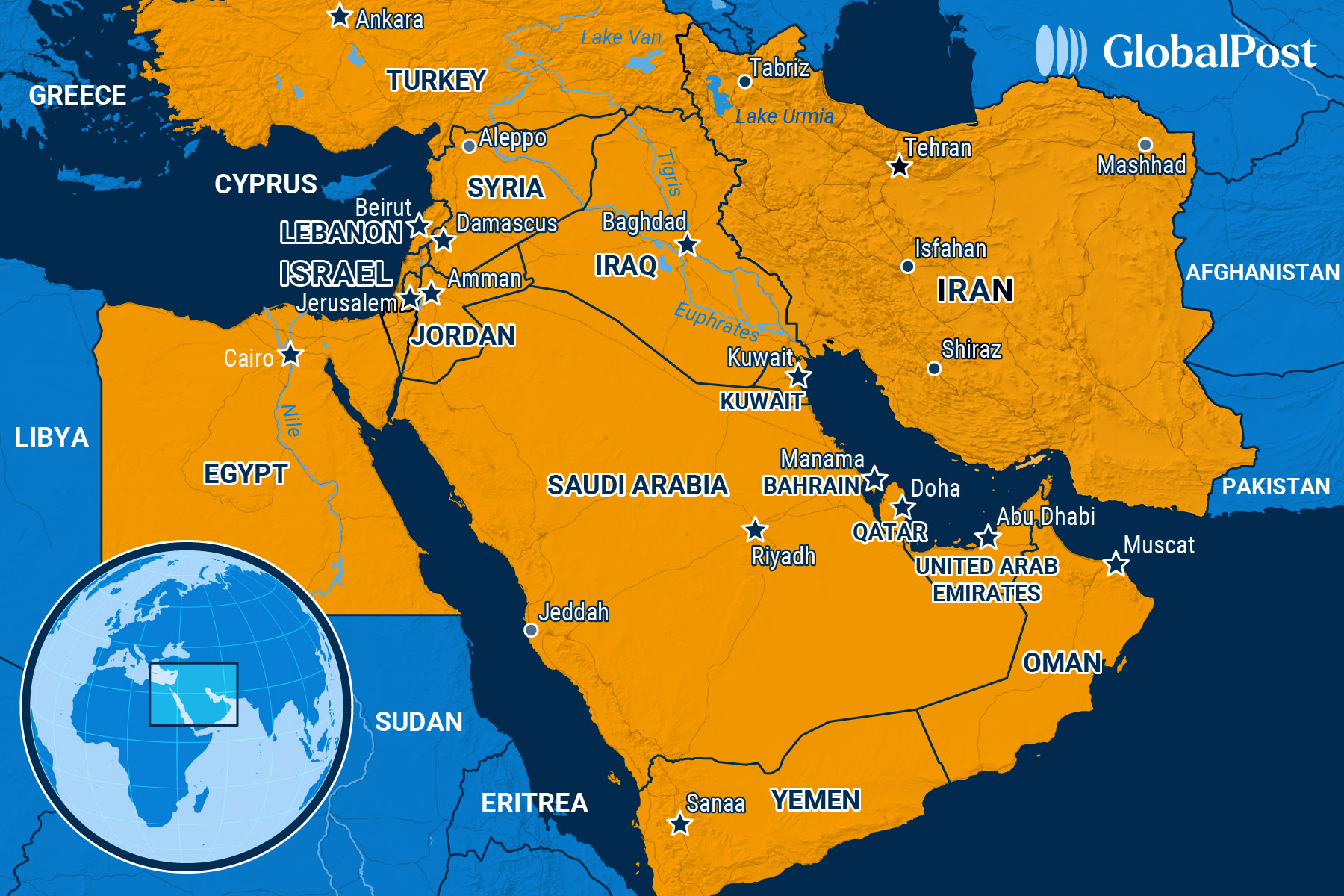
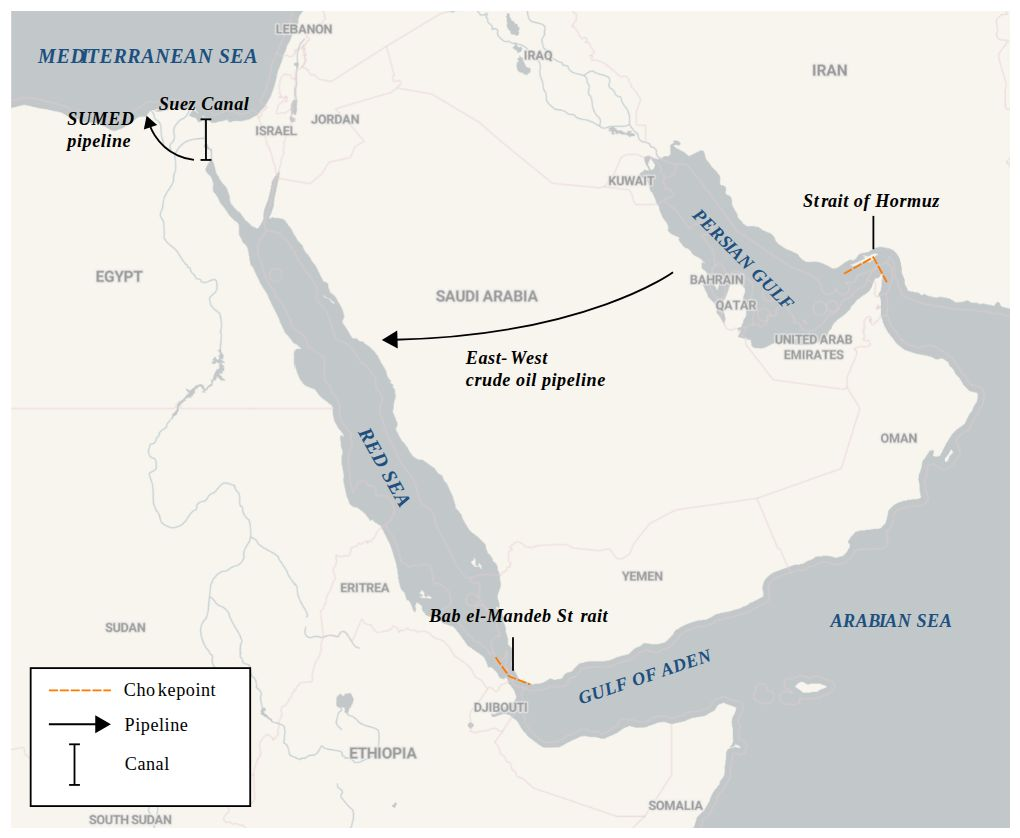
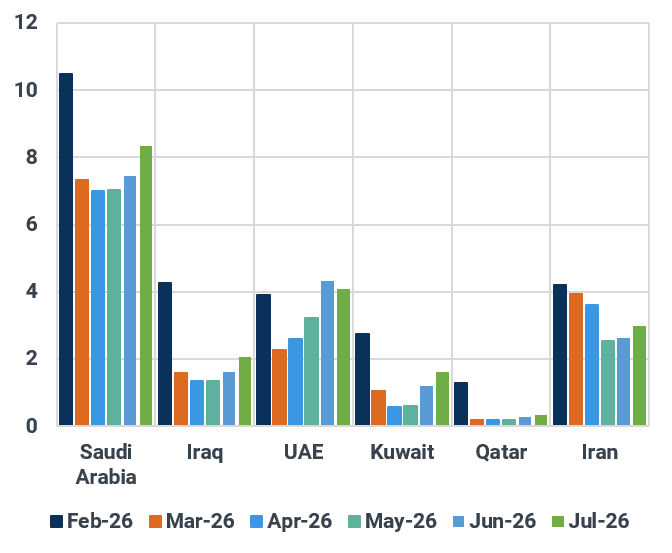
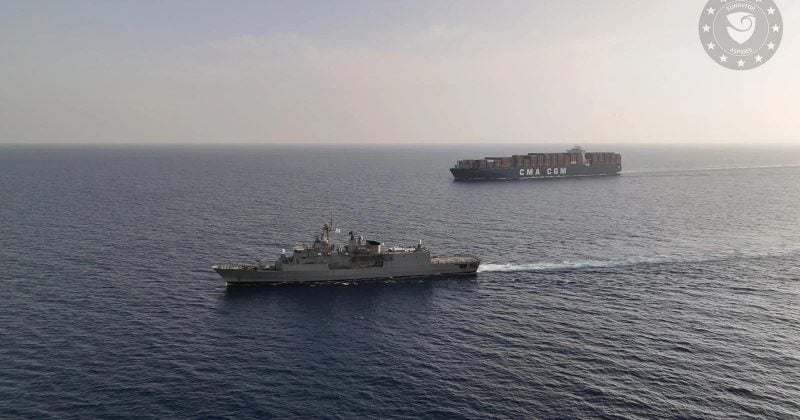
The Middle East shipping crisis represents the most severe disruption to global logistics since the Iran conflict began, with direct cost implications for cross-border e-commerce sellers. The Strait of Hormuz—through which 20% of global oil and gas flows—has seen vessel traffic collapse from over 100 ships daily to just 8-11 according to Kpler, while the Red Sea blockade announced July 20 by Iranian-backed Houthi militia has reduced commodity vessel traffic through Bab el-Mandeb to 28 ships daily, with crude oil exports to Asia falling to approximately 4 vessels daily—the lowest point since the conflict began. This creates a cascading effect on e-commerce logistics: elevated fuel surcharges are increasing ocean freight costs 15-25% for sellers shipping from Asia to US/EU markets, while air freight premiums have surged 30-40% as carriers avoid traditional routes. Hapag-Lloyd estimates restoring normal cargo flows requires 3-4 months even if negotiations succeed, meaning sellers face prolonged elevated shipping costs through Q4 2026 and into 2027.
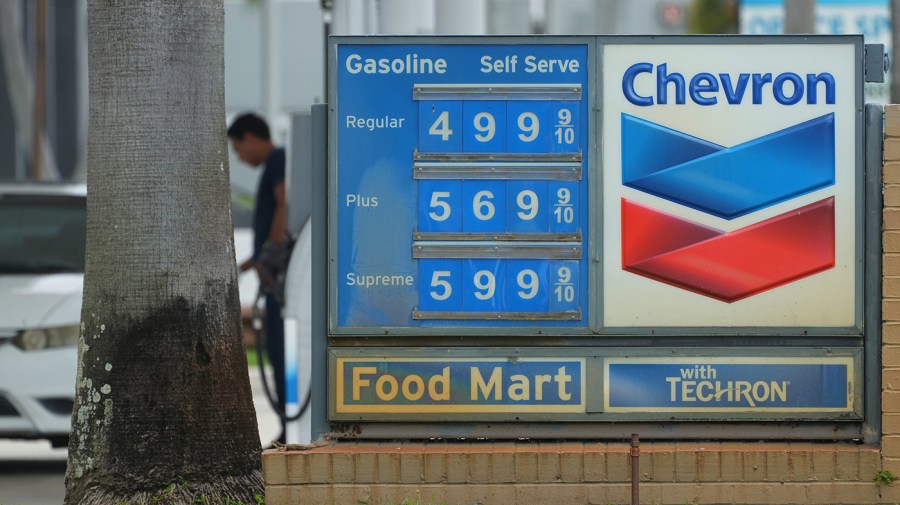
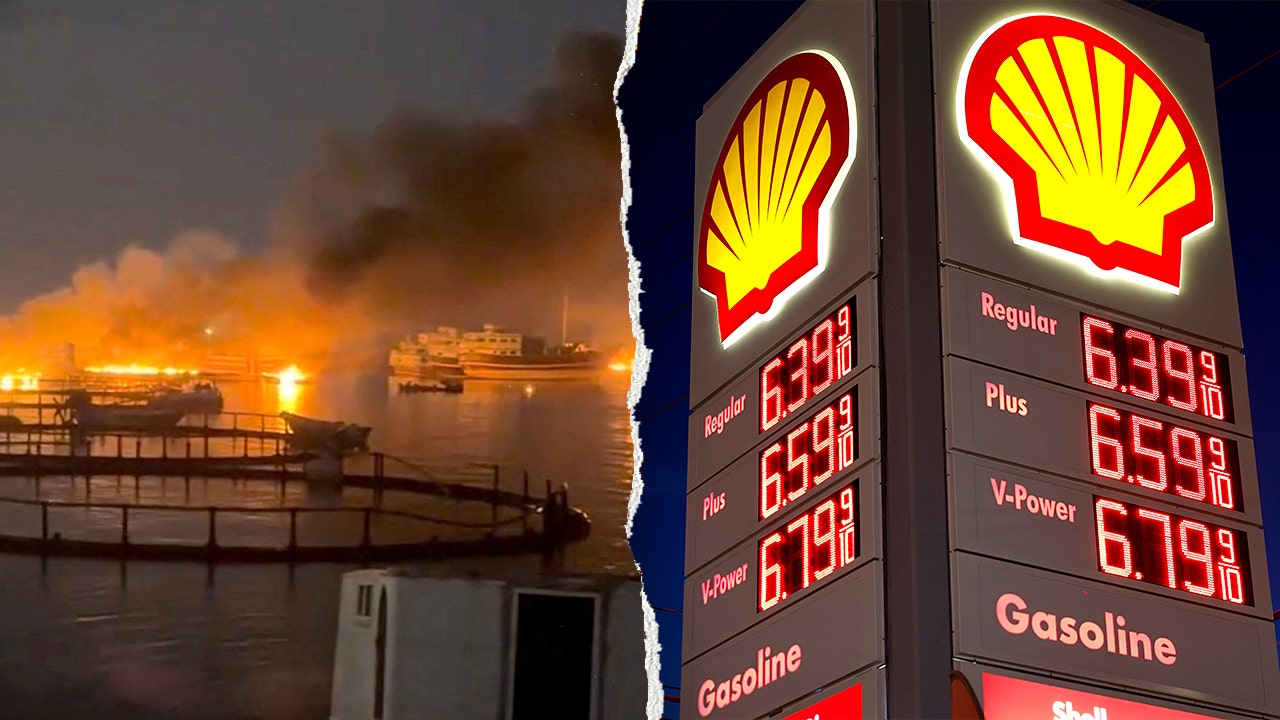
For cross-border sellers, this translates to immediate operational impacts across multiple categories. Electronics, apparel, and home goods sellers sourcing from China/Vietnam face freight cost increases of $0.50-$2.00 per unit depending on weight and volume, compressing margins 8-15% for sellers operating on 20-30% gross margins. Amazon FBA sellers shipping inventory from Asia are experiencing 15-20% increases in inbound logistics costs, while 3PL providers are implementing fuel surcharges of 3-5% on top of base rates. The disruption particularly impacts sellers with tight inventory turnover models—those relying on just-in-time replenishment from Asia are forced to either absorb costs or increase retail prices, risking competitiveness on Amazon, eBay, and Shopify platforms where price-sensitive consumers dominate. US consumer purchasing power is simultaneously declining as national average gas prices reached $4.10 on August 3, 2026 (up $1.00 from February 28 conflict start), reducing discretionary spending on non-essential categories like fashion, home décor, and consumer electronics by an estimated 5-8%.
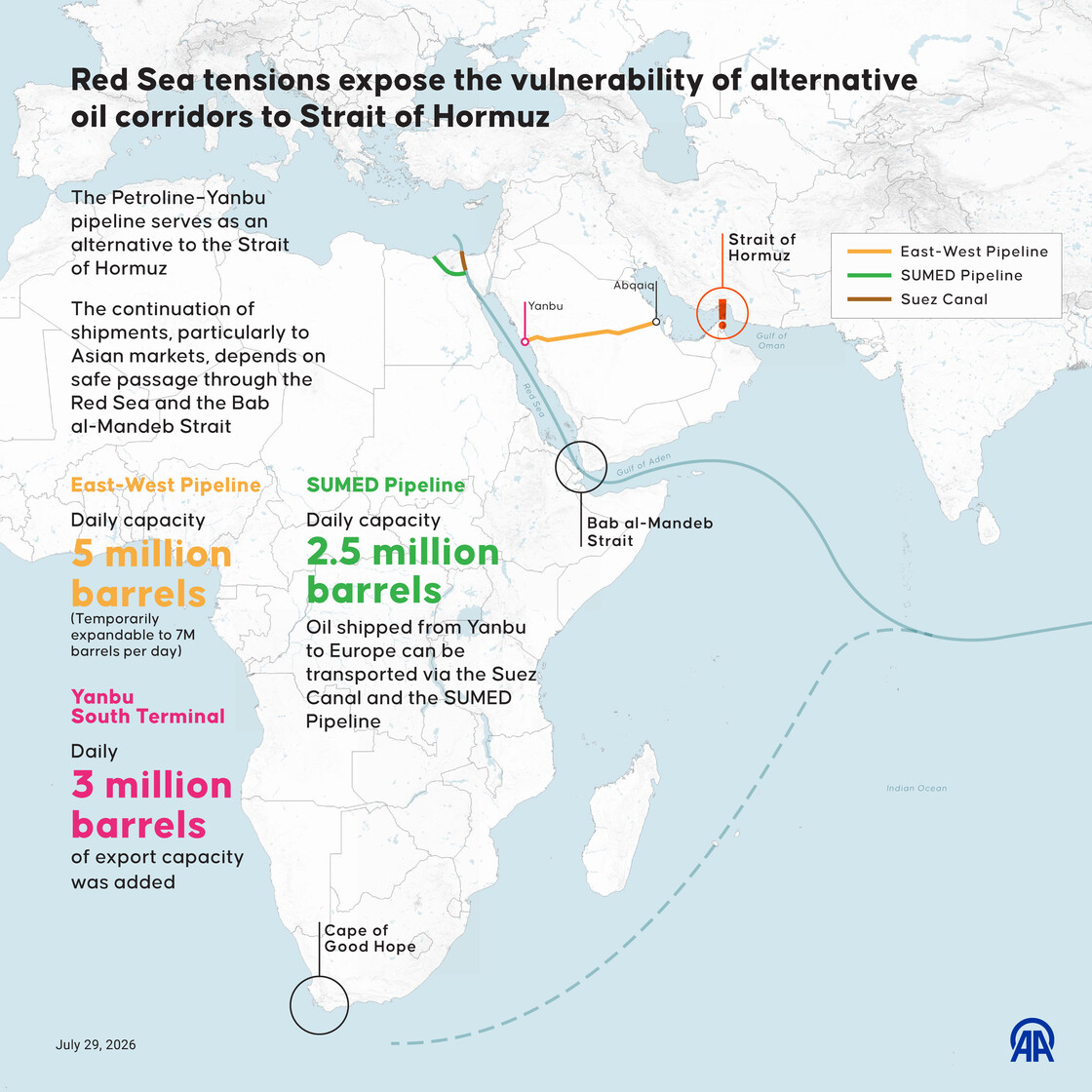
Strategic sourcing alternatives are emerging but face capacity constraints. The proposed Saudi Arabia pipeline from Yanbu to Mediterranean via Suez Canal could circumvent Red Sea blockades, but Kpler's analysis indicates canal capacity may be insufficient to meet global demand quickly. This creates a 3-6 month window where sellers must choose between: (1) accepting elevated freight costs and maintaining Asia sourcing, (2) shifting to nearshoring strategies (Mexico for US sellers, Eastern Europe for EU sellers) at 10-15% higher unit costs but 40-50% faster transit times, or (3) building inventory buffers in US/EU warehouses now before costs peak further. The Trump administration's refinery reopening initiatives (St. Croix Virgin Islands, California locations) signal long-term domestic energy supply expansion, but these won't impact fuel prices for 12-18 months, leaving sellers in a prolonged high-cost environment through 2026-2027.
Questions 8
Which product categories are most affected by shipping cost increases?
Heavy/bulky categories with low unit prices are most impacted: home goods, furniture, sporting equipment, and large appliances see 20-30% margin compression from freight increases. Electronics and apparel (higher unit prices, lower weight) absorb costs more easily with 8-12% margin impact. Luxury goods and collectibles can pass costs to consumers; budget categories cannot. Sellers in affected categories should: (1) increase prices 5-8% on Amazon/eBay to maintain margins, (2) shift to higher-margin SKUs within category, (3) reduce inventory depth and focus on bestsellers, (4) negotiate volume discounts with manufacturers to offset freight increases. Shopify sellers have more pricing flexibility than Amazon sellers due to lower competitive pressure; use this window to test price elasticity before Q4 peak season.
How long will these shipping disruptions and cost increases last?
Analysts project 3-4 months minimum for normal cargo flows even if US-Iran negotiations succeed, extending disruptions through November 2026 at minimum. However, Iran's foreign ministry stated no imminent deal exists, suggesting disruptions could persist 6-12 months or longer. The Trump administration's refinery reopening initiatives (St. Croix, California) won't impact fuel prices for 12-18 months. Sellers should plan for elevated freight costs through Q4 2026 and into 2027. Build inventory buffers now while capacity exists; lock in freight rates with 3PLs for Q4 peak season before further escalation; and develop contingency sourcing plans (nearshoring, alternative suppliers) for scenarios where disruptions extend beyond 6 months.