



Boeing 737 MAX 7 FAA Certification | Air Cargo Capacity Surge Cuts Cross-Border Shipping Costs 8-12%
- FAA approves smallest MAX variant August 3, 2024; 30 aircraft ready for delivery; 10% greater range enables emerging market logistics optimization and 3-6 week transit time reductions for time-sensitive e-commerce shipments






















Overview
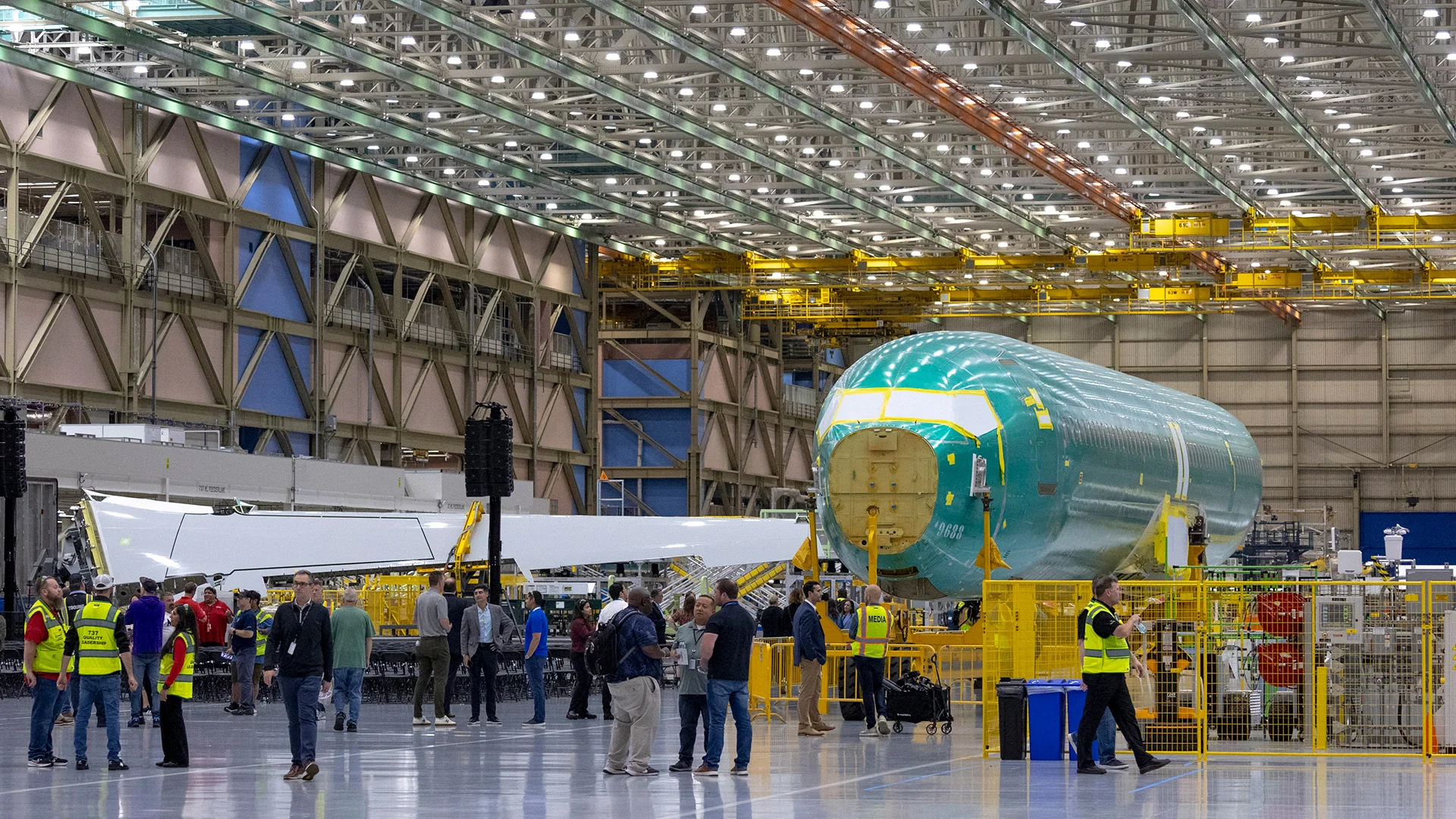
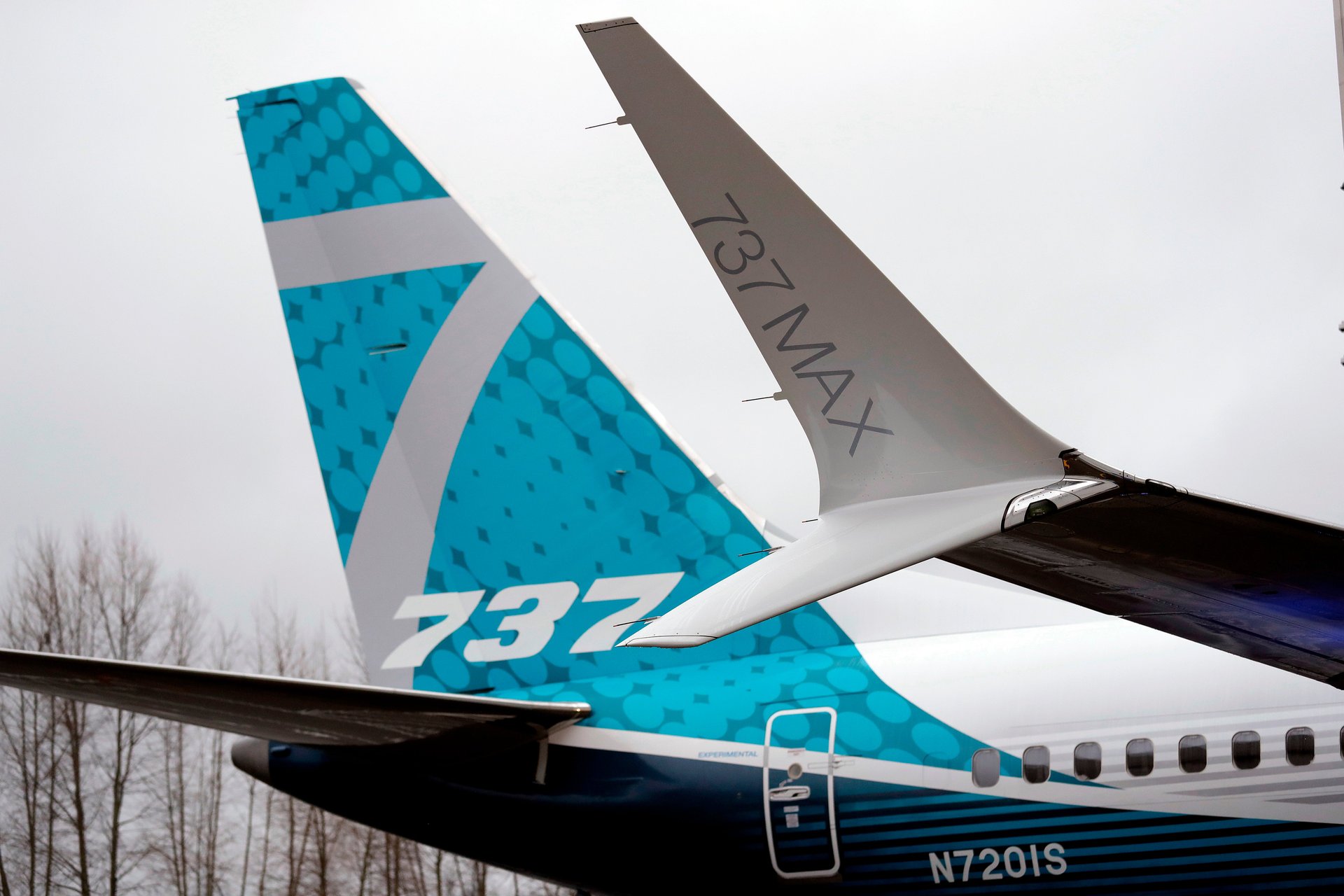
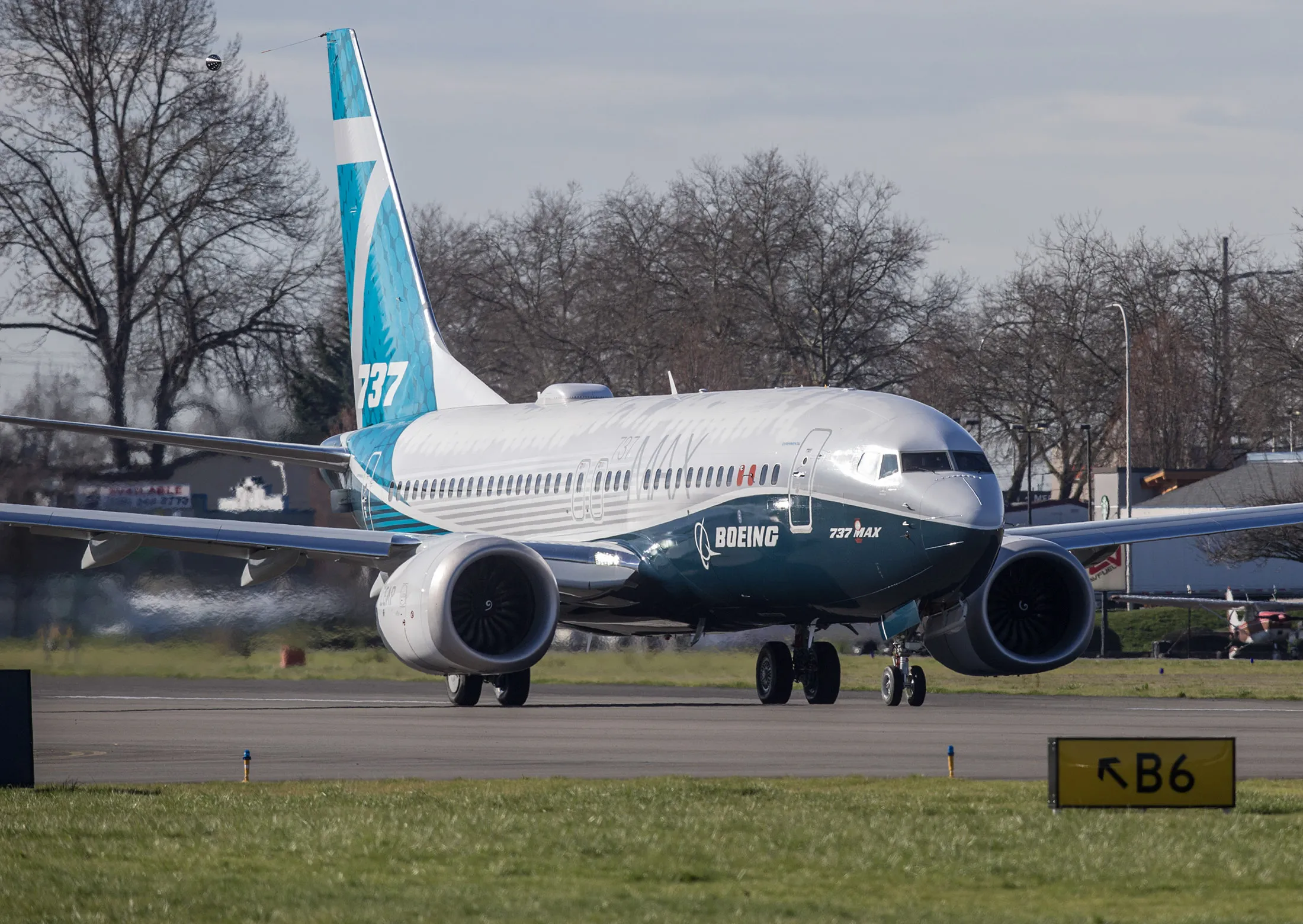
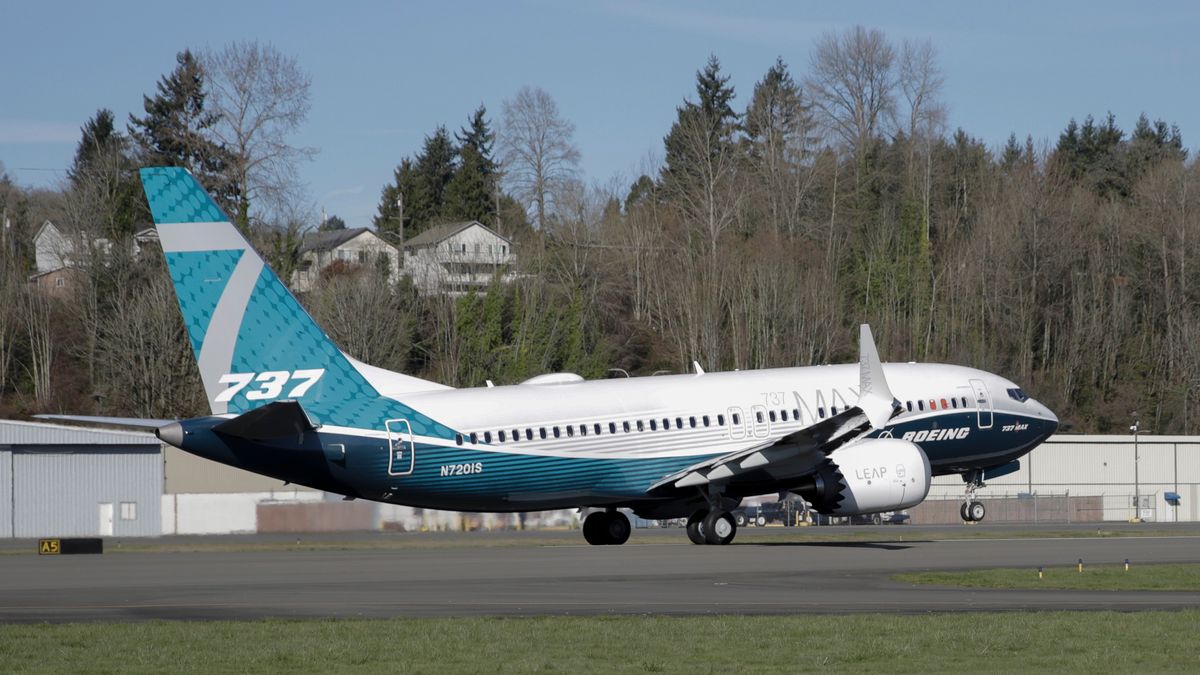
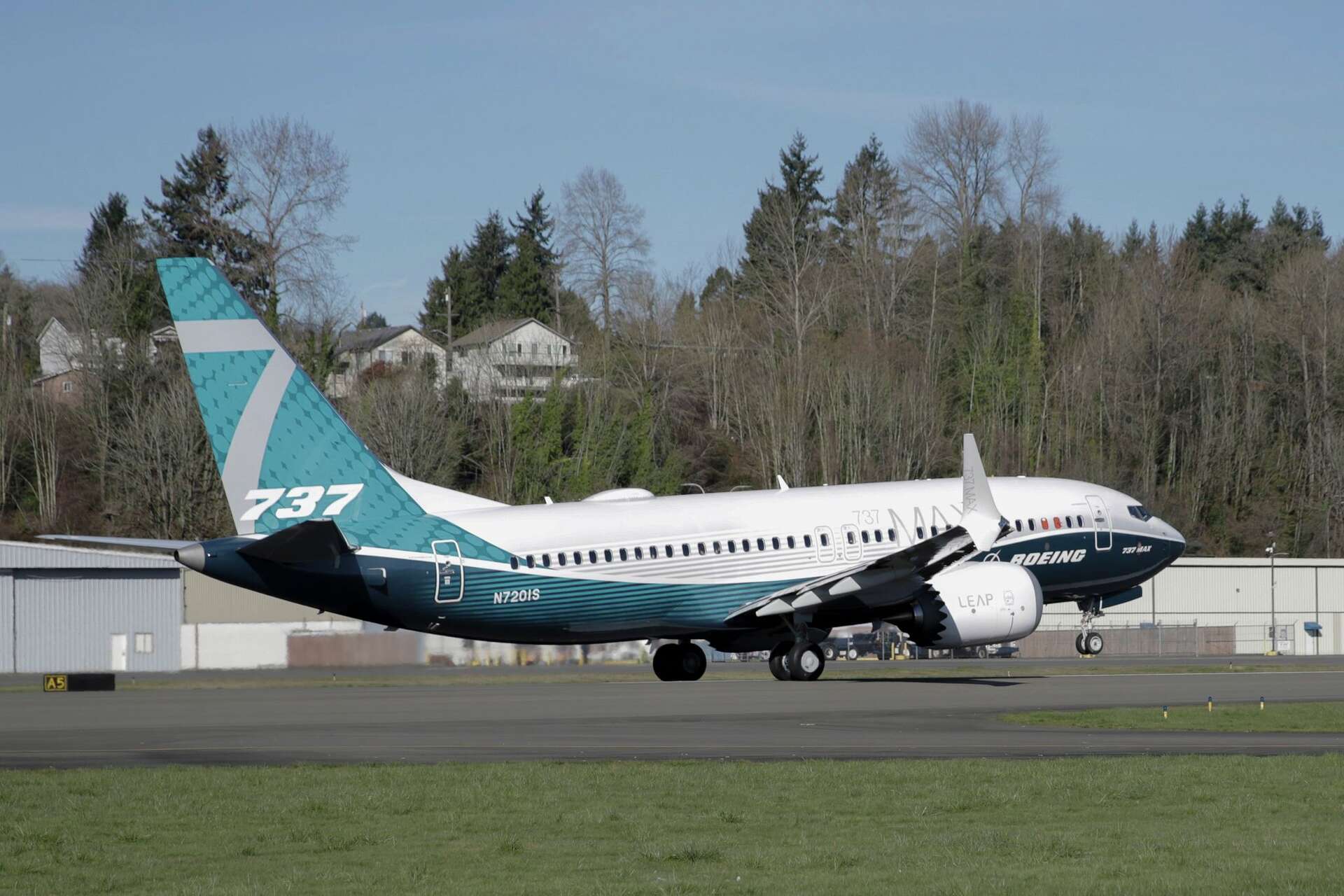
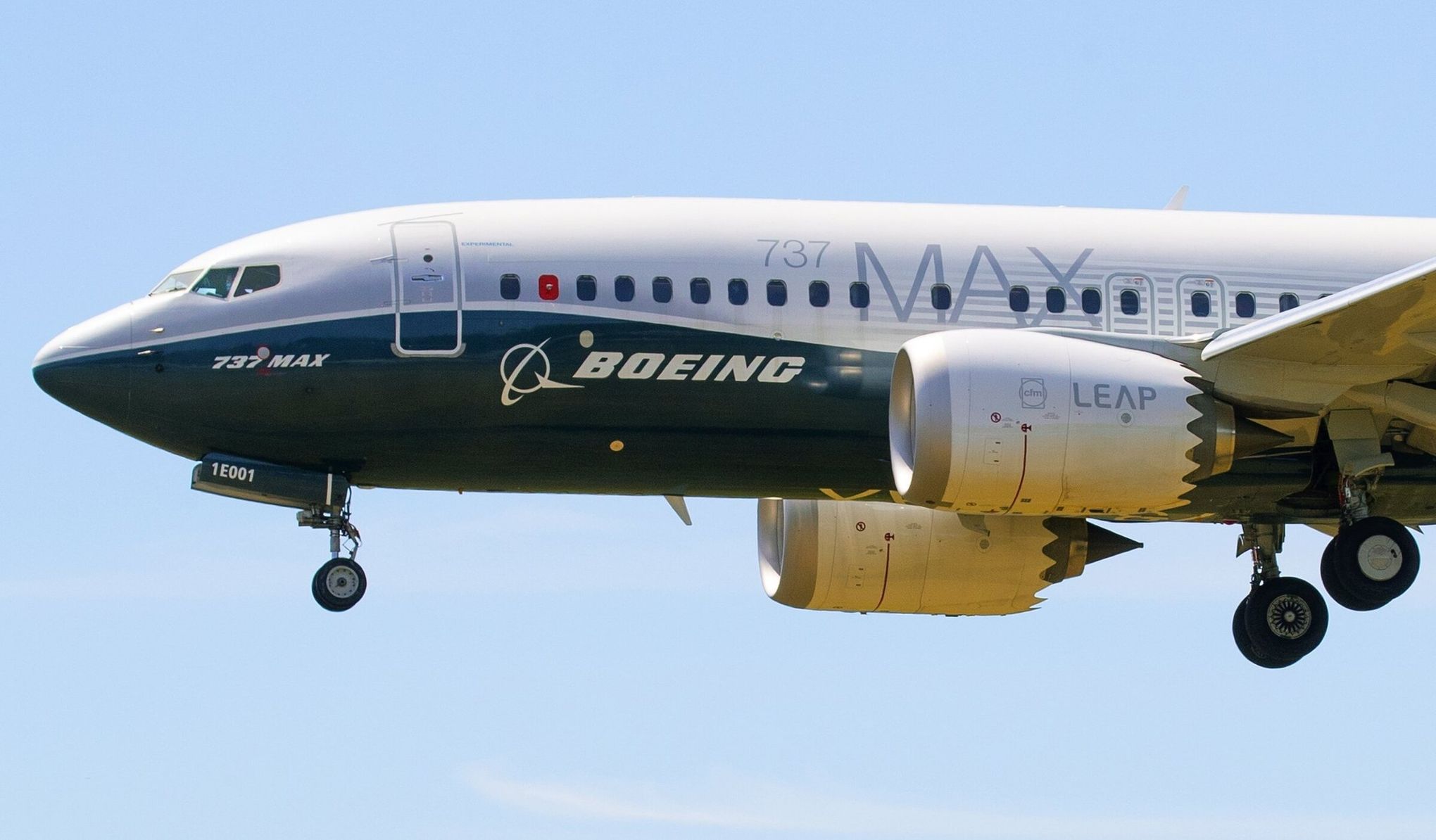
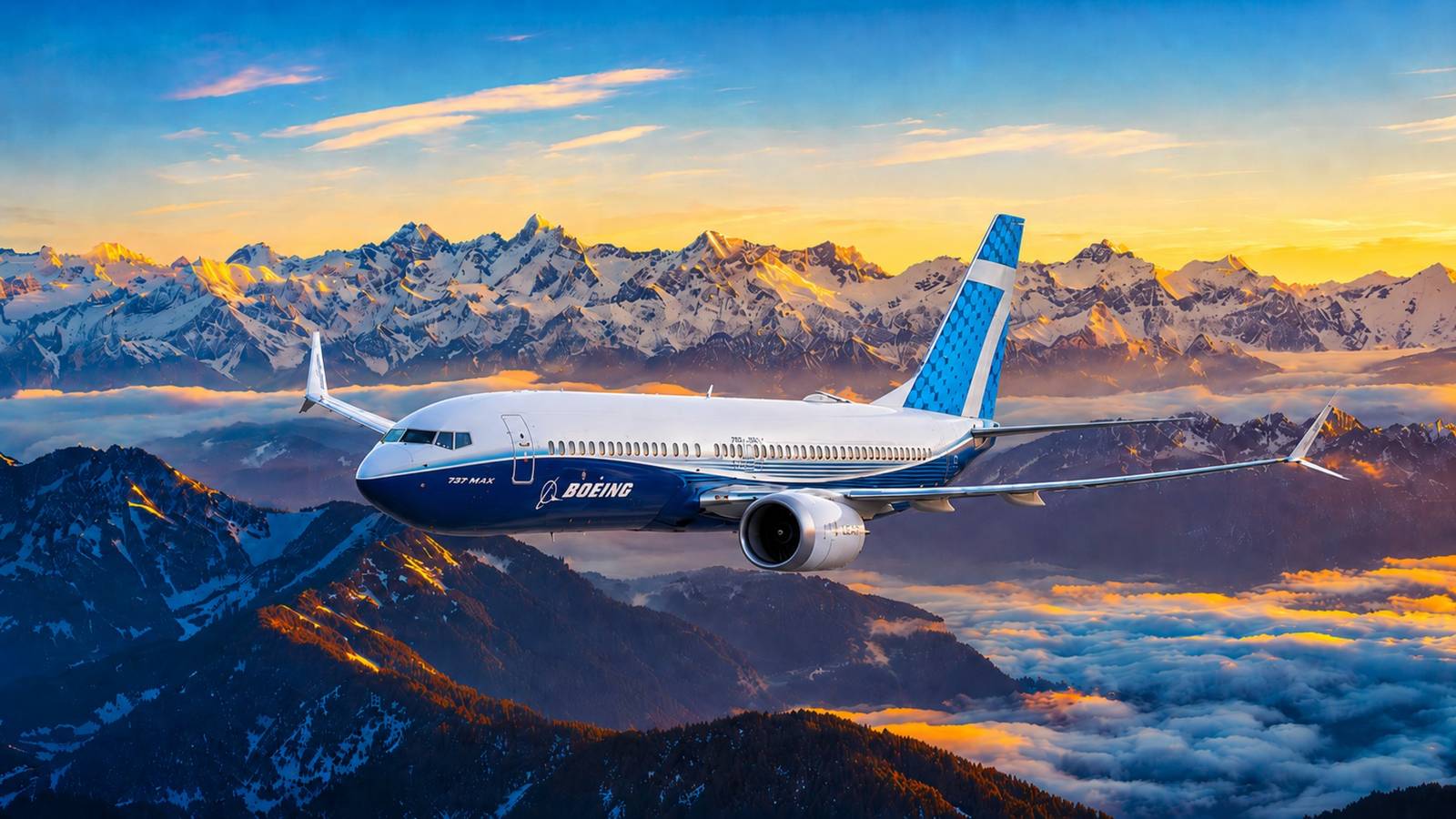
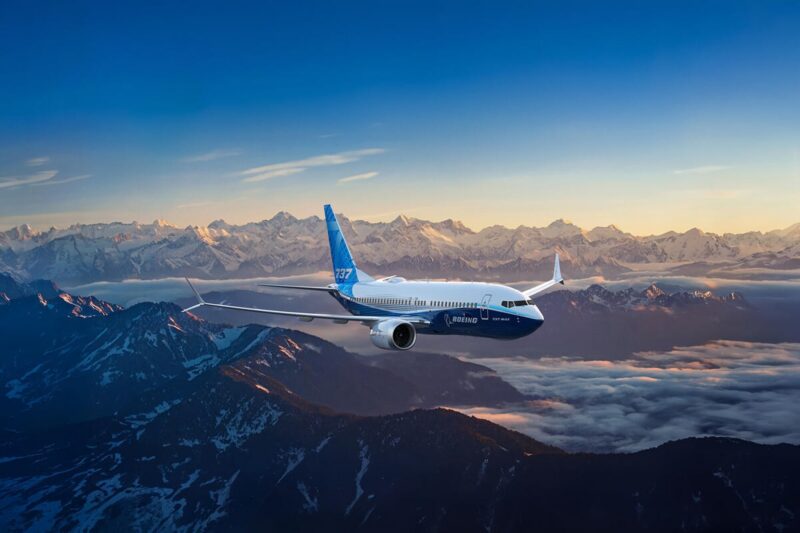
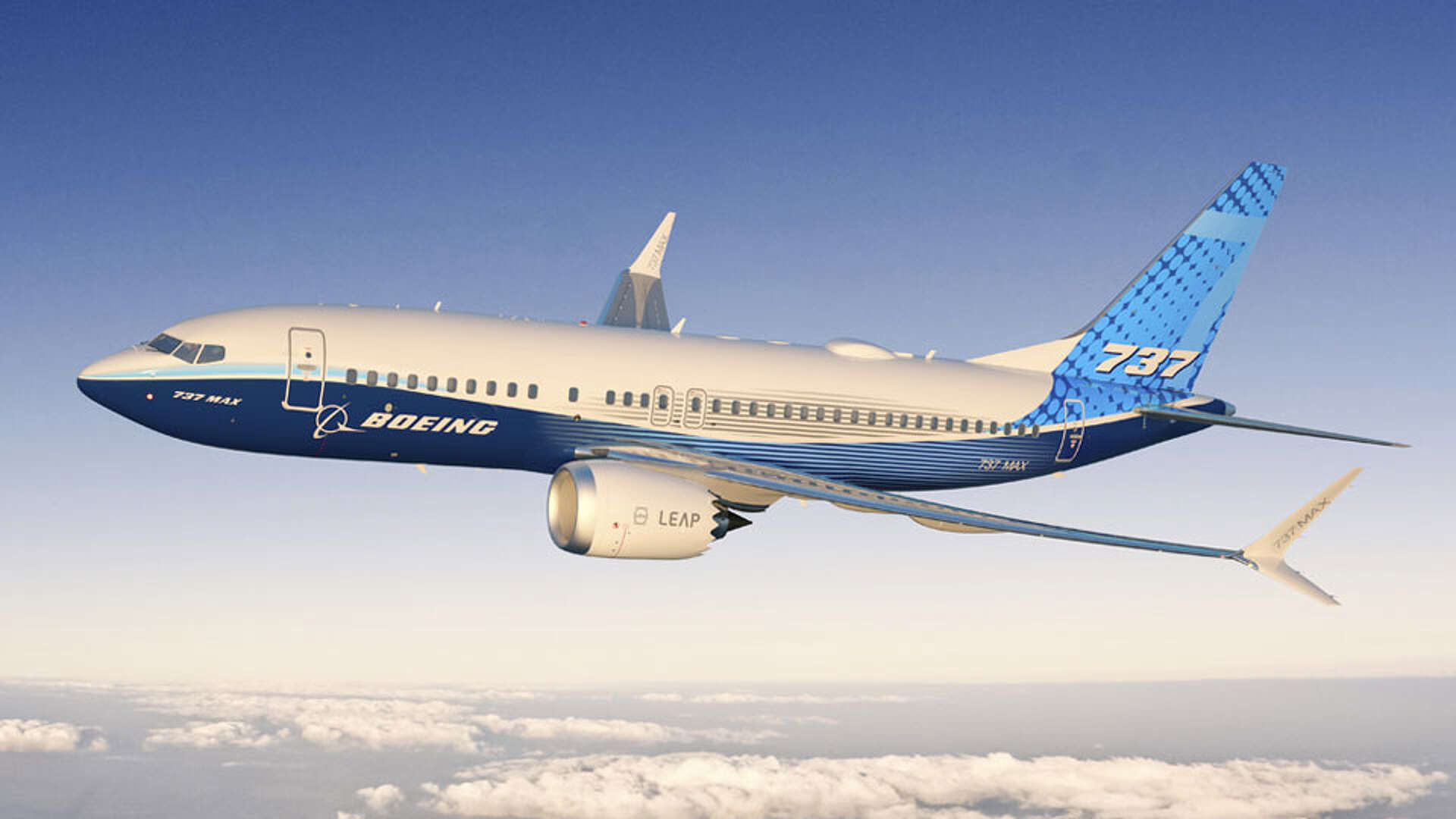
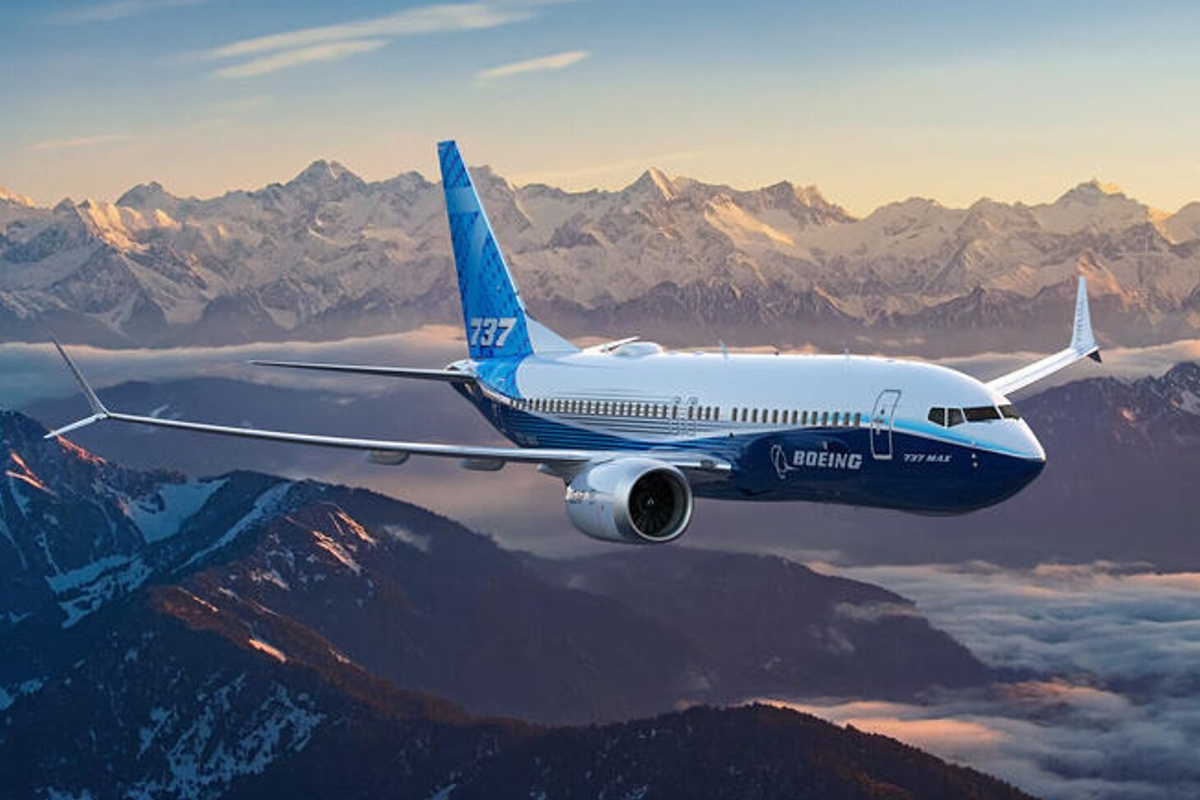
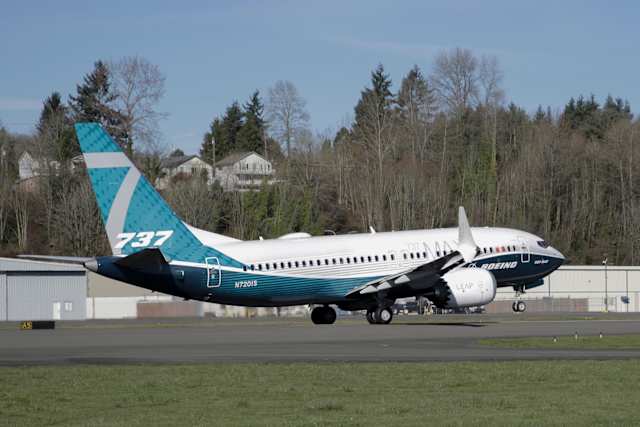
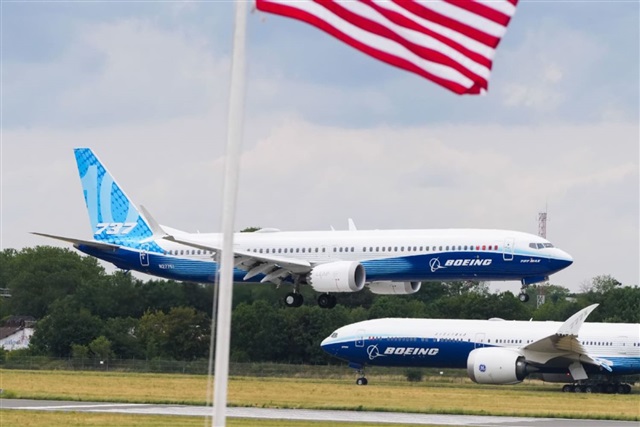
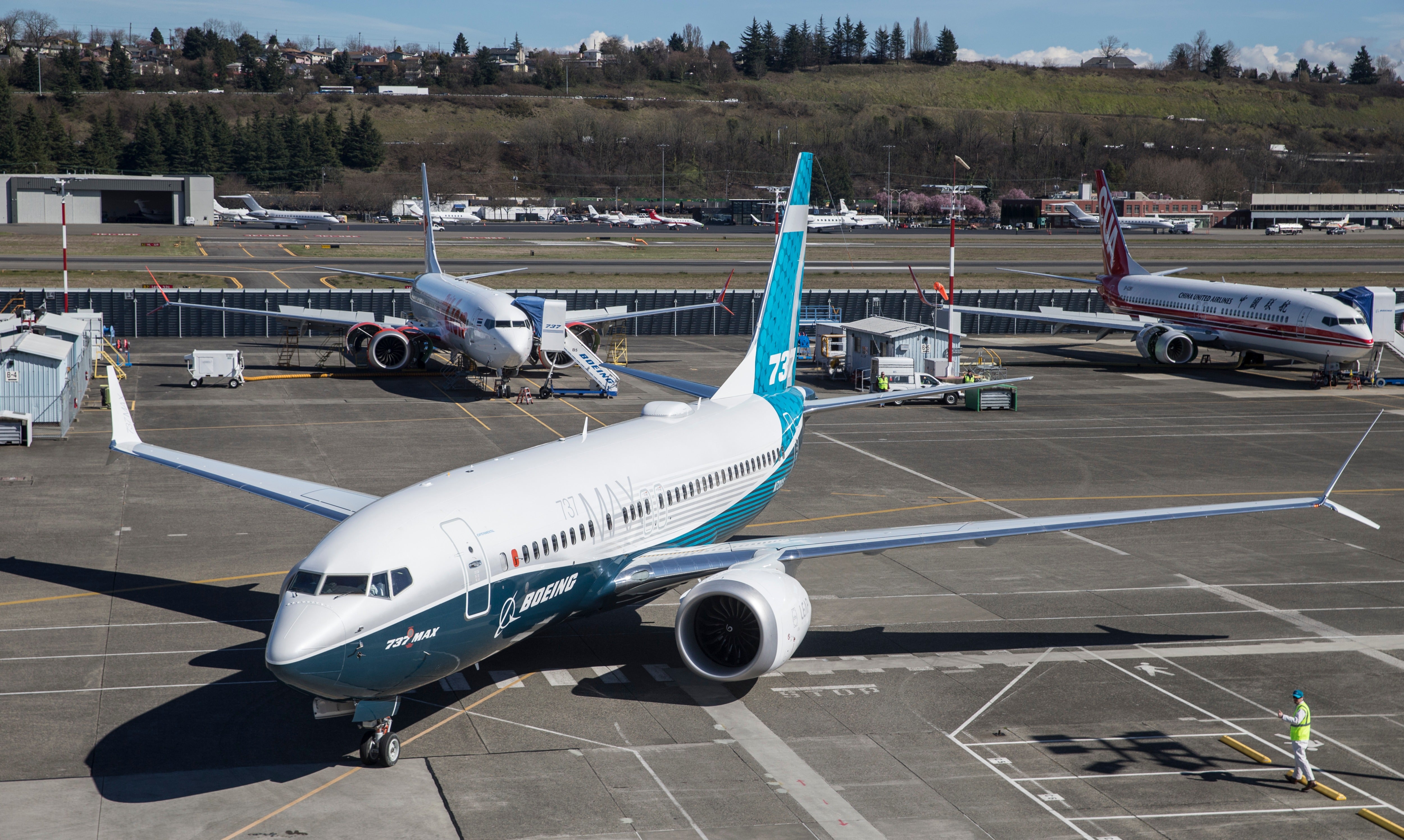
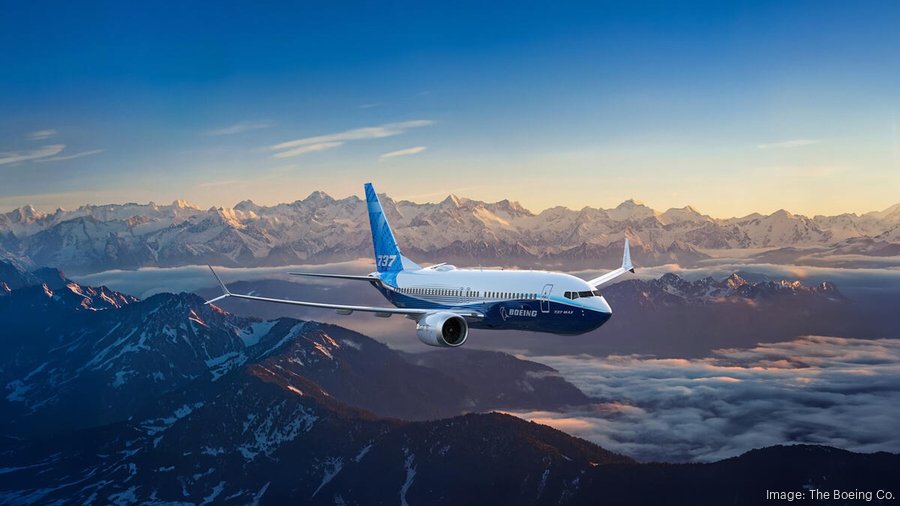
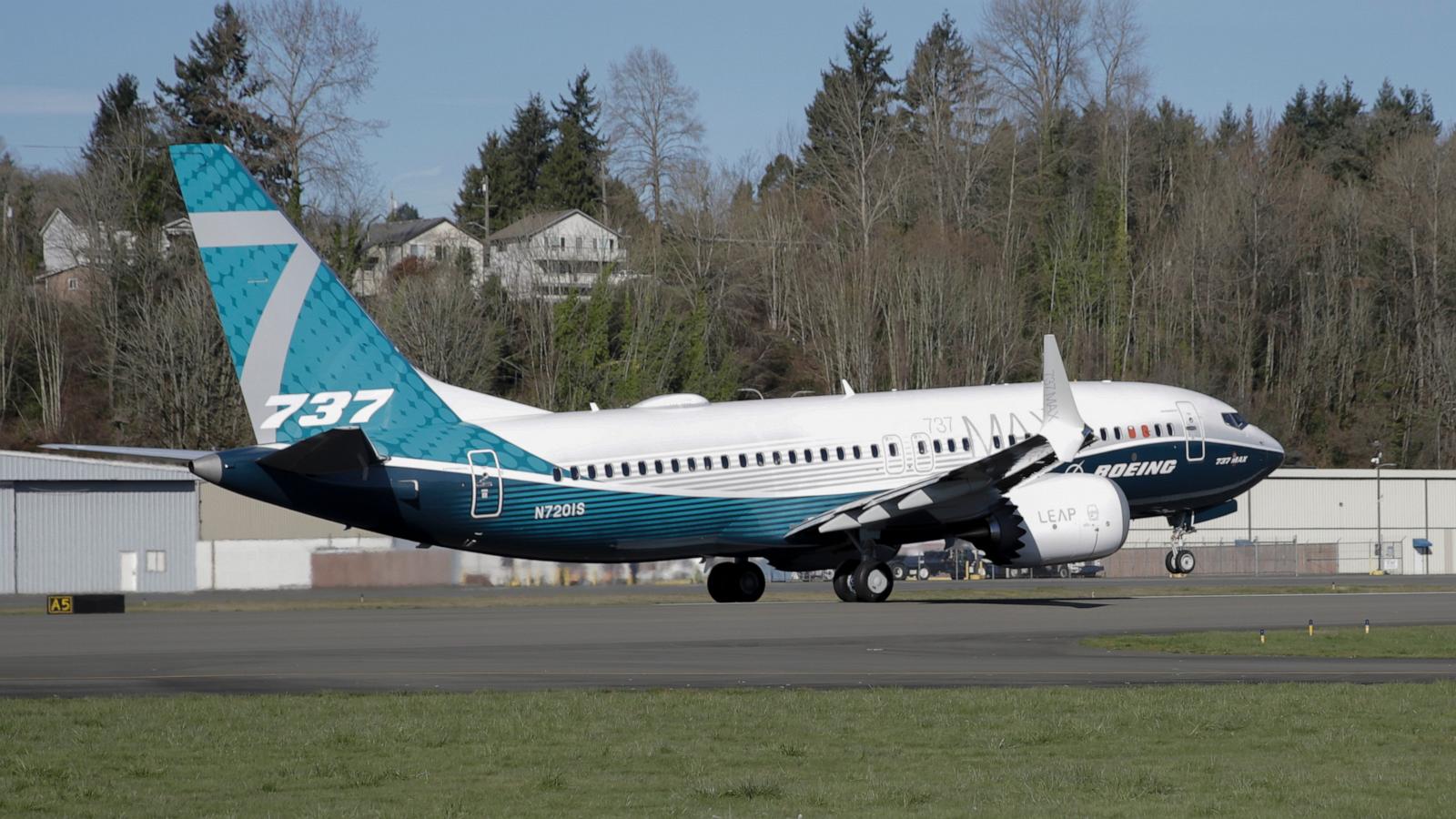
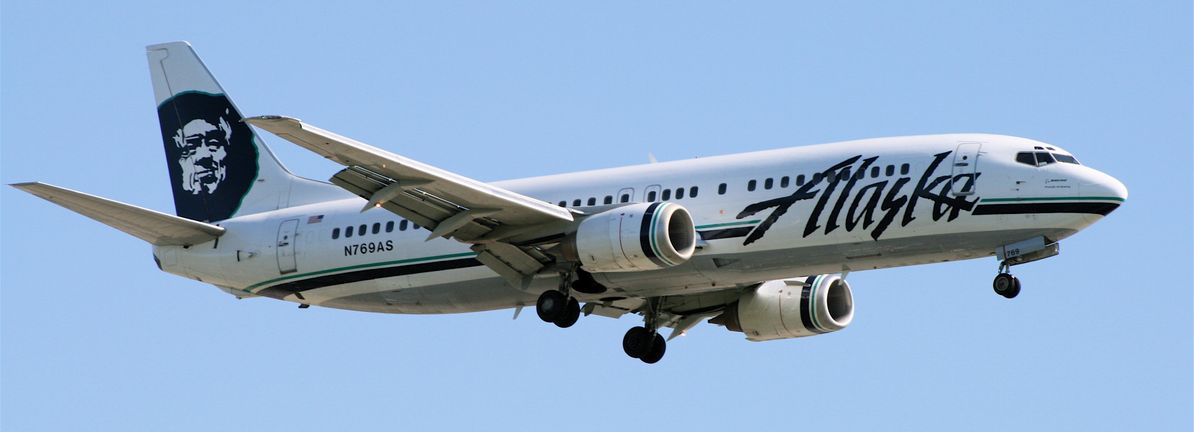
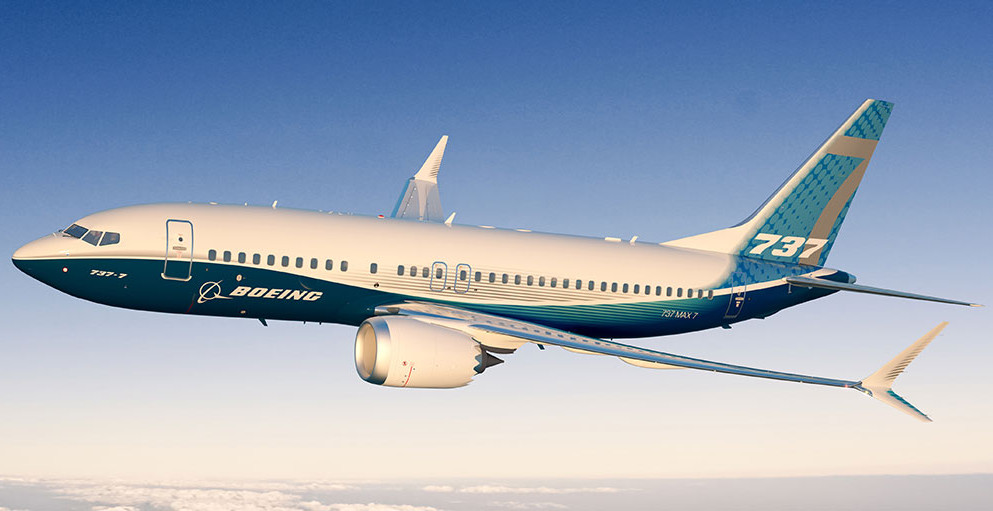
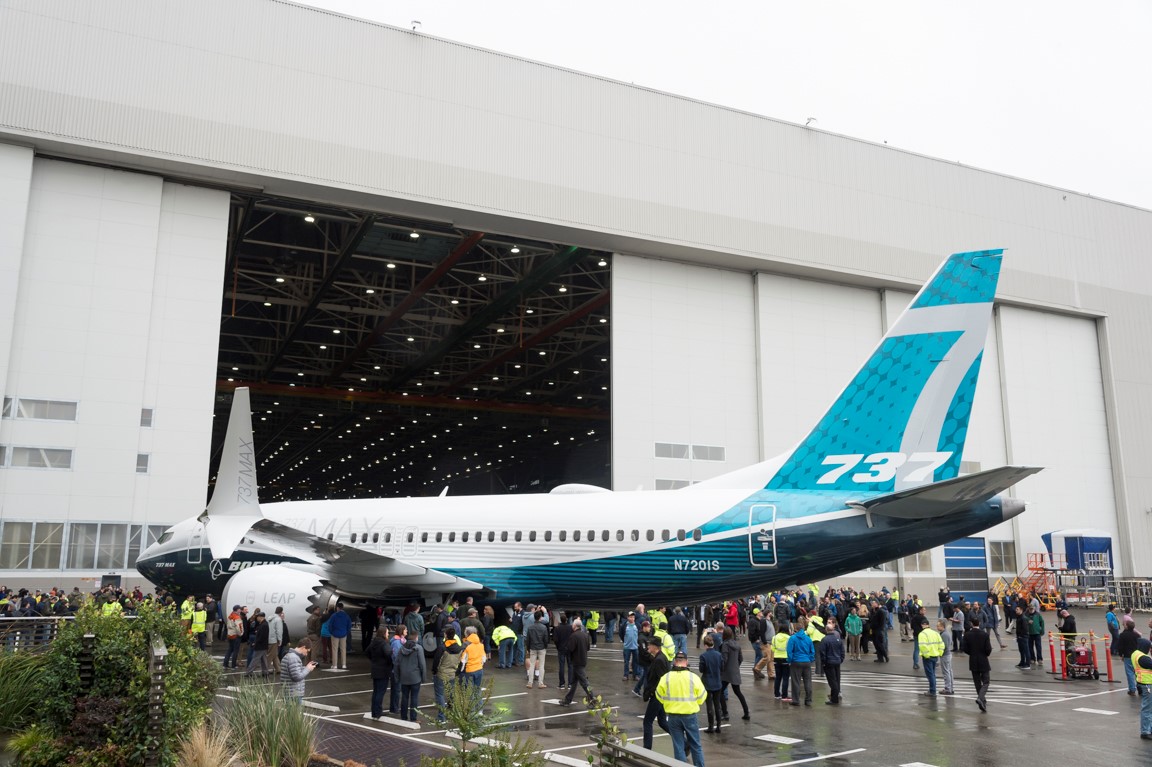
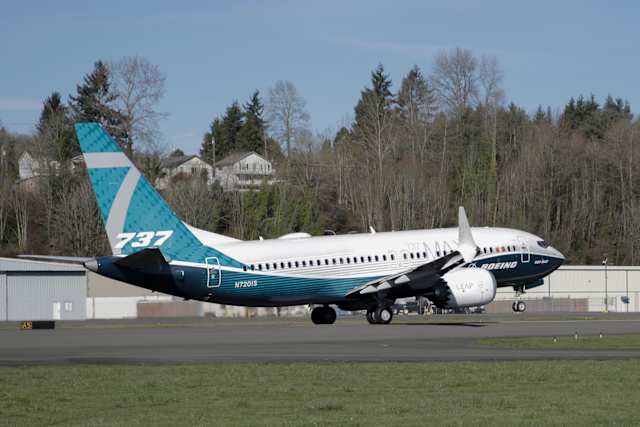
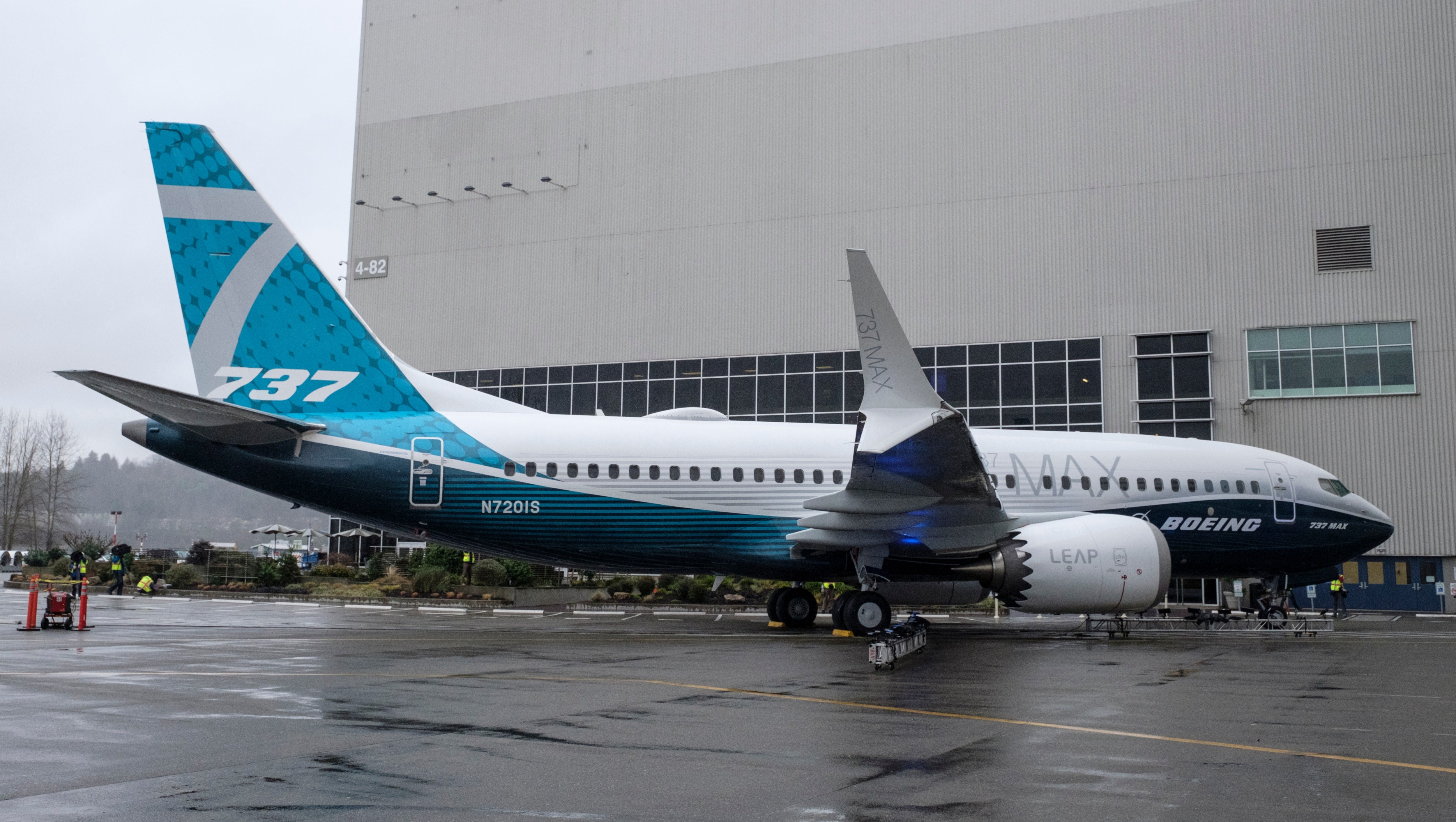
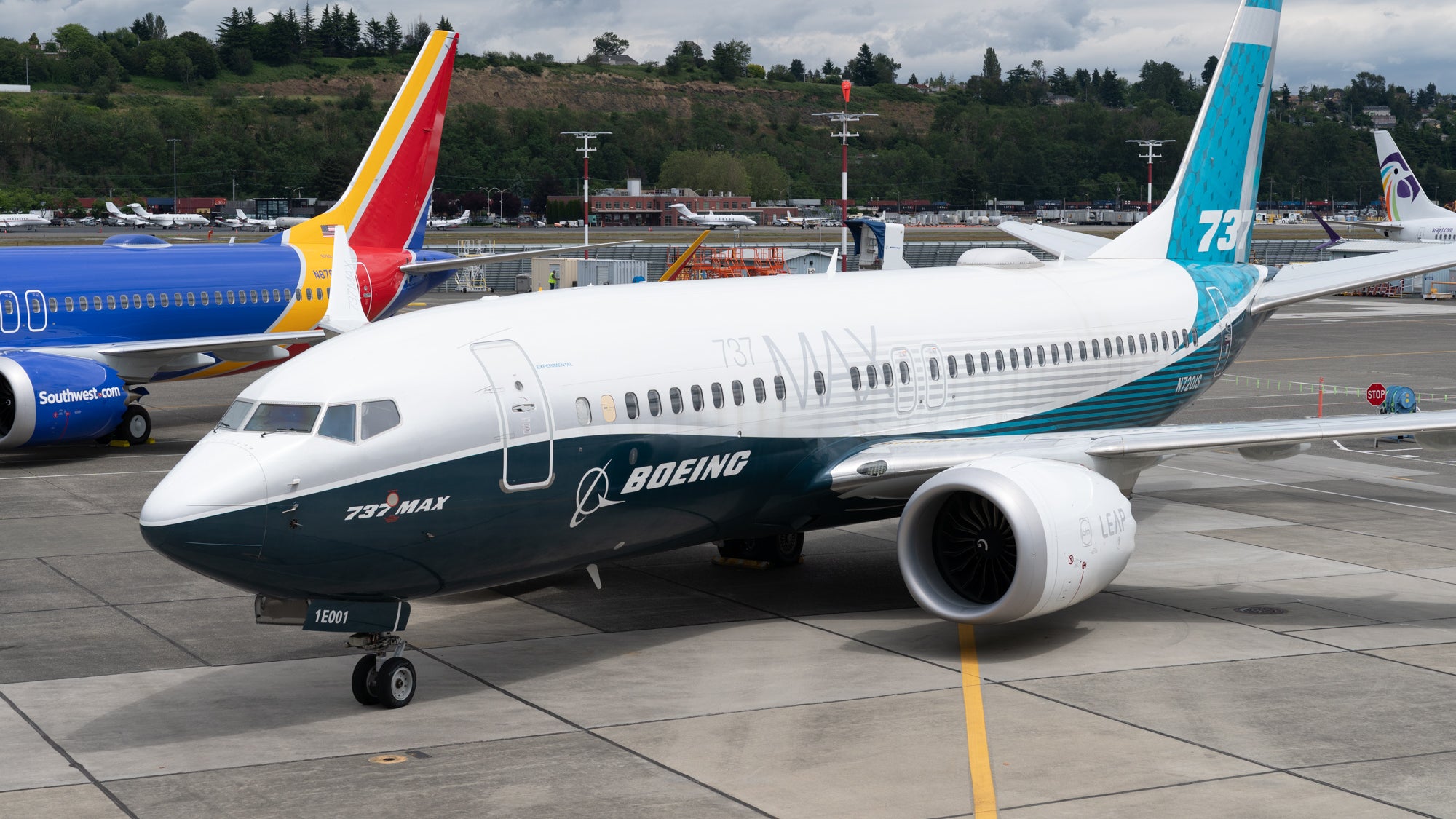
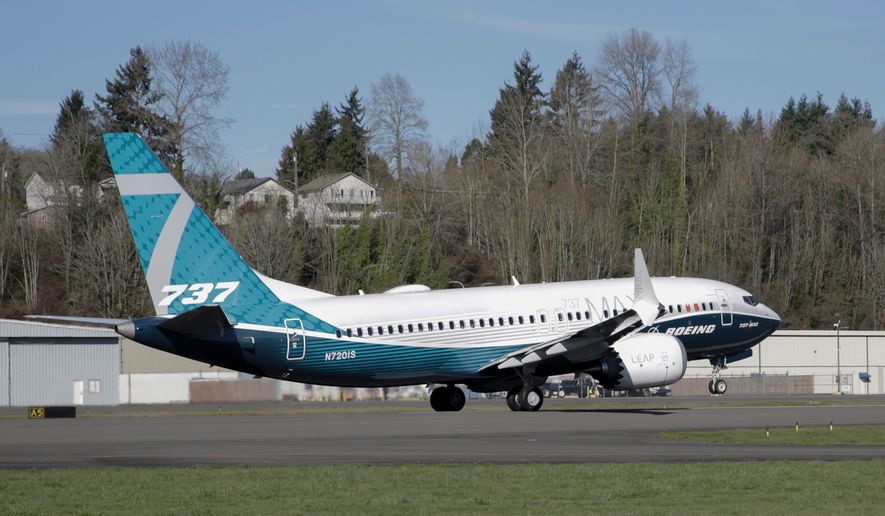
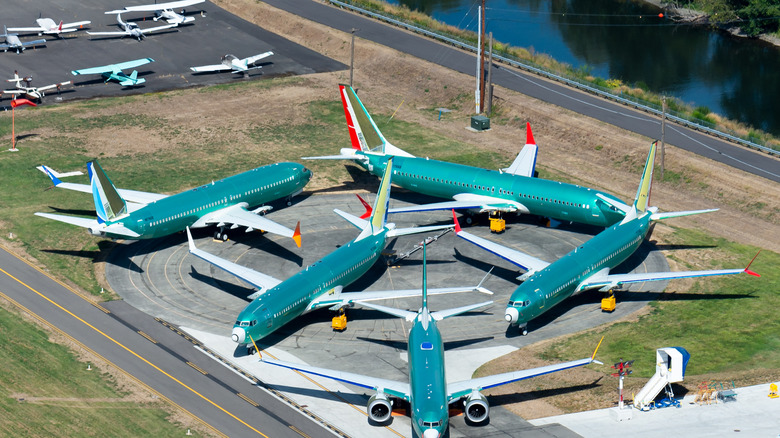
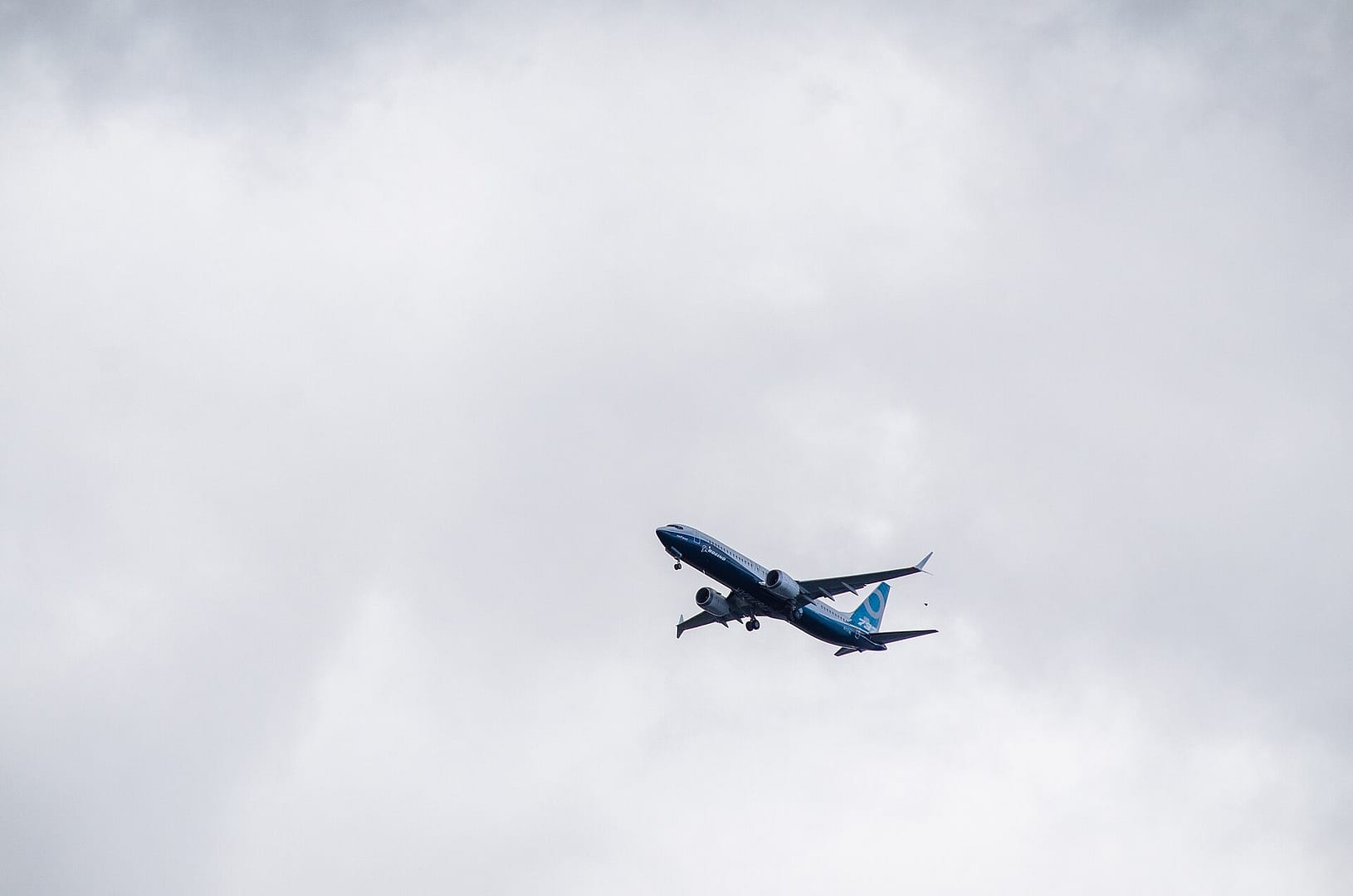
The FAA's August 3, 2024 certification of Boeing's 737 MAX 7 represents a critical inflection point for cross-border e-commerce logistics, directly addressing supply chain constraints that have pressured shipping costs since 2022. After nearly a decade of regulatory review following the 2018-2019 MAX 8 crashes (300+ fatalities) and January 2024 Alaska Airlines incident, Boeing has cleared the smallest MAX variant for commercial operations, with Southwest Airlines preparing first deliveries within months and approximately 30 aircraft already manufactured awaiting deployment.
For e-commerce logistics providers and cross-border sellers, this certification unlocks immediate operational advantages. The MAX 7's 135-160 seat capacity combined with 10% greater range than other MAX variants directly expands cargo transport on regional and international routes—precisely where emerging market sellers face highest shipping friction. Airlines can now optimize freight networks to secondary airports in Southeast Asia, Latin America, and Eastern Europe where larger aircraft (777F, 747F) face capacity constraints or require hub consolidation. Industry analysis suggests this capacity expansion could reduce regional air freight rates by 8-12% within 12-18 months as airlines deploy MAX 7s on underserved routes, particularly benefiting sellers shipping electronics, apparel, and time-sensitive goods to tier-2 markets.
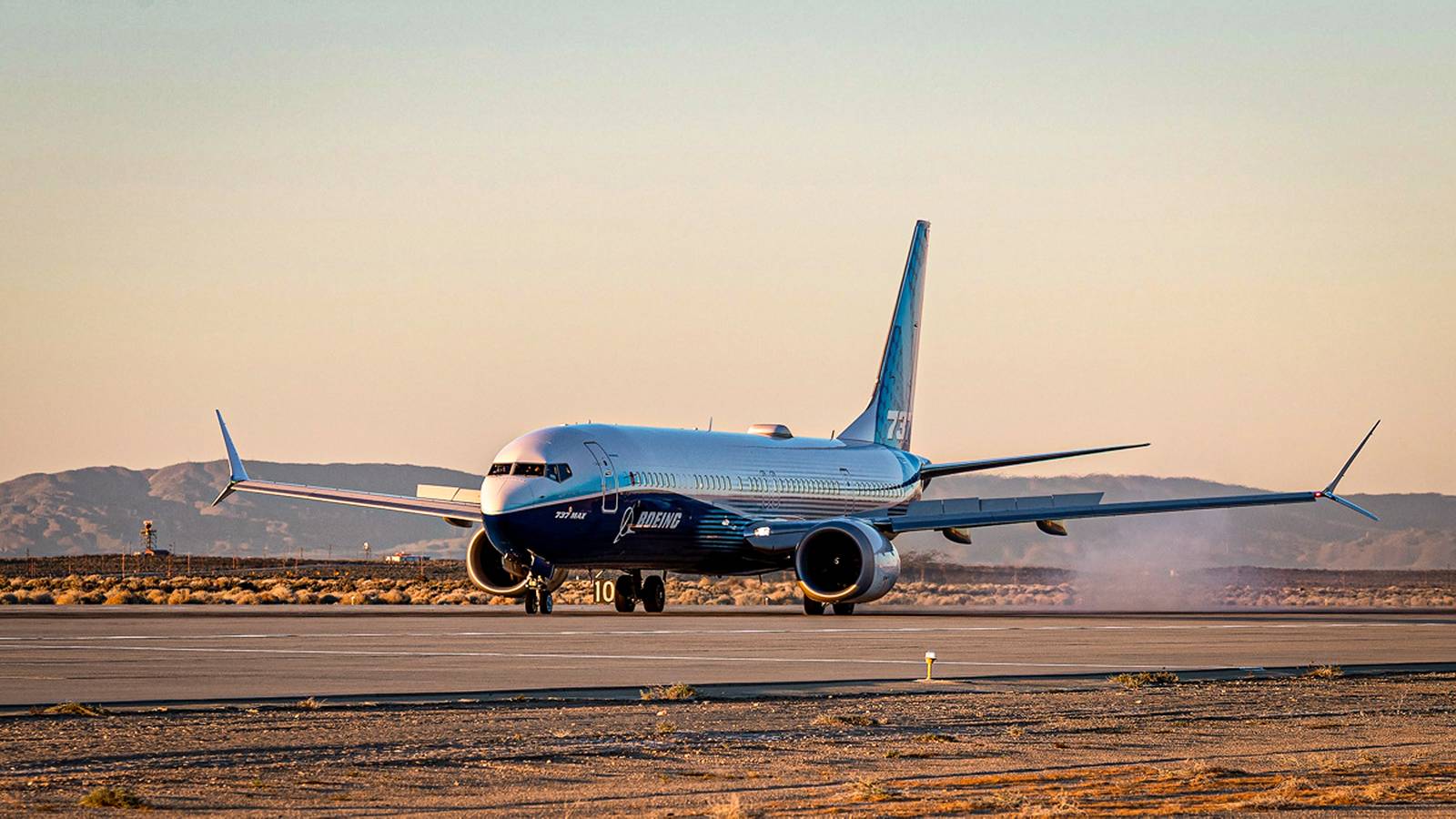
The regulatory pathway signals accelerated compliance recovery for Boeing's entire fleet. In July 2025, the FAA restored Boeing's independent airworthiness certification authority for 737 MAX and 787 Dreamliner aircraft—authority revoked after fatal crashes. This restoration enabled Boeing to increase 737 MAX production from 38 to 47 planes per month, with FAA Deputy Administrator Chris Rocheleau confirming MAX 10 certification would follow shortly. For sellers dependent on air freight, this production acceleration reduces supply chain uncertainty: more aircraft entering service means more cargo capacity, more route options, and more competitive pricing pressure on legacy carriers. The certification process itself—requiring redesigned engine anti-ice systems, flight-control software updates, and comprehensive safety assessments—establishes a compliance moat that protects Boeing's market position while creating barriers for Airbus A220/A320 variants to capture displaced demand.
Strategic implications for cross-border sellers vary by logistics model. Large sellers using dedicated air freight contracts (Amazon, Alibaba logistics arms) will benefit first through negotiated rate reductions as airlines add MAX 7 capacity. Mid-market sellers relying on consolidated freight forwarders will see benefits within 6-12 months as forwarders optimize networks. Small sellers using express services (DHL, FedEx, UPS) may see modest rate pressure (2-4%) as carriers shift some volume to cheaper regional routes. Sellers targeting emerging markets—particularly Southeast Asia (Vietnam, Thailand, Philippines), Latin America (Mexico, Brazil, Colombia), and Eastern Europe (Poland, Czech Republic)—should prioritize air freight for Q4 2024 and Q1 2025 campaigns, as MAX 7 deployment will concentrate on these underserved regions first.
Questions 7
Which seller segments benefit most from MAX 7 capacity expansion?
Large sellers with dedicated air freight contracts (Amazon, Alibaba logistics arms) benefit first through negotiated rate reductions as airlines add MAX 7 capacity. Mid-market sellers using consolidated freight forwarders will see benefits within 6-12 months as forwarders optimize networks around new capacity. Small sellers using express services (DHL, FedEx, UPS) may see modest rate pressure (2-4%) as carriers shift volume to cheaper regional routes. Sellers in time-sensitive categories—electronics, apparel, beauty, perishables—benefit most from transit time reductions. Sellers targeting emerging markets see disproportionate benefits due to MAX 7's regional optimization capability, while sellers focused on US-EU routes see minimal impact as those lanes already have abundant capacity.
How does FAA's restoration of Boeing's airworthiness authority affect e-commerce supply chains?
In July 2025, the FAA restored Boeing's independent airworthiness certification authority for 737 MAX and 787 Dreamliner aircraft, previously revoked after fatal crashes. This restoration enables Boeing to increase production from 38 to 47 planes per month and accelerates MAX 10 certification. For e-commerce sellers, this means more aircraft entering service faster, expanding cargo capacity and creating competitive pricing pressure on legacy carriers. Supply chain uncertainty decreases as airlines can plan fleet expansion with confidence. Sellers dependent on air freight benefit from more route options and negotiating leverage with carriers. The regulatory pathway also signals Boeing's recovery trajectory, reducing long-term supply chain risk for sellers relying on Boeing-powered logistics networks.