



Hormuz De-escalation Cuts Oil 5% | Cross-Border Sellers Face Freight Cost Relief Window
- August 2-3, 2026 geopolitical breakthrough reduces WTI crude to $80.34/barrel, signaling 8-15% shipping cost reductions for international sellers within 30-60 days











































Overview
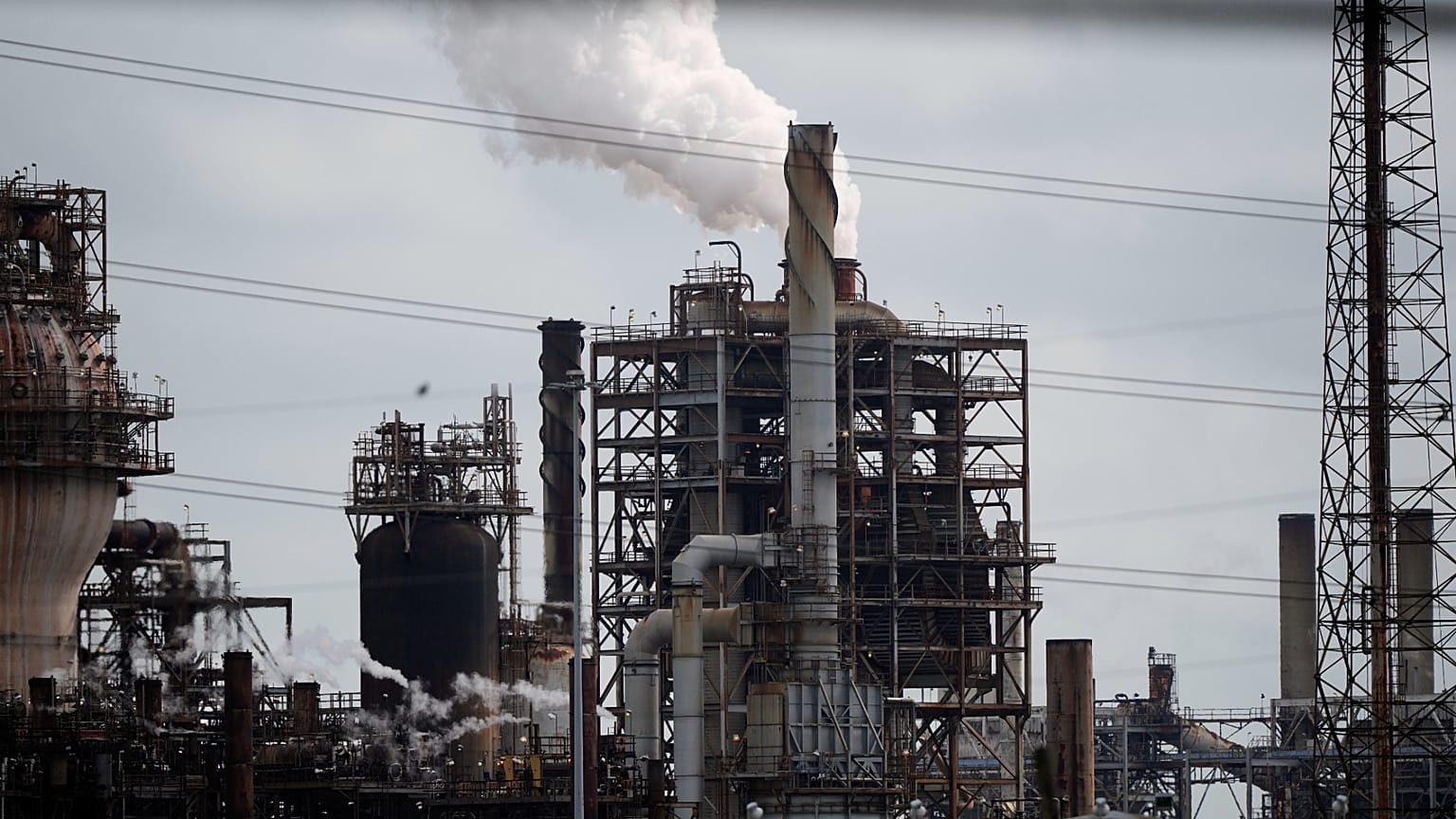
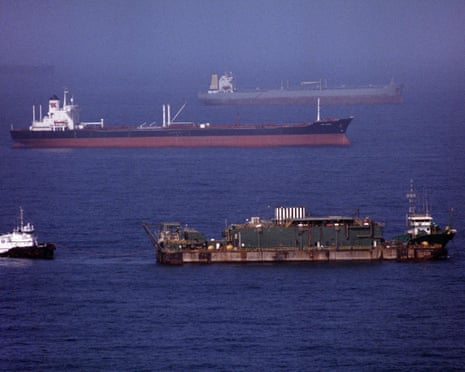
The Strait of Hormuz geopolitical breakthrough on August 2-3, 2026 represents a critical logistics cost inflection point for cross-border e-commerce sellers. President Trump's announcement of de-escalation with Iran triggered a 5% decline in West Texas Intermediate crude (closing at $80.34/barrel) and 4.7% drop in Brent crude ($83.77/barrel), reversing weeks of elevated energy prices driven by tensions that began February 28, 2026. This correction directly impacts the 20% of global oil trade flowing through the Strait of Hormuz—a critical chokepoint for international shipping. For cross-border sellers relying on ocean and air freight, this represents an immediate margin expansion opportunity as logistics providers begin passing through fuel surcharge reductions.
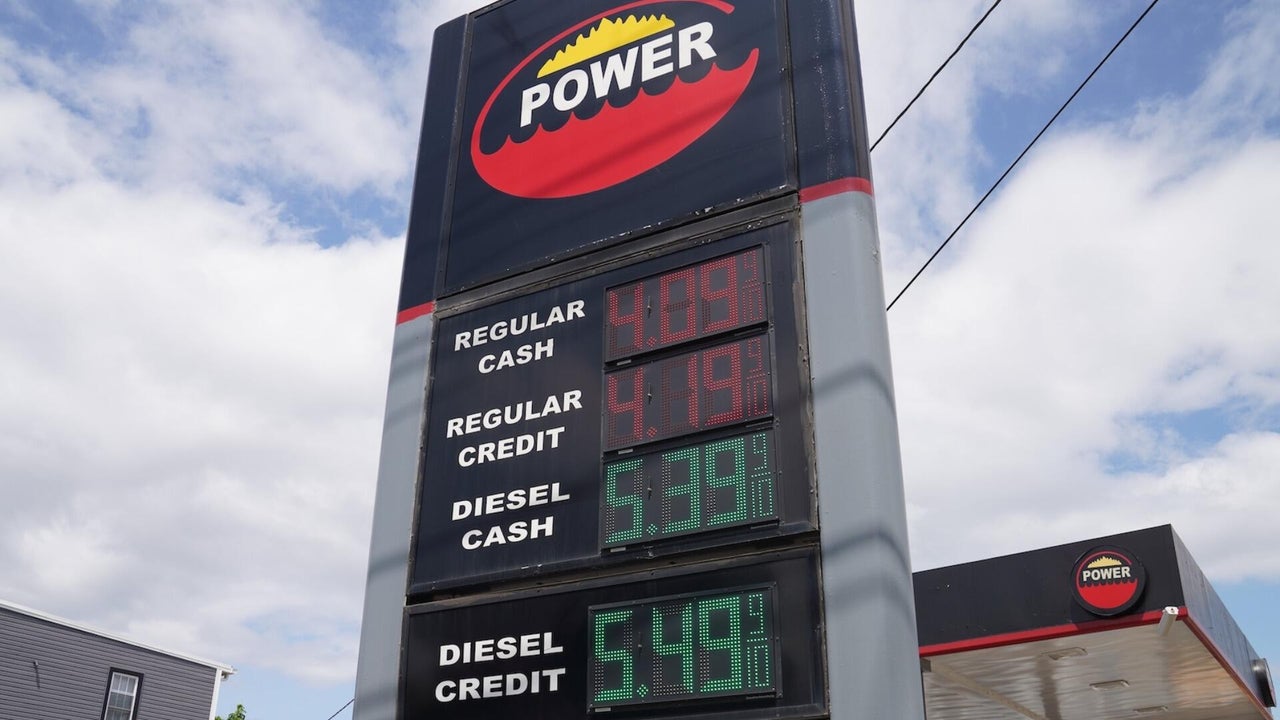
Freight cost implications are substantial and time-sensitive. Sellers shipping high-volume, weight-sensitive categories (electronics, home goods, apparel) via FBA or 3PL networks typically face fuel surcharges of 8-15% on ocean freight and 12-20% on air freight. A sustained $3-5/barrel oil price reduction translates to 2-4% freight cost decreases within 30-60 days as carrier contracts reset. For a seller moving 500 units monthly via ocean freight at $2/unit base cost, this represents $500-1,000 monthly margin recovery. However, the geopolitical situation remains fluid—Iran's Foreign Ministry denied direct Washington talks, suggesting renewed tensions could quickly reverse these gains.
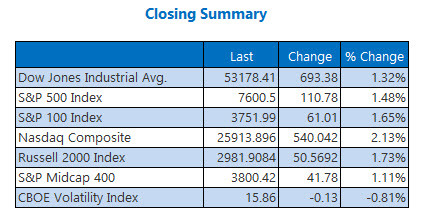
The market timing window is critical for strategic sourcing decisions. Amazon's market capitalization surpassed $3 trillion on August 3rd following strong earnings (29.3% S&P 500 growth rate, 85.2% beating analyst expectations), signaling platform strength and increased buyer demand. Sellers should accelerate inventory replenishment orders now while freight costs remain depressed, locking in lower landed costs before potential price reversals. The Dow's record close (53,178.41, +1.32%) and broad market strength (2.62-to-1 advancing/declining ratio on NYSE) indicate sustained consumer spending momentum through Q3-Q4 2026. Federal Reserve rate hike probability at 64.5% for September suggests inflation pressures may ease, supporting lower shipping costs long-term. However, sellers must monitor Strait of Hormuz developments closely—any renewed tensions could spike oil prices 5-10% within days, immediately compressing margins on in-transit inventory.
Questions 8
How does Amazon's $3 trillion market cap milestone affect seller opportunities?
Amazon's strong earnings (29.3% S&P 500 growth, 85.2% beating expectations) and record stock price (+4.6% on August 3rd) signal robust platform demand and buyer spending momentum through Q3-Q4 2026. This indicates sustained consumer purchasing power and reduced risk of demand collapse. Sellers should view the lower freight cost window as an opportunity to increase inventory depth and expand SKU offerings while margins are favorable. The broad market strength (2.62-to-1 advancing/declining ratio) suggests healthy consumer spending across categories, supporting higher inventory investment.
Should I accelerate inventory orders to capitalize on lower freight costs?
Yes, but with risk management. The 30-60 day window before freight cost reductions fully propagate presents a strategic opportunity to replenish inventory at lower landed costs. However, Iran's Foreign Ministry denial of talks indicates geopolitical uncertainty—renewed tensions could spike oil prices 5-10% within days. Recommend accelerating orders for fast-moving SKUs (BSR <10,000) with proven demand, while delaying slower-moving inventory. Calculate your breakeven point: if freight savings exceed 2-3% of product cost, acceleration is justified even if tensions resurface.