




Creator Backlash Signals Authenticity Crisis | AI Brand Partnerships Face Greenwashing Scrutiny
- OpenAI's $2,000+/night luxury retreat sparks 30-creator controversy; reveals consumer demand for transparent, values-aligned influencer marketing and eco-conscious brand partnerships




Overview
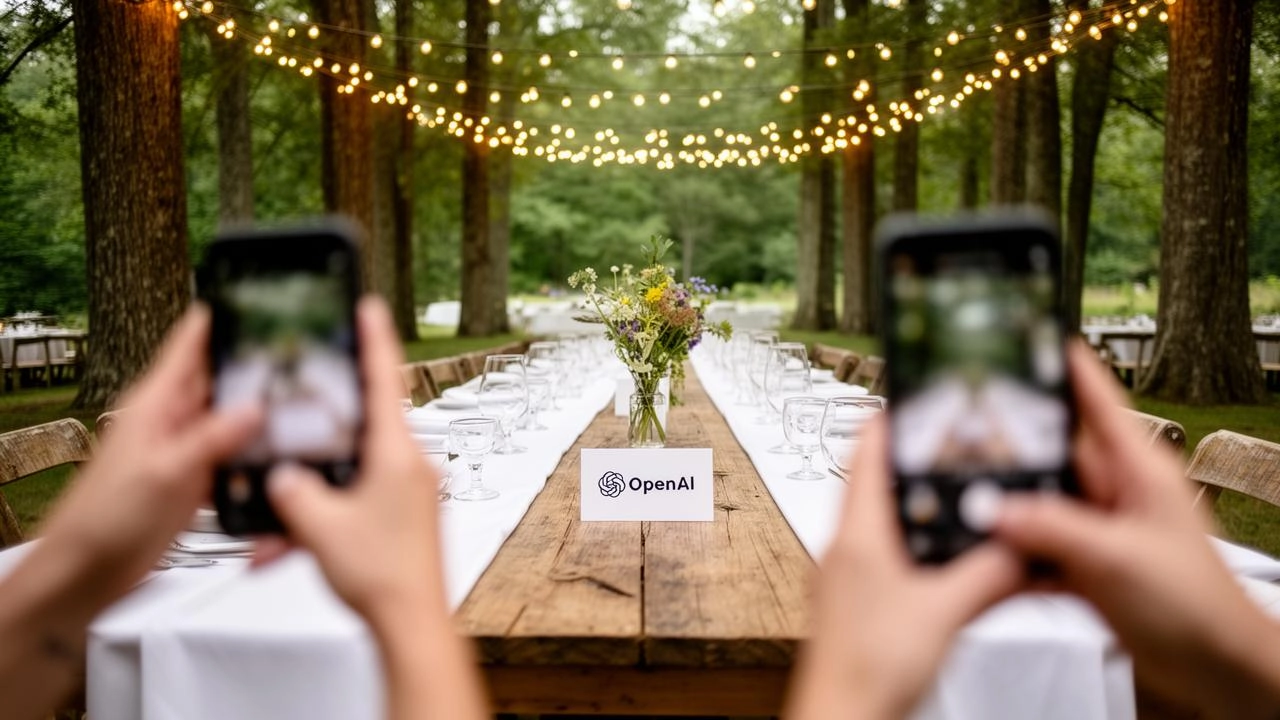
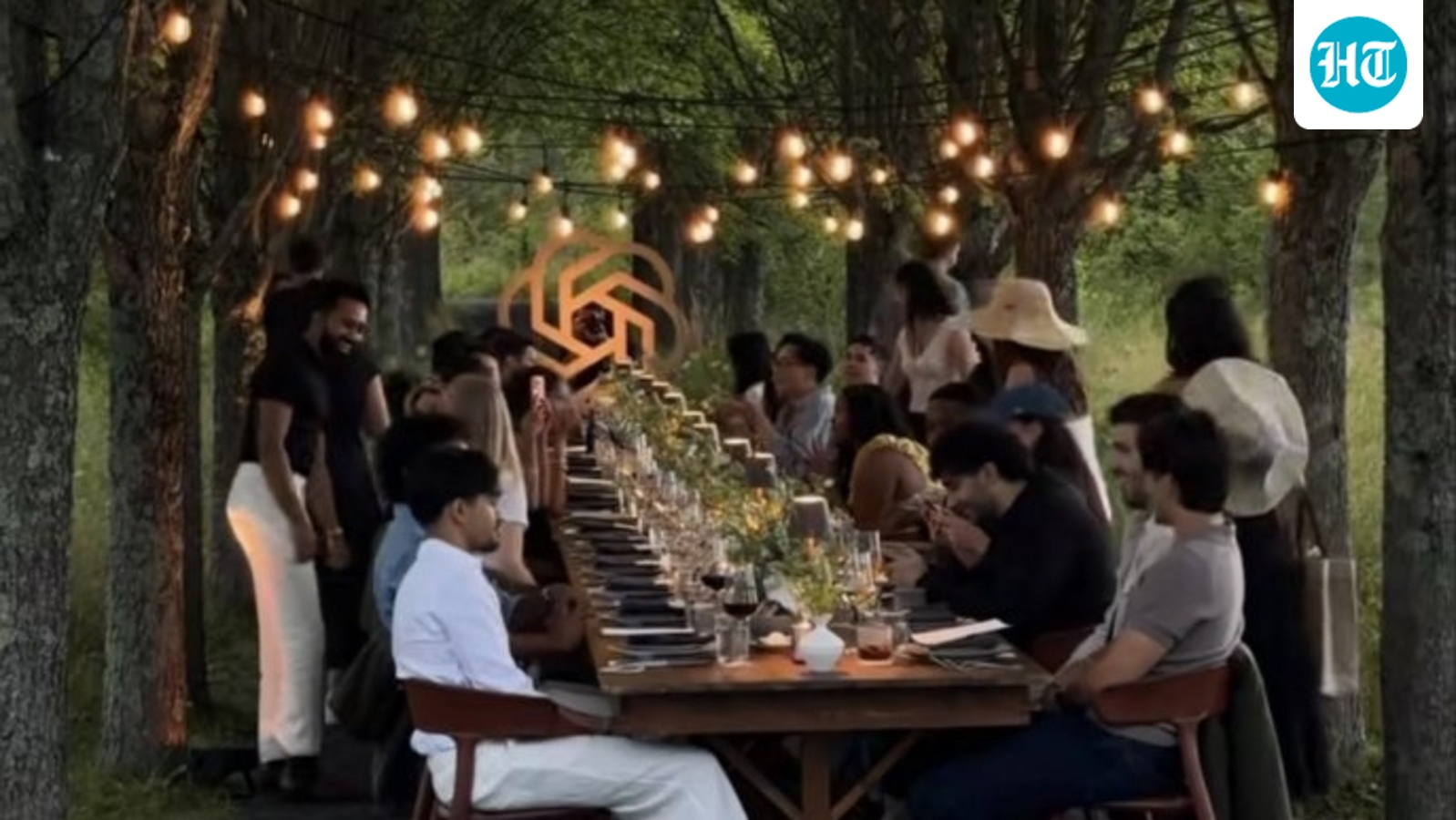
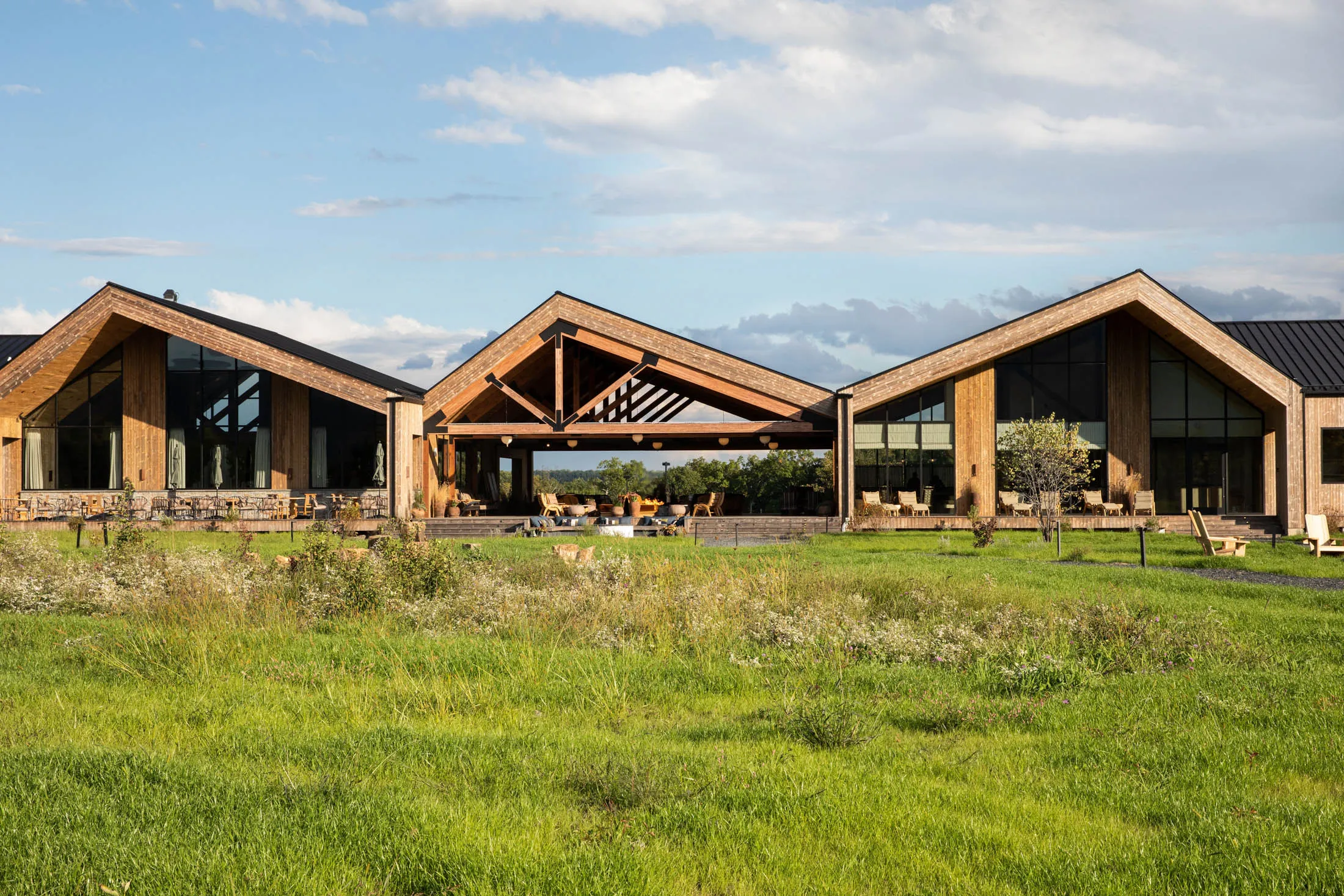
OpenAI's "Summer Club" luxury influencer retreat at Wildflower Farms (140-acre Hudson Valley resort, nightly rates exceeding $2,000) hosted approximately 30 content creators for ChatGPT Work education sessions, farm-to-table dining, beekeeping activities, and branded merchandise (canvas bags, honey jars). The event generated swift, significant backlash across Reddit, X, TikTok, and Instagram—with critics accusing OpenAI of "greenwashing" given the company's $500 million Ohio data center deal and environmental concerns about AI infrastructure's energy/water consumption. At least one influencer deleted trip-related content after receiving negative comments; journalist Taylor Lorenz reported creators faced "cancellation" threats. OpenAI hired Charles Porch (formerly Instagram's VP of Global Partnerships) as VP of Global Creative Partnerships in February, signaling strategic focus on creator engagement.
For sellers and marketers, this controversy reveals three critical market shifts: First, creator authenticity is now a measurable asset—audiences actively penalize influencers perceived as compromising values for luxury perks. Sellers partnering with creators must now vet audience sentiment and creator transparency standards, or risk association with "sellout" narratives. Second, environmental and ethical positioning directly impacts brand perception—the backlash wasn't primarily about luxury spending, but about perceived hypocrisy (AI company promoting sustainability while building energy-intensive infrastructure). Sellers in eco-conscious categories (sustainable fashion, green beauty, ethical home goods) should expect heightened scrutiny of supply chain claims and corporate partnerships. Third, creator compensation transparency is becoming table stakes—OpenAI's refusal to disclose whether attendees received compensation, travel coverage, or posting expectations fueled criticism. Sellers should establish clear, disclosed partnership terms to avoid similar backlash.
Platform-specific implications: TikTok, Instagram, and Reddit are now active enforcement channels for creator accountability. Sellers using influencer marketing on these platforms should expect audience comments questioning partnership authenticity, compensation, and brand alignment. The incident parallels Shein's 2023 creator trip to China and Tarte's lavish creator events—both facing whitewashing accusations—indicating a pattern where luxury brand trips now carry reputational risk unless paired with transparent messaging about creator independence and critical engagement. For sellers, this means: (1) prioritize micro-influencers (10K-100K followers) with niche, engaged audiences over macro-influencers with passive followings; (2) disclose partnership terms publicly; (3) partner with creators whose values genuinely align with product categories rather than pursuing broad reach; (4) expect and prepare for audience scrutiny in comments sections.
Questions 8
Why did OpenAI's influencer retreat generate stronger backlash than Anthropic's Claude dinner or Microsoft's Super Bowl trip?
OpenAI's event faced uniquely intense criticism due to perceived hypocrisy: the company is building a $500 million data center in Ohio while hosting an influencer retreat at a nature-focused, pastoral resort. Critics accused OpenAI of 'greenwashing'—promoting environmental consciousness through luxury farm-to-table dining and beekeeping activities while simultaneously investing in energy and water-intensive AI infrastructure. The timing coincided with heightened public discourse about AI data centers' environmental footprint. Additionally, OpenAI's refusal to disclose whether attendees received compensation, travel coverage, or posting expectations fueled suspicion about undisclosed partnerships. Anthropic and Microsoft's events generated less backlash partly because they lacked this perceived contradiction between corporate environmental impact and event messaging.
What does this controversy reveal about creator audience expectations for transparency?
The backlash demonstrates that modern audiences now actively penalize creators for perceived value compromises, even when luxury perks are offered. At least one influencer deleted trip-related content after receiving negative comments; journalist Taylor Lorenz reported creators faced 'cancellation' threats. Creator Grace McCarrick felt compelled to post response videos defending her participation, stating 'My morals were not compromised.' This indicates audiences expect creators to: (1) disclose partnership terms and compensation publicly, (2) maintain critical distance from brand messaging, and (3) address ethical concerns raised by audiences. For sellers using influencer marketing, this means transparency about creator compensation and partnership terms is now essential to avoid audience backlash and protect brand reputation.