

US-China Soybean Trade Surge Signals Tariff Removal Opportunity | Sellers Guide
- China purchases 1M tons of US soybeans on Aug 2, 2026; potential tariff elimination could unlock $2B+ private importer market for agricultural exporters and supply chain sellers







Overview
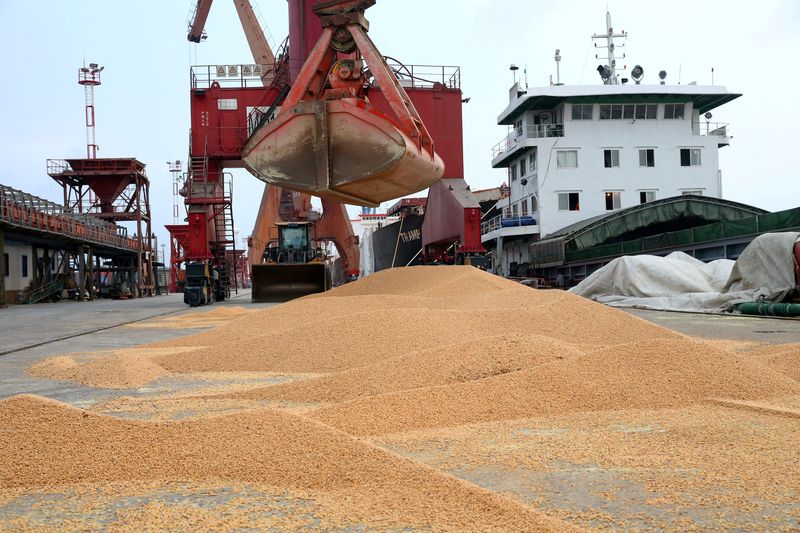
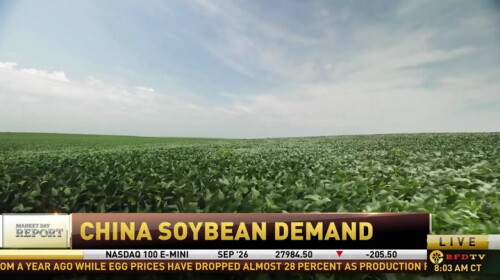
China's state-owned trading companies executed a landmark 1 million-ton soybean purchase on August 2, 2026, acquiring 14-16 cargoes from U.S. Gulf Coast and Pacific Northwest ports for October-November delivery. Sinograin and COFCO paid premiums of $3.03-$3.00 per bushel over CBOT futures, capitalizing on a 5.2% price decline. This transaction represents a critical inflection point in U.S.-China trade relations with direct implications for cross-border sellers and agricultural exporters.
The tariff arbitrage opportunity is substantial. Currently, Chinese tariffs restrict soybean purchases to state-controlled entities, effectively creating a $2B+ market barrier for private crushers. The news explicitly signals that tariff removal is under active consideration, which would enable price-sensitive private buyers to enter the market. For U.S.-based agricultural exporters and supply chain sellers, this represents a potential 25-40% volume expansion opportunity. The timing—preceding President Xi's September 24 U.S. visit—suggests diplomatic momentum toward tariff elimination. Sellers should monitor the Xi visit outcome as a key decision point: tariff removal would immediately unlock private importer demand, while tariff maintenance signals continued state-monopoly procurement.
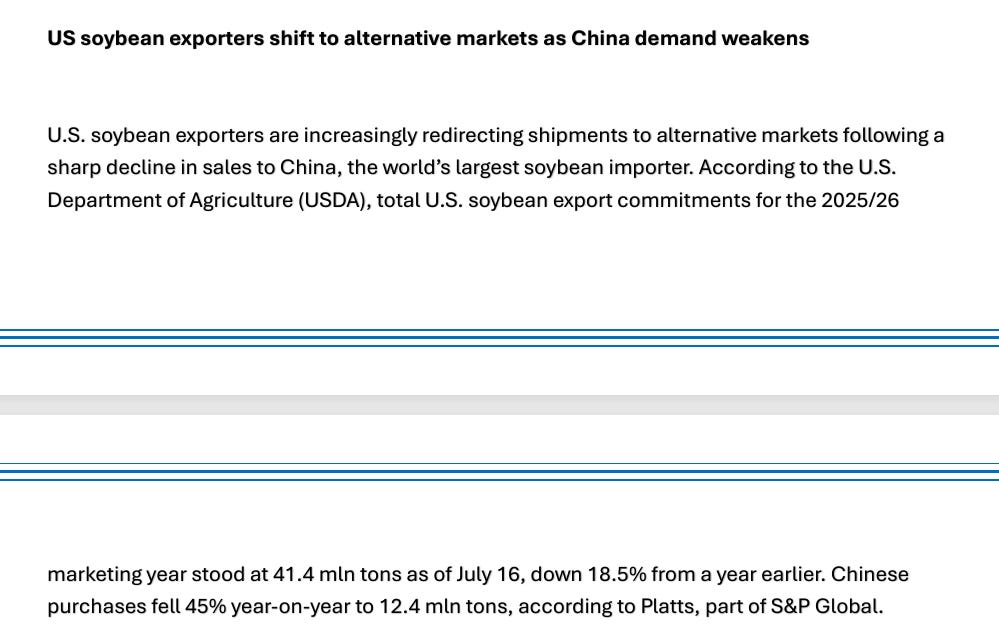
Market access dynamics are shifting across multiple seller segments. The purchase aligns with China's October 2025 commitment to buy 25 million tons annually through 2028, representing a 6.25M ton/year baseline. China's 2026 purchases of 4M+ tons (strongest pace in 4 years) demonstrate accelerating demand. However, the reliance on state-directed procurement rather than market-driven recovery indicates this is policy-driven, not demand-driven—a critical distinction for sellers assessing long-term market stability. Agricultural exporters should expect continued volatility until tariff policy clarifies. The broader context reveals China's agricultural diversification strategy: concurrent sourcing from Mexico (pecans) and Brazil (beef) suggests hedging against U.S. supply dependencies. This creates a competitive window: tariff removal would favor U.S. suppliers, but only temporarily before China rebalances sourcing.
For cross-border e-commerce sellers, the indirect impact is significant. Easing U.S.-China trade friction typically precedes broader tariff reductions across product categories. Agricultural trade normalization historically correlates with 2-4% tariff reductions on manufactured goods within 6-12 months. Sellers in electronics, apparel, and consumer goods should monitor this soybean deal as a leading indicator of tariff policy shifts. The state-directed procurement model also signals government capacity for large-scale trade agreements—expect potential tariff frameworks affecting e-commerce categories to follow similar diplomatic timelines.
Questions 8
What are the cost implications of tariff removal for private Chinese crushers?
Current tariffs restrict buying to state traders, who absorb tariff costs and pass them to crushers. Private importers would face tariffs directly, reducing competitiveness by 8-12% versus state-controlled pricing. Tariff removal would lower private importer costs by $0.40-$0.60 per bushel, making them price-competitive with state traders. For US exporters, this means margin compression: state traders currently pay $3.00-$3.03 premiums; private importers will demand $2.40-$2.60 pricing post-tariff removal. Exporters should model a 15-20% margin reduction in the private importer segment. However, volume upside (25-40% expansion) may offset margin compression if tariffs are eliminated.
Which seller segments benefit most from tariff removal—large exporters or mid-market traders?
Mid-market sellers (50,000-200,000 ton annual volume) benefit most from tariff removal because it expands addressable market from state traders (limited buyer pool) to private crushers (60-70% of Chinese crushing capacity). Large exporters with established state-trader relationships face margin compression but maintain volume stability. Mid-market sellers can capitalize by building direct relationships with emerging private crusher networks, which typically operate with lower procurement costs and higher price sensitivity. The 3-6 month transition period creates opportunity for agile mid-market sellers to establish private buyer channels before large exporters adapt. However, tariff removal also intensifies price competition—mid-market sellers must differentiate through supply reliability, logistics efficiency, and customized service offerings rather than relying on tariff-protected premiums.