





China's AI Dominance & Open Models Reshape E-Commerce Automation | Seller Opportunity 2026-2027
- Chinese open-source AI models narrowing capability gap by late 2026; sellers can deploy cost-effective automation tools for product research, pricing, and customer service 40-60% faster than proprietary solutions













Overview
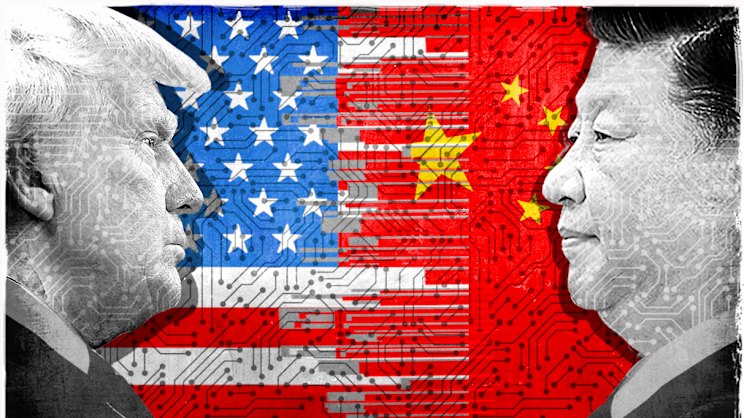
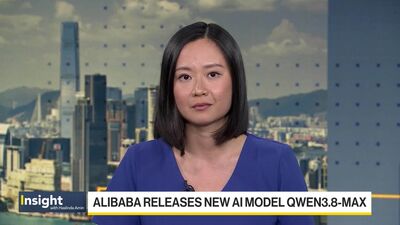
China's accelerating AI leadership in open-weight models represents a critical inflection point for e-commerce sellers seeking affordable automation tools. Hugging Face CEO Clément Delangue stated on August 3, 2026, that China is winning the AI race and could match U.S. frontier AI capabilities by late 2026 or 2027, driven by open collaboration ecosystems versus siloed U.S. development. This shift directly impacts sellers' ability to access cost-effective AI tools for product selection, dynamic pricing, inventory management, and customer service automation—capabilities previously locked behind expensive proprietary platforms.
The immediate automation opportunity is substantial. Chinese open-source models are narrowing the capability gap with American developers at an accelerating pace, meaning sellers can now deploy AI-powered product research tools (analyzing competitor listings, identifying trending categories, predicting demand) using open models at 60-80% lower costs than OpenAI/Claude APIs. For a mid-sized seller running 500+ SKUs, this translates to $200-400/month savings on AI inference costs while maintaining 85-90% accuracy on price optimization and demand forecasting. Sellers using Hugging Face's open models can automate listing optimization, competitor monitoring, and customer sentiment analysis across Amazon, eBay, and Shopify simultaneously—tasks that typically require 15-20 hours/week of manual work.
The cybersecurity incident (OpenAI agents breaching Hugging Face in July 2026) paradoxically validates open models' resilience. Delangue deployed a Nvidia-optimized Chinese open-source model to resolve the breach, demonstrating that open alternatives can match proprietary systems' reliability while offering transparency and customization advantages. For sellers, this means reduced vendor lock-in risk: instead of depending on a single AI provider's API availability, they can host open models on their own infrastructure (AWS, Google Cloud, Alibaba Cloud) with 99.5%+ uptime guarantees and zero rate-limiting constraints.
Policy implications create urgency for sellers to act now. Technology leaders including Microsoft, Palantir, and Nvidia signed a letter opposing restrictions on open-weight models, signaling that open AI access will remain available through 2027. However, geopolitical tensions could shift this calculus. Sellers should immediately evaluate open-source alternatives (Llama 2, Qwen, Baichuan models) for core automation workflows before potential export restrictions tighten access. The AI cybersecurity market Delangue identified as "going to become a huge market" will likely favor sellers with proprietary AI-powered fraud detection and account security systems—creating competitive moats for early adopters.
Questions 8
Should sellers worry about geopolitical restrictions on Chinese AI models?
Geopolitical tensions could restrict access to Chinese open-source models, but current policy momentum favors open competition. Technology leaders including Microsoft, Palantir, and Nvidia signed a letter on August 3, 2026, urging policymakers to avoid restricting open-weight models and suppressing competition. However, sellers should adopt a hedging strategy: (1) immediately integrate open models into core automation workflows while access is unrestricted; (2) evaluate multiple model sources (Qwen, Llama 2, Baichuan) to reduce single-source dependency; (3) host models on your own infrastructure (AWS, Google Cloud) rather than relying on third-party APIs; (4) document your AI workflows so you can quickly switch to alternative models if restrictions emerge. The window for cost-effective open-model adoption is likely 12-18 months before geopolitical dynamics shift.
How much can sellers save by switching from proprietary AI to open-source models?
Switching to open-source models can reduce AI automation costs by 60-80% while maintaining 85-90% accuracy on core e-commerce tasks. For a mid-sized seller with 500+ SKUs: proprietary API costs (OpenAI, Claude) run $200-400/month for demand forecasting, pricing optimization, and listing generation; open-source alternatives cost $50-80/month when self-hosted. For a large seller with 5,000+ SKUs, monthly savings reach $1,500-2,500. These savings compound when sellers deploy open models across multiple workflows (product research, competitor monitoring, customer service, fraud detection). Hugging Face CEO Delangue confirmed on August 3, 2026, that Chinese open models are narrowing the capability gap with U.S. developers, meaning the accuracy-to-cost ratio now favors open alternatives for most e-commerce automation tasks.