


Amazon, Google Face $125B Cash Burn by 2027 | Critical Fee & Service Implications for E-Commerce Sellers
- Five major tech platforms burning combined $125B annually on AI infrastructure; sellers face imminent fee increases, service delays, and rising fulfillment costs as platforms seek profitability recovery






/AI%20(artificial%20intelligence)/AI%20technology%20-%20by%20Wanan%20Yossingkum%20via%20iStock.jpg)

:strip_icc()/i.s3.glbimg.com/v1/AUTH_37554604729d4b2f9f3eb9ad8a691345/internal_photos/bs/2024/j/t/YzAUM5Qou8VZTAeLM2ng/a63548f5323f4496baa79820e3bcc837-1-41358ae39bdf4249ad37b45d2820d5e6.jpg)








Overview
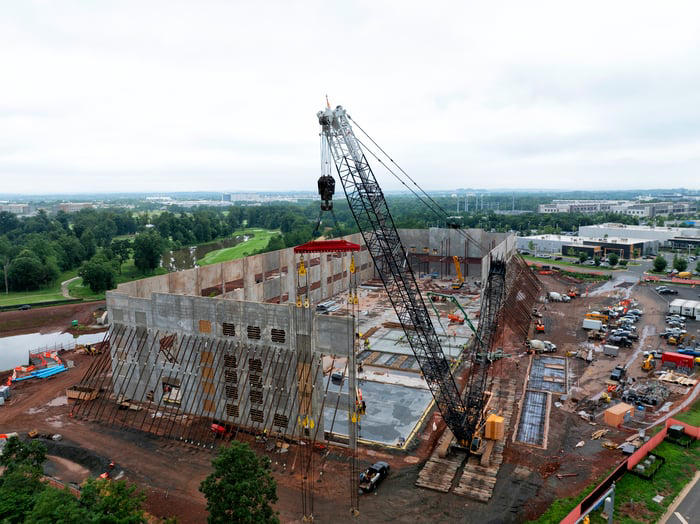
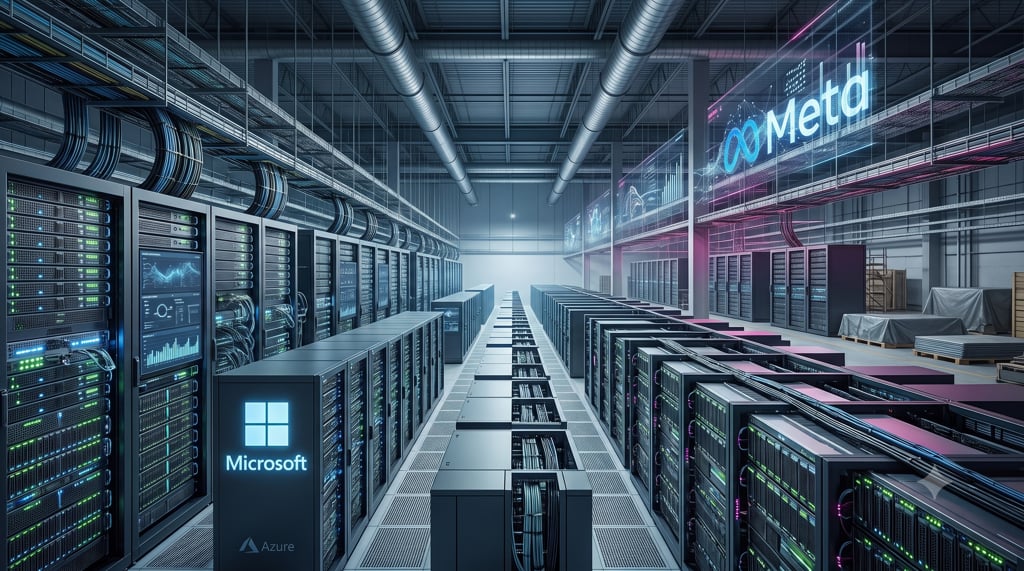
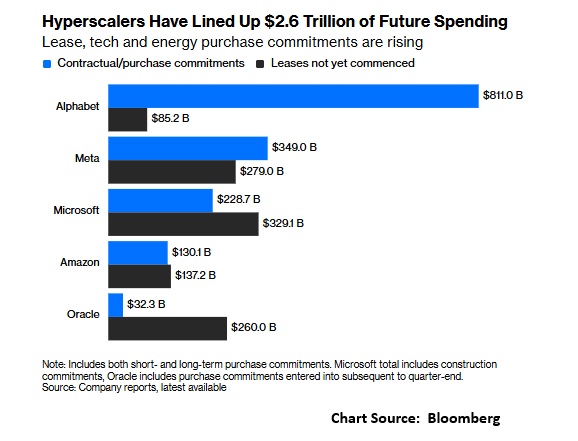
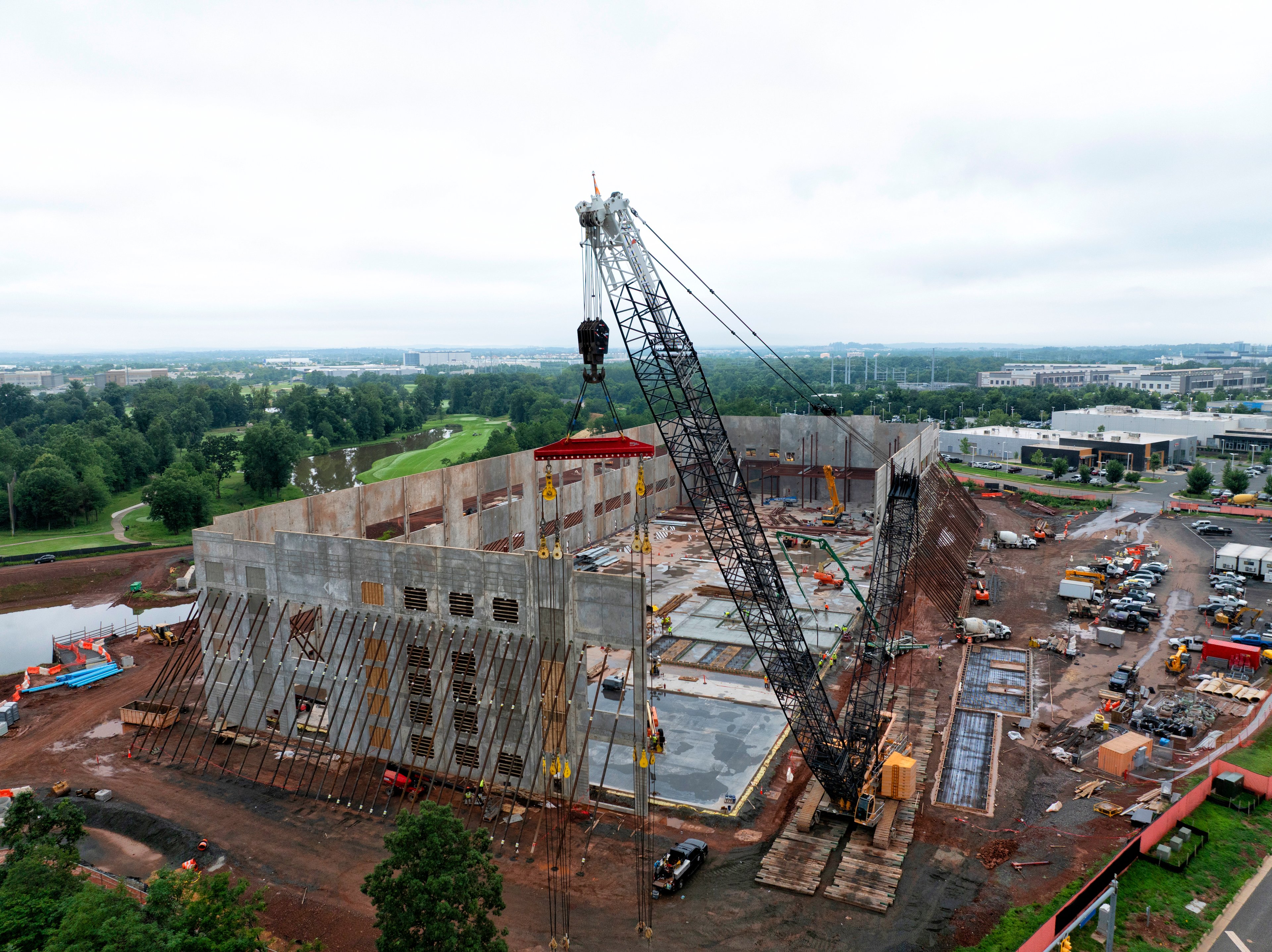
The AI infrastructure race is fundamentally reshaping platform economics for e-commerce sellers. According to a Washington Post analysis of S&P Global Market Intelligence data published August 3, 2026, Amazon, Google, Microsoft, Meta, and Oracle are expected to see their combined free cash flow shrink to nearly zero in 2026, then decline to negative $125 billion in 2027. Amazon alone raised capex guidance from $200 billion to $220 billion, while Amazon and Google have pushed both companies to lose more cash in the past three months than any other large U.S. corporations due to massive data center spending for AI-powered computing equipment.
This cash burn creates immediate operational and financial pressure on platform monetization strategies. The news reports that while AI spending stimulates economic growth, it simultaneously increases electricity prices and consumer electronics costs. For cross-border e-commerce sellers, this development carries direct implications: potential platform fee increases as Amazon and Google seek profitability recovery, possible delays in seller-focused technology investments, and market uncertainty affecting consumer spending patterns. The massive infrastructure costs may pressure these platforms to optimize operational efficiency, potentially impacting seller services and fee structures. Additionally, electricity price increases could affect fulfillment center operations and logistics costs, ultimately influencing seller profitability and pricing strategies on major marketplaces.
Market sentiment shifted dramatically following Amazon CEO Andy Jassy's August 3, 2026 earnings call explanation. Jassy's transparent presentation of monetization pathways—explaining how data center investments generate revenue almost immediately upon completion and can be monetized for 30+ years without additional startup capital—enabled Amazon's stock to achieve its largest single-day gain in over a decade. This contrasts sharply with Alphabet's stock decline despite identical investment levels, and Meta's sharp criticism for aggressive AI infrastructure expansion without clear revenue generation plans. The divergence reveals that platforms maintaining positive free cash flow (Microsoft via Azure and Copilot subscriptions) face less pressure to increase seller fees, while those burning cash (Amazon, Google, Meta) will likely pursue aggressive monetization strategies affecting seller economics.
For sellers, the immediate risk is fee compression and service degradation within 1-4 weeks. Platforms burning cash typically increase FBA fees, storage costs, and advertising rates to offset infrastructure spending. Sellers should monitor Amazon Seller Central and Google Shopping announcements for fee structure changes, evaluate 3PL alternatives to reduce platform dependency, and consider shifting 20-30% of inventory to alternative marketplaces (eBay, Shopify, Walmart) that face less acute cash burn. The 30+ year monetization horizon suggests these fee increases are structural, not temporary—making diversification a strategic priority rather than optional.
Questions 8
How long will platform fee increases last due to AI infrastructure investments?
Fee increases will be structural and long-term. Amazon CEO Jassy explained that data center investments generate revenue for 30+ years without additional startup capital, meaning the monetization horizon extends through 2056. This indicates fee increases are permanent, not temporary cost-recovery measures. Sellers should plan for sustained 5-12% annual fee increases for the next 3-5 years minimum. This fundamentally changes seller unit economics—products with 20-30% margins may become unprofitable on Amazon FBA. Review your product portfolio and identify low-margin items that should be delisted or moved to alternative channels. Recalculate break-even pricing for all SKUs assuming 10% higher platform fees.
What is the timeline for Amazon and Google fee increases?
Immediate (0-30 days) for announcements, implementation within 1-4 weeks. Amazon's August 3, 2026 earnings call signaled the shift, and platforms typically announce fee changes 2-4 weeks before implementation. Sellers should expect official Amazon Seller Central notifications by mid-August 2026. Historical precedent shows Amazon implements fee changes in September (back-to-school season) or October (Q4 prep). Prepare contingency plans immediately: audit inventory profitability, identify 3PL alternatives, and calculate fee impact on your top 100 SKUs. Set calendar reminders to check Amazon Seller Central daily for fee announcements. Delay increases your risk of being caught unprepared.