


New Jersey Skip the Stuff Law Creates $500M+ Reusable Packaging Opportunity for E-Commerce Sellers
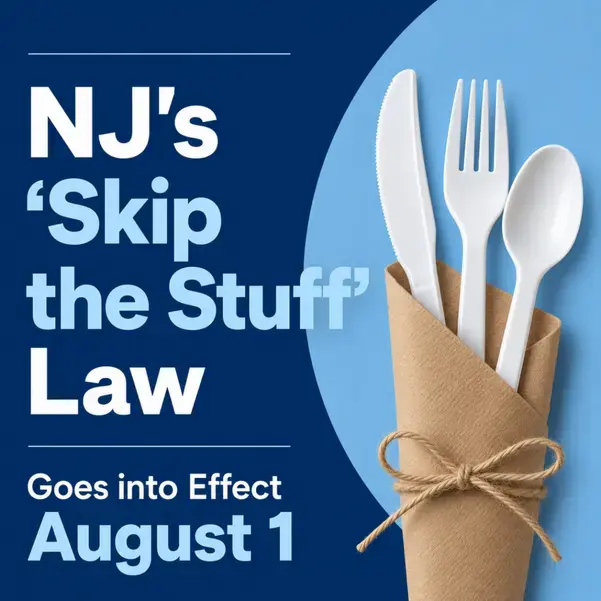
- Effective August 1, 2026; Affects 5,000+ NJ restaurants and delivery platforms; Creates compliance barriers protecting compliant sellers in food service packaging category



Overview
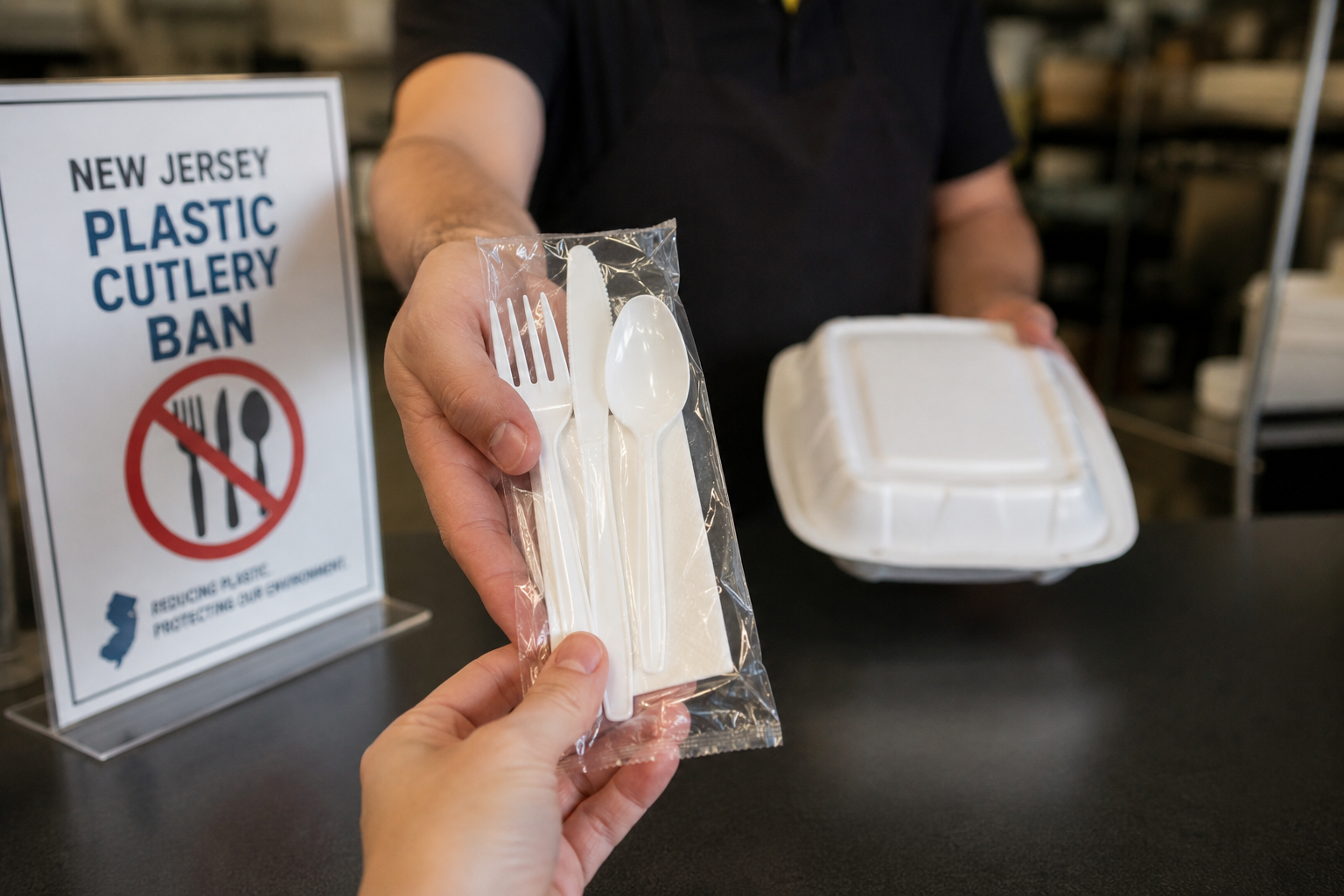
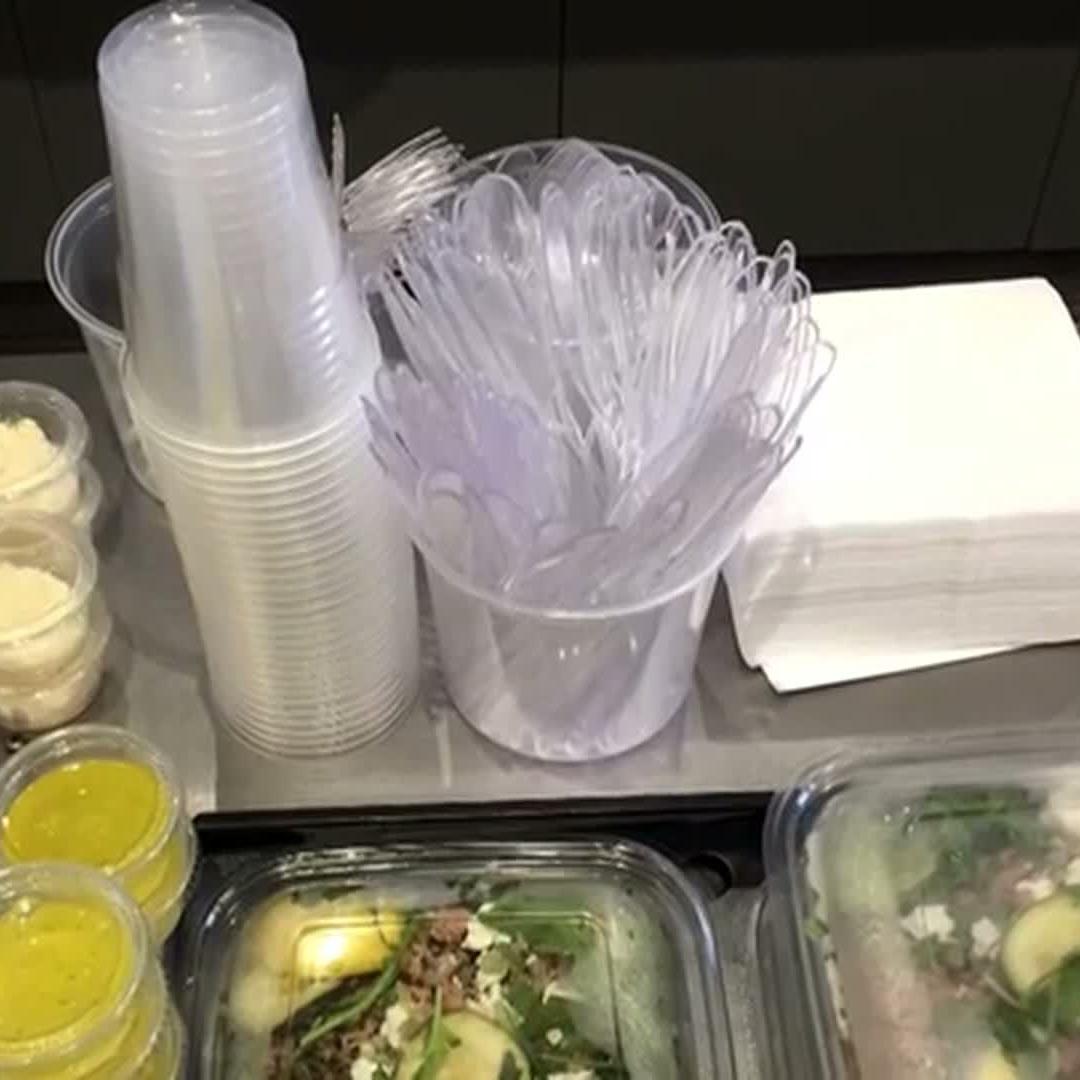
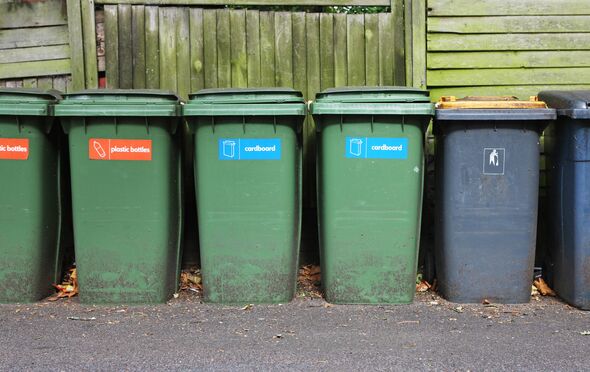
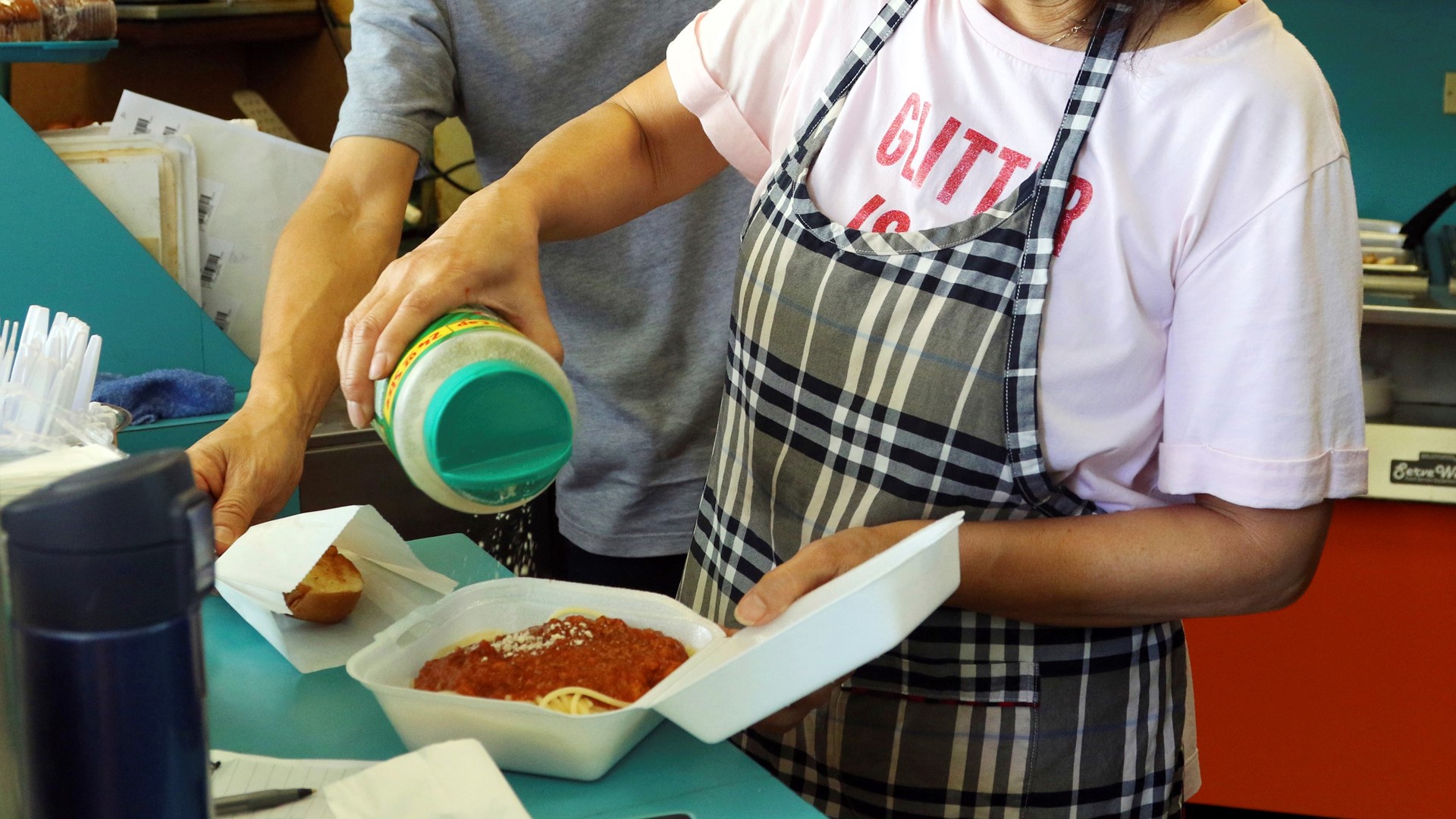
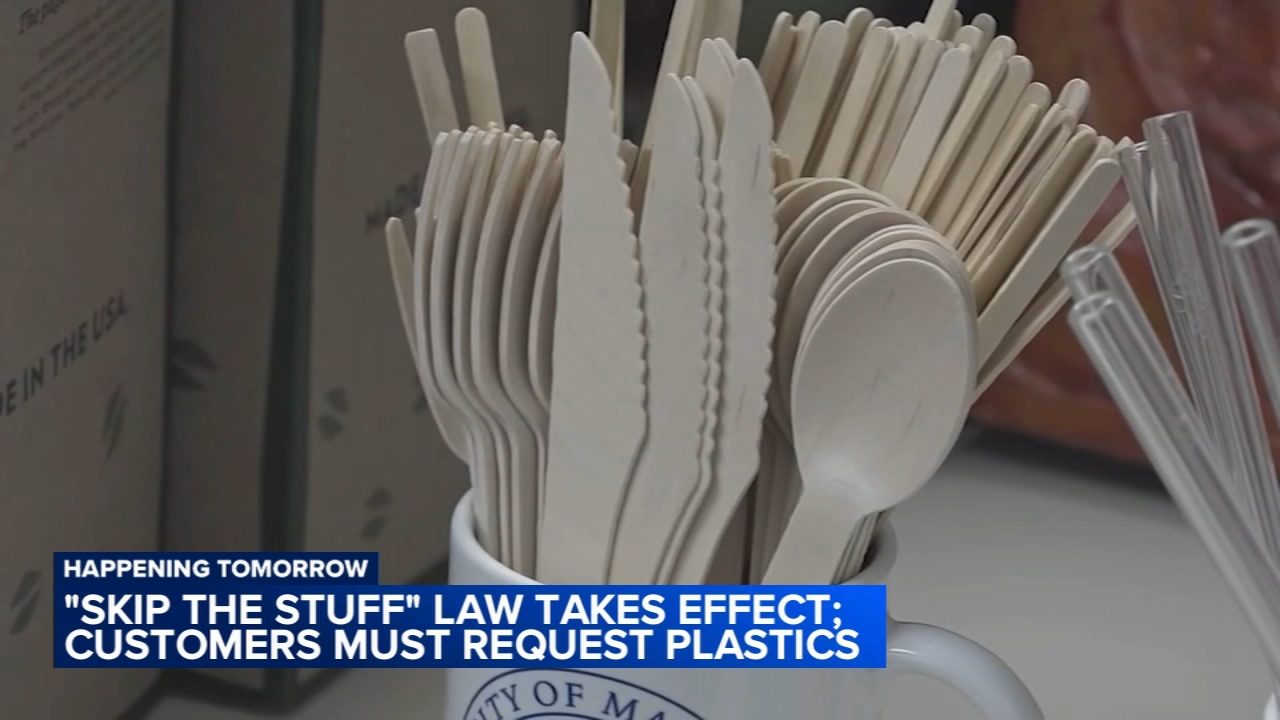
New Jersey's "Skip the Stuff" law, effective August 1-2, 2026, represents a major regulatory shift that creates significant compliance-driven opportunities for e-commerce sellers in the food service packaging and reusable goods categories. The legislation mandates that restaurants and food delivery platforms (DoorDash, Instacart) default to NOT providing single-use plastic utensils, straws, napkins, and condiment packets unless customers explicitly request them. This regulation applies to all New Jersey eateries with takeout service and full-service restaurants with 10+ seats, affecting thousands of establishments across the state.
The Compliance Barrier Creates Market Segmentation: Restaurants face escalating penalties ($100/day for second violations, $250/day for subsequent violations) for non-compliance, creating a high-cost barrier that eliminates non-compliant competitors. This is a textbook compliance moat—restaurants must either invest in system updates across ordering platforms or face daily fines. The law exempts K-12 schools, correctional facilities, healthcare facilities, and food court restaurants until August 1, 2028, creating a two-year grace period for certain segments.
E-Commerce Seller Opportunities Across Multiple Categories: The regulation drives demand for compliant alternatives that e-commerce sellers can capitalize on: (1) Reusable utensil sets for restaurants and consumers—bamboo, stainless steel, and compostable alternatives; (2) Bulk condiment dispensers and refillable containers for restaurant supply; (3) Eco-friendly napkin and packaging solutions that meet the "full-size bottle" and "reusable container" requirements; (4) Compliance consulting and platform integration services for restaurants managing DoorDash/Instacart system updates. The NJDEP estimates 95% of food packaging is discarded after single use, indicating massive market potential for sustainable alternatives.
Regulatory Cascade Effect: This follows New Jersey's 2022 bans on single-use plastic carryout bags and polystyrene foam containers, plus 2021 plastic straw restrictions. New York City implemented a similar law in July 2023, signaling that this regulatory pattern will spread to other major metros. Sellers who establish compliance expertise and product sourcing NOW will have first-mover advantage as other states adopt similar legislation. The two-year exemption for food court restaurants (until August 1, 2028) creates a secondary compliance wave that sellers should prepare for.
Fastest Compliance Path for Sellers: Sellers can immediately source and list reusable utensil sets, bamboo alternatives, and bulk condiment dispensers on Amazon, Shopify, and specialty food service marketplaces. The fastest path involves partnering with existing eco-friendly manufacturers (already certified for food contact) rather than developing new products. Estimated timeline: 30-60 days to source, 15-30 days to list and optimize. Cost to establish compliant product line: $5,000-15,000 for initial inventory and listing optimization.
Questions 8
Which e-commerce product categories benefit most from this regulation?
Four primary categories see immediate demand: (1) Reusable utensil sets (bamboo, stainless steel, compostable materials) for both restaurants and consumers; (2) Bulk condiment dispensers and refillable containers meeting the 'full-size bottle' requirement; (3) Eco-friendly napkins and sustainable packaging solutions; (4) Compliance consulting and platform integration services. The NJDEP estimates 95% of food packaging is currently discarded after single use, indicating massive market potential. Sellers can source existing compliant products from eco-friendly manufacturers already certified for food contact, reducing time-to-market from 90+ days to 30-60 days.
How does this regulation create a competitive moat for compliant sellers?
Non-compliant restaurants face escalating daily penalties ($100-$250/day) plus operational disruption from platform system updates. This high compliance cost eliminates price-sensitive competitors who cannot afford system changes or penalty exposure. Restaurants must invest in staff training, platform integration, and supply chain changes—creating a barrier that protects sellers offering turnkey compliance solutions. The regulation also creates demand for premium reusable alternatives, allowing sellers to capture margin expansion as restaurants shift from free single-use items to paid reusable solutions. Estimated compliance cost per restaurant: $2,000-5,000 in system updates plus ongoing supply costs.