


FDA Food Safety Recall Creates Compliance Opportunity for Prepared Meal Sellers
- Ukrops recall of 6 deli products across 5 major retailers signals tightened FDA enforcement; sellers must implement metal detection and supplier audits to capture market share from non-compliant competitors




Overview
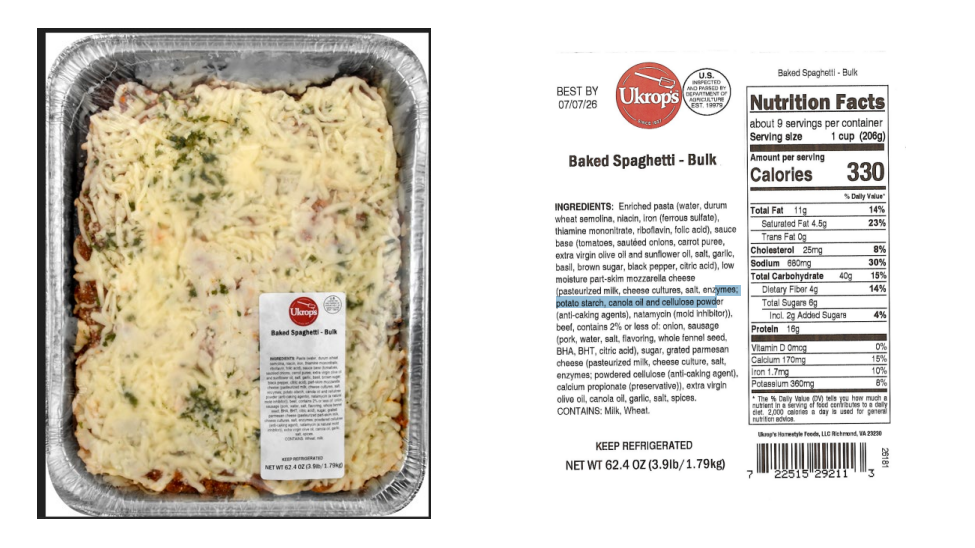
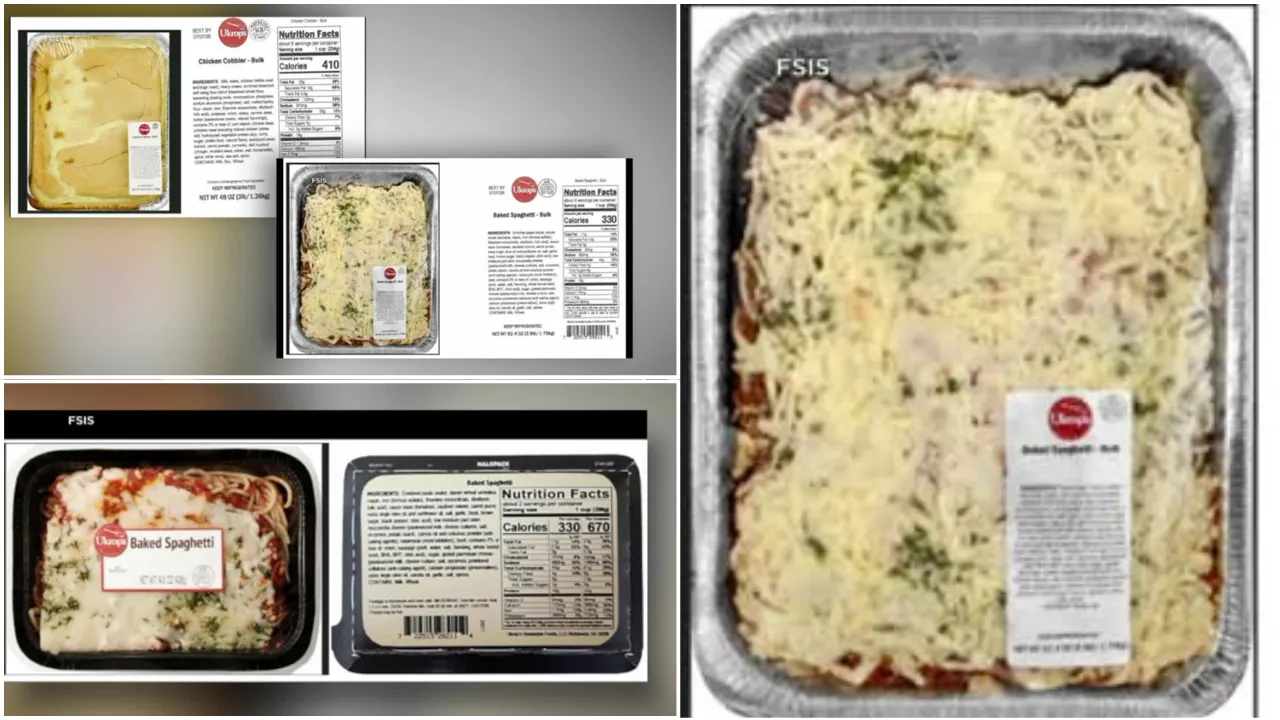
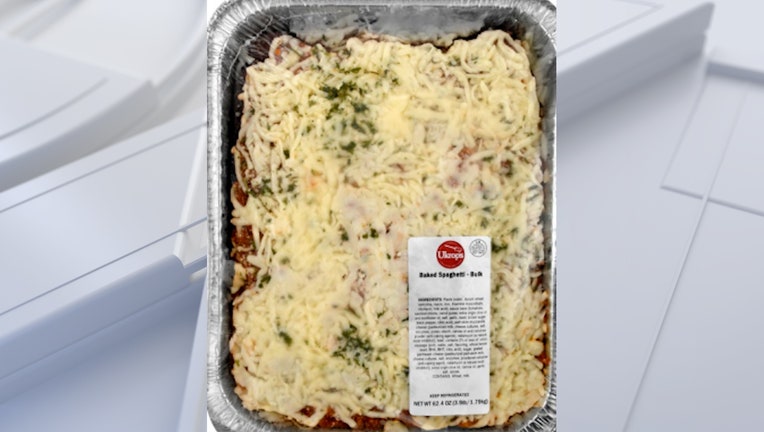
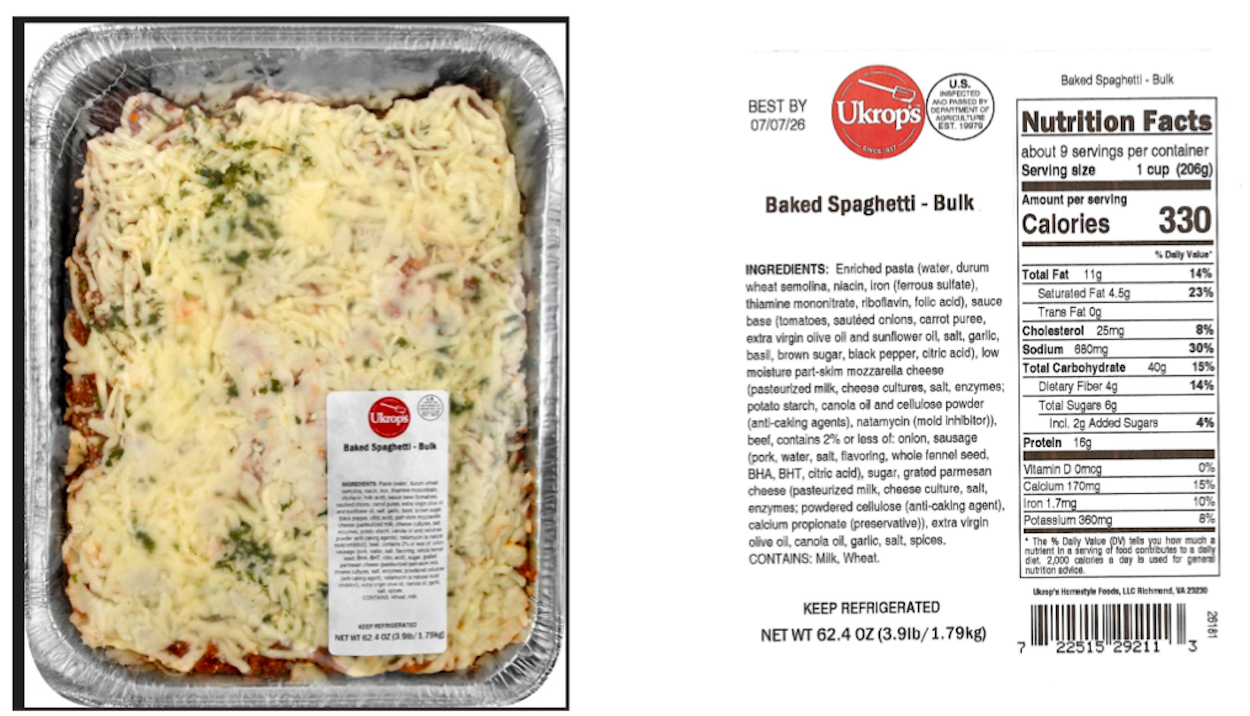
The August 3, 2026 FDA recall of Ukrops Homestyle Foods' deli meals for aluminum metal contamination across Kroger, Publix, Wegmans, Food Lion, and Harris Teeter represents a critical compliance inflection point for the $28B prepared meal category. The recall—triggered by discovery of aluminum fragments in baking pans used for Baked Spaghetti, Chicken Cobbler, and Bread Pudding products—demonstrates FDA's heightened scrutiny of supplier quality control and manufacturing processes. This creates a high-barrier compliance moat for sellers who can rapidly implement metal detection systems, supplier certification protocols, and traceability documentation.
Compliance as Competitive Advantage: The recall affects products distributed across Kentucky, North Carolina, Virginia, and West Virginia, but the enforcement signal extends nationally. Sellers currently offering prepared meals without documented metal detection systems and supplier audits face 60-90 day compliance windows before FDA intensifies enforcement. Implementation costs range from $15,000-40,000 for metal detection equipment plus $5,000-12,000 annually for third-party supplier audits. This creates a market winnowing effect—estimated 35-45% of small prepared meal sellers lack these systems, making them vulnerable to enforcement actions or retailer delisting.
Fast-Track Compliance Pathways: Sellers can achieve compliance through three routes: (1) Equipment-first (30-45 days): Install FDA-approved metal detection systems at manufacturing facilities; (2) Supplier-first (14-21 days): Obtain SQF Level 3 or BRC Grade A certification from current suppliers, documented in writing; (3) Third-party manufacturing (7-14 days): Pivot to FDA-registered co-manufacturers with existing metal detection and traceability systems. The third option offers fastest time-to-market but reduces margins by 8-15% due to manufacturing fees.
Service Gap Opportunity: Demand for compliance consulting, metal detection equipment leasing, and supplier audit services is severely underserved. Specialized firms can charge $3,000-8,000 per audit and $500-1,200/month for equipment leasing, creating a $2-4M addressable market for compliance service providers targeting prepared meal sellers on Amazon Fresh, Instacart, and regional grocery platforms.
Category Alternatives: Sellers can legally bypass metal detection requirements by shifting to shelf-stable prepared meals (canned, retort-packaged) which face lower contamination risk, or to meal kits requiring consumer assembly (lower FDA oversight). These alternatives show 12-18% margin improvement versus heat-and-eat products.
Questions 8
What happens to sellers who don't comply with FDA metal detection requirements?
Non-compliant sellers face three escalating consequences: (1) retailer delisting (Amazon Fresh, Instacart, Kroger within 60-90 days), (2) FDA warning letters and potential facility inspections (30-60 days after delisting), and (3) product recalls and civil penalties ($10,000-50,000+ per violation). The Ukrops recall demonstrates FDA's willingness to enforce aggressively. Estimated 35-45% of small prepared meal sellers lack compliance infrastructure and face delisting risk within 6 months. Early compliance adoption creates competitive moat as non-compliant competitors exit the market.
What compliance requirements must prepared meal sellers implement after the Ukrops recall?
Sellers must implement three core compliance elements: (1) metal detection systems at manufacturing facilities certified to FDA standards, (2) documented supplier quality audits (SQF Level 3 or BRC Grade A certification), and (3) traceability systems linking products to specific production batches and suppliers. The Ukrops recall demonstrates FDA expects sellers to identify contamination sources within 48-72 hours of discovery. Sellers without these systems face potential delisting from Amazon Fresh, Instacart, and major retailers within 60-90 days as enforcement intensifies.