



Rising Fuel Costs Squeeze E-Commerce Margins | Sellers Face 8-15% Shipping Cost Increases Through 2026
- Brent crude surged 80% from $70 to $126/barrel; US gas averages $4.11/gallon; FBA and 3PL shipping costs rising 8-15% for sellers; immediate action needed before Labor Day election impact












Overview
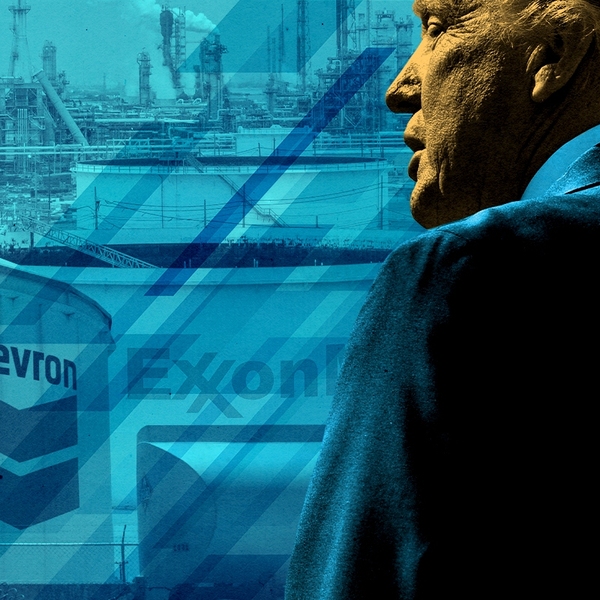
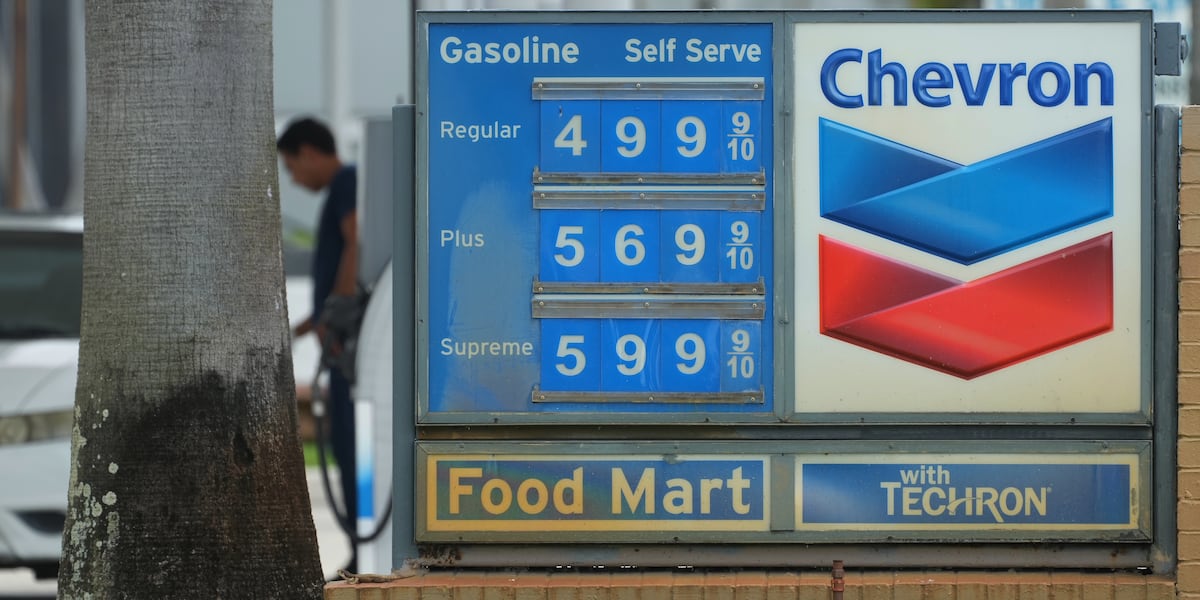
Escalating geopolitical tensions and energy market volatility are creating a critical cost crisis for cross-border e-commerce sellers. Between late February and late April 2026, Brent crude oil prices surged 80%—from $70 to $126 per barrel—driven by Trump's military conflict with Iran and subsequent policy uncertainty. While prices have moderated to $85/barrel, US gasoline averages $4.11/gallon (well above Trump's promised $2.25 target), and the administration's limited policy toolkit means sustained elevated energy costs through the November midterm elections. This directly impacts seller profitability across all platforms.
For Amazon FBA sellers, the cost implications are immediate and severe. Fulfillment fees are indexed to fuel surcharges, with carriers (UPS, FedEx, DHL) implementing 5-8% fuel surcharges on top of base rates. A seller shipping 1,000 units monthly via FBA can expect $800-1,200 additional monthly costs compared to February 2026 rates. Third-party logistics (3PL) providers report similar pressures: standard ground shipping costs have increased from $3.50-4.50 to $4.20-5.40 per unit. For sellers operating on 15-20% net margins in competitive categories (electronics, home goods, apparel), this 8-15% cost increase compresses profitability to unsustainable levels without price increases that risk losing Buy Box position.
The timing window is critical: Labor Day (September 2, 2026) marks the political deadline when "gas prices are baked into the election," according to Republican pollster Frank Luntz. Trump's eroded credibility with oil markets—his repeated contradictory statements on Iran conflict resolution have destroyed jawboning effectiveness—means market-driven price management is no longer viable. The U.S. Strategic Petroleum Reserve has been drawn down to 109 million barrels (lowest since Reagan's first term), and global crude supplies are critically low with 20% of global energy flows threatened through the Strait of Hormuz. Refinery capacity constraints will sustain elevated prices indefinitely, according to oil majors. Sellers must act immediately to lock in shipping contracts, optimize inventory positioning, and adjust pricing strategies before the post-Labor Day surge in Q4 holiday inventory shipments.
Strategic sourcing shifts are accelerating. Reduced Chinese oil imports and successful rerouting of Saudi crude through alternative routes signal supply chain diversification. Sellers should evaluate nearshoring opportunities: Mexico (USMCA advantage), Vietnam, and India offer lower fuel-dependent logistics costs compared to China-to-US routes. For sellers currently sourcing from China, the 80-cent per-unit fuel surcharge differential between China-US and Mexico-US routes (on 40-foot containers) now justifies reshoring or nearshoring 20-30% of inventory, particularly for high-volume, lower-margin categories where logistics represent 15-25% of COGS.
Questions 8
How should I adjust my pricing strategy to offset fuel cost increases?
Implement tiered price increases: 5-8% for high-volume, low-margin categories (electronics, home goods); 3-5% for mid-margin categories (apparel, sporting goods); 0-2% for high-margin categories (jewelry, beauty). Use Amazon's dynamic pricing tools or Shopify's automated pricing apps to test elasticity—increase prices 5% and monitor conversion rate impact. If conversions drop >15%, reduce increase to 3%. For FBA sellers, emphasize Prime shipping benefits in listings to justify premium pricing. On eBay, use auction-style listings for inventory you need to move quickly, and fixed-price for slower-moving SKUs where you can absorb margin compression. Communicate transparently: add a note in product descriptions about 'supply chain cost adjustments' to manage customer expectations and reduce negative reviews.
What compliance or regulatory risks should I monitor regarding fuel surcharges?
The Trump administration launched a Justice Department investigation into retail energy sector price gouging, signaling potential future price-control policies. While this targets oil companies directly, sellers should monitor for potential restrictions on fuel surcharge pass-through to consumers. Currently, fuel surcharges are legal and transparent on all platforms. Document your fuel surcharge calculations and maintain records showing correlation to carrier indices (UPS, FedEx fuel surcharge rates). If price-control policies emerge, you may need to absorb surcharges rather than pass them to consumers. Additionally, monitor state-level regulations: California and New York have investigated price gouging in various sectors. Maintain transparent pricing and avoid sudden, unexplained price jumps that could trigger regulatory scrutiny. Review your terms of service with 3PL providers to ensure fuel surcharge clauses are clearly defined and defensible.