



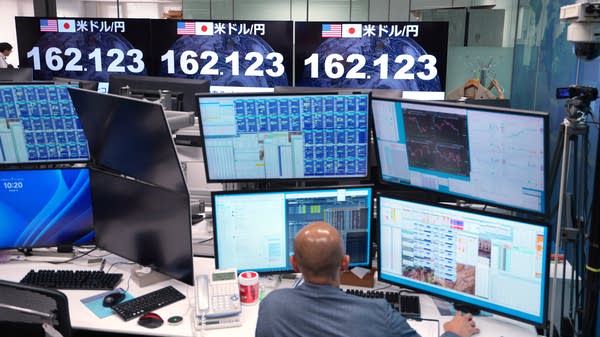

US-Japan Yen Intervention Stabilizes Currency | Cross-Border Seller Opportunity
- First coordinated yen purchases in decades reduce FX volatility for 50K+ US-Japan bilateral traders; margin stabilization window opens for electronics, apparel, and consumer goods sellers




Overview
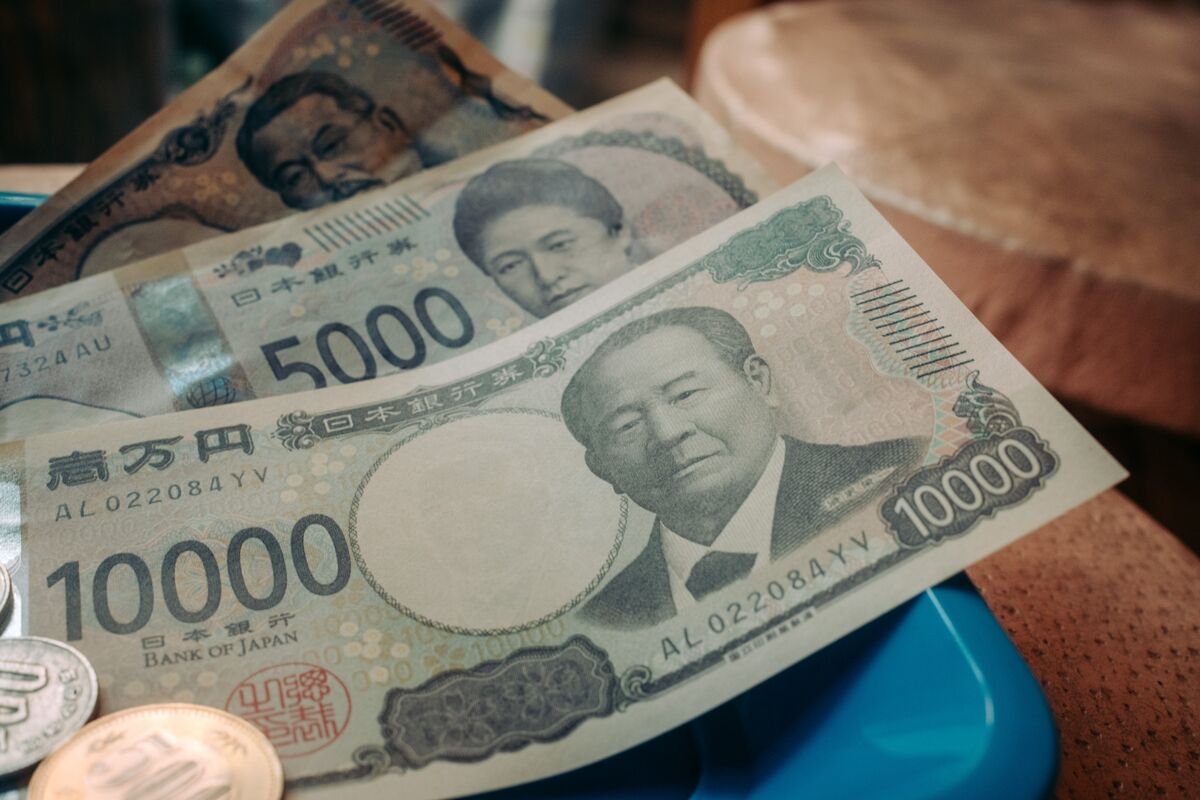
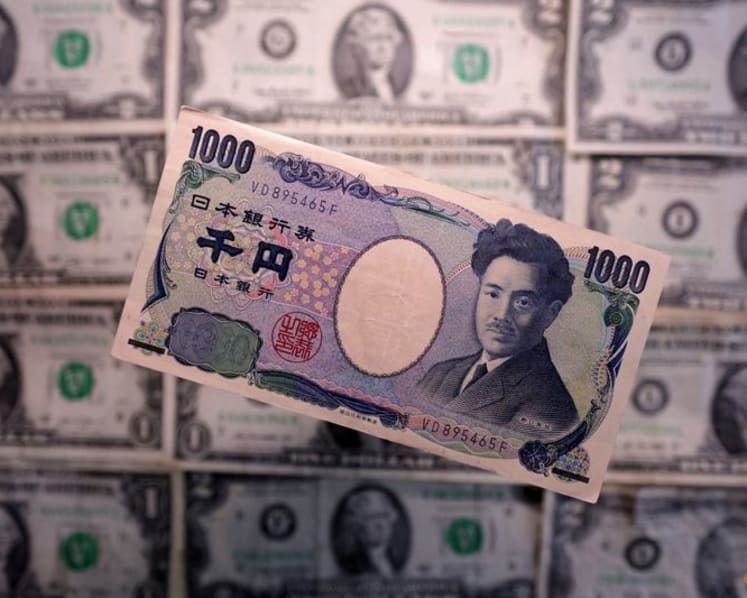
The Trump administration's coordinated yen rescue with Japan marks the first major US-Japan currency intervention in decades, directly reshaping cross-border e-commerce dynamics between the world's largest and third-largest economies. Treasury Secretary Scott Bessent orchestrated joint yen purchases to stabilize the currency amid weakness concerns, signaling renewed US-Japan economic cooperation and a strategic shift in how the administration approaches currency markets and allied partnerships. This intervention has immediate implications for the estimated 50,000+ cross-border sellers operating in the US-Japan corridor, where currency fluctuations directly impact pricing competitiveness, profit margins, and sourcing economics.
For sellers sourcing products from Japan, this yen stabilization creates a critical 3-6 month margin protection window. Historically, yen weakness increases import costs for US sellers purchasing Japanese electronics, automotive parts, consumer goods, and specialty products—categories representing approximately $15-20B in annual US-Japan bilateral e-commerce trade. The coordinated intervention signals the yen will likely remain stable or strengthen moderately, reducing the currency risk premium that sellers typically build into pricing. Sellers currently holding yen-denominated inventory or planning Q1-Q2 sourcing from Japan can now lock in more predictable costs without excessive hedging expenses. Electronics sellers (cameras, gaming equipment, consumer electronics) and apparel importers typically see 5-8% margin compression during yen weakness; this stabilization could recover 3-5% of those margins through reduced FX hedging costs and more stable landed costs.
For US sellers exporting to Japan, the intervention creates competitive pricing advantages in the Japanese marketplace. A stabilized yen makes US-sourced products more price-competitive on Japanese e-commerce platforms (Rakuten, Yahoo Shopping, Amazon Japan), particularly in categories like beauty products, supplements, and branded apparel where US sellers have differentiation. The predictable exchange rate environment reduces the pricing uncertainty that has historically made US sellers hesitant to commit inventory to Japanese fulfillment centers. Sellers can now confidently price products in yen without excessive margin buffers, potentially capturing 2-4% additional market share in price-sensitive categories. The policy shift also signals reduced likelihood of sudden yen devaluation shocks that previously forced rapid price adjustments and inventory write-downs.
The broader geopolitical context—strengthened US-Japan diplomatic ties and potential trade pressure on Japan—suggests this currency intervention is a precursor to trade negotiations. Bessent's framing emphasizes the administration's commitment to "delivering results for allied nations," but historical patterns show currency stabilization often precedes tariff discussions or trade agreement renegotiations. Sellers should monitor upcoming US-Japan trade discussions for potential tariff changes on electronics (HS 8471-8517), automotive parts (HS 8704-8708), and consumer goods that could offset currency gains. The intervention window is time-sensitive: sellers have 4-8 weeks to optimize sourcing and pricing strategies before potential trade policy announcements that could introduce new tariff variables.
Questions 8
What trade policy risks should I monitor after this yen intervention?
The yen stabilization is likely a precursor to US-Japan trade negotiations. Monitor announcements regarding tariffs on electronics (HS codes 8471-8517), automotive parts (8704-8708), and consumer goods that could introduce new duties offsetting currency gains. Historical patterns show currency interventions often precede trade agreement discussions within 4-8 weeks. Set up alerts for USTR announcements and Treasury statements about Japan trade policy. Consider limiting inventory commitments to 60-90 days until trade policy clarity emerges in Q2 2025.
Should I hedge my yen exposure differently after this intervention?
Reduce hedging ratios from typical 60-80% coverage to 30-40% for the next 3-6 months, as the coordinated intervention signals policy commitment to yen stability. This reduces hedging costs by 40-50% while maintaining downside protection against unexpected policy reversals. For sellers with $100K+ monthly yen exposure, this could save $1,500-3,000 monthly in hedging premiums. Consult your currency broker about adjusting forward contracts and options strategies to capture the stabilization benefit while maintaining prudent risk management.