


Strait of Hormuz Shipping Disruptions Drive 6.2% Oil Price Volatility | Cross-Border Logistics Cost Impact 2025
- Geopolitical tensions threaten 20% of global crude shipments; shipping costs and delivery times surge for sellers routing through Middle East corridors









Overview
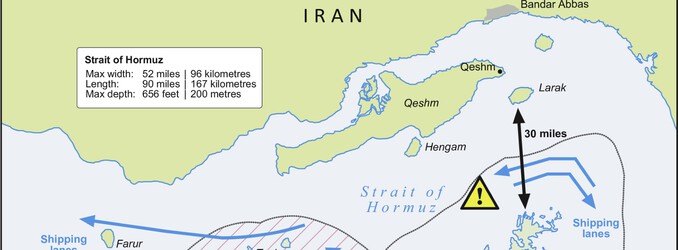
Geopolitical tensions surrounding the Strait of Hormuz are creating significant volatility in global shipping costs and delivery timelines for cross-border e-commerce sellers. The U.S.-Iran conflict has triggered oil price swings of 6.2% (WTI crude fell to $79.45/barrel on Monday, then rebounded 1.3% to $81.11 by Tuesday, August 4, 2025), directly impacting logistics expenses for sellers shipping products through Middle Eastern routes. The Strait of Hormuz handles approximately 20% of global crude oil and natural gas shipments—roughly 4.2 million barrels per day as of late July 2025—making it a critical chokepoint for international commerce. When diplomatic negotiations faltered (Iran's Foreign Ministry disputed Trump's peace talks claims), oil prices spiked above $110/barrel earlier in 2026, creating uncertainty that translates to higher freight forwarding costs, increased insurance premiums, and extended voyage times for sellers relying on Asian-to-Europe or Asian-to-US shipping corridors.
For cross-border sellers, this geopolitical risk manifests as immediate operational cost increases. Shipping insurance premiums have risen due to ongoing security incidents—a cargo vessel was hit by an unknown projectile near Oman's Al Khasab on August 4, 2025, underscoring persistent maritime risks. Six Saudi-flagged supertankers recently rerouted to southern Africa, indicating that even major shipping operators are diversifying routes to avoid the Strait, adding 10-15 days to transit times and 8-12% to freight costs. Sellers shipping electronics, apparel, home goods, or machinery from China, Vietnam, or India to North American or European markets face compounding logistics expenses: higher fuel surcharges (typically $0.50-$1.50 per CBM when oil exceeds $85/barrel), increased insurance costs (2-3% premium on cargo value), and longer lead times (potentially 35-45 days instead of 25-30 days via traditional Suez-Hormuz routes). Small and medium-sized sellers (SMEs) with limited inventory buffers are particularly vulnerable, as extended transit times force higher working capital requirements and inventory carrying costs.
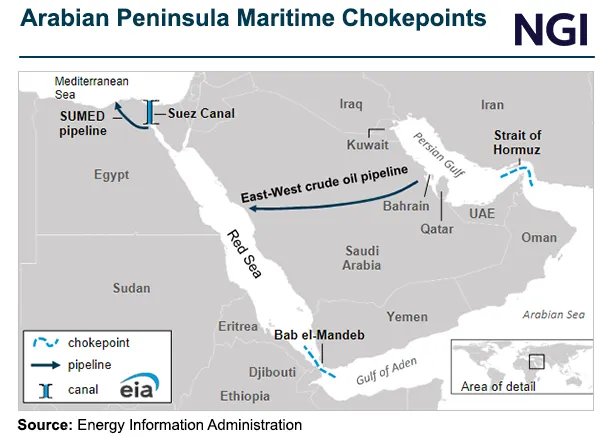
The dual-chokepoint risk (Strait of Hormuz + Red Sea Houthi attacks) maintains a persistent geopolitical risk premium in shipping markets. While the news reports that shipping traffic at Bab el-Mandeb and Hormuz remained "largely unchanged," analysts emphasize that voyage times, insurance costs, and occasional diversions continue to inflate logistics expenses. Sellers should immediately audit their supply chain routing: those currently using Suez Canal-Hormuz passages should evaluate alternative routes (Cape of Good Hope, which adds 10-15 days but may offer cost stability), negotiate long-term freight contracts with fixed fuel surcharges to hedge against oil volatility, and consider regional inventory hubs (e.g., warehousing in UAE, Singapore, or Rotterdam) to reduce exposure to single-route dependencies. The uncertainty surrounding U.S.-Iran negotiations creates a 3-6 month window of elevated shipping costs before potential de-escalation could normalize freight rates. Sellers in time-sensitive categories (fashion, electronics, seasonal goods) should prioritize air freight for high-margin SKUs, while bulk commodity sellers should lock in ocean freight rates immediately before further oil price escalation.
Questions 7
How long will delivery times be affected by current Middle East tensions?
Transit times are extending 10-15 days beyond normal schedules due to route diversions and increased security protocols. Traditional Asia-to-Europe routes via Suez-Hormuz typically take 25-30 days; alternative routes now require 35-45 days. The news reports ongoing security incidents (cargo vessel hit by projectile near Oman on August 4, 2025), forcing carriers to implement additional safety measures. Sellers should increase inventory buffers by 2-3 weeks and communicate extended lead times to customers immediately. This impact will persist for 3-6 months pending U.S.-Iran diplomatic resolution.
Which product categories are most affected by shipping cost increases?
Heavy, low-margin categories (furniture, machinery, bulk apparel) face the highest percentage cost impact, as freight represents 15-25% of landed costs. Electronics and fashion items can absorb costs better due to higher margins (30-50%). The news indicates oil prices spiked above $110/barrel earlier in 2026, creating uncertainty that disproportionately affects sellers with thin margins. Sellers should prioritize air freight for high-margin SKUs (jewelry, electronics, luxury goods) and consolidate ocean shipments for bulk items. Consider temporary price increases of 5-8% for affected categories.