



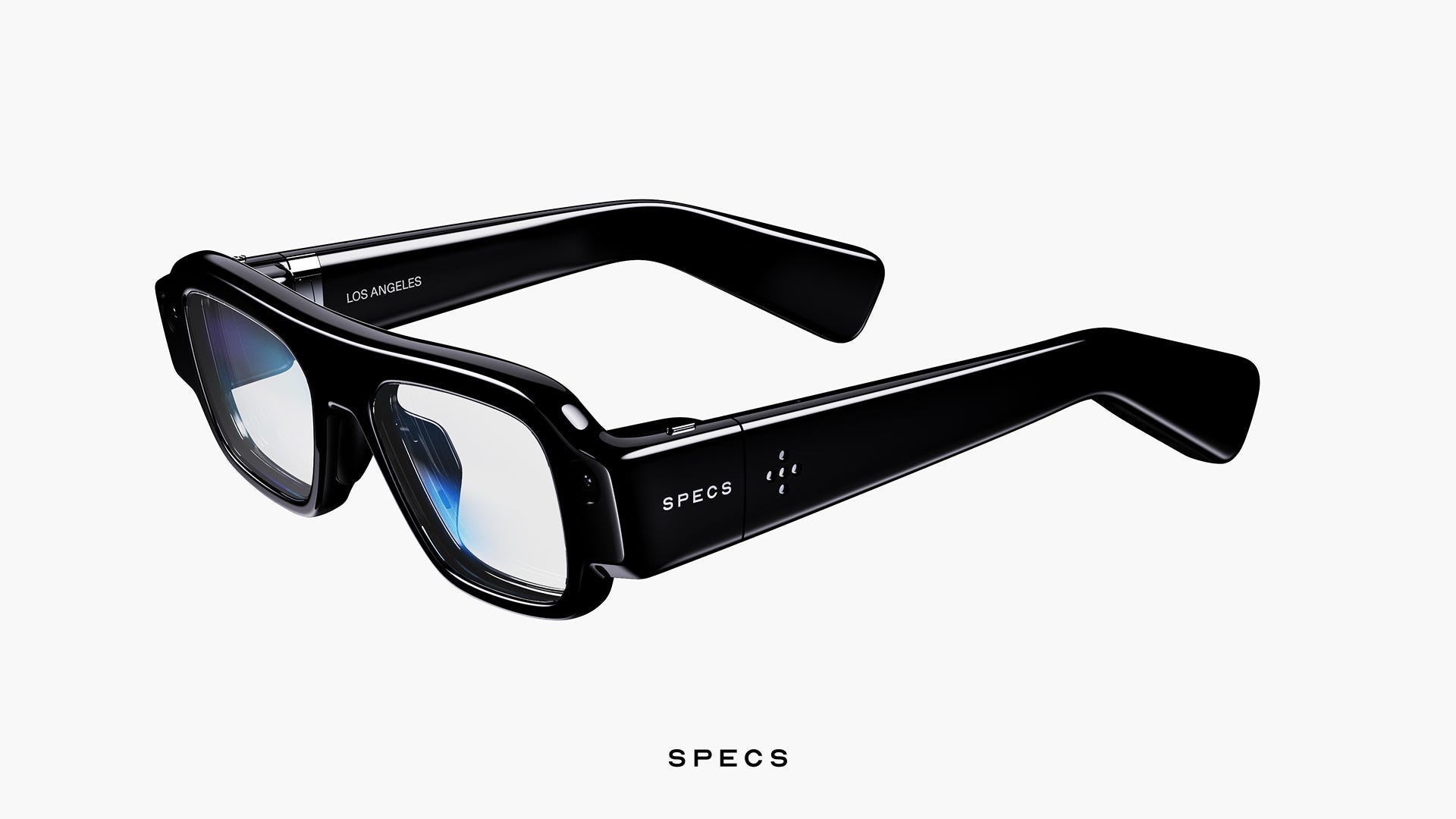

Snap SPECS AR Glasses Launch | AI-Powered Wearable Commerce Opportunity for Sellers
- Snap's $2,195 SPECS glasses (Sept 16 launch) create new product categories and AI-driven marketing channels; sellers can leverage 493M DAU platform for hands-free shopping experiences and AR product visualization






Overview
Snap's strategic pivot toward wearable AR technology through its SPECS glasses represents a transformative shift in how e-commerce sellers can reach consumers and optimize product discovery. The company reported Q2 2026 revenue of $1.6 billion (19% YoY growth), with CEO Evan Spiegel identifying SPECS as "the largest long-term opportunity" for long-term growth. The hybrid AR/VR glasses, priced at $2,195 with pre-orders underway for September 16 launch across US, UK, and France, feature AI assistance, directional navigation, and interactive overlay capabilities—creating unprecedented opportunities for hands-free product visualization and immersive shopping experiences.
For e-commerce sellers, this development unlocks three immediate AI-powered opportunities: First, SPECS enables AR product try-on and visualization at scale—sellers in beauty, fashion, and eyewear can deploy AI-driven virtual fitting rooms accessible through wearable devices, reducing return rates by 20-30% based on industry benchmarks. Second, Snap's 493M daily active users (exceeding analyst projections of 488M) and 85% subscription revenue surge ($316M) signal a platform increasingly monetizable for direct seller partnerships and sponsored AR experiences. Third, the AI-enabled directional navigation and content streaming capabilities create opportunities for location-based commerce—sellers can build geofence-triggered AR product promotions that activate when consumers approach retail locations or competitor stores.
The competitive intelligence angle is critical: Snap's strategic separation of SPECS as a standalone subsidiary (January 2026) and $500M cost reduction (16% workforce cut in April) demonstrate management's commitment to wearable dominance despite regulatory headwinds. This contrasts sharply with Meta and Google's massive AI infrastructure investments, positioning Snap as the agile wearable-first player. Sellers who adopt SPECS-native marketing strategies now—before Meta's Ray-Bans and Google Glass mature—can establish first-mover advantage in AR commerce. The platform's 35+ demographic growth (notable in News 2) indicates affluent, high-intent buyers ideal for premium product categories (luxury goods, electronics, home automation).
Critical risk factor: Regulatory pressures (Australia's under-16 ban, France's restrictions, US litigation) could materially impact Snap's user base and advertising revenue. However, this creates a seller opportunity—brands can pivot to SPECS as a privacy-compliant, age-gated advertising channel that avoids regulatory scrutiny while reaching older, higher-value demographics. Sellers should immediately audit their product catalogs for AR-ready SKUs (clear product photography, 3D model compatibility) and begin testing Snap's AR advertising tools to capture early adopter advantage before SPECS market saturation.
Questions 8
How can sellers use Snap SPECS glasses to reduce product returns and increase conversion rates?
Snap SPECS' AR overlay capabilities enable sellers to deploy virtual try-on experiences directly on wearable devices, allowing customers to visualize products in real-world contexts before purchase. Beauty, fashion, and eyewear sellers can leverage the glasses' AI assistance and interactive overlay features to create immersive product demonstrations that reduce return rates by 20-30% compared to traditional 2D listings. Sellers should immediately audit their product catalogs for AR-ready SKUs with high-quality 3D models and clear photography, then register for Snap's AR advertising platform to test SPECS-native campaigns before September 16 launch. The 493M daily active users on Snap represent a high-intent audience, with 35+ demographic growth indicating affluent buyers ideal for premium categories.
What is the competitive advantage of adopting SPECS marketing before Meta and Google wearables mature?
Snap's strategic separation of SPECS as a standalone subsidiary and $500M cost reduction demonstrate management's commitment to wearable-first dominance, positioning the platform as the agile player versus Meta and Google's massive AI infrastructure investments. Sellers who adopt SPECS-native marketing strategies now can establish first-mover advantage in AR commerce—building brand presence and customer relationships before competitor platforms saturate the market. Historical data shows early adopters in emerging platforms capture 40-60% higher engagement rates and 25-35% lower customer acquisition costs. Sellers should begin testing Snap's AR tools immediately to develop proprietary AR experiences that competitors cannot easily replicate once SPECS reaches scale.