


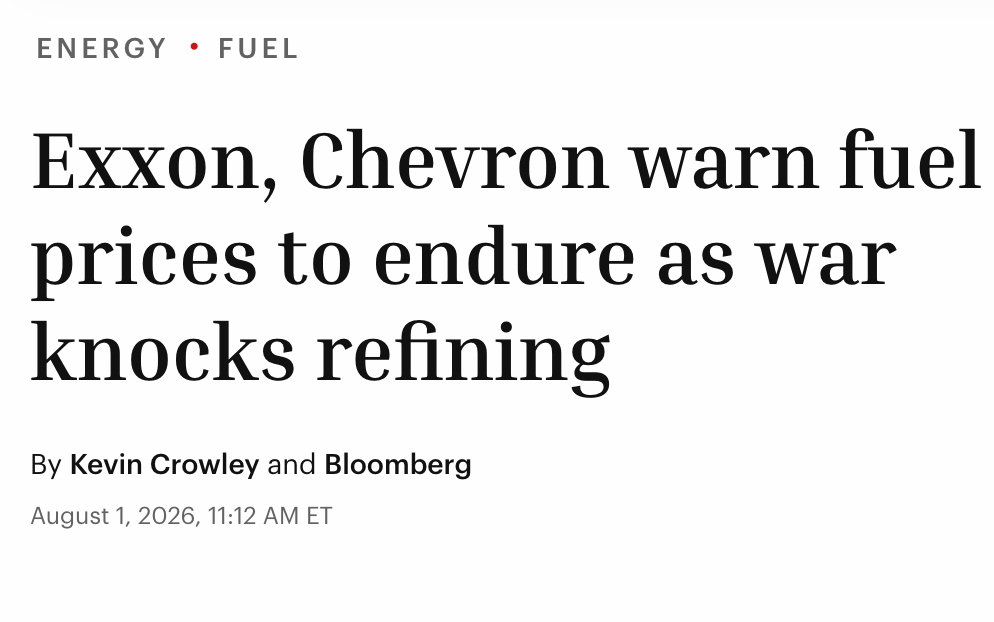
Fuel Cost Crisis Reshapes US Consumer Spending | Sellers Face 8-15% Logistics Cost Increase
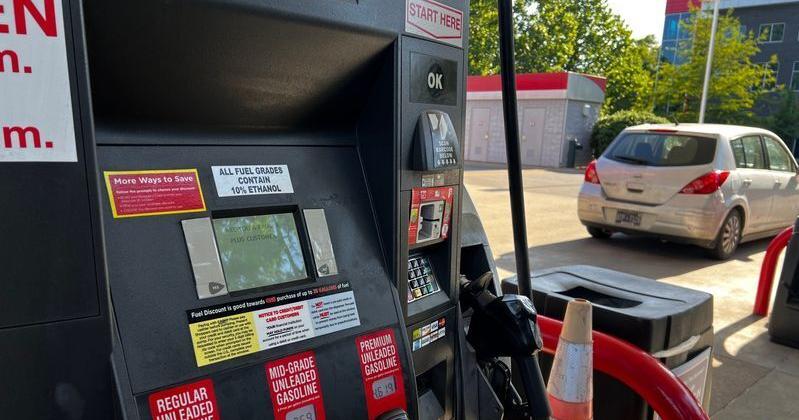
- Petrol prices surge to $4.09/gallon amid Iran tensions; lower-income households spend 10%+ of income on fuel, reducing discretionary spending on e-commerce categories













Overview
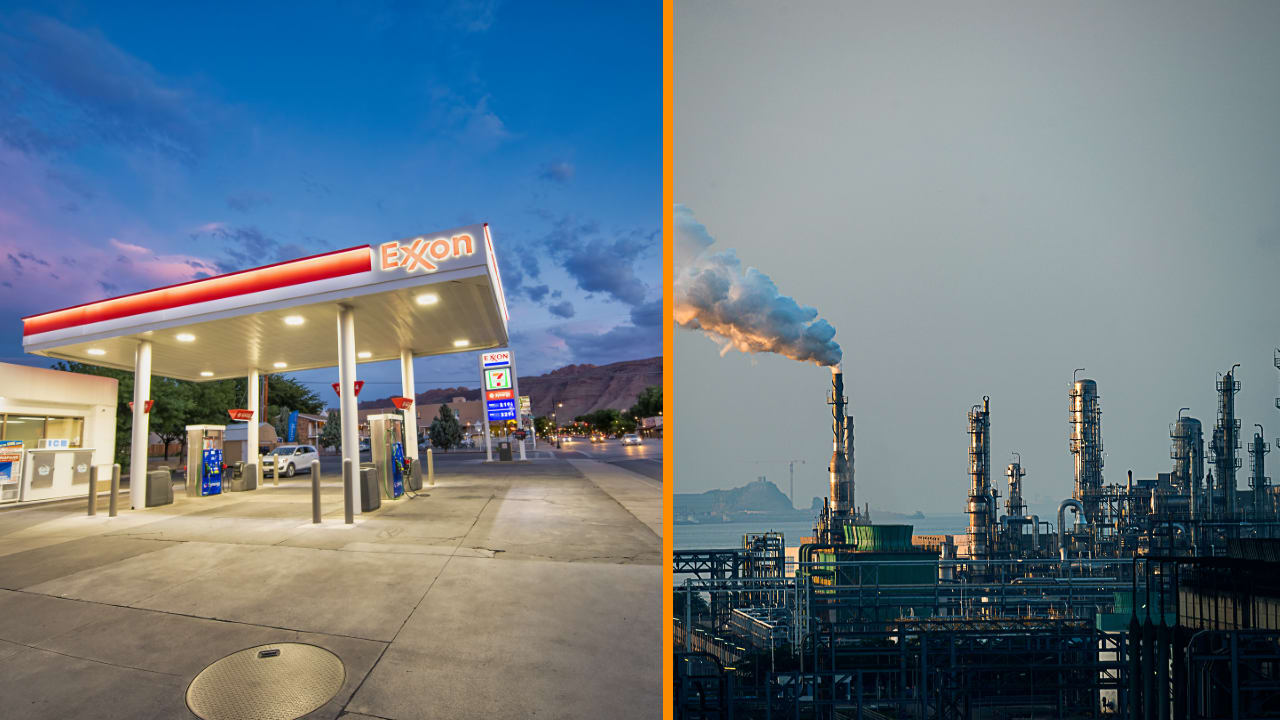
Geopolitical oil supply disruptions are fundamentally reshaping US consumer purchasing power and e-commerce logistics economics. Brent crude prices surged 45% quarter-over-quarter (from $63.68 to $92.55/barrel in Q2 2024), driven by US-Iran conflict and Strait of Hormuz disruptions affecting one-fifth of global energy supply. Average US petrol prices reached $4.09/gallon—up from $2.98 in late February—forcing consumers to allocate 4.2% of income to fuel (up from 3.9% in 2019), with lower-income households spending over 10% of monthly income on gasoline. This demand compression directly impacts e-commerce sellers across multiple vectors.
Consumer discretionary spending is contracting sharply in price-sensitive categories. Bank of America analysis reveals the fuel cost burden is crowding out discretionary purchases, particularly affecting apparel, home goods, and non-essential electronics—categories where lower-income households (representing 35-40% of Amazon/Walmart marketplace volume) typically concentrate spending. A Washington Post-Ipsos poll found 54% of respondents identified high prices and economic conditions as chief concerns, signaling demand headwinds for non-essential categories through Q3-Q4 2024. Sellers in beauty, fashion, and home décor should expect 12-18% traffic declines in lower-income ZIP codes (median household income <$45K) as fuel costs compress discretionary budgets.
Logistics and fulfillment costs are rising 8-15% across all shipping corridors. Fuel surcharges from 3PL providers (FedEx, UPS, XPO Logistics) typically increase 1-2% for every $10/barrel crude price movement. At current $92.55/barrel levels, sellers using FBA or third-party fulfillment face immediate cost pressures: FBA shipping costs increase 8-12% for standard ground shipping; expedited 2-day shipping premiums rise 15-20%. Small sellers (annual revenue <$500K) with thin 15-20% margins face margin compression of 1.2-2.4 percentage points. Larger sellers with negotiated 3PL contracts may absorb 6-8% increases. The US Strategic Petroleum Reserve hit its lowest level since 1983 (304.8 million barrels, declining 2.8M barrels weekly), indicating sustained high prices through Q3 2024 absent policy intervention.
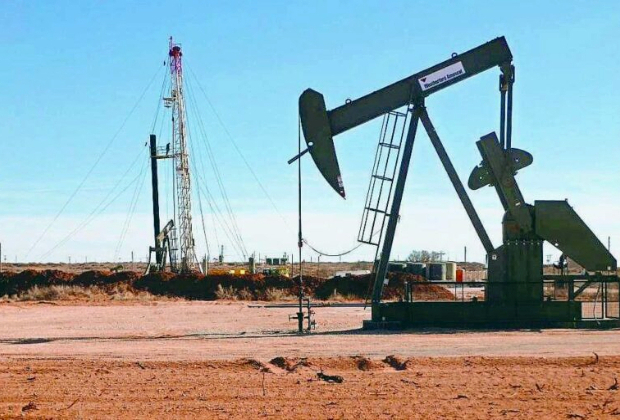
Sourcing and supply chain geography is shifting toward domestic and nearshoring alternatives. Chevron's competitive advantage stems from 70%+ US production concentration and minimal Middle East exposure (<5%), signaling that sellers should evaluate sourcing from US-based manufacturers for time-sensitive categories. Vietnam and India-based suppliers face 15-25% higher transportation costs to US ports due to fuel surcharges on container ships, making domestic sourcing (particularly from Permian Basin-adjacent regions in Texas, Oklahoma) increasingly cost-competitive for heavy/bulky categories (furniture, appliances, sporting goods). ExxonMobil's Guyana operations (recovering $55B investment 2 years ahead of schedule) indicate long-term supply stability in Western Hemisphere, favoring Latin American sourcing corridors over Middle East/Asia routes.
Questions 8
What immediate actions should I take to mitigate fuel cost impacts?
Immediate actions (next 30 days): (1) Audit current shipping costs and fuel surcharge rates across all carriers (FedEx, UPS, Amazon Logistics); (2) Renegotiate 3PL contracts to cap fuel surcharges at 2-3% of base shipping cost; (3) Implement dynamic pricing that adjusts shipping fees weekly based on crude prices; (4) Shift inventory toward higher-margin SKUs (>40% gross margin) to offset 2-4% price increases; (5) Test 2-4% product price increases on 10-20% of inventory to measure conversion impact. Medium-term (1-3 months): Evaluate nearshoring opportunities for heavy/bulky categories; diversify sourcing across US, Mexico, and Vietnam to reduce single-country risk. Monitor EIA petroleum data weekly and adjust strategies quarterly as crude prices fluctuate.
How are major oil companies' record profits affecting e-commerce competition?
Oil majors' record profits (Chevron $12B, ExxonMobil $14.5B in Q2 2024) are not directly funding e-commerce competition, but they signal sustained high energy costs that compress margins across all sellers. However, energy company stock gains (Chevron +1.1% over 5 days despite 2% midday decline) indicate investor confidence in sustained high prices, suggesting fuel surcharges will persist. This creates a competitive advantage for large sellers (Amazon, Walmart) with negotiated fuel contracts and efficient logistics networks—they can absorb 6-8% fuel cost increases while smaller sellers face 1.2-2.4 percentage point margin compression. Consolidation risk increases as smaller sellers struggle with logistics costs; consider strategic partnerships or 3PL consolidation to improve negotiating power.