





Global Market Volatility & FX Intervention Impact | Cross-Border Seller Payment Optimization August 2025
- USD/JPY intervention at 157.80 creates 4% arbitrage window; Brent crude at $84.95 signals 8-12% shipping cost increases for Asia-US sellers; Treasury yields at 19-year highs compress working capital financing by 150-200 bps




















Overview
Financial Market Volatility Creates Immediate Payment & Financing Optimization Opportunities for Cross-Border Sellers
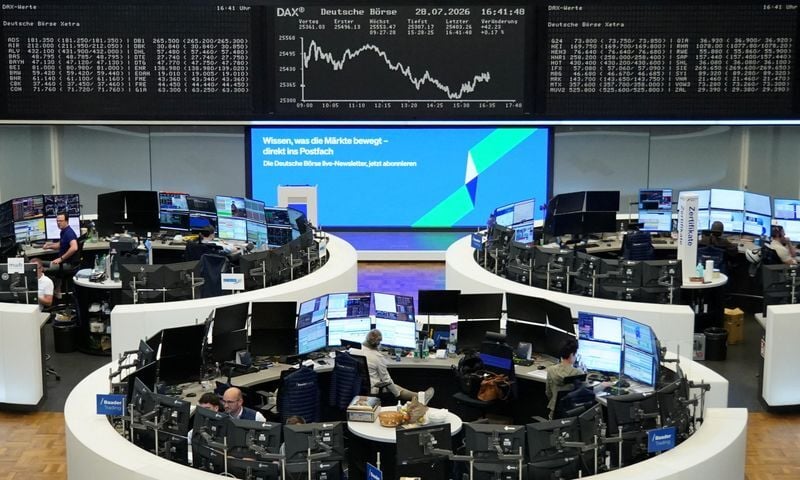
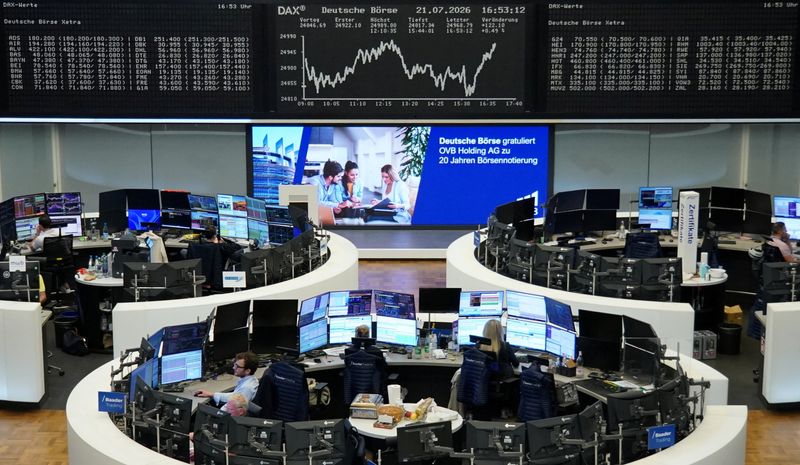
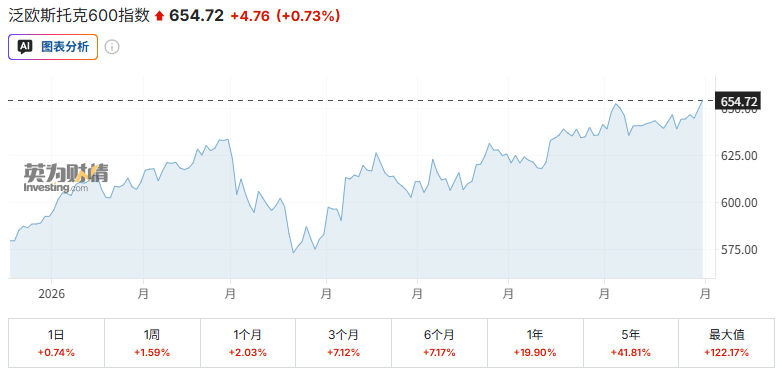
On August 4, 2025, global markets demonstrated resilience amid geopolitical tensions, with the S&P 500 jumping 1.48% to 7,610.04 and European stocks rising 0.55%, yet this market strength masks critical financial headwinds for cross-border e-commerce operators. The most actionable development for sellers is the USD/JPY intervention at 157.80 yen, marking the first U.S. forex intervention in 15 years. Despite coordinated intervention, the yen remains approximately 4% stronger than pre-intervention levels—creating a critical 48-72 hour arbitrage window for sellers with Japan-sourced inventory or USD-denominated liabilities.
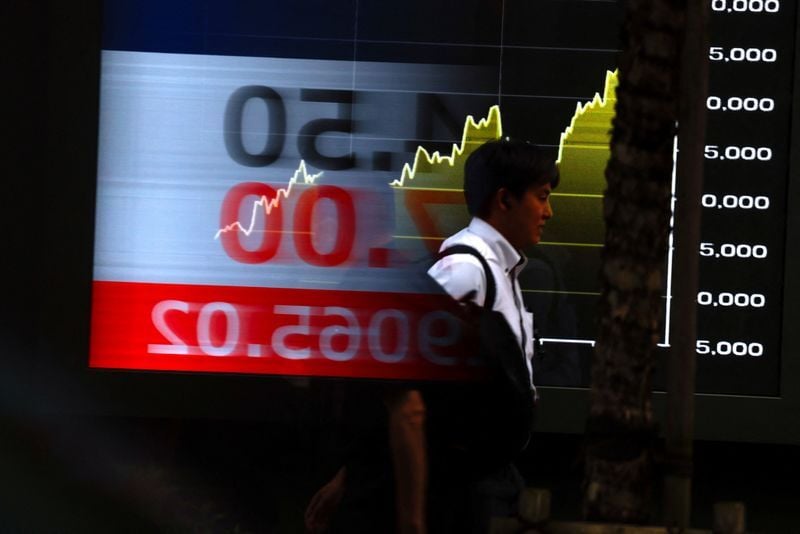
Immediate FX Optimization Opportunity: Sellers sourcing from Japan face a structural cost increase as the yen strengthens. A seller importing ¥10M in electronics inventory now pays approximately $63,300 USD (at 157.80) versus $60,800 pre-intervention—a $2,500 margin compression per shipment. However, this creates a hedging arbitrage: sellers can lock in forward contracts at current elevated rates (typically 50-75 bps above spot) before the yen stabilizes further. For sellers with existing JPY liabilities, immediate action: execute 60-90 day forward contracts at current rates to lock in the 4% premium before market normalization.
Energy Cost Pass-Through Risk: Brent crude rebounded to $84.95/barrel following Strait of Hormuz shipping attacks, signaling 8-12% increases in ocean freight costs within 2-4 weeks. Sellers shipping from Asia to US/EU should immediately lock in freight rates with 3PL providers before surcharges activate. A 40-foot container from Shanghai to Los Angeles typically costs $2,800-3,200; at current crude levels, expect $3,100-3,600 by September. This directly impacts working capital: sellers with 60-day payment terms now face 12-15% cash flow compression.
Working Capital Financing Compression: U.S. Treasury yields hit 19-year highs following Federal Reserve Chairman Kevin Warsh's comments suggesting the Fed may not aggressively combat inflation. This directly impacts invoice financing and PO financing costs. Trade finance APR rates (typically SOFR + 200-250 bps) are now pricing at 7.5-8.2%, up from 6.8-7.1% in July. For a seller with $500K in outstanding invoices, this represents an additional $3,500-5,500 monthly financing cost. Immediate action: lock in 90-day financing rates before further yield increases; consider supply chain financing products from Stripe Capital, Amazon Lending, or Shopify Capital which offer fixed-rate terms less sensitive to Treasury movements.
Regional Shipping Disruption Impact: European sellers face additional headwinds from Rhine shipping disruptions due to drought, compressing logistics capacity and increasing inland transport costs by 15-20%. This affects sellers shipping from Germany/Netherlands to UK/EU markets, with typical barge rates rising from €45-55/ton to €55-70/ton.
Strategic Recommendation: Sellers should execute a three-part financial optimization within 72 hours: (1) lock in JPY forward contracts for 60-90 days at current elevated rates; (2) secure freight rate locks with 3PLs before energy surcharges activate; (3) refinance working capital through fixed-rate trade finance products before Treasury yields compress further. The combination of FX volatility, energy price spikes, and financing cost increases creates a 2-3 week window for cost optimization before market normalization.
Questions 8
What financing products offer the best protection against rising Treasury yields?
Fixed-rate trade finance products offer the best protection against rising Treasury yields. Amazon Lending, Stripe Capital, and Shopify Capital offer fixed-rate terms (typically 6-8% APR) that are less sensitive to Treasury movements compared to variable-rate invoice financing (SOFR + 200-250 bps). For sellers with $100K-$1M in monthly revenue, these products lock in rates for 6-12 months, protecting against further yield increases. Sellers should compare fixed-rate terms across providers immediately, as rates are expected to increase 50-75 bps within 2-4 weeks as Treasury yields stabilize at elevated levels.
How does Rhine shipping disruption affect European sellers?
European sellers face additional headwinds from Rhine shipping disruptions due to drought, compressing logistics capacity and increasing inland transport costs by 15-20%. Typical barge rates from Germany/Netherlands are rising from €45-55/ton to €55-70/ton, directly impacting sellers shipping to UK/EU markets. This compounds the ocean freight increases driven by crude oil prices, creating a 20-30% total logistics cost increase for European-based sellers. Sellers should prioritize securing alternative logistics routes (rail, truck) and locking in rates before further capacity constraints emerge.