


Strait of Hormuz Reopening Talks Drive 5-6% Oil Price Drop | Shipping Cost Relief for Cross-Border Sellers
- Brent crude falls to $79.21/barrel as geopolitical tensions ease; fuel surcharges on international shipping expected to decline 8-15% if deal holds, benefiting high-volume sellers across all categories











Overview
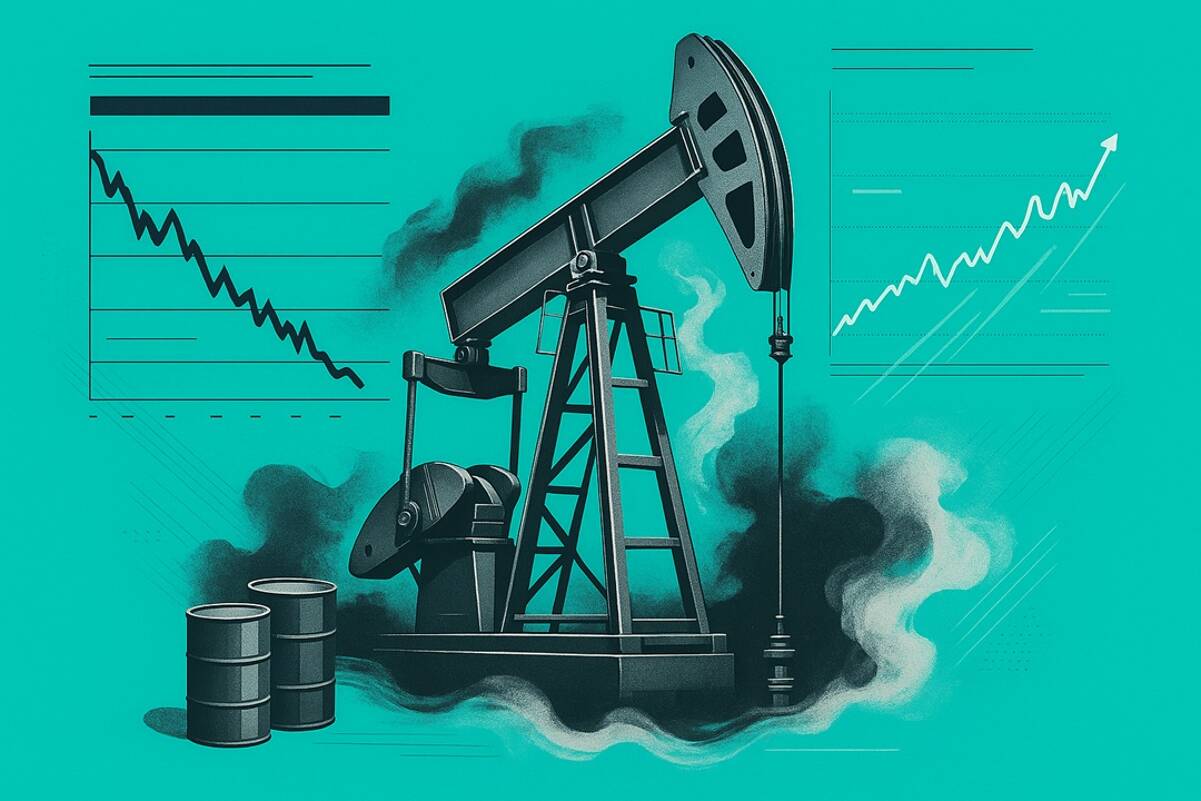
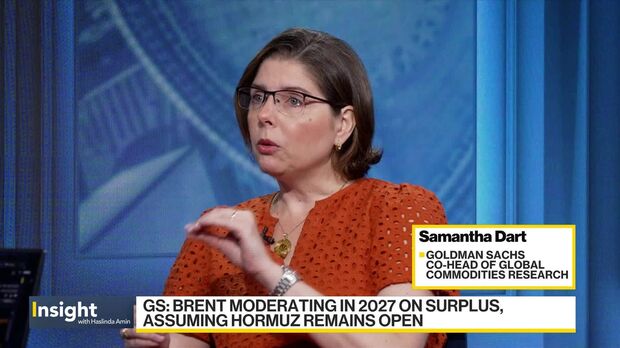
The Strait of Hormuz—controlling 21% of global petroleum trade—is at the center of critical negotiations between the U.S. and Iran that directly impact cross-border e-commerce logistics costs. Following statements from U.S. Treasury Secretary Scott Bessent indicating potential progress toward reopening the waterway, oil prices declined sharply: Brent crude fell 5.4% to $79.21 per barrel, while West Texas Intermediate futures dropped nearly 6% to $75.65. This geopolitical development carries immediate implications for e-commerce sellers managing international supply chains, as lower crude oil prices translate directly to reduced fuel surcharges on shipping rates—a critical cost component for sellers shipping goods globally via air freight, ocean freight, and 3PL logistics networks.
For cross-border e-commerce sellers, sustained oil price stability from a reopened Strait represents a 8-15% potential reduction in fuel surcharges on international shipping. Currently, fuel surcharges add $0.50-$2.00 per pound on air freight and 5-12% premiums on ocean freight depending on route and carrier. A stable, lower-oil-price environment improves cost forecasting accuracy for sellers managing inventory across multiple regions—critical for Amazon FBA sellers calculating landed costs, Shopify merchants optimizing fulfillment networks, and eBay sellers evaluating 3PL provider contracts. The operational impact is most acute for high-volume sellers (1,000+ units monthly) shipping from Asia-Pacific manufacturing hubs to North America and Europe, where fuel surcharges represent 15-25% of total logistics costs. Sellers in energy-intensive categories (electronics, appliances, furniture, automotive parts) benefit disproportionately from oil price declines.
However, industry skepticism remains high regarding deal sustainability. Ryan McKay, director of commodity strategy at TD Securities, stated that "Iran is unlikely to agree to any deal without getting control of the Strait, and thus we view any potential deal as being highly likely to fail at this point." A prior agreement signed June 17 collapsed quickly, and ongoing vessel attacks (a cargo ship was struck Monday by an unknown projectile 20 nautical miles northeast of Al Khasab, Oman) underscore persistent geopolitical risks. For sellers, this uncertainty creates a critical timing window: those who lock in shipping contracts now at lower rates benefit from potential price rebounds if negotiations fail. Conversely, sellers delaying logistics decisions risk exposure to renewed fuel surcharge increases if tensions escalate. The outcome remains uncertain, with market participants divided on whether a sustainable agreement can be reached, making this a high-volatility period for supply chain planning.
Questions 8
How does the Strait of Hormuz reopening affect shipping costs for cross-border sellers?
The Strait of Hormuz handles 21% of global petroleum trade, making it critical to oil prices and shipping costs. When negotiations progress (as indicated by Brent crude falling 5.4% to $79.21/barrel), fuel surcharges on international shipping typically decline 8-15%. For sellers shipping 1,000+ units monthly from Asia to North America/Europe, this translates to $200-$800 monthly savings on air freight and $500-$2,000 on ocean freight. However, deal uncertainty means sellers should lock in shipping contracts now at lower rates before potential price rebounds if negotiations fail.
What is the timeline for Strait of Hormuz deal completion and its impact on shipping rates?
U.S. Treasury Secretary Scott Bessent indicated talks could yield a deal 'within days,' but industry skepticism is high—a prior agreement signed June 17 collapsed quickly. TD Securities' Ryan McKay stated Iran is 'unlikely to agree to any deal without getting control of the Strait.' For sellers, this creates a 2-4 week window of uncertainty. If a deal holds, fuel surcharge reductions typically take 3-6 weeks to propagate through carrier pricing. If negotiations fail, oil prices could spike 5-10%, reversing current gains. Sellers should monitor negotiations daily and adjust logistics contracts accordingly.