



US Beef Shortage Drives 12% Price Surge | Food Sellers Face Supply Crisis Through 2027
- Tyson Foods posts $707M operating loss; cattle herd at 75-year low; beef prices up 12.1% YoY; supply constraints persist through 2027















Overview
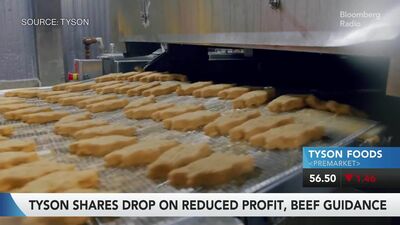
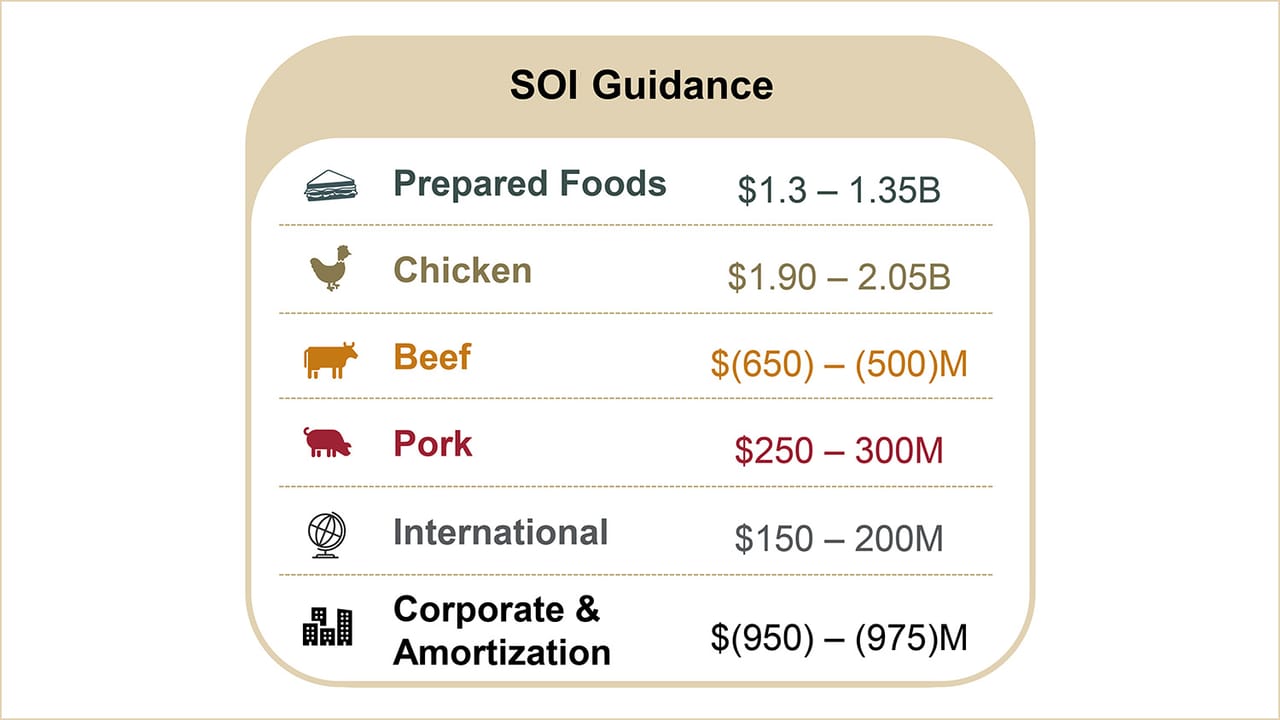
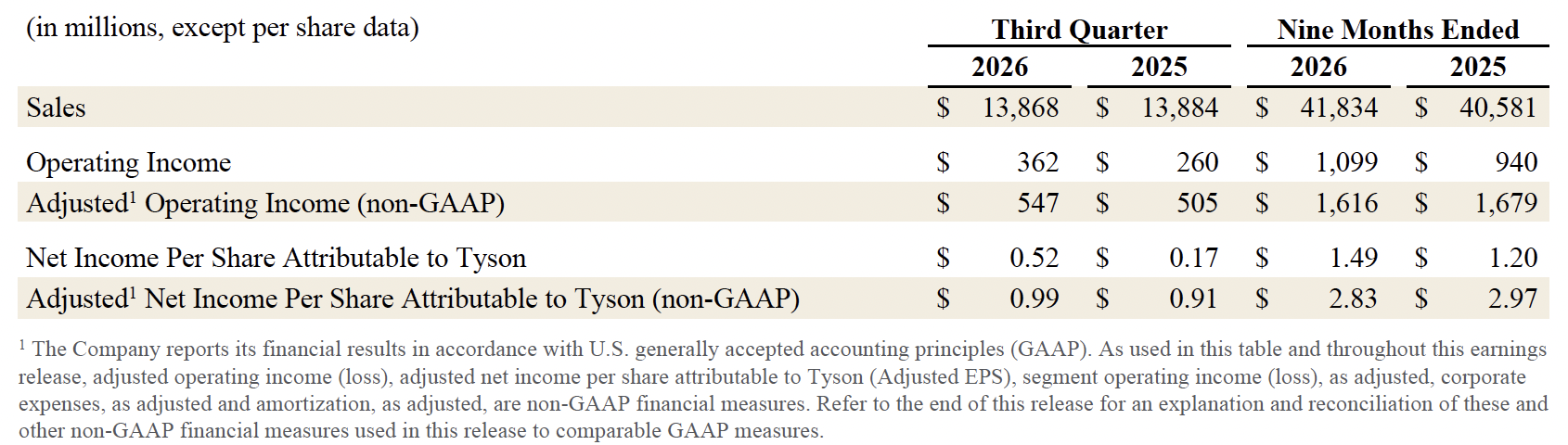
The US beef industry faces a structural supply crisis that directly impacts cross-border e-commerce sellers sourcing meat products, food ingredients, and prepared meals. Tyson Foods, the world's largest meat processor, reported a $707 million operating loss over nine months as US cattle herds hit a 75-year low of 94.2 million head (July 2024). Beef volumes declined 15.9% year-over-year while prices surged 12.1%, indicating that rising cattle costs have completely outpaced retail price increases. The company lowered its fiscal 2026 profit forecast to $2.1-2.3 billion (from $2.2-2.4 billion), with beef segment losses now projected at $500-650 million versus prior estimates of $350-500 million.
For food and beverage sellers on Amazon Fresh, Walmart Marketplace, and specialty food platforms, this translates to immediate wholesale cost increases of 12-18% for beef products and processed meat items. Sellers sourcing from Tyson or competing processors face margin compression as input costs rise faster than retail prices can absorb. The supply-demand imbalance is expected to persist through early 2025, with meaningful relief not arriving until 2027 at the earliest. Tyson's closure of its Nebraska beef processing plant and output reductions at Texas facilities signal industry-wide capacity constraints that will limit supply availability and support elevated pricing.
Cold chain logistics costs are rising alongside beef prices. Sellers in food logistics and 3PL distribution report increased transportation and storage expenses as beef products require specialized refrigerated handling. The USDA's expected lifting of the Mexican cattle import pause (following screwworm concerns) may provide modest relief in 2027, but CEO Donnie King emphasized that border reopening "will not solve the entire gap of beef losses." Meanwhile, consumers are shifting to cheaper protein sources—Tyson's chicken segment showed 1% volume growth and 11.2% margin improvement as buyers substitute beef with poultry, creating a secondary opportunity for sellers in the chicken and plant-based protein categories.
Immediate actions for sellers: Monitor Tyson's quarterly earnings and USDA cattle inventory reports (released monthly) to anticipate price movements. Sellers with 3-6 month inventory visibility should lock in current wholesale prices before further increases. Consider sourcing diversification to regional beef processors or alternative protein suppliers. For Amazon Fresh and Walmart Marketplace sellers, expect retail price increases of 8-15% on beef products through 2025, requiring competitive pricing adjustments to maintain Buy Box eligibility.
Questions 8
Should food sellers shift sourcing away from beef products to alternative proteins?
Yes, strategic diversification is recommended. Tyson's chicken segment showed 1% volume growth and 11.2% margin improvement as consumers shift to cheaper protein sources amid elevated beef prices. Plant-based protein sales have grown 20-30% annually in the food e-commerce category. Sellers should consider allocating 20-30% of inventory budget to chicken, turkey, and plant-based alternatives while maintaining beef SKUs at reduced inventory levels. This hedges against continued beef price volatility and captures growing consumer demand for lower-cost proteins through 2025-2026.
How much will beef prices increase for food sellers on Amazon Fresh and Walmart Marketplace in 2025?
Wholesale beef prices have already surged 12.1% year-over-year as of Q2 2024, with Tyson Foods reporting beef volumes down 15.9% while prices climbed. Industry analysts expect additional increases of 8-15% through 2025 as US cattle herds remain at 75-year lows (94.2 million head). Sellers sourcing from Tyson or competing processors should anticipate wholesale cost increases of 12-18% for beef products and processed meat items. The supply-demand imbalance is expected to persist through early 2025, with meaningful relief not arriving until 2027 at the earliest when Mexican cattle imports resume and domestic herds recover.