
Beef Price Volatility Reshapes Food E-Commerce Supply Chains | Seller Sourcing & Inventory Strategy
- Volatile beef market driven by feed costs and cattle supply creates 15-25% price swings affecting specialty food sellers; immediate inventory repositioning and supplier diversification required for Q1-Q2 2025





Overview
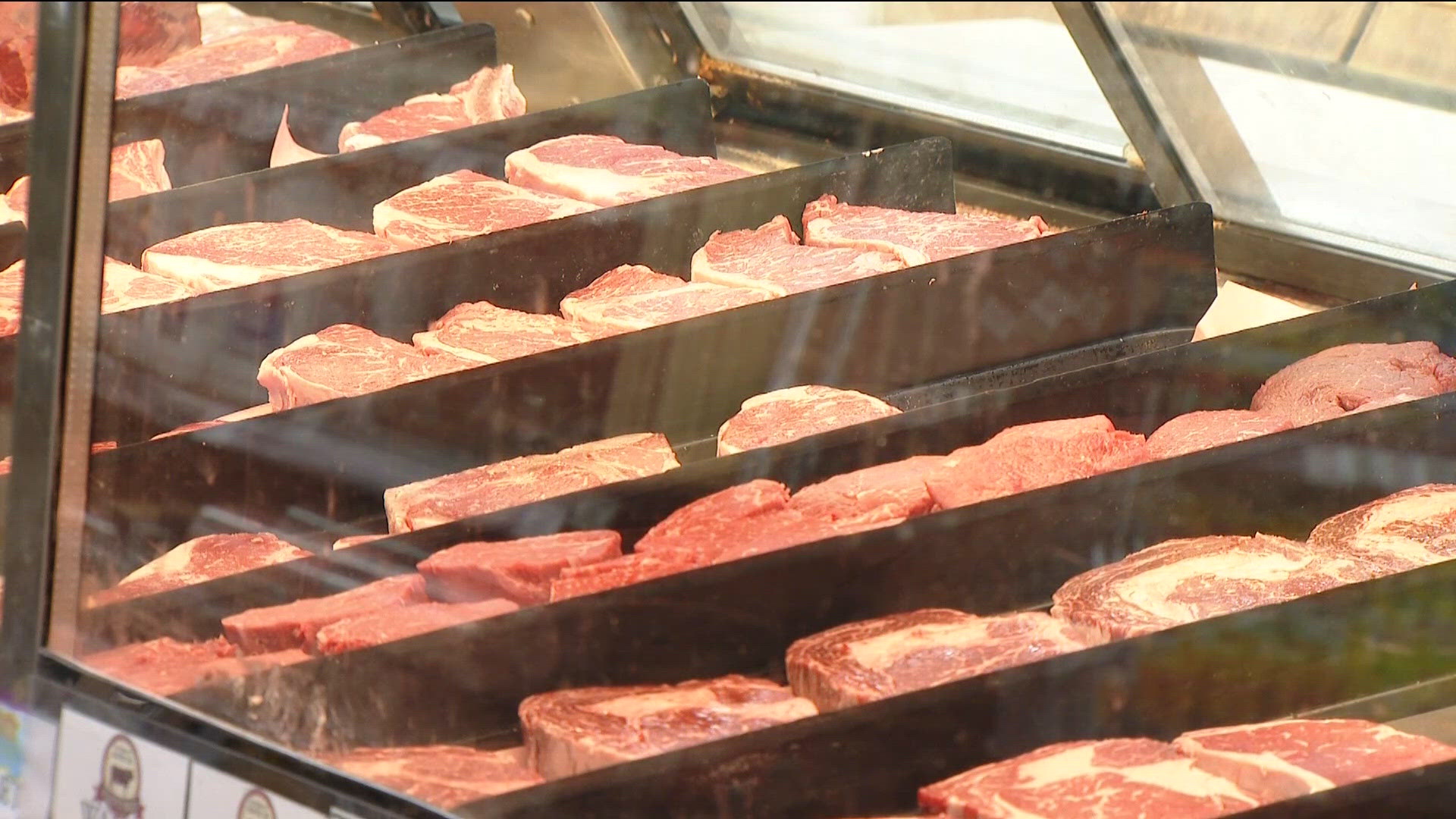
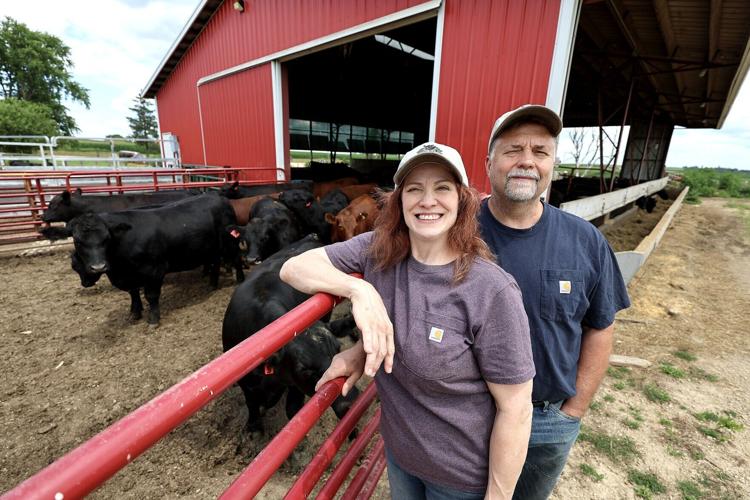
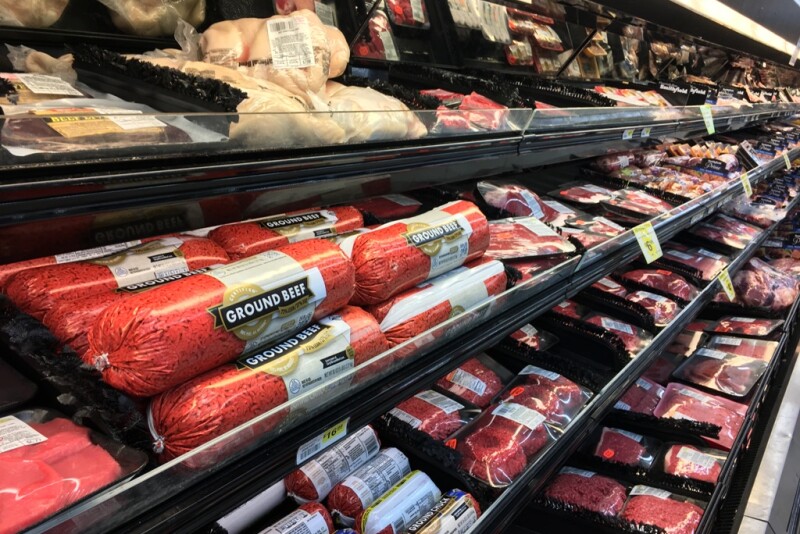
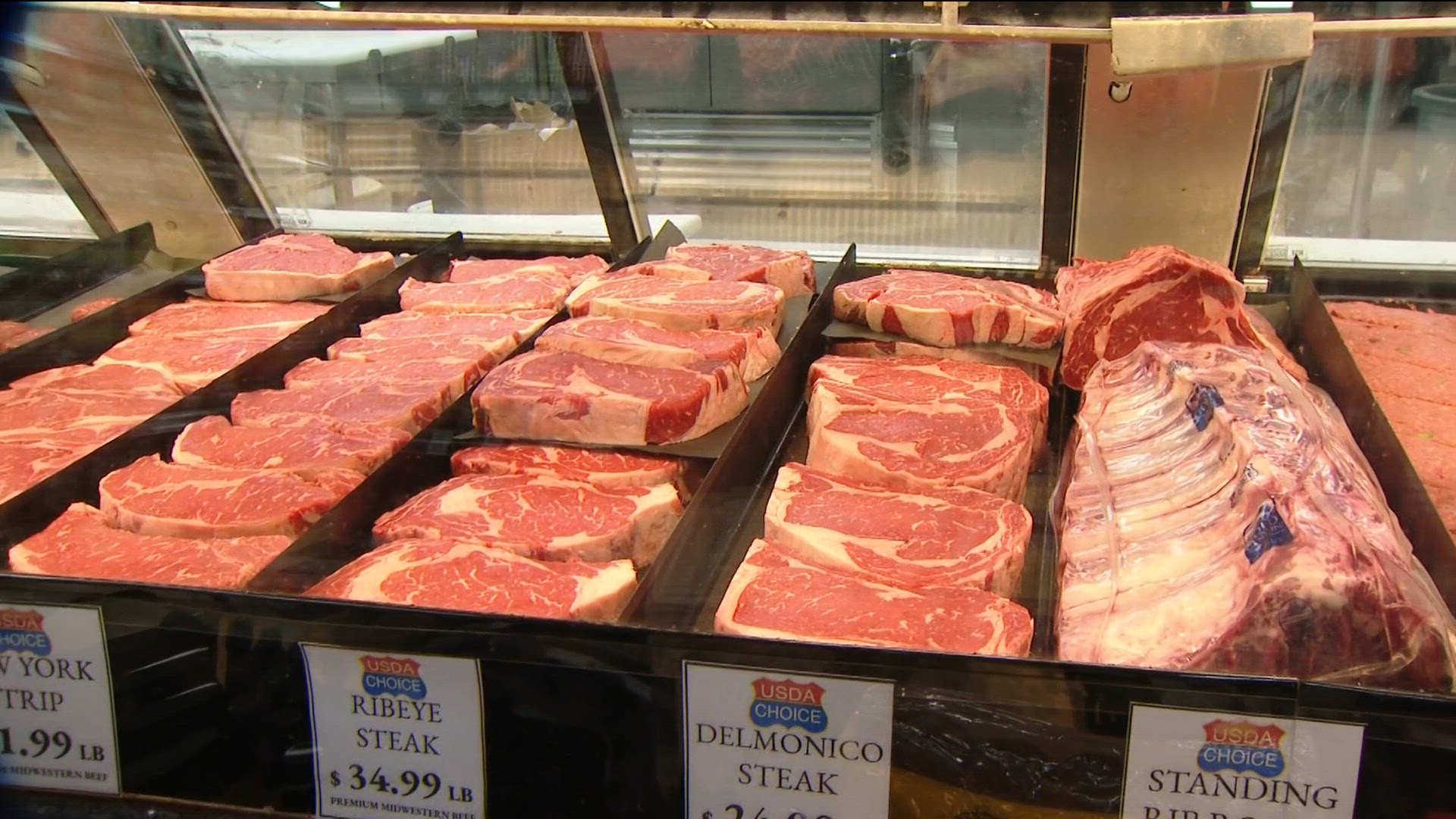
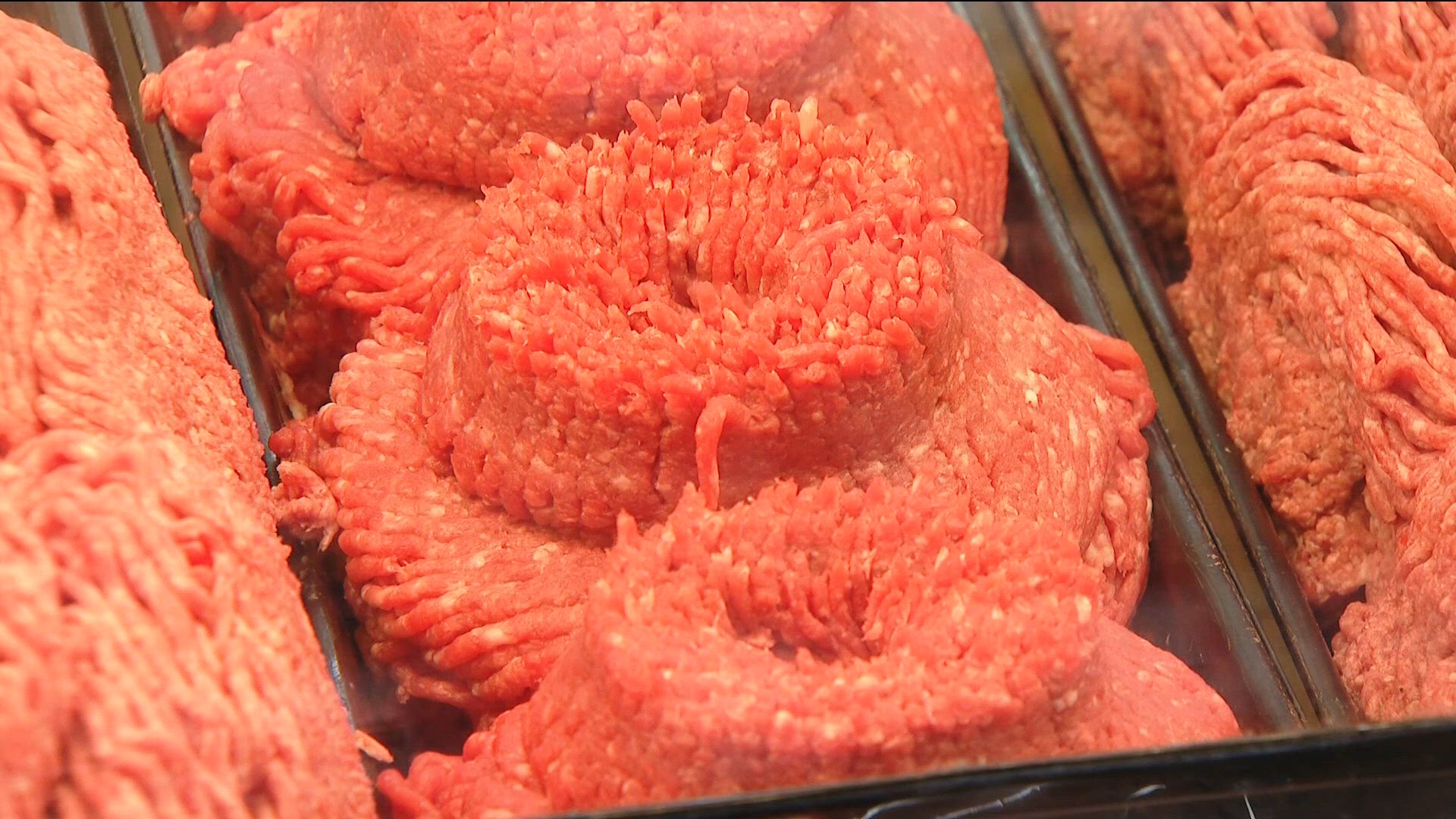
The beef market is experiencing significant volatility driven by multiple supply chain factors including feed costs, cattle supply dynamics, weather patterns, and broader economic conditions. News reports from San Diego and regional markets highlight "sticker shock" affecting both producers and retailers navigating unpredictable input costs and rapid price fluctuations. This agricultural commodity volatility has direct implications for cross-border e-commerce sellers in the food and beverage sector, particularly those sourcing specialty meat products, gourmet food items, and protein-based supplements.
For food and beverage e-commerce sellers, beef price volatility creates three critical logistics and supply chain challenges: First, sourcing costs are becoming unpredictable, making landed cost calculations difficult for sellers importing specialty beef products or beef-based ingredients from North American suppliers. Feed cost inflation (a primary driver of volatility) directly impacts supplier pricing, with producers reporting difficulty maintaining consistent pricing strategies. Second, inventory holding costs increase when sellers must stock 60-90 days of inventory to hedge against price spikes, consuming working capital and warehouse space. Third, consumer demand is shifting as retail price increases trigger "sticker shock"—reducing purchase frequency for premium beef products and shifting demand toward lower-cost protein alternatives.
Specific logistics implications for sellers: Sellers sourcing beef jerky, specialty meat products, or beef-based supplements from US suppliers should expect 8-15% cost increases over the next 2-3 months as feed costs remain elevated. Cattle supply constraints mean lead times from primary producers may extend 2-4 weeks, requiring earlier purchase commitments. For sellers using 3PL warehouses in the US Midwest (closer to cattle production regions), storage costs are rising due to increased inventory holding by producers. Retailers report difficulty maintaining consistent pricing, indicating Amazon and Shopify sellers in the specialty food category should prepare for margin compression of 5-10% unless they can shift to alternative suppliers or product categories with more stable input costs.
Strategic sourcing opportunities exist in alternative protein categories: As beef prices remain volatile, sellers should evaluate shifting 20-30% of inventory allocation toward plant-based proteins, poultry products, or imported specialty proteins from regions with more stable supply chains (Australia, Brazil for beef; Southeast Asia for aquaculture). These alternatives offer more predictable landed costs and can capture demand from price-sensitive consumers experiencing sticker shock in beef categories. Sellers should also consider dropshipping models for specialty beef products to reduce inventory risk, or negotiate longer-term fixed-price contracts with suppliers to lock in costs before further volatility.
Questions 8
How does beef price volatility affect my specialty food e-commerce sourcing costs?
Beef price volatility driven by feed costs and cattle supply creates 8-15% cost swings over 2-3 month periods, directly impacting landed costs for sellers sourcing specialty meat products, beef jerky, or protein supplements from North American suppliers. Feed cost inflation is the primary driver, with producers unable to maintain consistent pricing. For a seller importing $50,000 monthly in beef products, this translates to $4,000-7,500 in unexpected cost increases. You should lock in supplier contracts immediately for Q1-Q2 2025 or shift 20-30% of sourcing to alternative proteins with more stable supply chains (Australia beef, Southeast Asian aquaculture, plant-based alternatives).
Which supplier regions offer more stable beef pricing for cross-border sellers?
Australia and Brazil offer more stable beef pricing than US suppliers due to different feed cost structures and less weather volatility. Australian beef has 4-6 week lead times but offers 10-15% cost stability premiums. Brazilian beef is 15-20% cheaper but requires longer lead times (8-10 weeks) and customs clearance complexity. For specialty proteins, Southeast Asian aquaculture (Vietnam, Thailand) offers stable pricing with 3-4 week lead times. Evaluate landed costs including tariffs (beef tariffs vary 0-25% by destination market) and customs clearance times (US ports: 2-3 days; EU ports: 5-7 days). Diversify suppliers across 2-3 regions to hedge volatility.