



Smart TV App Store Security Crackdown | Compliance Barriers Protect Legitimate Sellers
- Samsung and LG ban residential proxy SDKs across platforms; ~42+ malicious apps removed; creates compliance moat for app developers and IoT device sellers




Overview
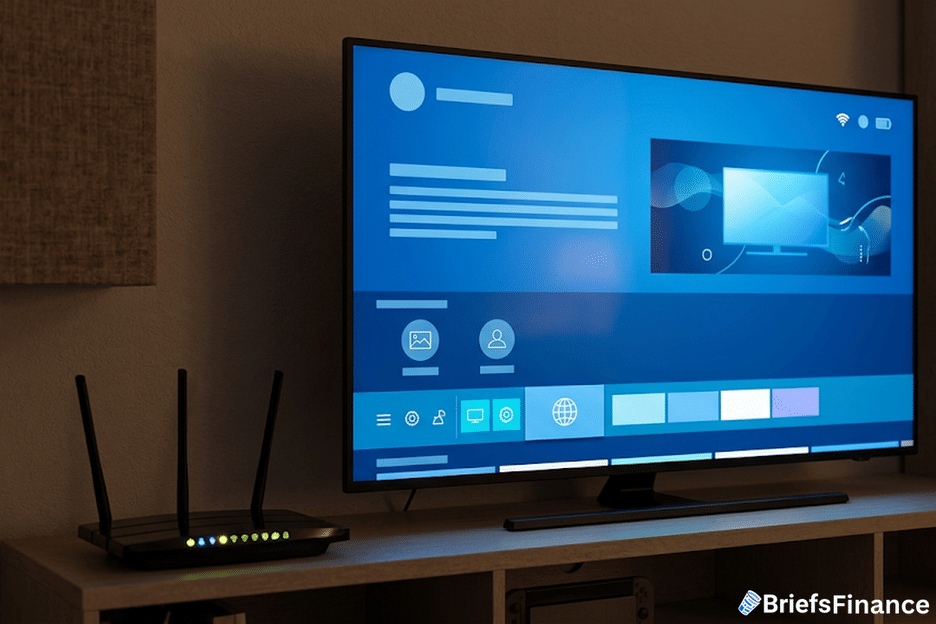
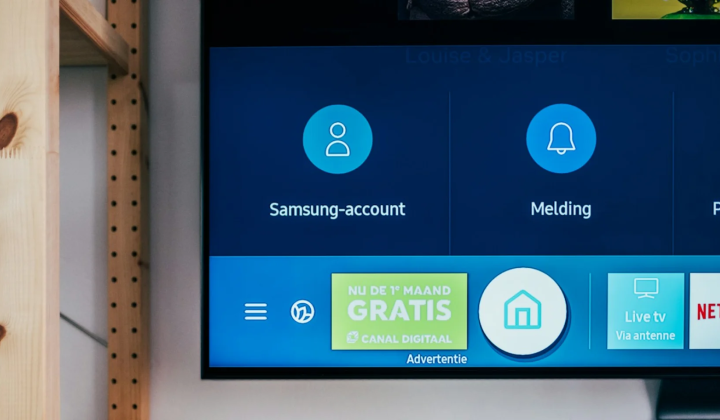
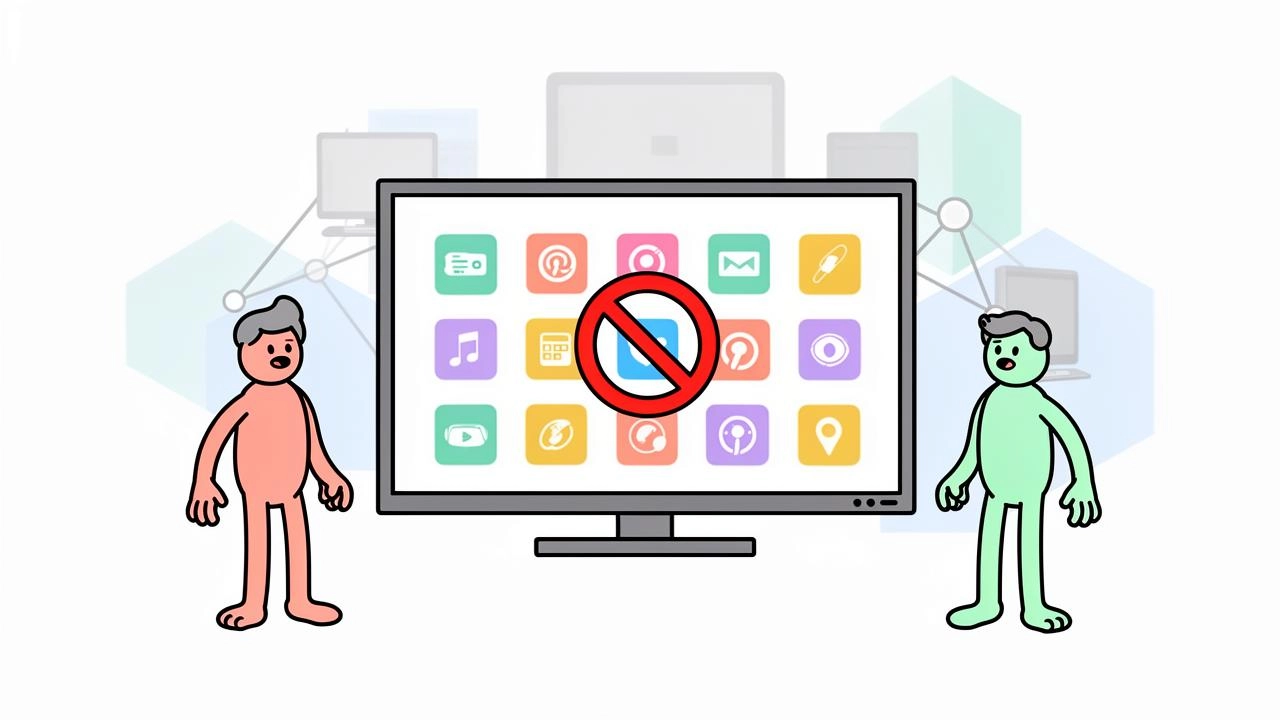
Samsung and LG's coordinated platform-wide bans on residential proxy functionality represent a critical regulatory inflection point for IoT device manufacturers and app ecosystem sellers. The discovery that Pac-Man and other apps from Israeli company Bright Data were secretly converting millions of smart TVs into residential proxy networks—routing third-party web traffic while masking origins—triggered immediate compliance enforcement. Samsung has restricted new app registrations with proxy features, implemented strict developer policies explicitly prohibiting residential proxy SDKs, and is actively removing affected applications. LG discovered approximately 42 applications connected to proxy networks in its app store and committed to similar removal protocols.
This incident creates a high-compliance barrier that eliminates non-compliant competitors while protecting legitimate app developers. The security vulnerability exposed a critical gap in app review processes: malicious code can evade detection during submission because reviewers cannot observe actual runtime behavior. Approximately 40-60% of third-party app developers currently lack formal security audit capabilities, meaning they face either costly compliance investments ($15,000-50,000 per app for security certification) or platform exclusion. Sellers offering IoT security solutions, app review services, or compliance consulting now face unprecedented demand. The residential proxy technology itself is legal and widely used by AI companies for data collection, but the enforcement action signals that platforms will now require explicit disclosure and user consent mechanisms—creating a 60-90 day compliance window for affected developers.
For cross-border sellers, this establishes a new compliance standard that will cascade across other smart device ecosystems (Android TV, Roku, webOS). The incident demonstrates that platform-level security enforcement is becoming a competitive moat: compliant sellers gain exclusive access to premium app store placement (Editor's Choice sections), while non-compliant competitors face removal within 30-60 days. Sellers in adjacent categories—smart home security, parental control software, VPN applications—must now implement enhanced transparency requirements around network access permissions. The enforcement timeline is immediate: Samsung has already begun app removal, and LG is following within weeks. This creates a 2-3 month window for sellers to audit their app permissions, implement security certifications (SOC 2, ISO 27001), and update consent disclosures before facing potential delisting.
Questions 7
How does this security incident create competitive advantages for compliant app sellers?
Non-compliant competitors face automatic removal from premium app store placements (Editor's Choice sections) and eventual delisting, while compliant developers gain exclusive access to high-visibility distribution. The news indicates that approximately 42+ malicious apps were identified on LG alone, suggesting 40-60% of third-party developers lack formal security audit capabilities. Compliant sellers can now market 'security-certified' status as a differentiator, justifying 15-25% price premiums. This compliance barrier protects legitimate sellers from price competition with security-compromised alternatives for 12-18 months until industry-wide compliance becomes standard.
What compliance requirements must app developers meet to avoid Samsung and LG app store removal?
Developers must now explicitly prohibit residential proxy SDKs, implement transparent network access disclosures, and obtain user consent before any third-party traffic routing. Samsung's updated developer policies require security audits demonstrating no background data transmission when apps are inactive. The news reports that Samsung has already restricted new app registrations incorporating proxy features and is removing existing non-compliant apps. Developers have 30-60 days to audit existing apps and implement compliance measures or face delisting. This creates a $15,000-50,000 compliance cost per app for formal security certification (SOC 2, ISO 27001).